
Victorian Centrepiece Plate
When you select a victorian centrepiece plate, you choose an elaborate dining table focal point spanning silver plate and cut glass.
Victorian Centrepiece Plate
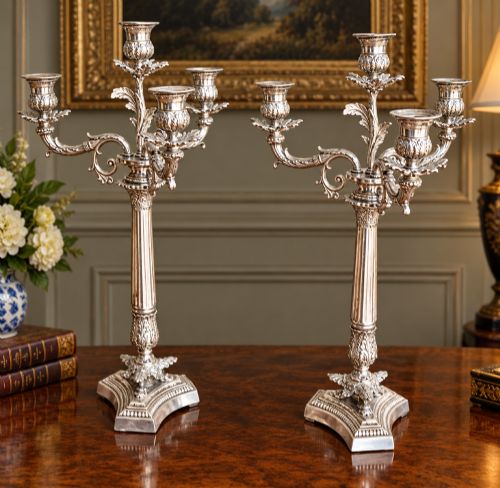
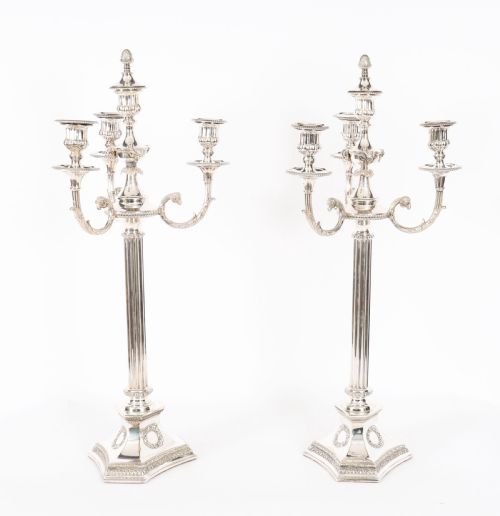
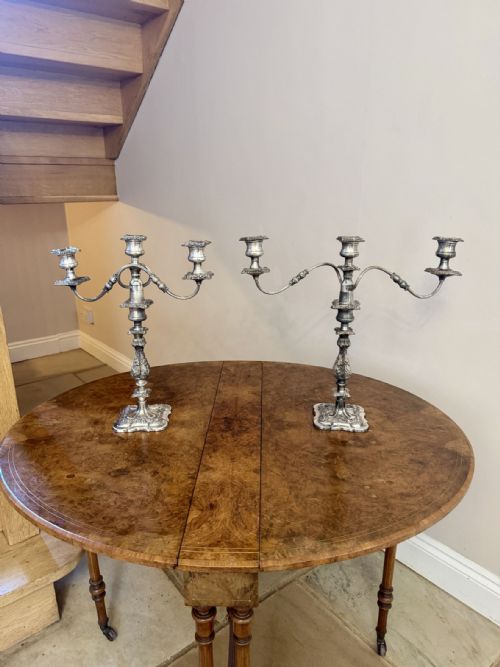
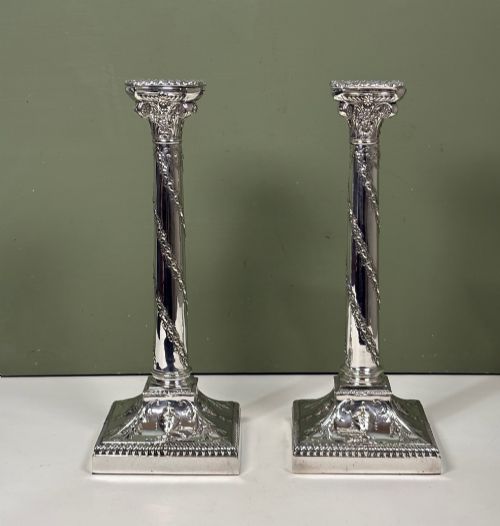
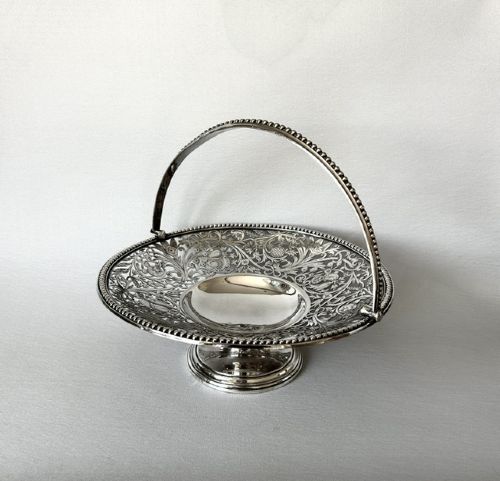
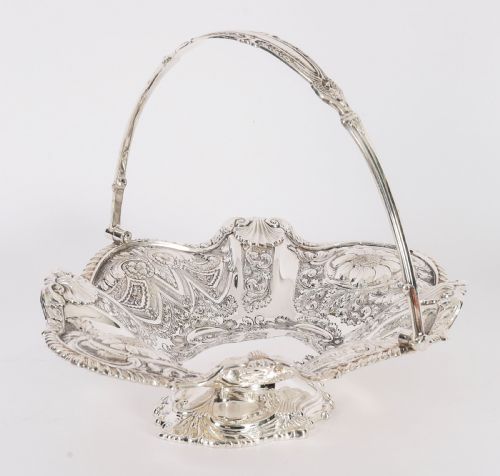
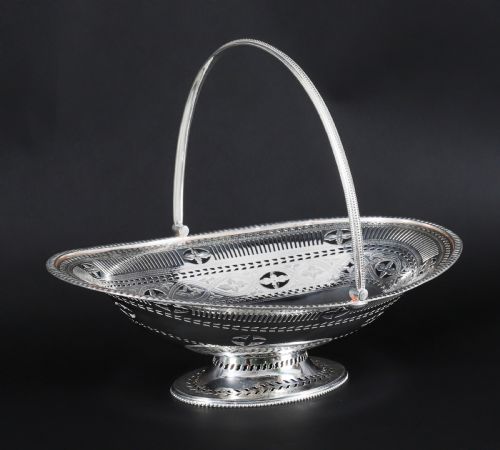
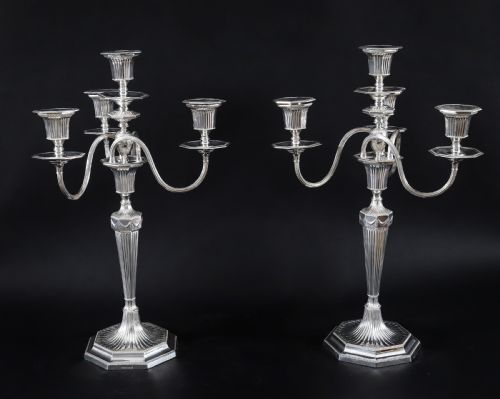
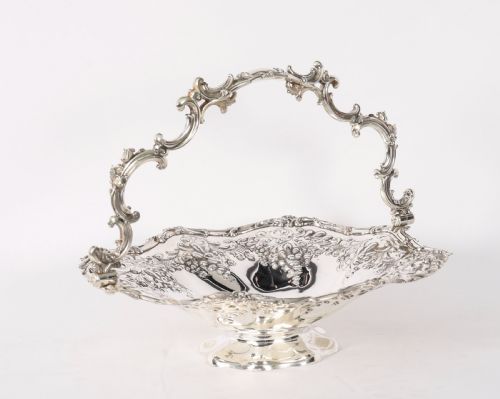
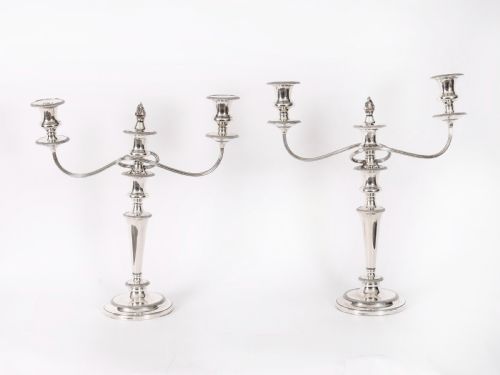
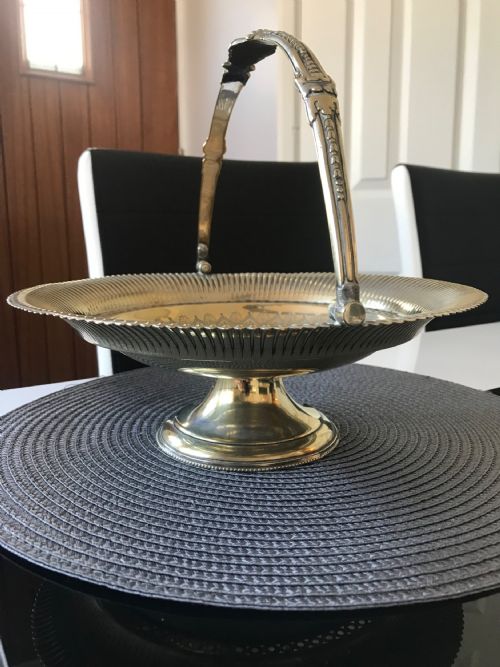
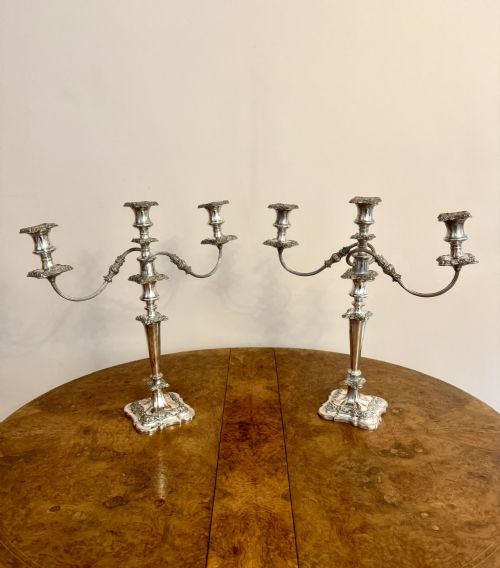
A victorian centrepiece plate encompasses large table centrepieces, fruit baskets, and decorative dishes originating from the nineteenth century. These objects served to anchor formal dining arrangements, frequently paired with matching candelabras or holding cut glass inserts for fruit and flowers.
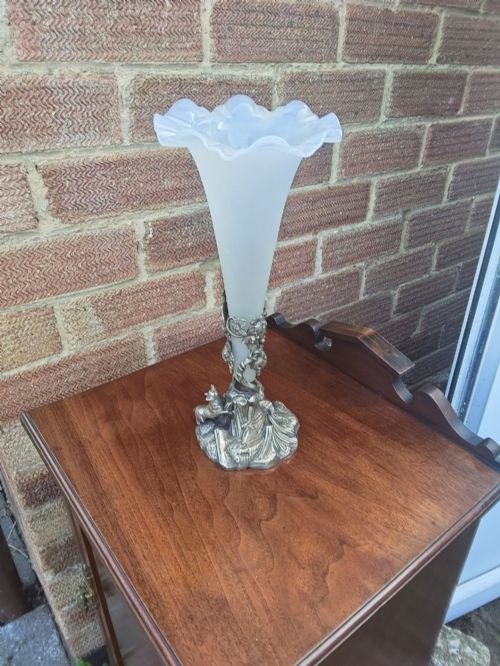
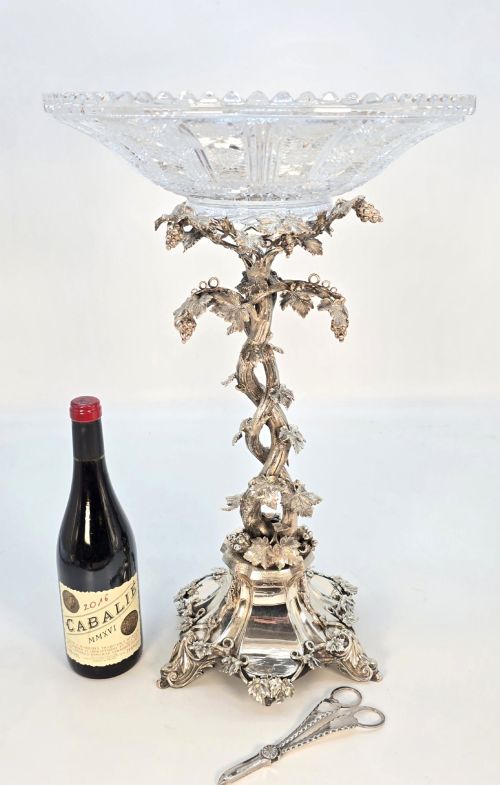
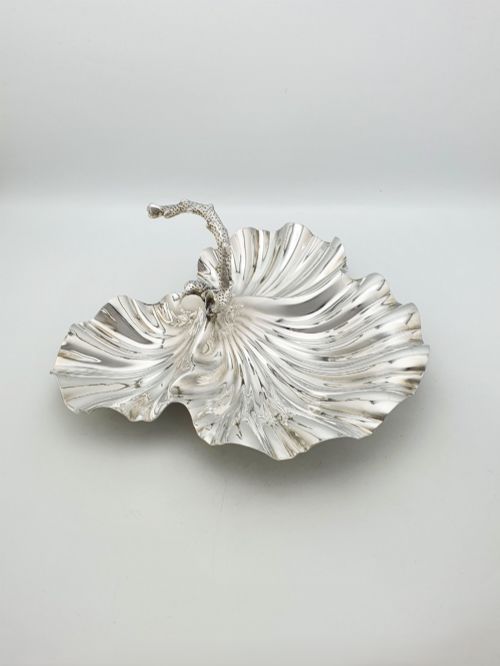
The versions most commonly met on this page combine silver plate with cut glass, vaseline glass, or opaque glass vessels. Forms lean towards naturalistic shell designs, neoclassical pierced galleries, and ornate multi-branch stands intended for display on dining tables.
Materials and methods of construction
Makers utilised silver plate, electroplated nickel silver, and base metals as the structural foundation for these pieces, applying manufacturing methods typical of nineteenth-century workshops. Silver plating was layered over white metal, brass, or copper substrates, sometimes augmented by parcel gilding.
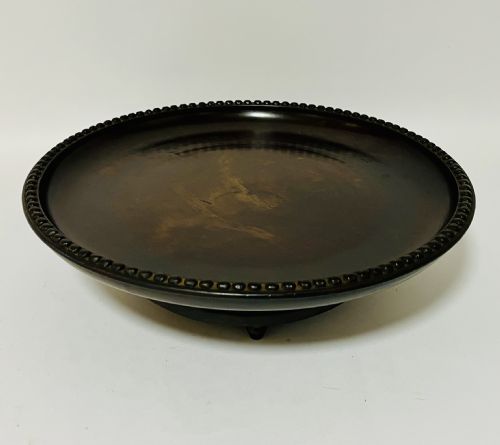
Glass elements were integrated via cut glass, moulded opaque glass, and coloured vaseline glass inserts held within pierced or cast metal frames. Wood, carved oak, and ceramics also appear in related serveware items associated with these table settings.
The evidence records styles ranging from Victorian naturalism and rococo revival to cleaner neoclassical designs.
Distinctions in manufacture and design
Quality rests upon the crispness of cast ornamentation and the depth of hand engraving on the metal surface. Pieces displaying high relief work, such as naturalistic coral handles or detailed figural supports, show superior artisanal input compared to simpler stamped iterations.
The integrity and weight of the combined glass inserts further divide the range, where heavy cut crystal or vibrant vaseline glass indicates a higher grade of production. Maker attribution to established silversmiths also separates standard workshop output from exceptional examples.
George W Scott And Sons Ltd·Hawksworth Eyre·Garrard And Co·Walker And Hall·Thomas Bradbury·Elkington·Mappin And Webb·Benetfink And Co·Henry Wilkinson And Co·Deykin And Sons
The Victorian Centrepiece Plate Glossary
- Electroplated Nickel Silver
- A method of depositing a layer of silver onto a nickel silver base metal via electrical current. This technique became widespread during the nineteenth century for producing durable tableware.
- Épergne
- A large table centrepiece featuring a central bowl with multiple branching arms holding smaller baskets or flutes. These pieces were traditionally used for presenting fruit, sweets, or flowers.
- Vaseline Glass
- A type of glass containing uranium dioxide, producing a distinctive yellow-green colour that glows under ultraviolet light. It was frequently utilised in Victorian tablewares and decorative inserts.
- Spoon Warmer
- A specialised Victorian tableware vessel designed to hold hot water and warm individual spoons before serving. They were often shaped as nautilus shells or domestic animals.
- Cruet Set
- A matched collection of glass bottles fitted with silver plated mounts, designed to hold condiments like oil, vinegar, and mustard at the dining table.
Victorian Centrepiece Plate: Frequently Asked Questions
What was a victorian centrepiece plate used for?
These pieces anchored formal dining tables, serving as decorative focal points for displaying fresh fruit, sweetmeats, or floral arrangements during large meals.
They stood in the middle of the table, often surrounded by matching candelabras or cruet sets to complete the dining service aesthetic.
How do I care for silver plated centerpieces?
Maintain silver plated surfaces by dusting gently and cleaning periodically with a specialist non-abrasive silver polish to prevent tarnish accumulation.
Hand wash glass inserts separately using lukewarm water and mild soap, avoiding harsh chemicals that might damage the historical plating or glass body.
How can I identify the period?
Examine the manufacturing technique, base metal characteristics, and stylistic markers such as neoclassical revival motifs or naturalistic ornamentation typical of nineteenth century design.
Maker marks, registration stamps, and electroplating patents stamped onto the base provide reliable indicators for dating individual pieces.
Are glass inserts usually original?
Many surviving pieces retain their matched cut glass, vaseline glass, or opaque glass bowls, shaped specifically to fit the metal frames.
Inspect the seating rim of the metal basket and the base of the glass insert to ensure proper proportions and consistent wear patterns.