


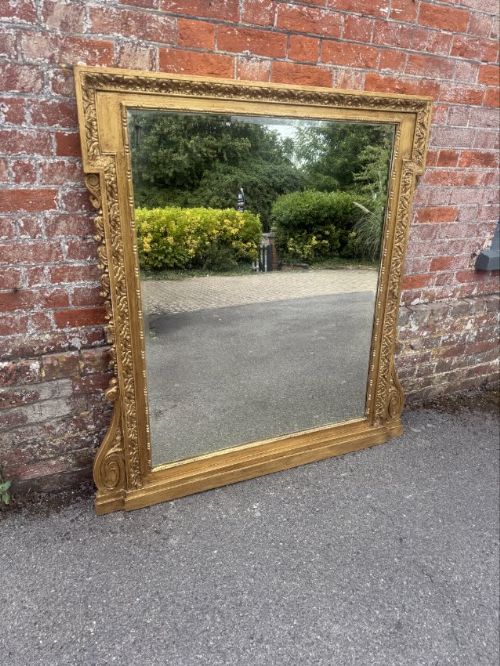
Victorian Carved Wood Mirror
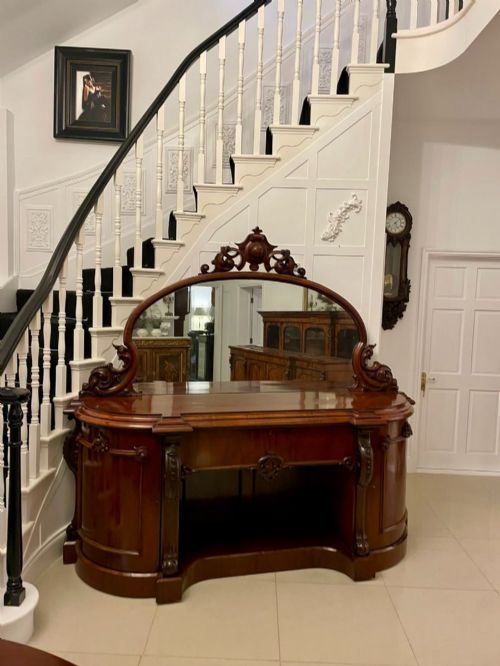
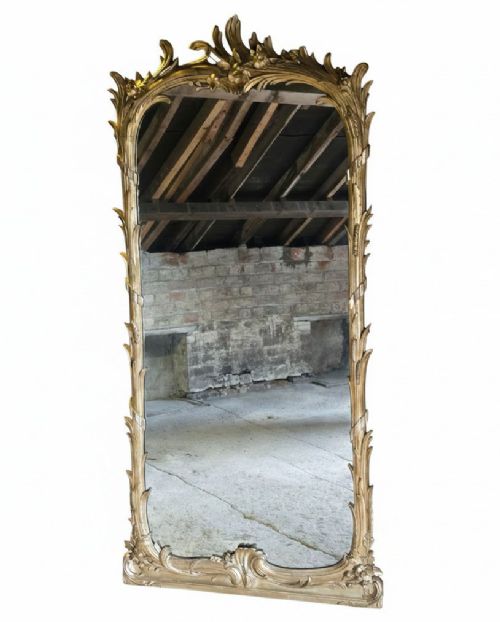
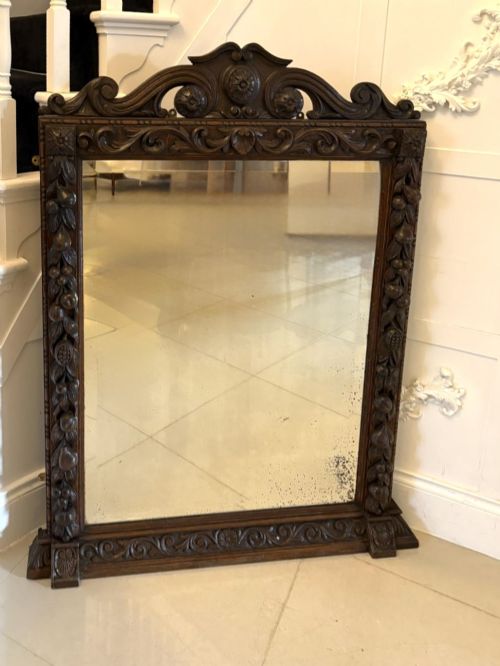
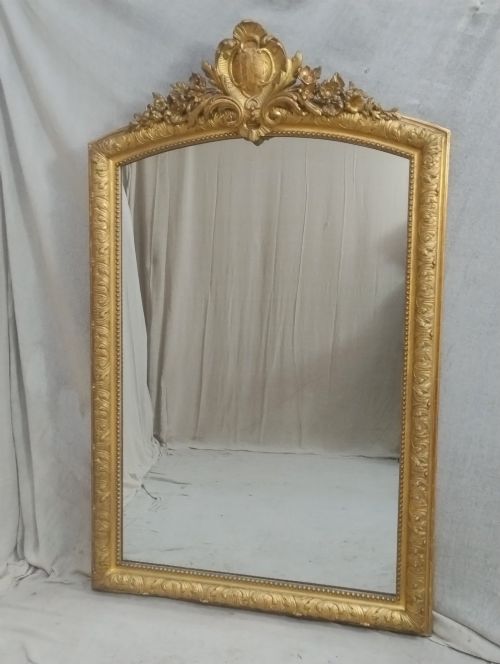
A victorian carved wood mirror brings nineteenth-century craftsmanship into a room through deep relief moulding and heavy gilded plates.
Victorian Carved Wood Mirror
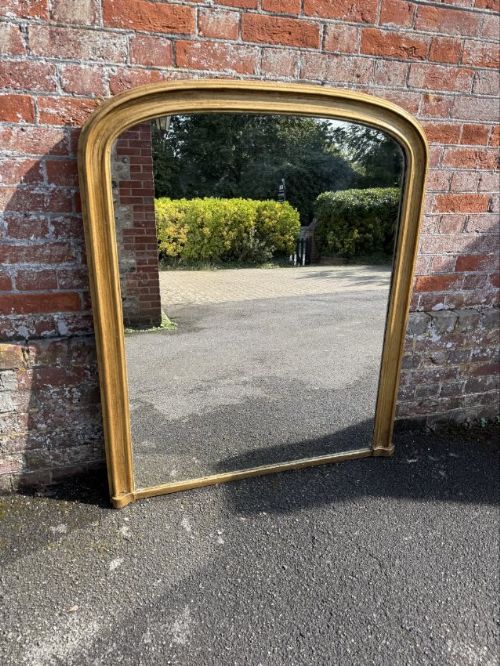
A victorian carved wood mirror typically takes the form of a grand overmantle piece designed to sit above a fireplace, or a tall wall-hanging frame built with architectural proportions. These objects served both a practical domestic function and a decorative role in country houses and town residences.
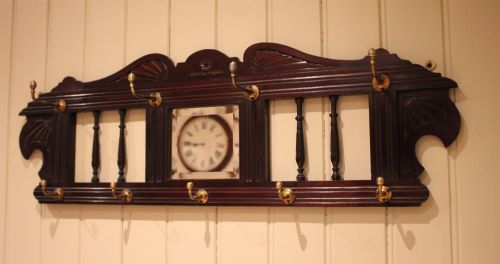
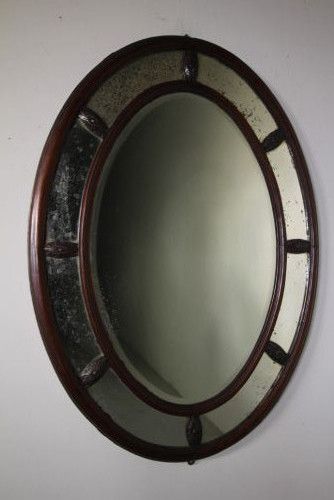
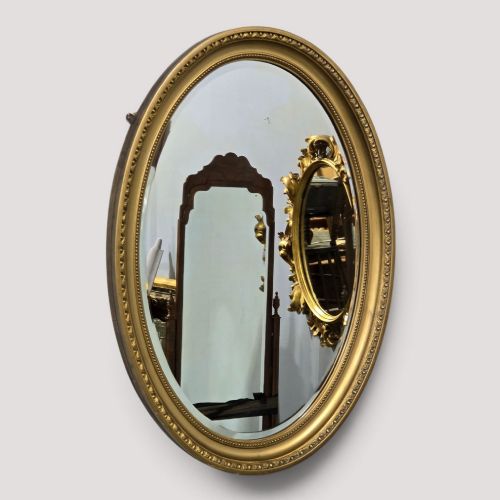
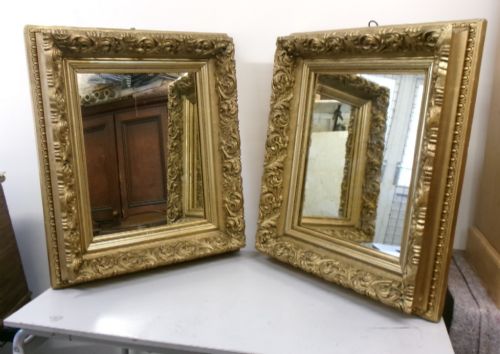
The material vocabulary spans rich mahogany, dark oak, and walnut, alongside heavily gilded gesso over timber bases. Surviving examples frequently display revivalist tendencies, notably Rococo scrolls, classical orders, and naturalistic leaf motifs.
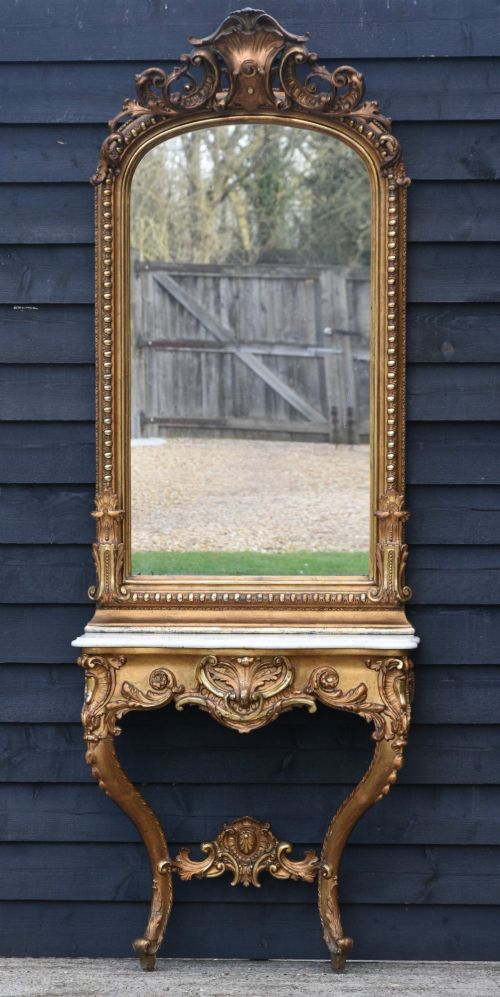
Buyers encounter both expansive landscape formats intended for chimney breasts and vertical pier mirrors built to hang between tall windows. Smaller vanity and dressing table mirrors also appear, often pivoting on turned upright supports.
How They Were Made
Cabinetmakers shaped the primary structures from dense hardwoods like mahogany and oak, employing traditional joinery for stability under heavy glass. Carvers then worked directly into the timber or applied layers of gesso to build up intricate relief patterns.
Gilding involved applying thin sheets of gold leaf over prepared gesso surfaces, which were often burnished to catch the light. Silvered mirror plates were secured into the rebates from the back, frequently held by original wooden boarding.
Listings feature periods spanning from Georgian survivals through Victorian and Edwardian iterations, executed in mahogany, oak, walnut, and giltwood.
What Varies in Quality
The depth and crispness of the carving dictate much of the distinction between standard production and exceptional studio work. Hand-tooled acanthus leaves, crisp rope twists, and undercut floral elements show the hand of a skilled artisan rather than a commercial mould.
The integrity of the original mercury or early silvered glass plate and the underlying gilding ground also determine the standing of a piece. Retained original surfaces and untouched backing boards preserve the historical authenticity of the construction.
The Victorian Carved Wood Mirror Glossary
- Gesso
- A plaster-like mixture applied to wood frames as a smooth base for subsequent gilding or painting. It allowed carvers to achieve sharp decorative details before laying gold leaf.
- Overmantel Mirror
- A wide landscape-oriented glass specifically proportioned to hang on the wall directly above a fireplace mantelpiece. These often incorporated arched tops or heavy cornices.
- Pier Glass
- A tall mirror designed to fit the narrow wall space between two windows, frequently paired with a matching console table underneath. They maximised natural light in nineteenth-century interiors.
- Girandole
- A decorative wall mirror fitted with attached candle sconces that reflected flickering light into the room. The arms extended forward from the gilded frame.
- Cheval Mirror
- A full-length dressing mirror suspended on a freestanding frame with vertical pillars and pivoting side screws. Users could tilt the glass to adjust the viewing angle.
Victorian Carved Wood Mirror: Frequently Asked Questions
Where should I hang an overmantel mirror?
These large landscape frames belong centrally positioned above a fireplace mantelpiece where their proportions balance the hearth below. They anchor the surrounding wall space and reflect ambient room light.
Ensure the wall fixings engage directly with structural studs or masonry to support the considerable combined weight of the timber, gesso, and thick glass plate.
How do I clean a gilded wood frame?
Dust the carved surfaces gently with a soft dry brush, avoiding any abrasive cloths or chemical cleaning solutions that might strip the delicate gold leaf. Care prevents microscopic damage to the historical gesso ground.
Keep moisture entirely away from the exposed areas of the frame where the metallic leaf is vulnerable to lifting or flaking off the wooden substrate.
What is the difference between walnut and mahogany frames?
Mahogany offers a dense, straight-grained reddish-brown surface that cabinetmakers used extensively for structural durability and clean architectural mouldings. Walnut provides a richer, figured grain pattern with warm dark tones suited to elaborate carved panels.
Both timbers were frequently painted or heavily gilded over gesso, concealing the underlying wood entirely beneath layers of gold leaf.
Are these mirrors heavy to mount?
Nineteenth-century wall mirrors utilise dense hardwoods and thick glass plates, resulting in substantial overall weight requiring robust hanging hardware. Professional installation using heavy-duty brackets ensures secure wall attachment.
Checking the stability of the original wooden frame joints before hanging prevents structural strain on antique mitres and corner blocks.