

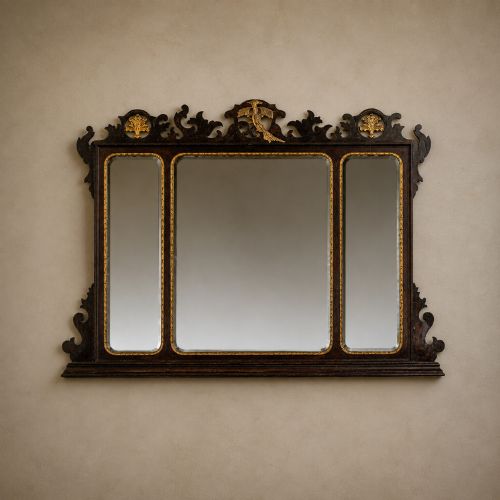
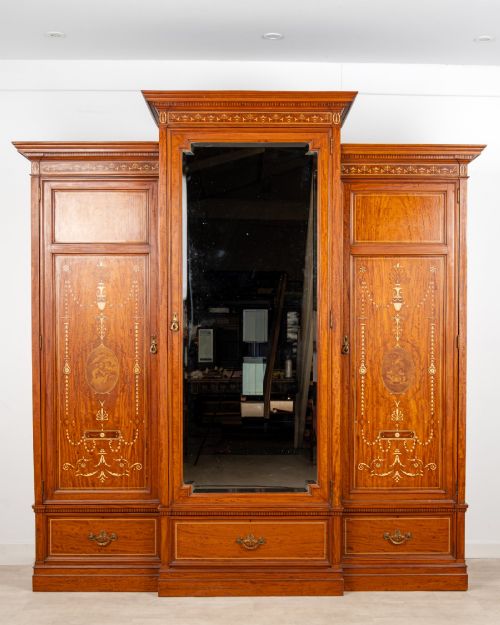
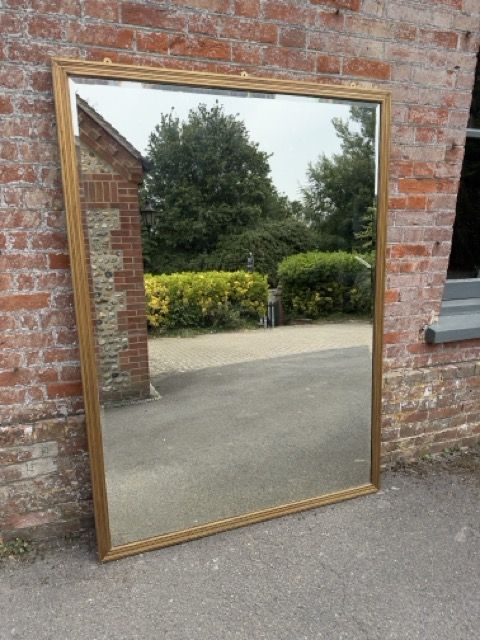
Large Carved Wooden Mirror
A large carved wooden mirror commands a room, bringing depth and substance to a wall through solid timber and hand-chiselled detail.
Large Carved Wooden Mirror
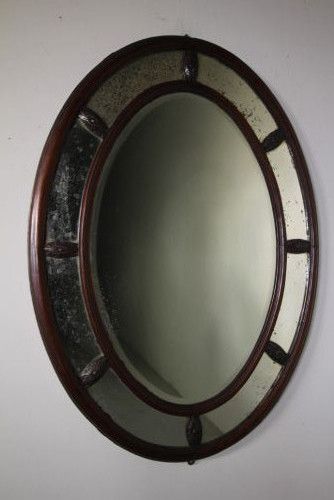
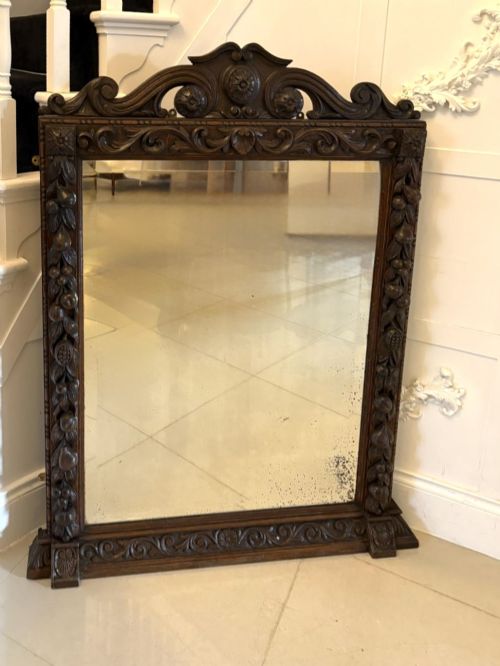
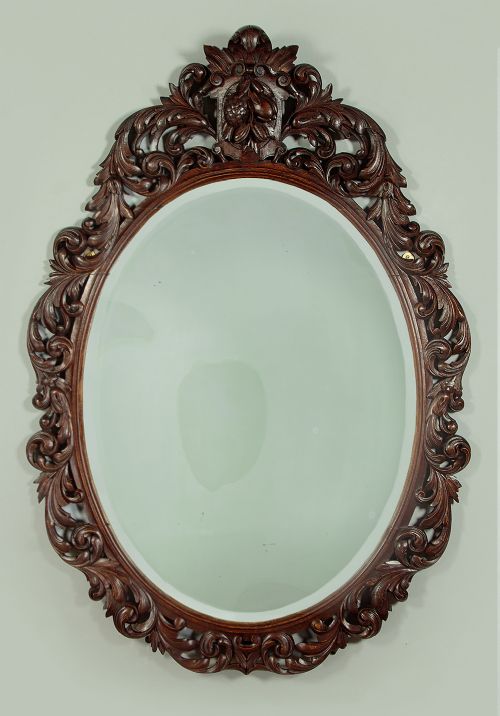
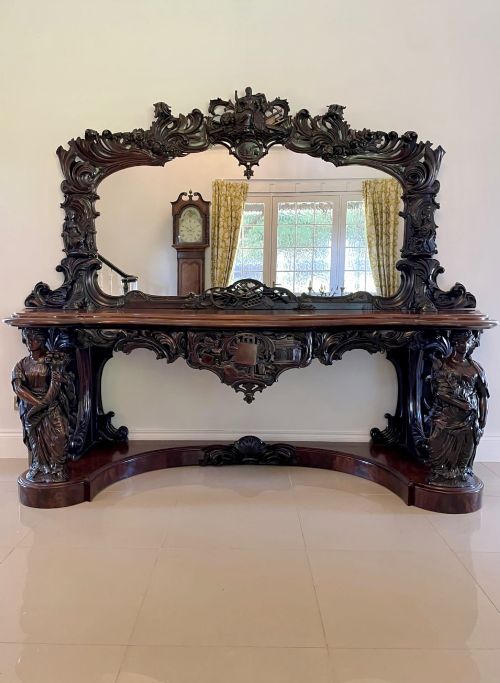
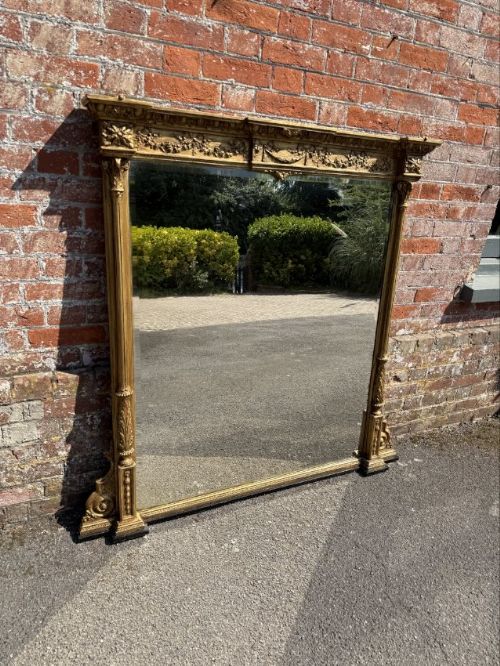
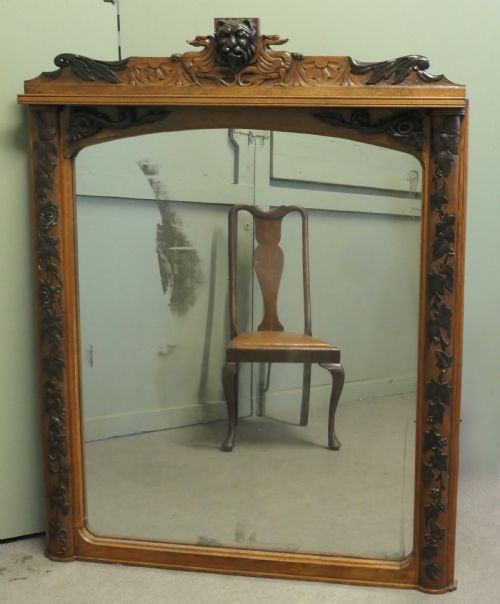
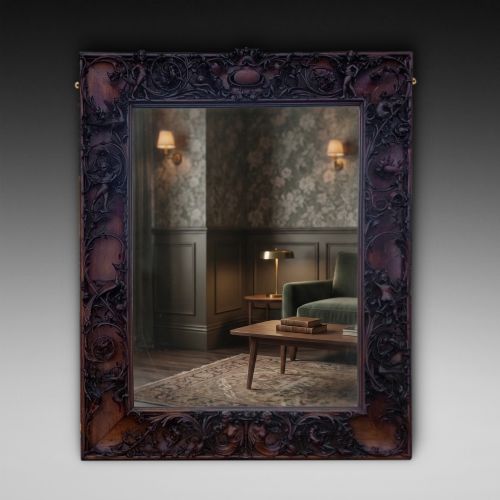
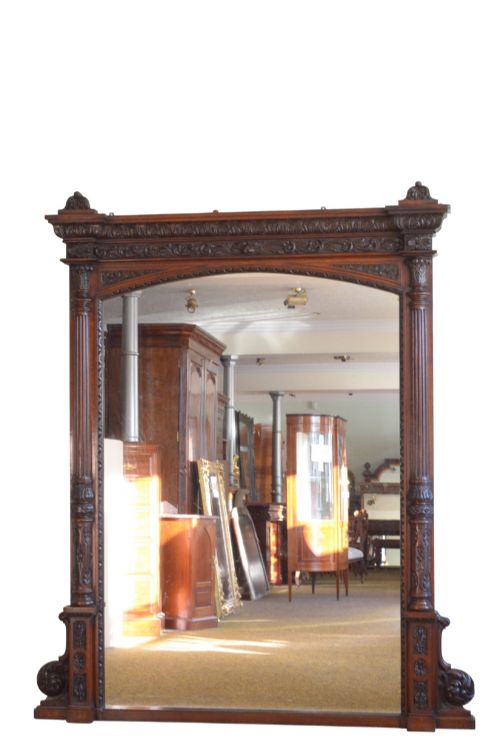
A large carved wooden mirror stands as a substantial furnishing designed to anchor a principal reception room, hallway or bedroom. When seeking a large carved wooden mirror, a buyer encounters wall mirrors, overmantel mirrors and triptych overmantel designs intended to sit above fireplaces or sideboards. The majority originate from the nineteenth century, encompassing Victorian and Edwardian periods alongside earlier Georgian survivals.
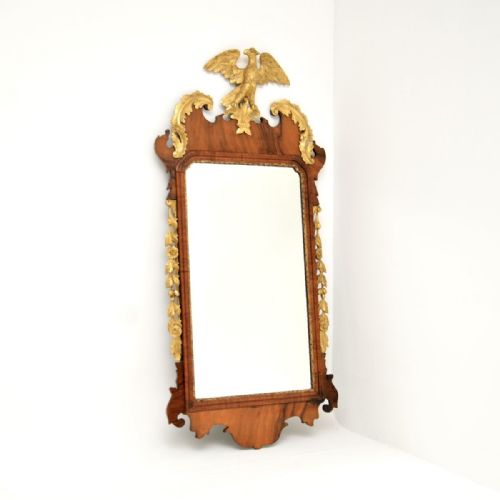
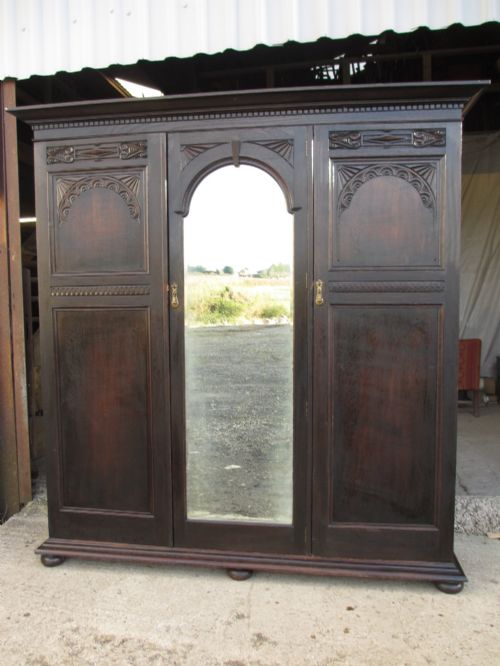
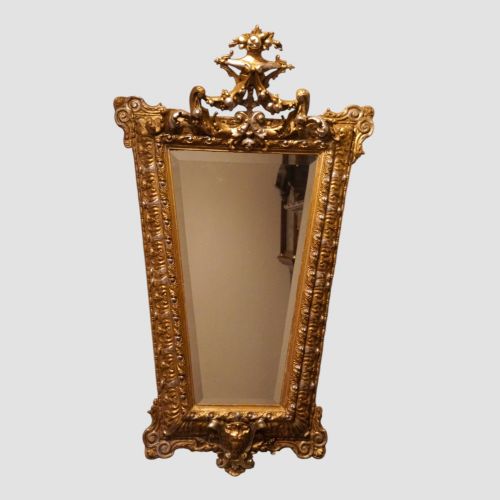
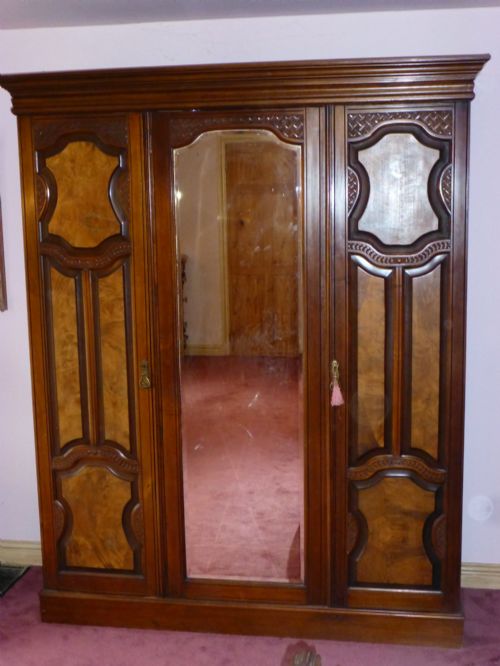
Makers and workshops constructed these objects from sturdy timbers including oak, mahogany, walnut and pine, often applying gilt, gesso or parcel gilt finishes. Forms range from simple oval and rectangular wall hangings to grand architectural overmantels featuring column frames, cresting and carved motifs such as birds, hunting scenes or dragons. Pieces also appear within wardrobe and armoire doors or as cheval and toilet mirrors.
The styles span Rococo Revival, Gothic, Arts and Crafts, Baroque Revival and Chippendale Revival, reflecting the historicism popular in British and continental interiors. Buyers find items shaped by specific decades, from the mid nineteenth century up to the early twentieth century, showing both vernacular country house utility and exhibition quality craftsmanship.
How they were made
Craftsmen built the foundations of these frames using solid hardwoods such as oak, mahogany, walnut and pitch pine, joined with traditional methods to support heavy glass plates. Timber was selected for grain and stability, then shaped by hand using saws, planes and chisels to create deep mouldings and structural carcases.
Carvers applied ornamental details directly into the wood or built up relief motifs using gesso over timber grounds before applying gold leaf, silver gilt or paint. Gilt and silvered finishes involved laying thin metal leaf onto prepared bole, while mirrors destined for overmantels or grand rooms incorporated turned columns, carved crests and parcel gilt highlights.
The inventory records wall mirrors, overmantel mirrors, cheval mirrors and wardrobe doors incorporating carved wood and gesso.
What varies in quality
Quality rests in the depth and crispness of the carving, distinguishing mass-produced decorative moulding from spirited hand-chiselled relief work found on exhibition pieces. The choice of timber underpins value, with burr walnut, figured mahogany and quarter-sawn oak displaying superior grain selection and stability.
The integration of secondary elements such as original mercury or bevelled glass plates, brass hardware and fire-gilt or silver-gilt surfaces elevates an example. Structural integrity in large overmantel frames and wardrobes indicates competent workshop assembly that survives centuries of wall hanging or freestanding use.
Holland and Sons·Maple and Co
The Large Carved Wooden Mirror Glossary
- Overmantel mirror
- A wide mirror designed to hang specifically on the chimney breast above a fireplace mantelpiece. These often match the proportions of the hearth below.
- Gesso
- A plaster-like mixture applied to wood frames to create a smooth surface for gilding or painting. Artisans carve and stamp intricate relief patterns directly into this ground.
- Parcel gilt
- A decoration technique where portions of a wooden or gessoed object are covered in gold leaf while other areas show the natural wood or paint beneath.
- Chippendale Revival
- A late nineteenth-century stylistic movement reproducing or reinterpreting the mid-eighteenth-century designs of Thomas Chippendale. Pieces in this taste often feature elaborate fretwork and cresting.
- Compactum wardrobe
- A fitted multi-section wardrobe combining hanging space, drawers and shelving within a single unified cabinet. These large pieces frequently incorporate central mirrored doors.
Large Carved Wooden Mirror: Frequently Asked Questions
Where should I hang a large carved wooden mirror?
These large wall and overmantel mirrors suit principal reception rooms, hallways or above drawing room fireplaces where their scale can reflect light and open up the interior space.
Ensure the wall construction and fixings can support the substantial weight of solid timber frames and heavy glass plates.
How do I date a nineteenth-century wooden mirror?
Examine the timber species, construction joints, backboards and the characteristics of the glass plate to determine the period of origin. Victorian and Edwardian examples often display distinct revival styles, such as Gothic or Arts and Crafts motifs, alongside period-specific hardware.
Comparing the carving technique with dated pieces in similar styles helps narrow down the decade of manufacture.
What is the difference between a wall mirror and an overmantel mirror?
An overmantel mirror is specifically proportioned to sit horizontally above a fireplace mantelpiece, often featuring architectural details like columns or cresting designed for that focal point. Standard wall mirrors can be hung vertically or horizontally on any flat wall surface.
Both forms utilise carved wooden frames but serve different architectural functions within period rooms.
How do I care for antique gesso and gilt surfaces?
Dust surfaces gently with a dry, soft cloth and avoid modern chemical cleaners that can strip delicate gold leaf or damage aged gesso grounds. Keep wooden frames away from direct sunlight and damp conditions to prevent timber movement and flaking.
Professional restoration should be sought if gesso chips or the wooden frame shows structural instability.