

Victorian Carved Wood Figures
Victorian carved wood figures bring tactile charm into a room, offering expressive animal studies and articulated models crafted by nineteenth-century artisans.
Victorian Carved Wood Figures
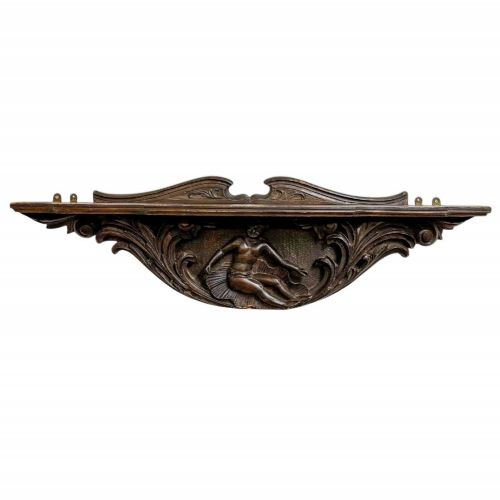
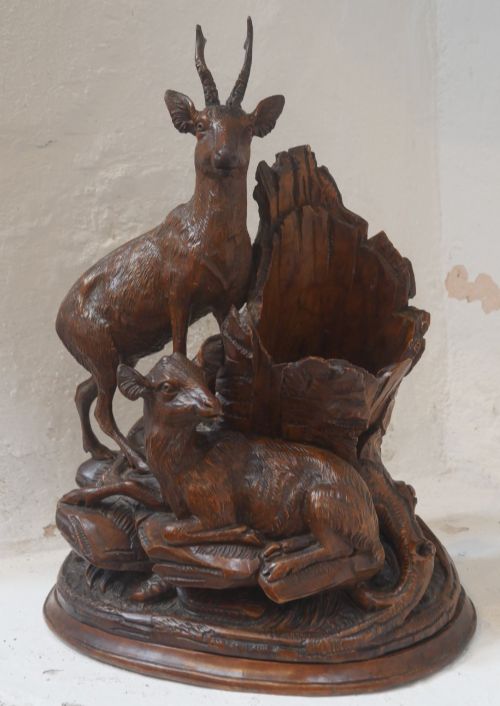
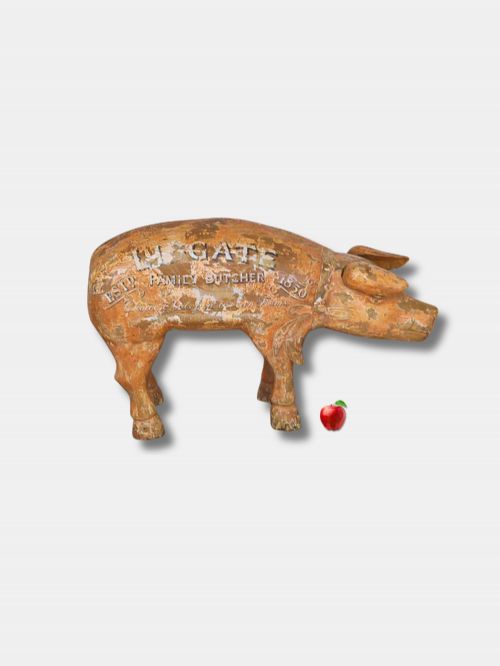
Victorian carved wood figures encompass decorative sculptures, animal groups, and functional items such as inkwells, nutcrackers, and coat hooks. These pieces date predominantly from the nineteenth century, spanning periods like the eighteen-eighties and eighteen-nineties alongside broader Victorian classifications.
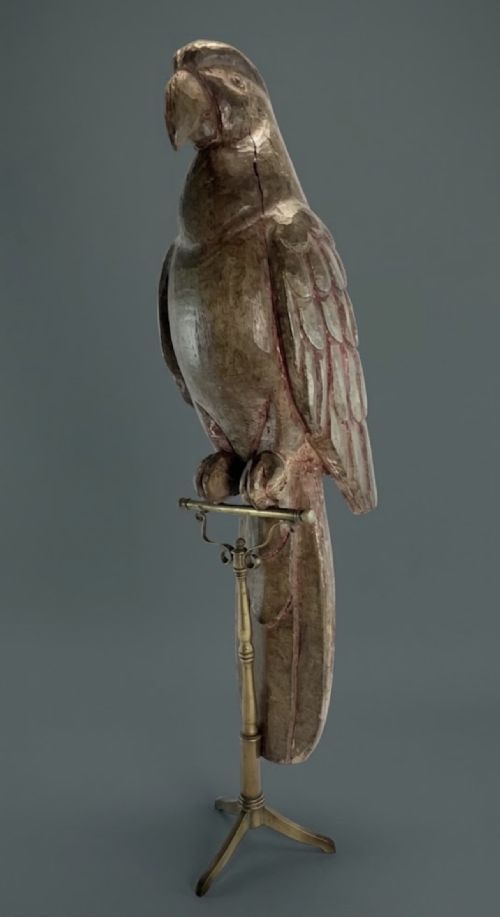
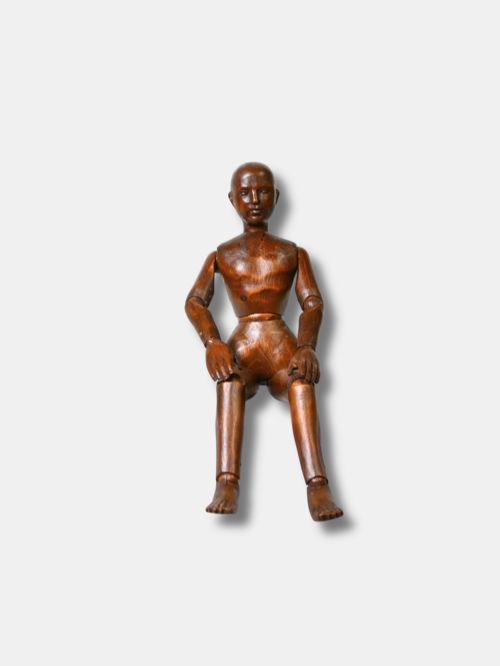
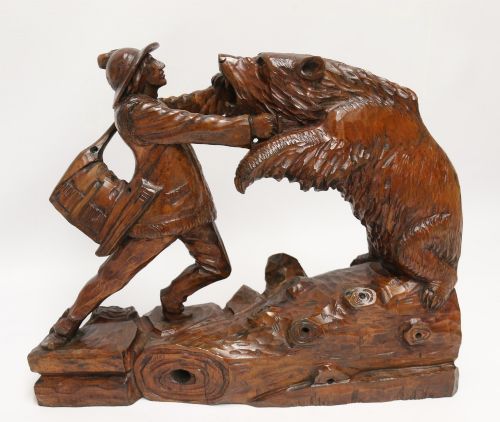
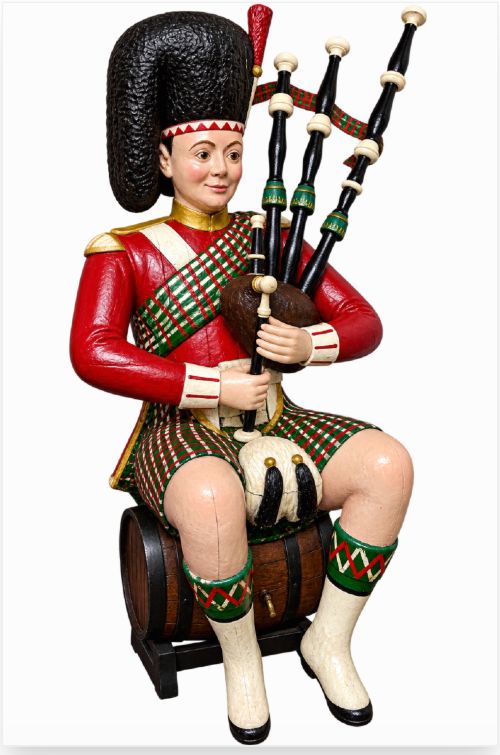
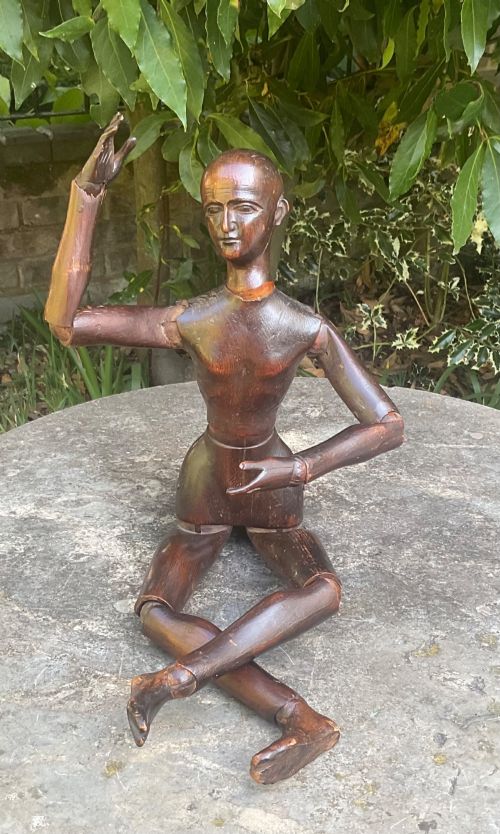
The most common subjects encountered among these items include Black Forest bears, birds, and human figures including monks, pipers, and artist lay figures. Origin styles stretch from European Black Forest workshops to French and English folk art traditions.
Buyers look for these carved wooden objects to add character and historical depth to interiors, valuing the hand-shaped texture of walnut, linden wood, and oak. Each piece reflects the specific decorative taste and functional utility of its decade.
How they were made
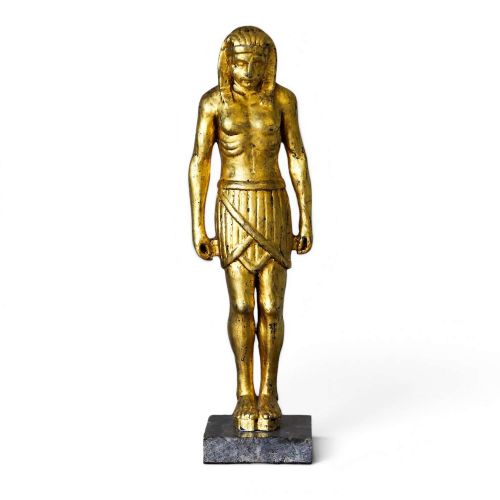
Makers utilised dense timbers such as walnut, oak, and linden wood to carve intricate details, leveraging the grain to give depth to fur, feathers, and drapery. Brass stands and granite bases occasionally supplement the wooden sculptures for stability or display.
Articulated human figures relied on precise joints and pegs to permit movement, whilst animal groups and utility objects were hand-chiseled from single blocks or assembled from multiple timber sections with careful finishing.
Listings feature items dated across the nineteenth century, utilising walnut, oak, mahogany, and linden wood.
What varies in quality
The success of a carving rests upon the depth of the chisel work and the naturalism captured in the subject, separating routine decorative items from masterworks. Naturalistic muscle structure in animal studies and fluid movement in human figures indicate superior craftsmanship.
The selection of timber grain also dictates quality, with well-figured walnut and fine linden wood providing a richer surface texture than plain or heavily painted substitutes.
J. HUGGLER
The Victorian Carved Wood Figures Glossary
- Artist lay figure
- An articulated wooden mannequin doll used by painters and sculptors to study drapery and human form. These figures feature movable joints held together by pegs or wire.
- Black Forest carving
- A style of wood carving originating from the Brienz region of Switzerland and the Black Forest in Germany. It is noted for realistic depictions of bears, deer, and alpine fauna in walnut and linden wood.
- Linden wood
- A pale, fine-grained timber commonly used by European carvers for detailed figurative work. It resists splitting and accepts crisp chisel marks.
- Figural lamp
- A lamp base shaped as a human or animal figure carved from wood or cast in metal. It integrates illumination with sculptural form.
- Socle base
- A short plain plinth or pedestal supporting a sculpture, candlestick, or figure. It elevates the carved object visually and physically.
Victorian Carved Wood Figures: Frequently Asked Questions
Where were Black Forest carvings made?
These decorative carvings originated primarily in Swiss and German forest regions during the nineteenth century, where woodworking was a major domestic trade.
Local artisans specialised in realistic animal sculptures, inkwells, and household items fashioned from walnut and linden wood.
How do I identify a nineteenth-century figure?
Dating relies on examining the tool marks, timber selection, and stylistic conventions typical of the period, such as Gothic Revival or folk art influences.
Wear patterns on the wood and the specific methods used to join limbs or bases also offer clues to the age of the piece.
How do I display carved wood figures?
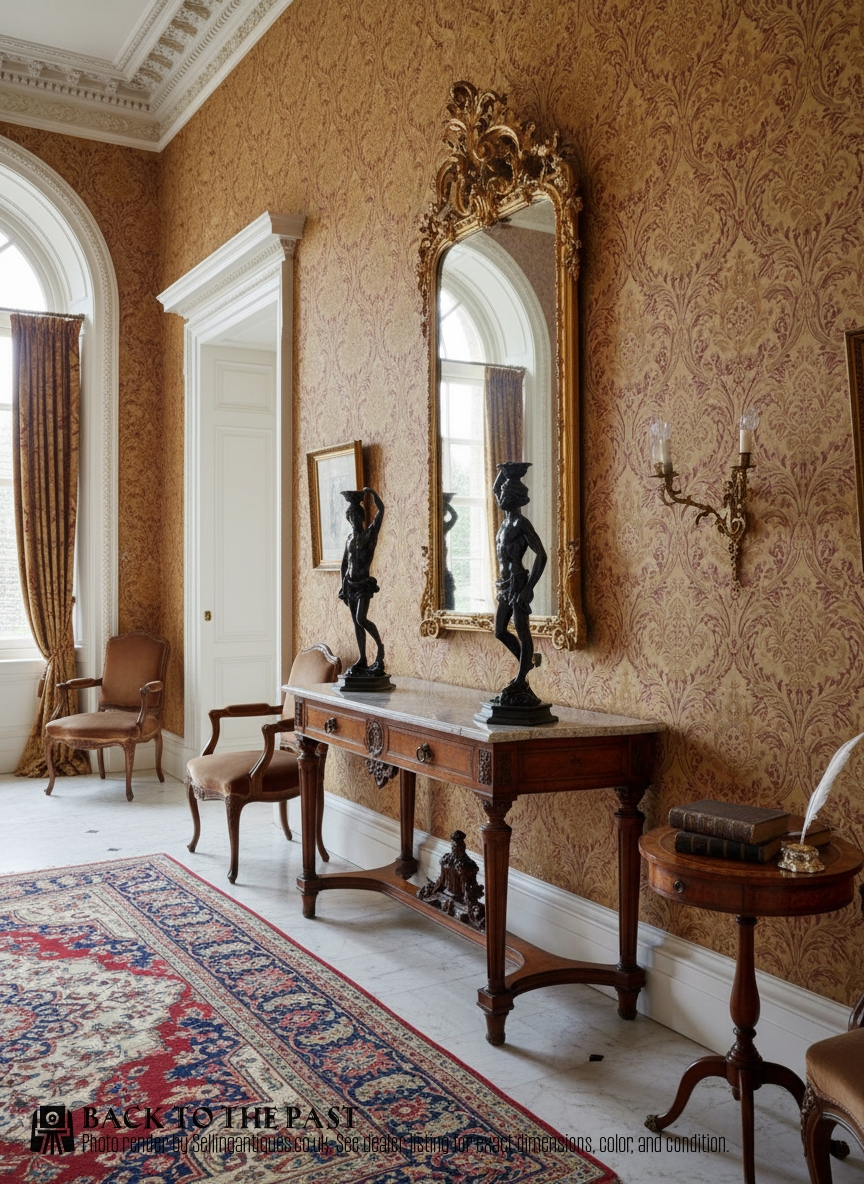
These sculptures suit placement on side tables, mantels, or dedicated pedestals where their three-dimensional form can be appreciated from multiple angles.
Keeping them away from direct heat sources and strong sunlight protects the timber from drying out or splitting.