

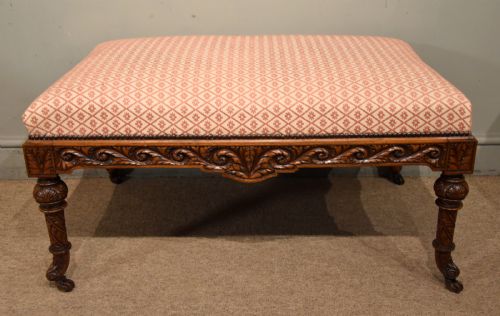
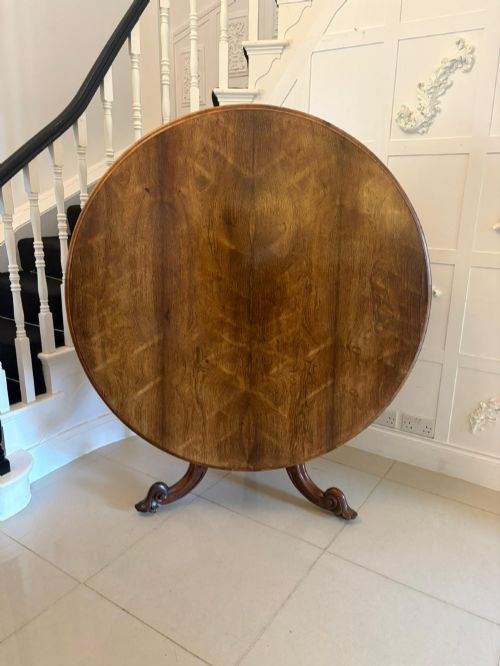
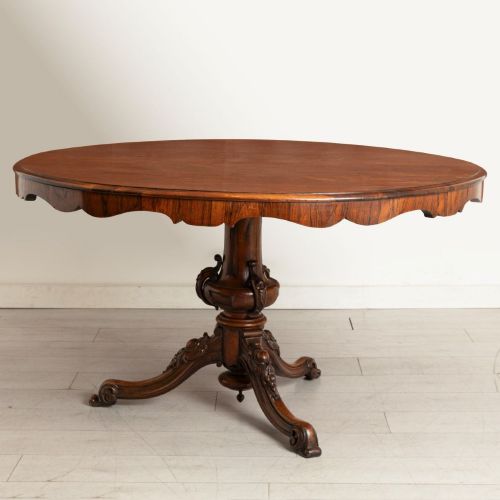
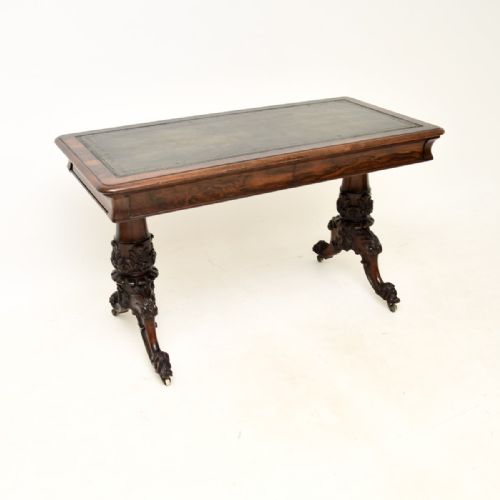
Victorian Carved Rosewood Table
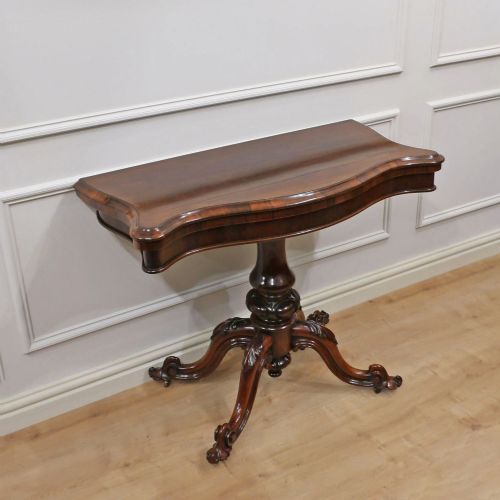
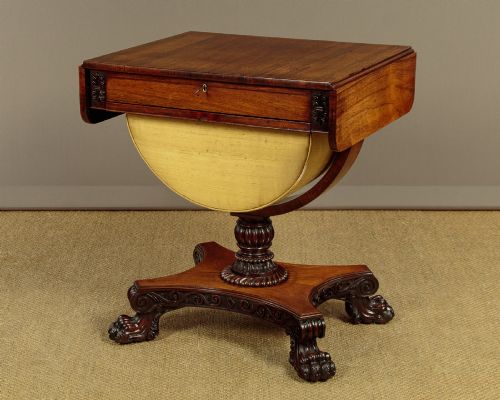
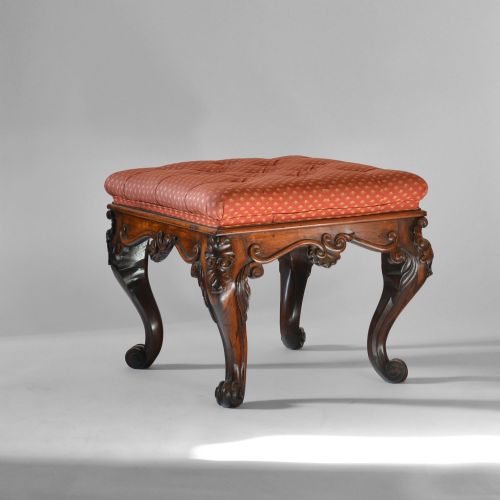
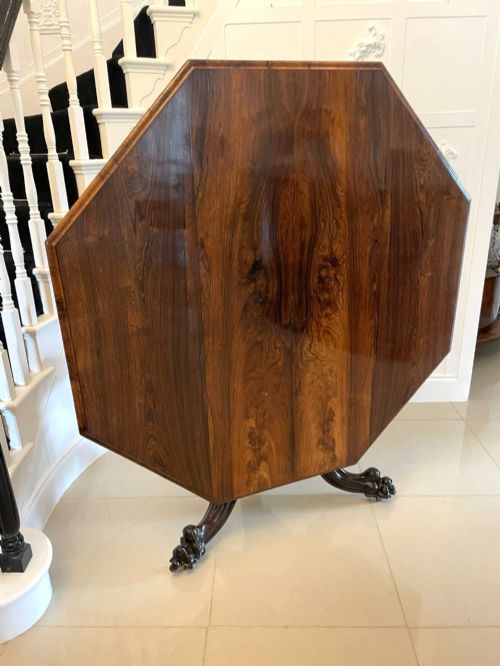
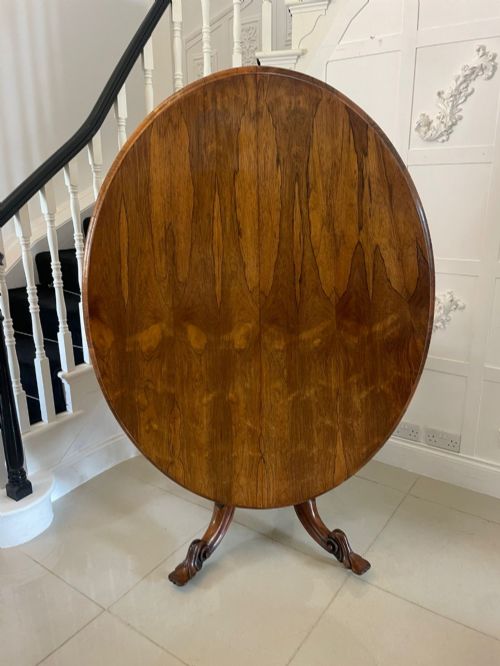
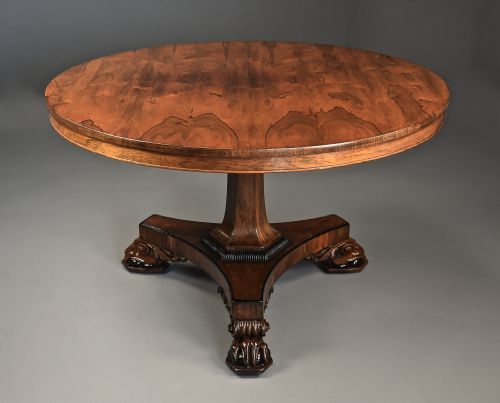
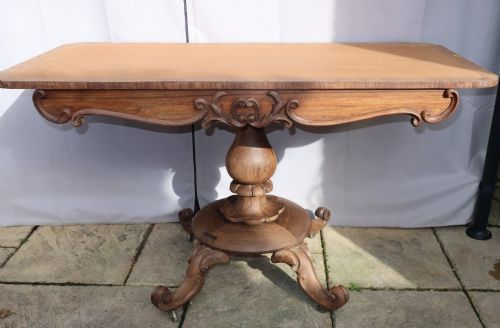
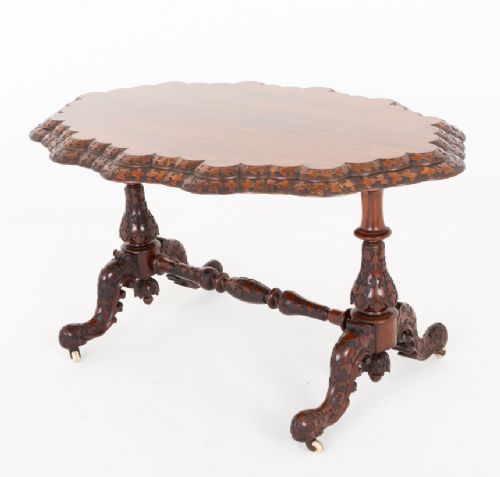
A victorian carved rosewood table brings rich timber grain and sculptural depth into a room, serving as a robust centrepiece built for daily use.
Victorian Carved Rosewood Table
A victorian carved rosewood table encompasses varied forms including centre tables, dining tables, card tables, and library tables produced during the nineteenth century. These pieces emerge from standard Victorian workshops as well as Anglo-Indian production centres, incorporating regional carving traditions into British domestic interiors.
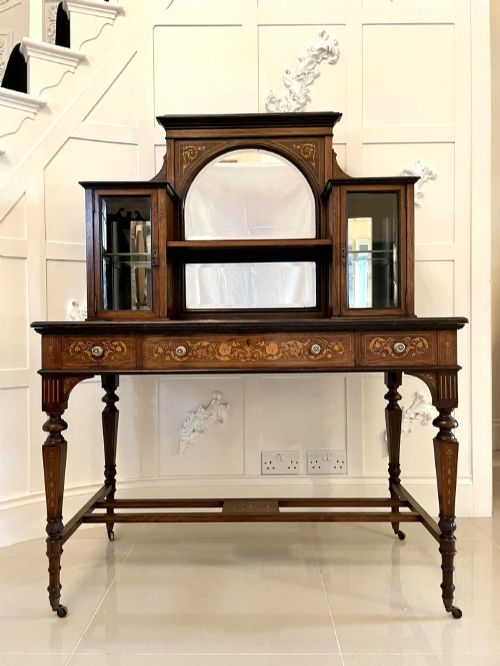
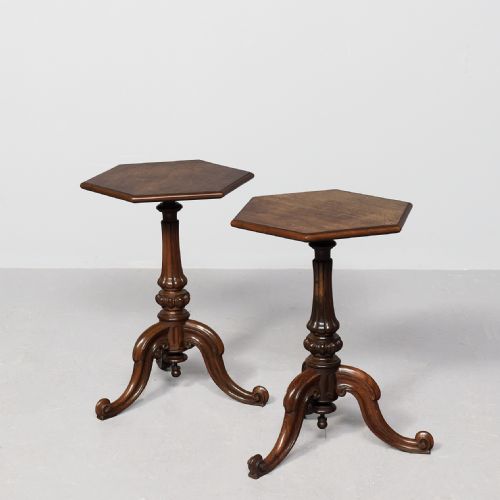
The most frequent examples found in these listings are circular dining tables, centre tables, and card tables resting on turned and carved pedestals. Side tables, occasional tables, and writing desks also appear regularly, reflecting the diverse domestic utility demanded in the nineteenth century.
Materials and Techniques
Makers utilised dense rosewood timbers, frequently pairing solid carved bases with veneered table tops laid over secondary woods like mahogany. Brass castors, leather inserts, and intricate bone or brass inlay appear on specific regional and domestic variants.
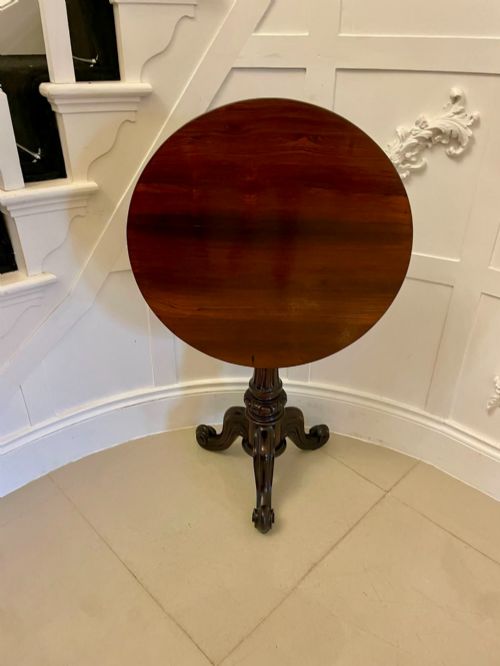
Joinery techniques relied on sturdy pedestals, tilt-top mechanisms, and mortise and tenon frames designed to support heavy timber tops. Hand-carved scrolling foliage, fluted columns, and shaped aprons demonstrate the manual skill applied during the Victorian period.
Several tables retain secret compartments beneath their folding tops, originally designed for storing stray playing cards and ivory counters.
Judging Quality
The standard of carving defines the upper tier of these tables, where deep, crisp relief work on pedestals and aprons reflects superior craftsmanship. Lesser pieces show shallow, mechanical tooling with softer botanical detail.
Timber selection and structural integrity also separate ordinary production from exceptional items. Dense, highly figured grain matched symmetrically across a table top and robust, wobble-free pedestals indicate higher workshop standards.
Gillows·Mein of Kelso·Liberty & Co
The Victorian Carved Rosewood Table Glossary
- Centre table
- A freestanding table finished on all sides so it can stand in the middle of a room rather than against a wall. These often feature elaborate pedestal bases.
- Tilt-top
- A table top hinged to the pedestal so it can tilt vertically for storage when not in use. This mechanism requires a secure brass or wooden latching catch beneath.
- Card table
- A folding table designed for evening games, typically containing a baize-lined playing surface that rotates and folds open over a concealed compartment. They were standard furnishings in nineteenth-century drawing rooms.
- Marquetry
- Decorative patterns formed by fitting contrasting veneers into timber surfaces. Geometric or floral motifs demonstrate meticulous hand-cutting.
Victorian Carved Rosewood Table: Frequently Asked Questions
What rooms suit a centre table?
A centre table works best in a spacious hallway, library, or living room where it can be walked around freely.
Because these tables are finished on all sides, they act as focal points that display decorative objects or lamps effectively.
How do I care for rosewood?
Rosewood requires stable humidity and protection from direct sunlight to prevent the timber from drying out or fading.
Apply natural beeswax occasionally and polish gently with a soft cloth to maintain the surface sheen.
What is a tilt-top used for?
The tilt mechanism allowed nineteenth-century households to store large dining or card tables flat against the wall when rooms needed to be cleared for dancing or other activities.
Today, this feature permits safe transport and showcases the timber grain of the underside.
How do I distinguish Anglo-Indian pieces?
Anglo-Indian tables typically feature dense, intricate overall carving, often incorporating octagonal tops, pierced fretwork, and bone or brass inlay reflecting regional craftsmanship from centres like Hoshiarpur.
They combine traditional British furniture forms with South Asian decorative motifs.