

Leaf Carved Side Table
These leaf carved side table examples combine practical surface space with traditional cabinetmaking, offering useful proportions and decorative timber surfaces for everyday rooms.
Leaf Carved Side Table
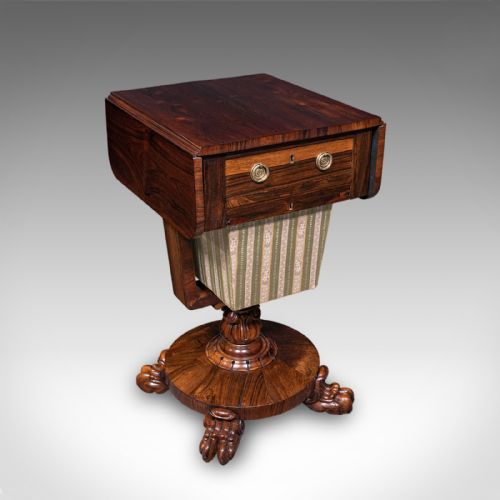
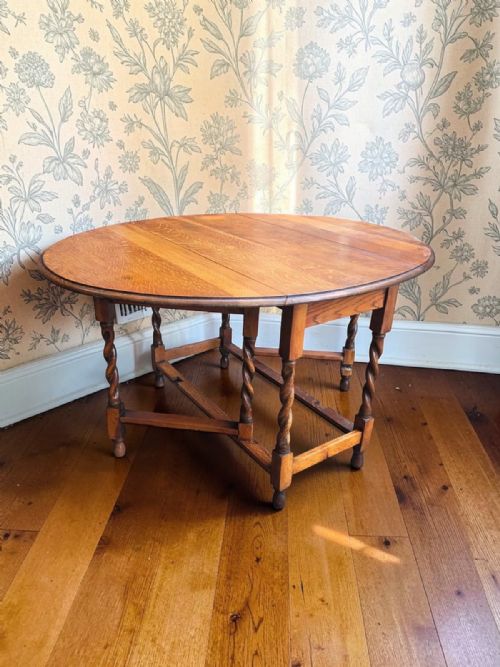
When you search for a leaf carved side table, you encounter diverse forms ranging from drop leaf Pembroke and gateleg designs to console and sofa tables. The period examples span from the seventeenth century through to the Edwardian era, reflecting shifting domestic habits and formal entertaining requirements.
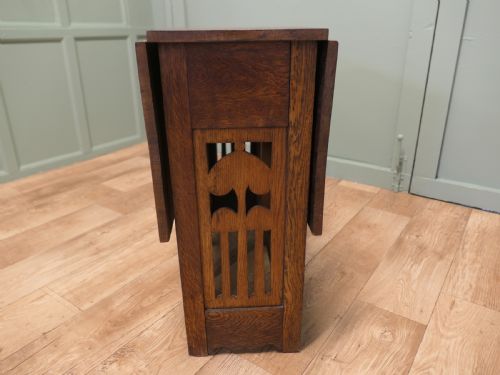
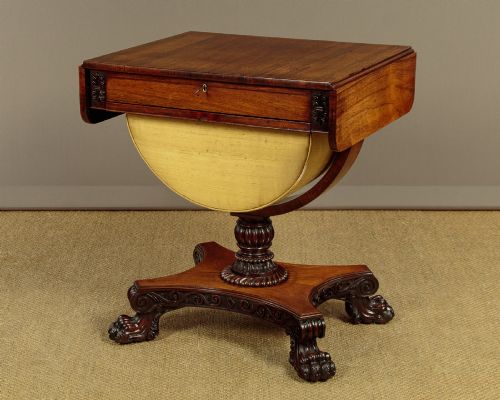
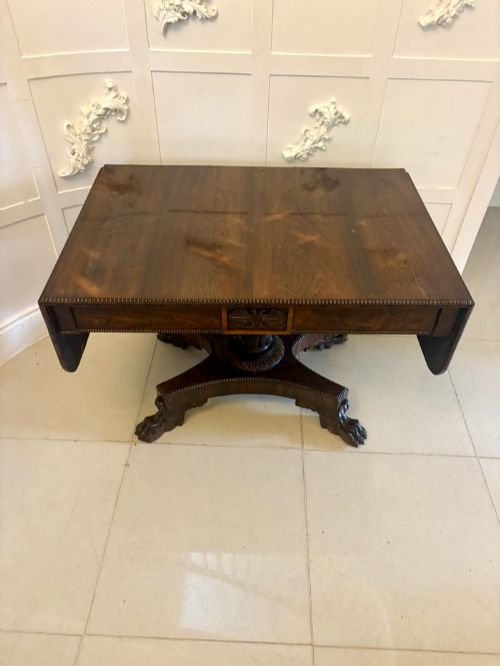
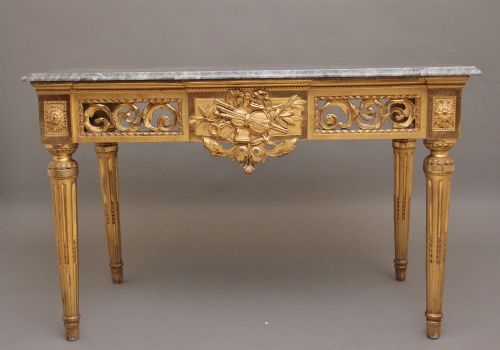
You are most likely to meet mahogany, oak, and walnut specimens on this page, alongside occasional rosewood and padauk pieces. These tables frequently incorporate drop leaves, gateleg mechanisms, or fixed marble tops supported by carved woodwork.
Origins vary widely across English provincial workshops, continental centres such as Italy and France, and Anglo-Indian production. Each region imparts distinct characteristics to the timber selection, carving depth, and overall structural silhouette.
Materials and construction methods
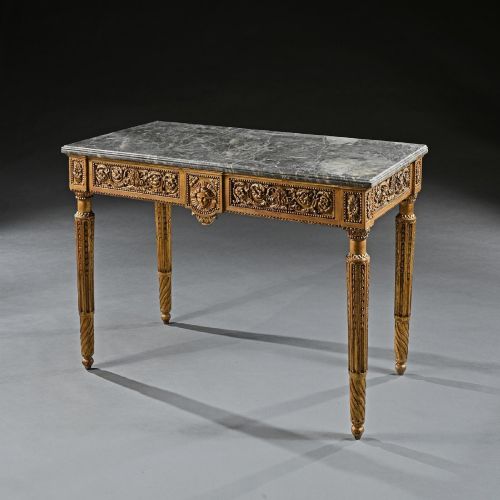
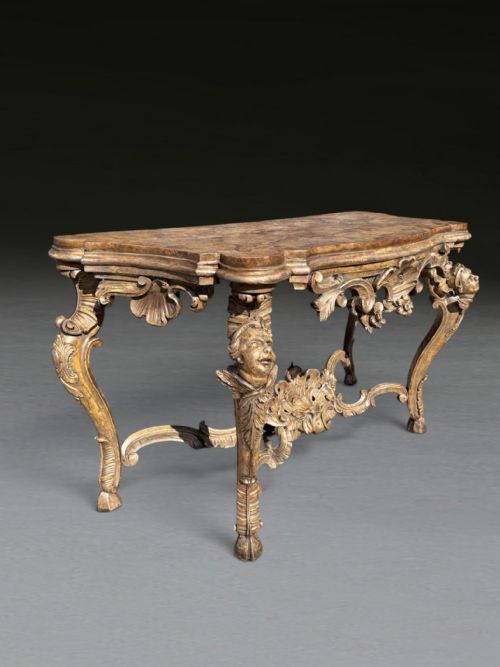
Cabinetmakers relied heavily on dense hardwoods like mahogany, oak, walnut, and rosewood, often choosing figured veneers or burr surfaces to create visual depth on table tops. Giltwood, gesso, and lime wood appear on continental console tables, paired frequently with solid marble slabs.
Joinery techniques combined traditional mortise and tenon frames with folding drop leaf hinges, gateleg pivot actions, and operable drawers for sewing or writing. Carved ornamentation, including leaf and acorn motifs, was executed directly into the solid timber or applied through gesso mouldings.
Several Victorian ladies found their sewing tables doubled as confidential repositories for stray buttons and secret correspondence.
Distinguishing quality across periods
The distinction between standard utility items and master cabinet work rests on the crispness of the hand carving and the selection of timber figures. Superior examples display deep, undercut foliage rather than shallow mechanical stamping, alongside well-matched timber grains across drop leaves and table tops.
Structural integrity and original surface finishes heavily influence the standing of a piece. Tables retaining their early patination, sound hinge mechanisms, and unwarped timber tops demonstrate superior survival and workshop pedigree compared to heavily restored equivalents.
Johnstone and Jeanes·Jean-Joseph Chapuis
The Leaf Carved Side Table Glossary
- Pembroke table
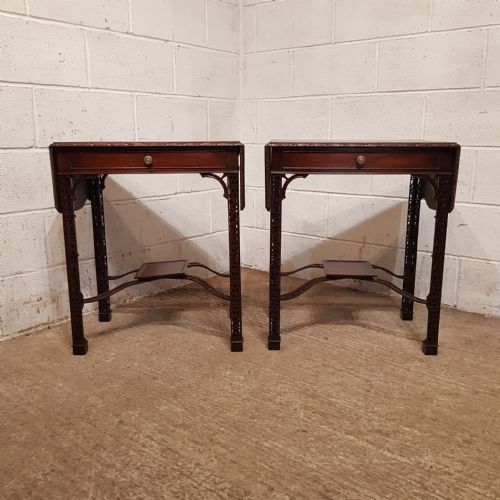
- A small table with two hinged drop leaves on opposing sides, introduced during the eighteenth century for breakfast or writing use.
- Sutherland table
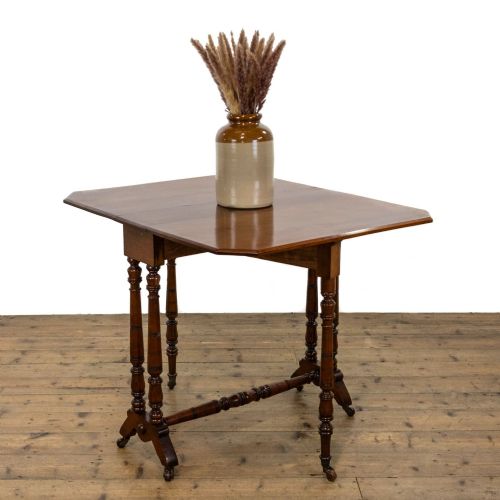
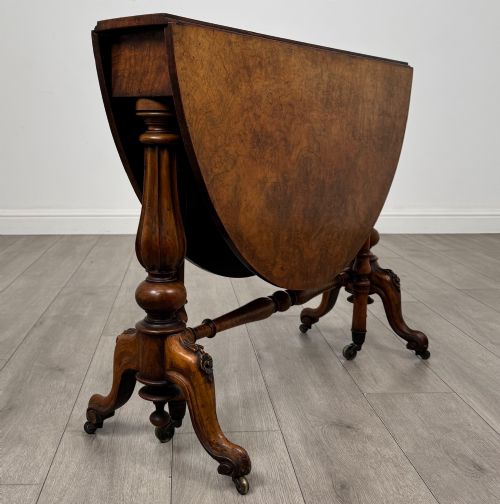
- A narrow table featuring exceptionally wide drop leaves and a slender gateleg framework designed to fold completely flat when not in use.
- Gateleg table
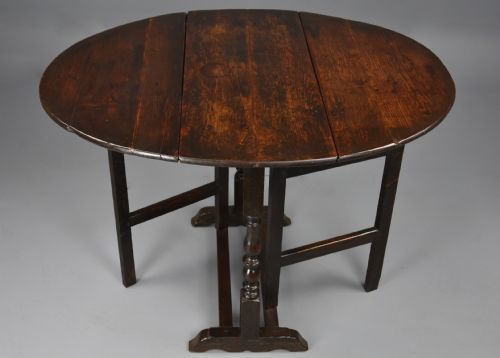
- A dining or occasional table supported by hinged legs that swing outward to hold up drop leaves.
- Console table
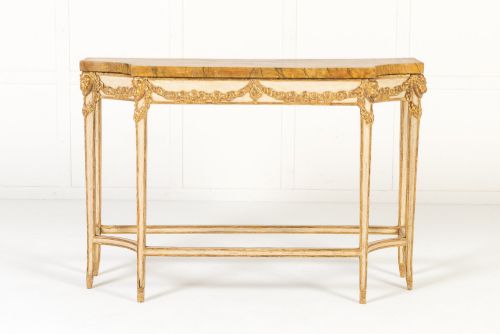
- A wall-mounted or freestanding table designed to stand against a vertical surface, frequently topped with marble and ornate giltwood framing.
- Patina
- The surface sheen and mellowing of colour acquired by timber over centuries of handling, exposure to light, and polishing.
- Marquetry
- Decorative veneer work arranged in geometric or pictorial patterns using contrasting woods.
Leaf Carved Side Table: Frequently Asked Questions
What is a Pembroke table?
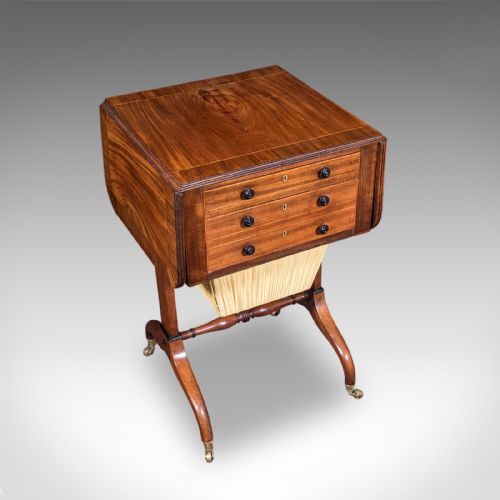
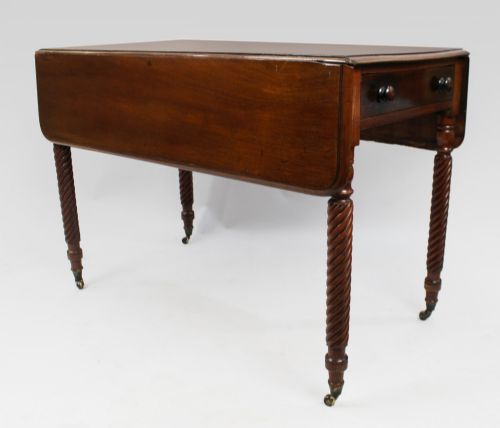
A Pembroke table is a compact occasional table featuring two hinged drop leaves on opposite sides. They were designed for versatility, easily moved around a parlour or used for writing and breakfast.
Most examples include one or two small drawers and slender legs, often terminating in castors. Their folding flaps allow them to occupy minimal space against a wall until needed.
How do I use a Sutherland table?
Sutherland tables function as space-saving occasional tables because their drop leaves drop almost vertically. When folded flat, the entire assembly takes up very little floor space in a drawing room or hallway.
Opening the gateleg supports on either side raises the wide leaves to create a sturdy surface for tea or books. They work well beside sofas or in corners where a full-sized table would prove too bulky.
How are 17th century tables different from Victorian ones?
Seventeenth-century tables are constructed primarily from solid oak with heavy turned supports, such as bobbin or barley twist legs, and sturdy gateleg actions. Their surfaces display deep patination and utilitarian construction suited to early dining and household tasks.
Victorian tables utilise softer or exotic timbers like walnut, rosewood, and mahogany with more refined decorative carving, including leaf motifs. They reflect industrial production methods and specialised domestic uses like sewing, games, and parlor entertaining.
What is a console table used for?
Console tables were traditionally designed to stand flat against a wall, frequently positioned beneath a mirror or in an entrance hall. They served a decorative and formal purpose in grand interiors.
Many period versions feature heavy marble tops and elaborately carved giltwood or painted bases. Their shallow depth ensures they do not obstruct pathway circulation in a room.