
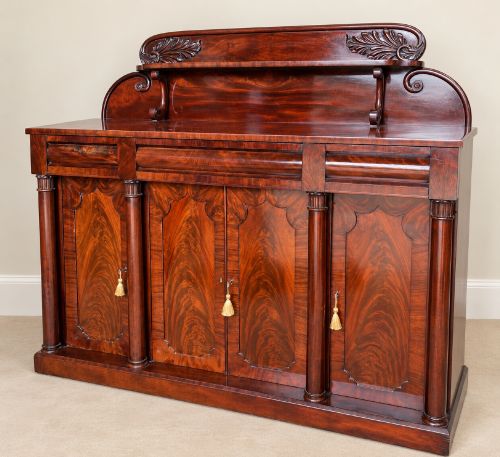
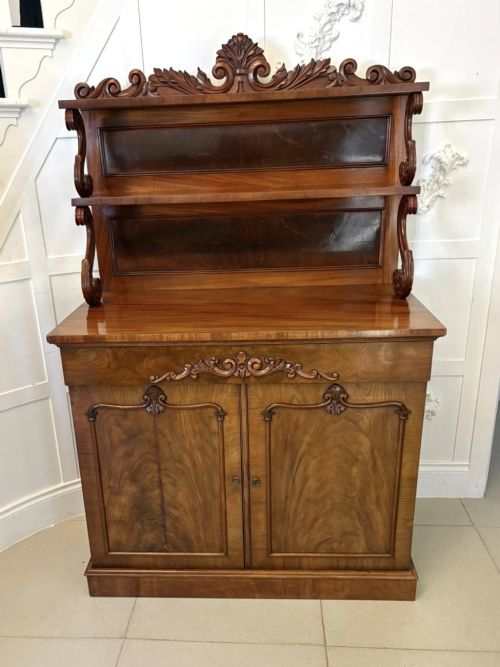
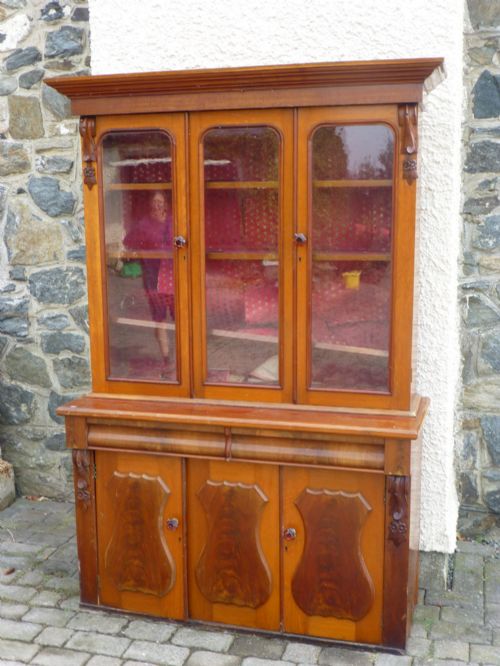
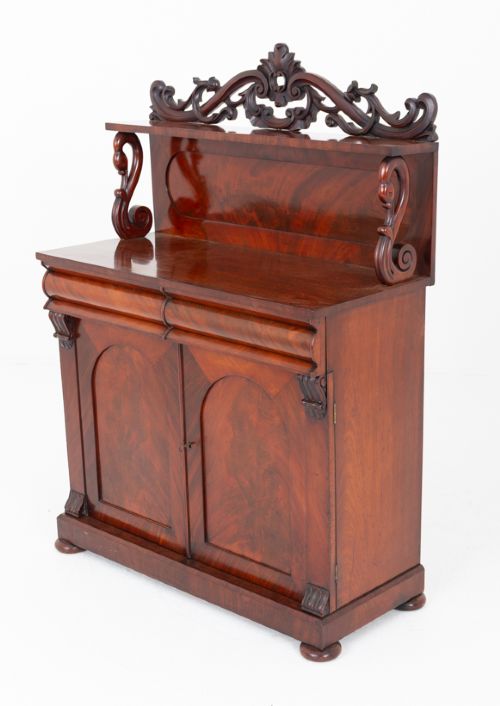
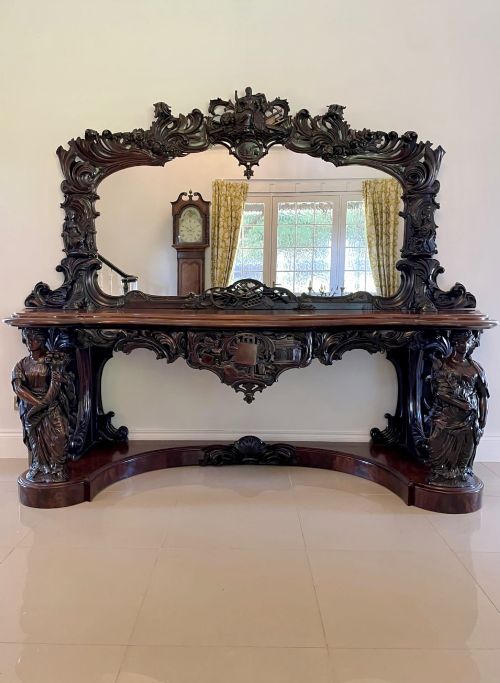
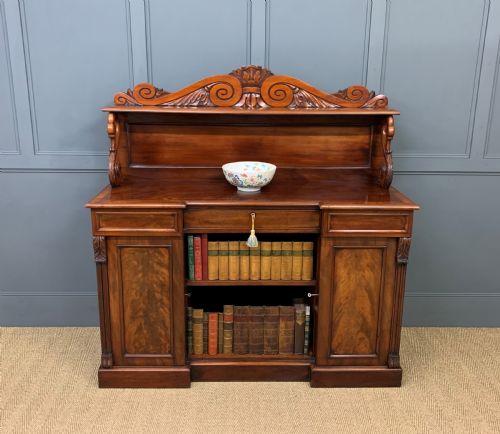
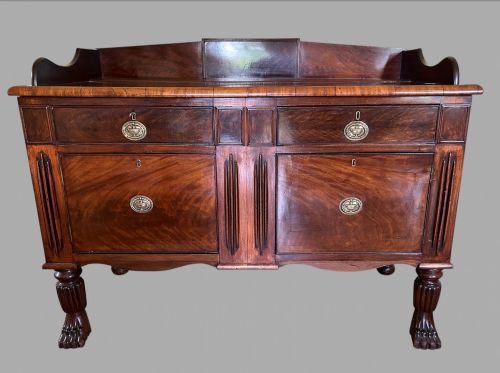
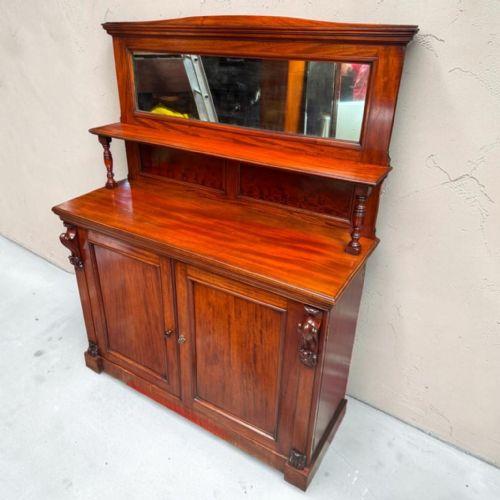
Victorian Carved Mahogany Sideboard
When you search for a victorian carved mahogany sideboard, you are looking at substantial dining room furniture built to anchor a formal interior.
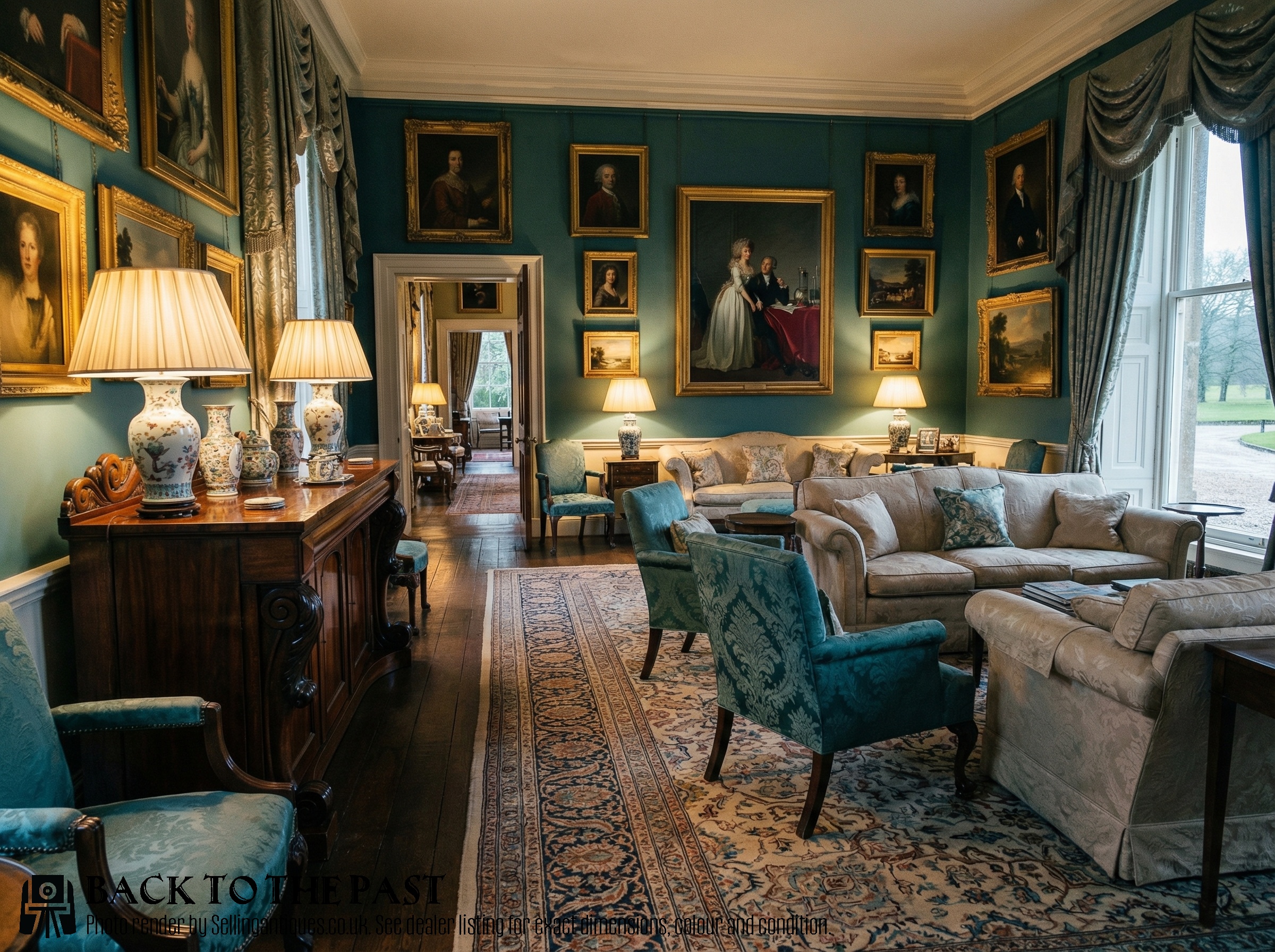
Victorian Carved Mahogany Sideboard
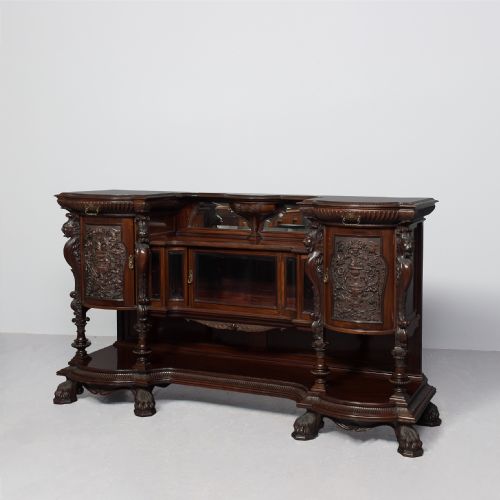
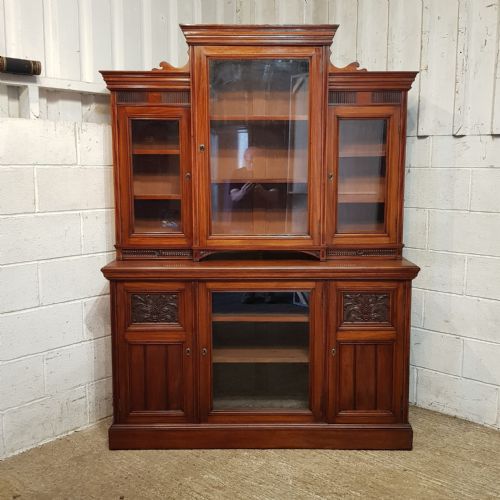
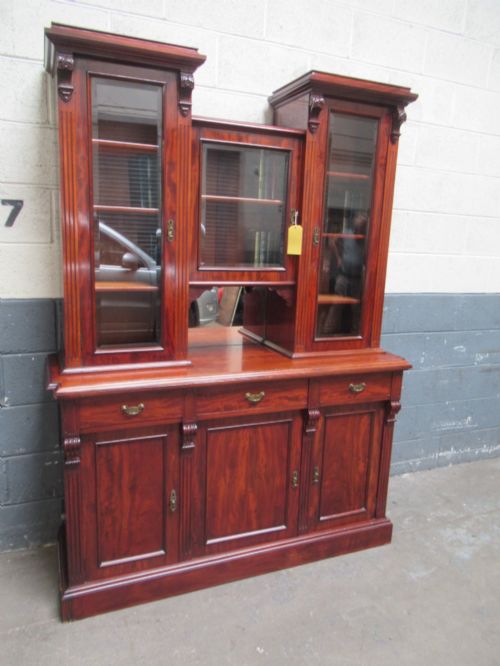
A victorian carved mahogany sideboard is a heavy dining room case piece designed for serving food and storing silver, linen, or wine. These items belong primarily to the nineteenth century, with strong representation from the eighteen-fifties, sixties, and eighties.
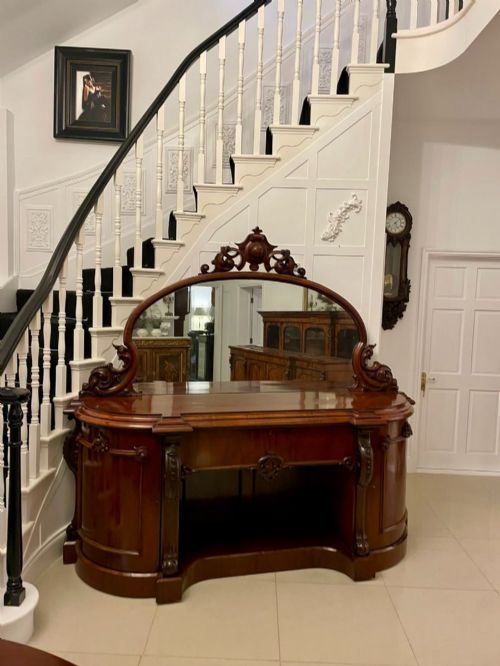
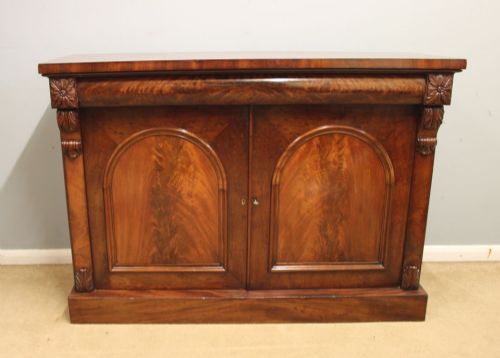
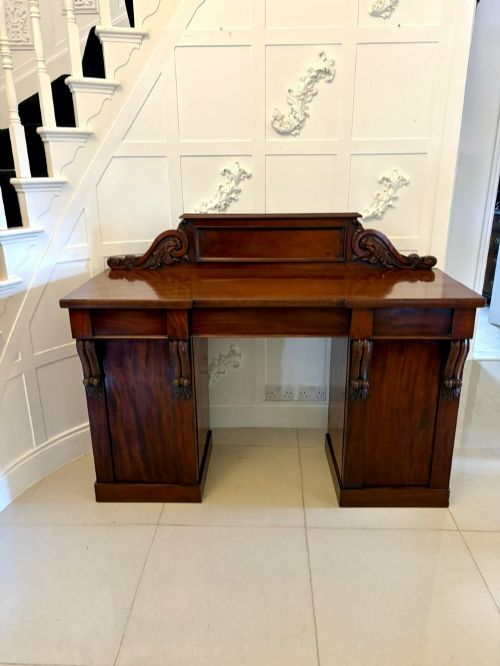
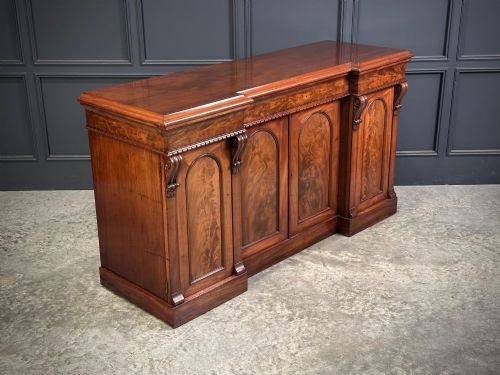
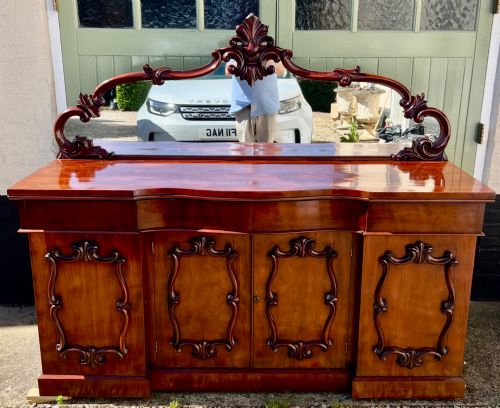
The version you are most likely to meet on this page includes a large mirror-backed superstructure, panelled cupboards below, and deep drawers. They appear as pedestals, breakfronts, and chiffoniers, frequently decorated with scrollwork, fruit, or foliage motifs.
Makers and workshops constructed these large dining items to command presence in a Victorian interior. The scale ranges from compact two-door cabinets to exhibition pieces spanning several feet with heavy timber framing.
How they were made
Cabinet makers utilised solid timbers alongside flame mahogany veneer to create deep, rippling grain patterns across the primary surfaces. Workshops applied these veneers carefully over stable secondary woods to achieve a rich figure.
Carvers worked the solid mahogany elements by hand, cutting deep scrolls, foliate trusses, and crests into the structural framing and mirror frames. Metal brass handles and mirror glass completed the construction.
Victorian Carved Mahogany Sideboard Retail Price Guide 2026
Typical asking prices for victorian carved mahogany sideboard among the pieces listed under this phrase on Sellingantiques today, from the lower quarter to the upper quarter. They describe what is for sale here now, not the wider market.
Several mirrors still hold the faint, ghostly shimmer of Victorian dining rooms deep within their original glass.
What varies in quality
The depth and crispness of the hand carving separate standard production from exhibition pieces. Superior examples display undercut foliage and finely detailed scrolls rather than shallow machine-moulded decoration.
The choice of timber grain governs visual impact. Pieces featuring highly figured flame mahogany veneers across matching doors and drawers command greater visual presence than plain stock timber.
Gillows·Robert Strahan & Co
The Victorian Carved Mahogany Sideboard Glossary
- Flame mahogany
- A veneer cut from the fork of the mahogany tree to create a distinctive, flickering flame pattern. Cabinet makers reserved this timber for drawer fronts and primary display surfaces.
- Mirror back
- An upright wooden superstructure holding a large glass plate attached to the rear of the sideboard. This feature reflects light and room interiors.
- Breakfront
- A cabinet design where the central section projects forward from the flanking cupboards. This arrangement creates depth and shadow across the front elevation.
- Chiffonier
- A compact sideboard equipped with enclosed lower cupboards and often a small shelf back. These pieces served smaller dining rooms or drawing rooms.
- Pedestal sideboard
- A heavy form featuring two large floor-standing pedestals connected by a central drawer or serving surface. They represent the grander end of dining room furniture.
Victorian Carved Mahogany Sideboard: Frequently Asked Questions
Where did these sideboards sit in a Victorian home?
These large pieces stood against the dining room wall, directly behind or near the main dining table. Households used the top surface for serving dishes and displaying silver during meals.
The cupboards and drawers below held dining linen, cutlery, and glassware, keeping everything close at hand for large dinner parties.
How should I care for the mahogany timber?
Keep the wood away from direct heat sources and strong sunlight to prevent the flame mahogany veneer from drying out or splitting over time. Polish the surface occasionally with traditional beeswax.
Avoid using modern silicone sprays, which build up a greasy residue on antique finishes and attract dust to the carved details.
How do I spot a mirror-back addition?
Examine the timber joints where the upright mirror frame meets the base cabinet to ensure the construction methods match the period. Original mirror-backs share the same timber ageing, secondary woods, and fixing techniques as the lower cupboards.
Check the mirror glass itself for appropriate foxing, thickness, and bevel details consistent with nineteenth-century glass manufacturing.