



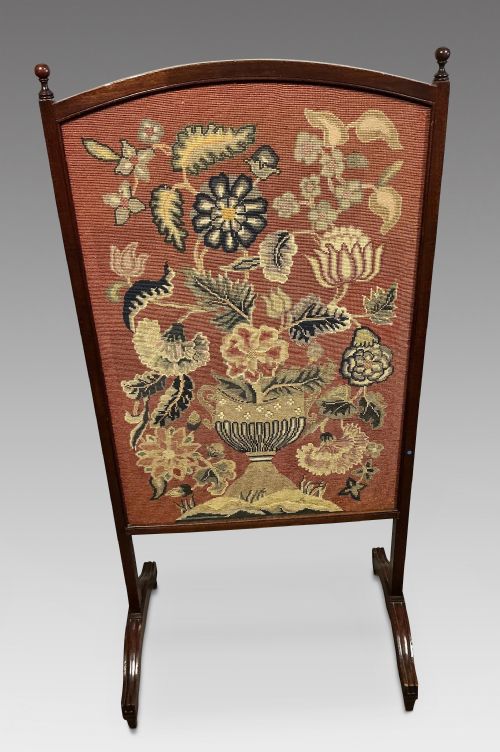


Victorian Carved Hearth Guard
These victorian carved hearth guard pieces bring period warmth and texture to a room, offering practical protection while displaying fine craftsmanship.
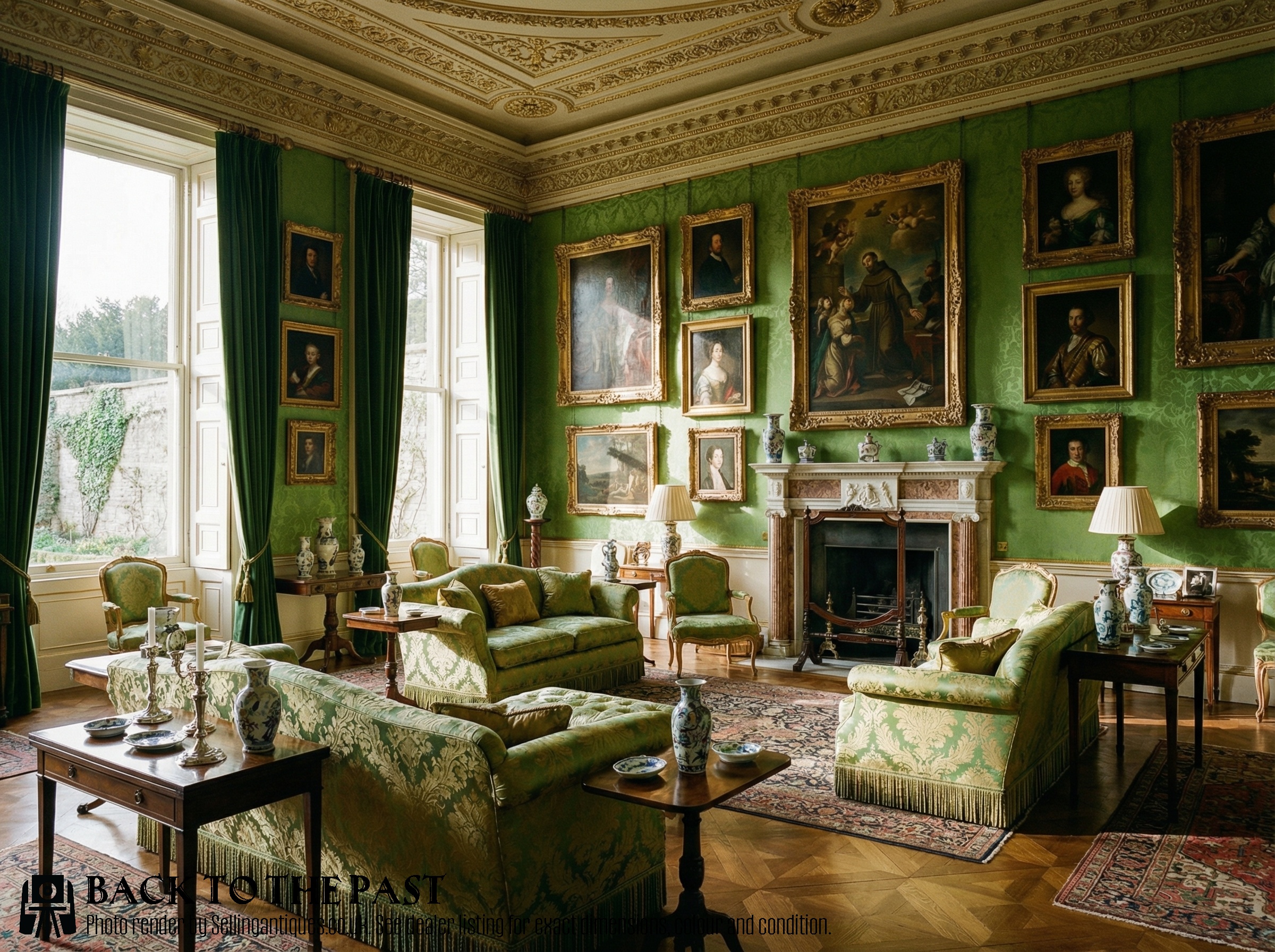
Victorian Carved Hearth Guard
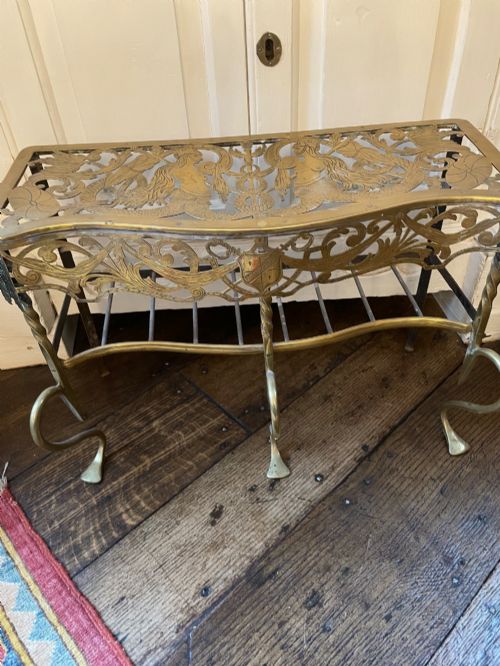
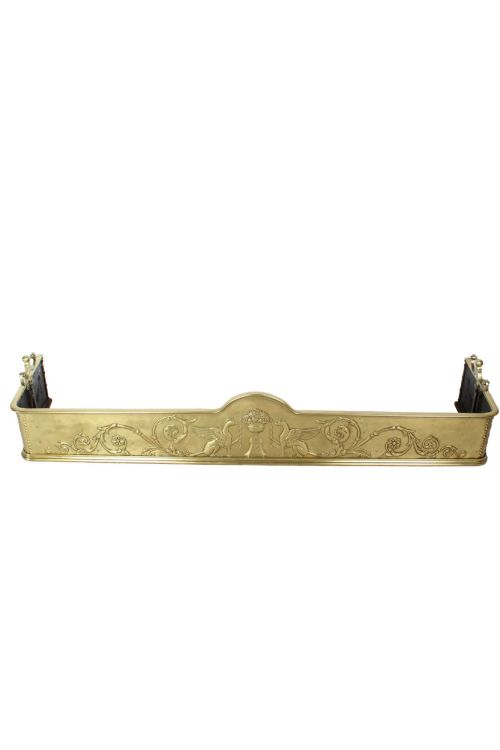
A victorian carved hearth guard encompasses firescreens and fireplace fenders designed to shield the room from excessive heat and direct sparks. These pieces range from upright screens with textile panels to heavy metal and timber fenders placed directly on the floor. Most examples on this page date from the nineteenth century, including specific periods like the Victorian era alongside occasional Georgian or seventeenth century elements.
The dominant forms are fire screens and fireplace fenders, often incorporating standing frames or low hearth boundaries. Wood frames frequently feature elaborate carvings in walnut, mahogany, and oak, while metal variants utilise brass, cast iron, and polished steel. Some designs integrate adjustable mechanisms, glass inserts, or folding doors to alter the screen's coverage.
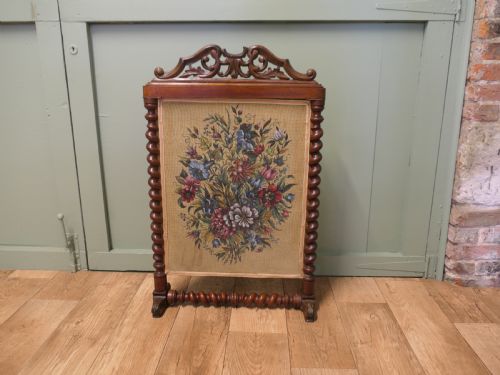
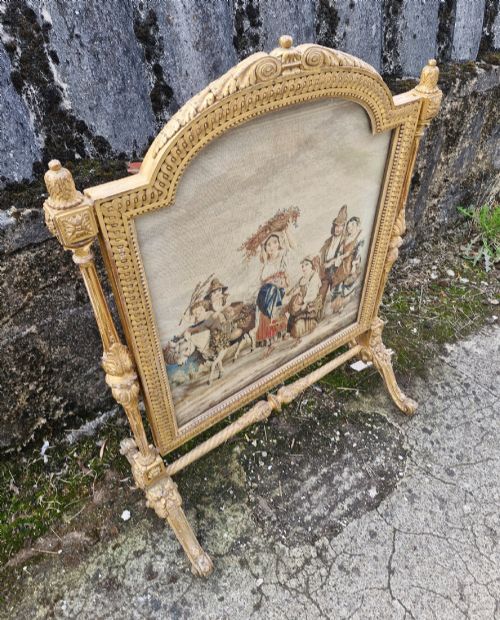
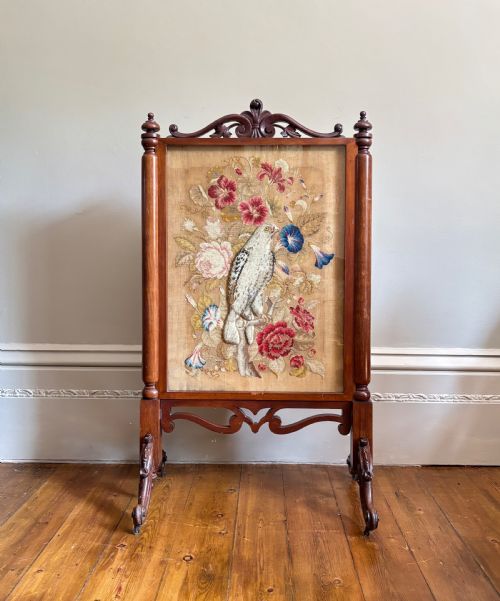
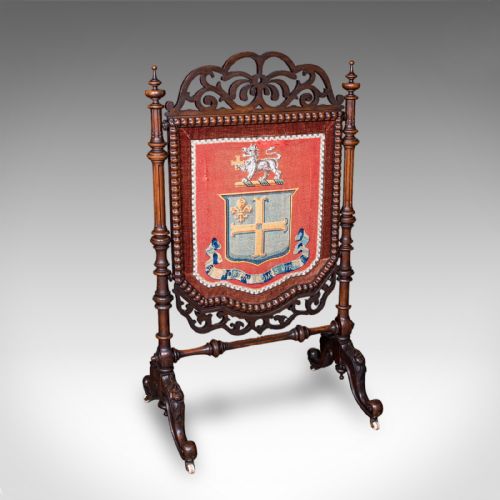
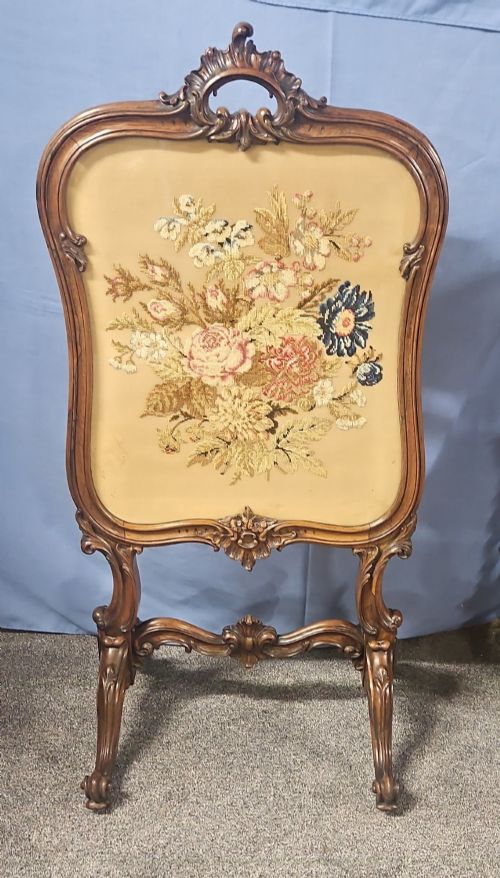
Textiles play a major structural and decorative role within these objects, featuring wool, silk, canvas, and needlepoint panels. Many screens display detailed Berlin work, tapestries, or embroidered coats of arms such as the Clan Maclellan or Hubrecht family insignia. The stylistic range spans from Rococo Revival and Dutch Renaissance Revival to Black Forest and Victorian Neoclassical aesthetics.
Construction and Materials
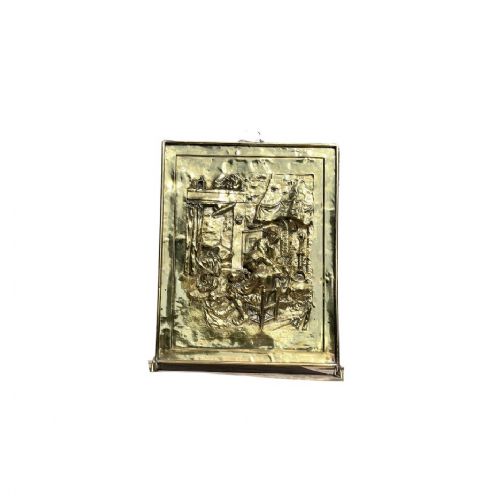
Makers shaped the structural framework of a victorian carved hearth guard using dense hardwoods like walnut, mahogany, and oak, applying hand-carved details to the timber. Bobbin turning and figurative woodwork give certain frames distinct architectural depth. Metal elements in brass, cast iron, and polished steel were cast, embossed, and chased to produce decorative floral and dragon motifs.
Panel construction combined sturdy wooden frames with textile inserts such as needlepoint, wool, silk, canvas, and Berlin work embroidery. Etched or plain glass plates also appear within specific movable screen designs. These diverse media were secured into the main frame to withstand the heat of an active fireplace.
Victorian Carved Hearth Guard Retail Price Guide 2026
Typical asking prices for victorian carved hearth guard among the pieces listed under this phrase on Sellingantiques today, from the lower quarter to the upper quarter. They describe what is for sale here now, not the wider market.
Listings feature wood, metal, glass, and textile items spanning the nineteenth century, including specific dates from 1850 to 1900 alongside Georgian and seventeenth-century works.
Judging Quality
Quality rests upon the depth and execution of the woodwork, whether the frame displays crisp hand-carved details or simpler machine shaping. Heavier gauge metals and intricate chased or embossed patterns on brass and steel fenders indicate superior workshops. The complexity of the integrated tapestry, needlepoint, or embroidered panel also distinguishes finer items.
Mechanical integrity defines the better adjustable screens and fenders, ensuring moving parts operate smoothly without structural wobble. The cohesion between the chosen timber, such as solid walnut or mahogany, and the accompanying textile or glass insert reveals the maker's original ambition.
The Victorian Carved Hearth Guard Glossary
- Berlin work
- A style of counted-thread embroidery popular during the nineteenth century, frequently used for colourful wool panels set into firescreens.
- Fender
- A low metal barrier placed on the hearth around a fireplace to contain rolling embers and protect the room.
- Pole screen
- An upright vertical panel mounted on a slender wooden pole that can be slid up and down to block radiant heat from the fire.
- Needlepoint
- A type of canvas embroidery executed with yarn, commonly seen depicting heraldic crests, florals, and figural tapestries in period screens.
- Chased
- Metalwork decorated by hammering or indenting patterns into the surface from the front rather than cutting material away.
Victorian Carved Hearth Guard: Frequently Asked Questions
What is a firescreen?
A firescreen is an upright piece of furniture placed before a fireplace when not in use to block unappealing hearth views and shield occupants from lingering drafts. They typically consist of a decorated panel supported by feet or a central pillar.
Most examples utilise wooden frames housing embroidered textiles, tapestries, or glass panels that reflect or absorb residual warmth from the hearth.
How do I use a hearth guard?
Hearth guards and fenders sit directly on the floor surrounding the fireplace opening to keep stray embers safely contained within the hearth area. Upright screens stand slightly forward to deflect heat.
Position them to frame the fireplace opening, ensuring that delicate textiles on adjustable screens remain safely distanced from active flames.
Are these pieces adjustable?
Certain nineteenth-century designs feature movable frames, sliding panels, or hinged doors that alter the height and width of the screen coverage. These mechanisms allowed users to control the amount of heat or light blocked.
Examine the mounting points on pole screens and framed doors to see how the inner panel shifts vertically or swings outward.
What materials are common?
The primary structural materials are hardwoods like walnut, mahogany, and oak, alongside metals such as brass, cast iron, and polished steel. Frames often support textile panels.
Needlepoint, wool, silk, canvas, and etched glass frequently form the central viewing or decorative surface within the wooden or metal framework.