


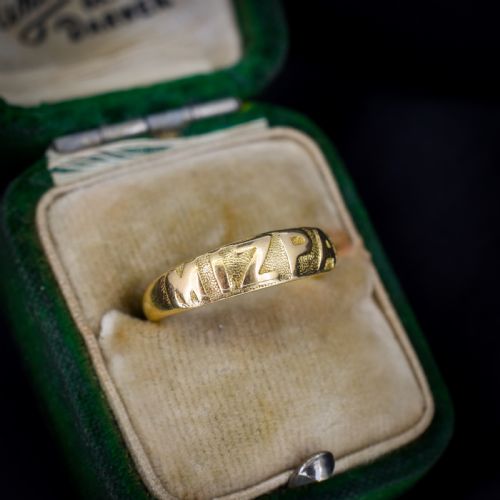
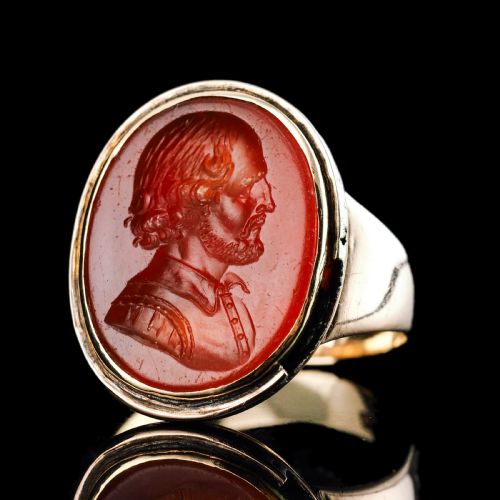
Victorian Carved Gold Ring
A victorian carved gold ring brings together intricate metalwork and enduring precious stones, offering the charm of nineteenth-century craftsmanship for modern wear.
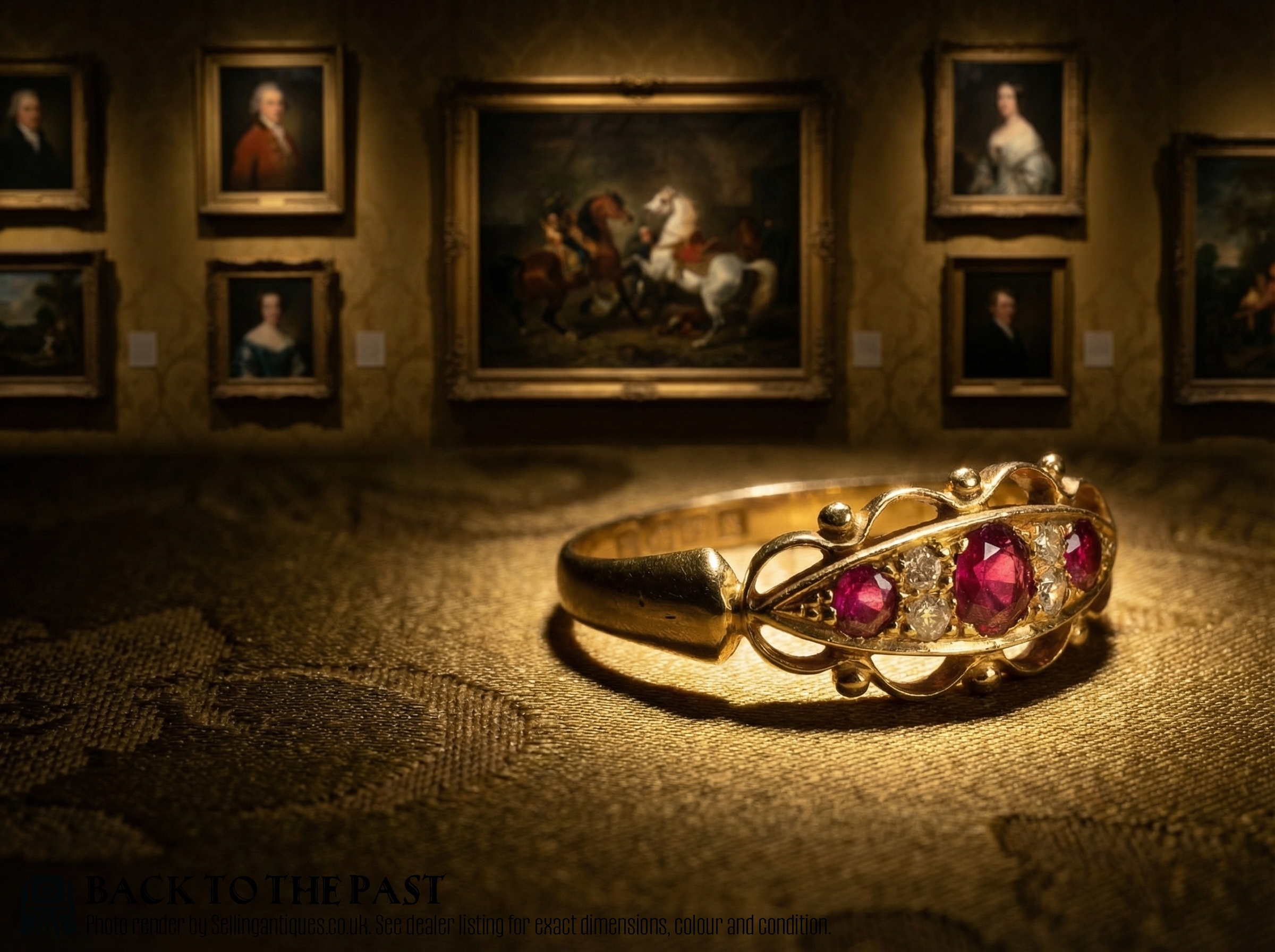
Victorian Carved Gold Ring
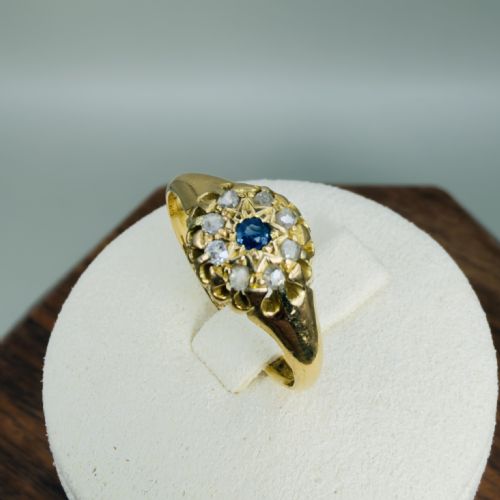
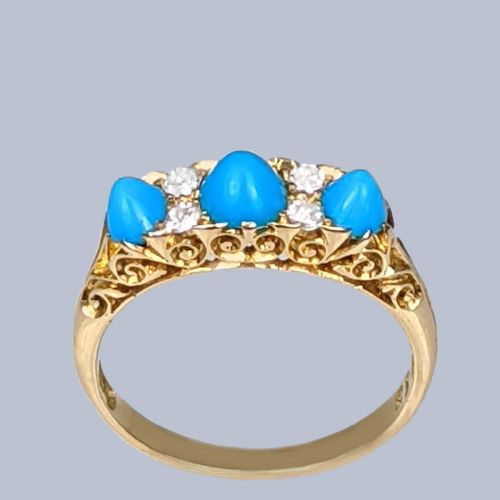
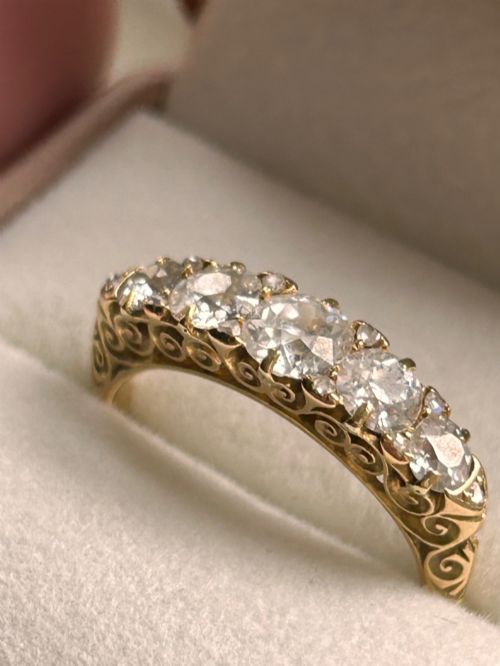
When you search for a victorian carved gold ring, you encounter genuine nineteenth-century jewellery spanning mid-Victorian, late Victorian, and Edwardian periods. These pieces frequently manifest as boat rings, cluster settings, and multi-stone bands featuring detailed shanks.
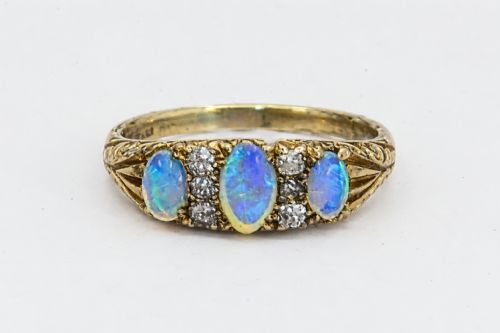
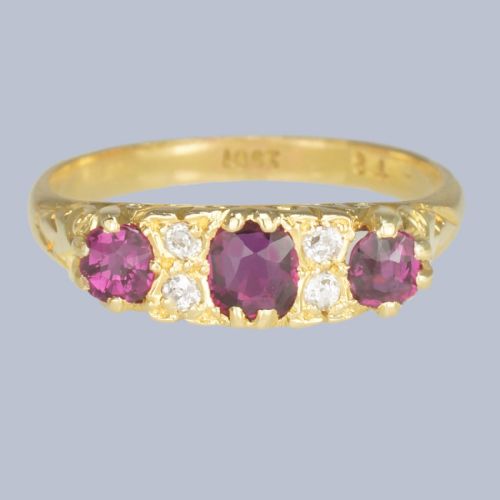
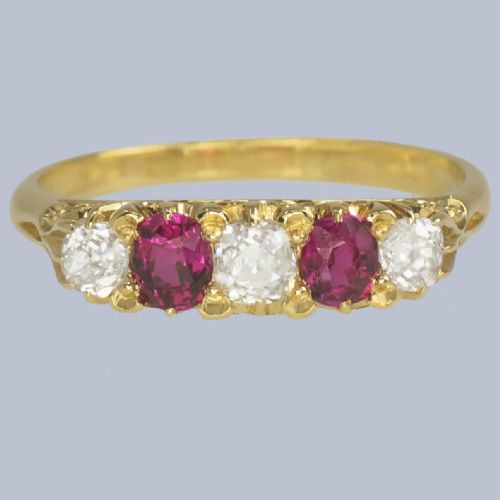
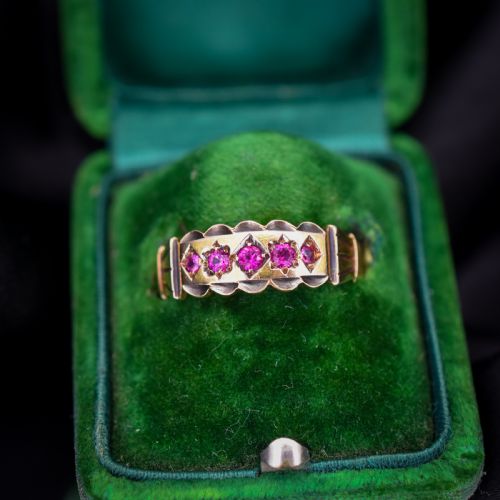
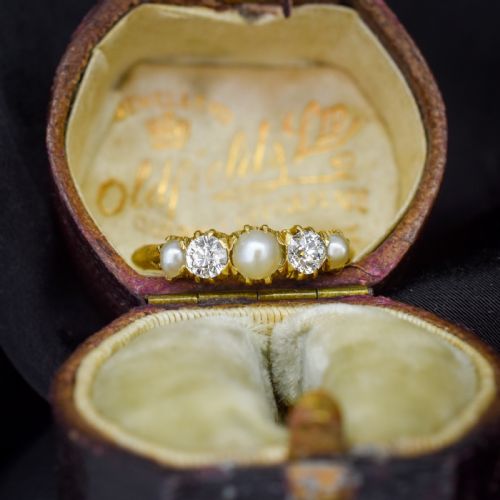
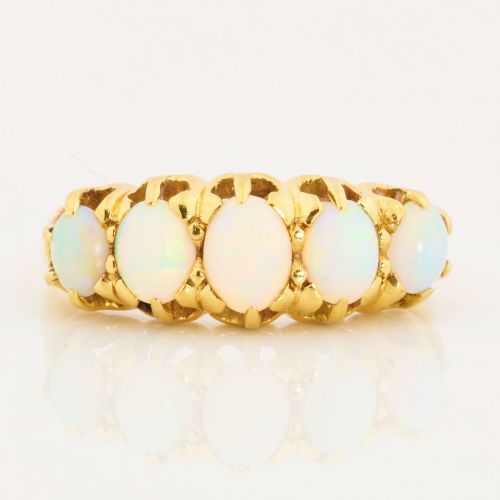
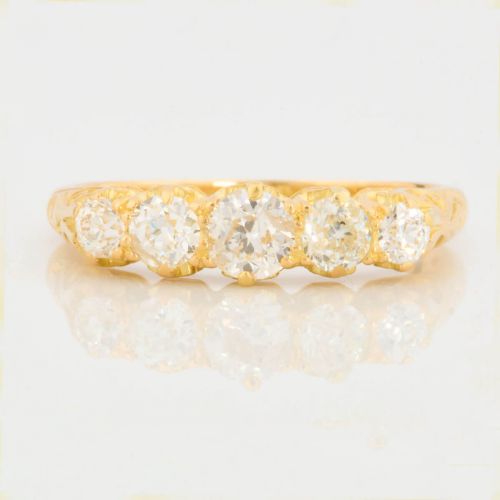
The most common examples on this page are 18ct yellow gold bands adorned with rubies, sapphires, opals, and old cut diamonds. Alongside these, specific regional hallmarks from Birmingham and Chester anchor the pieces firmly in the British nineteenth-century tradition.

Materials and Construction
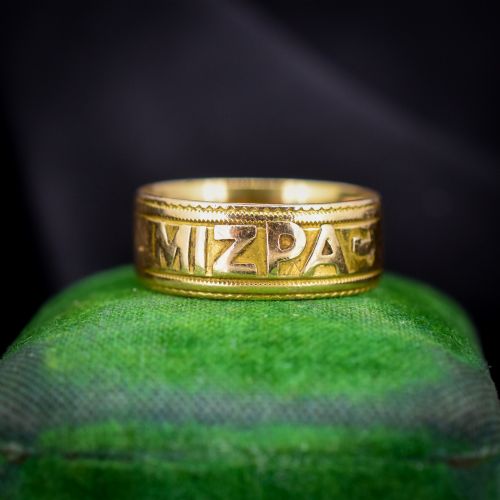
The foundation of these jewels relies on 18ct and 9ct yellow gold, shaped into patterned bands, gypsy settings, and scroll boat forms. Metal is chased, engraved, and cast to create textured shoulders and bezels that frame the primary gemstones.
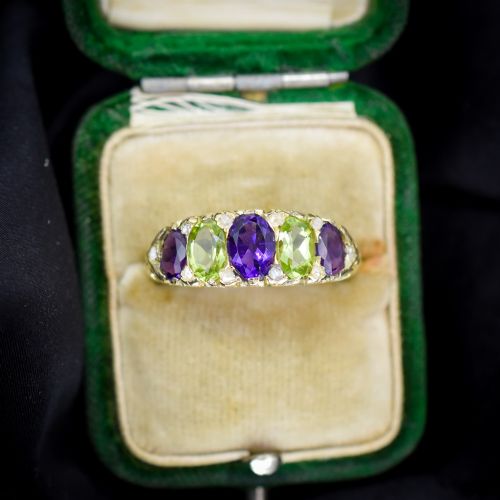
Gemstones such as opals, rubies, and sapphires are interspersed with old mine cut and old cut diamonds. Stones are secured in claw settings, flush gypsy mounts, or starburst configurations designed to maximise light capture.
Victorian Carved Gold Ring Retail Price Guide 2026
Typical asking prices for victorian carved gold ring among the pieces listed under this phrase on Sellingantiques today, from the lower quarter to the upper quarter. They describe what is for sale here now, not the wider market.
Listings feature 18ct and 9ct yellow gold alongside platinum-free settings from the Victorian, Edwardian, and mid-twentieth-century eras.
Distinctions in Quality
The distinction between standard examples and the finest pieces rests upon the precision of the hand-carved detail and the selection of the stones. Crispness in the engraved scrollwork or floral motifs indicates superior bench work by the maker.
Quality also shows in the depth and vitality of the gems, particularly in the play of colour within natural opals and the carat weight of old cut diamonds. Heavier gauge gold bands that retain their structural integrity through decades of wear command greater regard.
The Victorian Carved Gold Ring Glossary
- Old Cut Diamond
- A diamond cut before the advent of modern brilliant faceting, typically featuring a small table, higher crown, and open culet. These stones possess a distinctive, softer candlelight gleam.
- Boat Ring
- A ring featuring a navette-shaped setting that tapers gracefully toward the shoulders. This silhouette was immensely popular during the late nineteenth century.
- Gypsy Set
- A mounting style where the gemstone is flush-set directly into the thick gold band. The metal is pushed up around the stone to secure it smoothly.
- Trilogy Ring
- A ring set with three stones, often symbolising the past, present, and future. Diamonds paired with rubies or sapphires frequently appear in this arrangement.
- Hallmark
- An official stamp applied by an assay office to indicate the metal purity and origin. Marks from Birmingham and Chester help date these antique pieces precisely.
Victorian Carved Gold Ring: Frequently Asked Questions
How do I wear an antique ring safely?
These historical rings require gentle treatment during daily activities to preserve their delicate gold carvings and setting claws. Removing them before swimming, gardening, or heavy lifting prevents unnecessary wear on the metal and stones.
Storing each piece in an individual fabric pouch or separate compartment stops the diamonds from scratching softer gems like opals or pearls. Regular inspection by a jeweller ensures the old cut stones remain secure in their original mounts.
What does gypsy setting mean?
A gypsy setting embeds the gemstone flush into the thick gold band so that the surface of the stone sits level with the surrounding metal. This technique creates a smooth, snag-free profile that was favoured for everyday comfort in the nineteenth century.
Jewellers hammered or pushed the heavy 18ct gold tightly around the girdle of the diamond or ruby. This sturdy method protected the edges of the stone while offering a streamlined aesthetic.
How can I tell a Victorian ring from a later copy?
Authentic nineteenth-century pieces display specific hallmarks, hand-carved nuances, and characteristic old mine cut diamonds with asymmetrical facets. The weight and patina of the 18ct yellow gold reflect nineteenth-century refining and manufacturing techniques.
Assay office marks from cities like Birmingham or Chester, combined with makers' stamps, provide definitive proof of age. Examining the interior of the band often reveals hand-engraved inscriptions and wear patterns consistent with generational use.
Are opals in antique rings fragile?
Natural opals possess a moderate hardness and contain internal moisture, requiring thoughtful care compared to diamonds or sapphires. Avoiding harsh chemicals, ultrasonic cleaners, and sudden temperature extremes protects the structural integrity of the stone.
When set securely in heavy 18ct gold boat or trilogy rings, opals withstand normal daily wear if treated with reasonable care. Allowing the stone to avoid knocks ensures the play of colour remains vibrant for decades.