


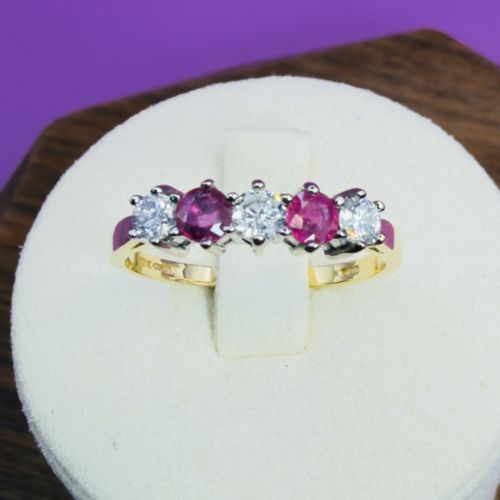
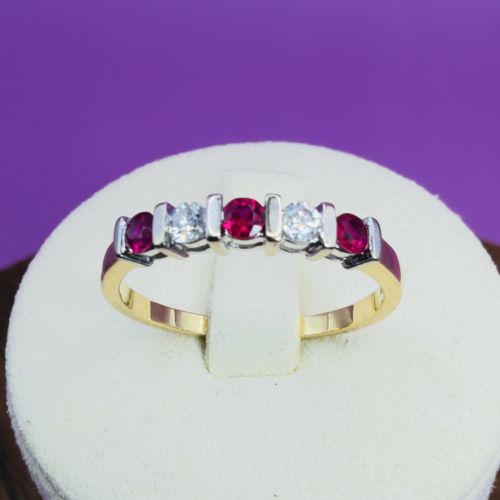
Vintage Ruby Diamond Band
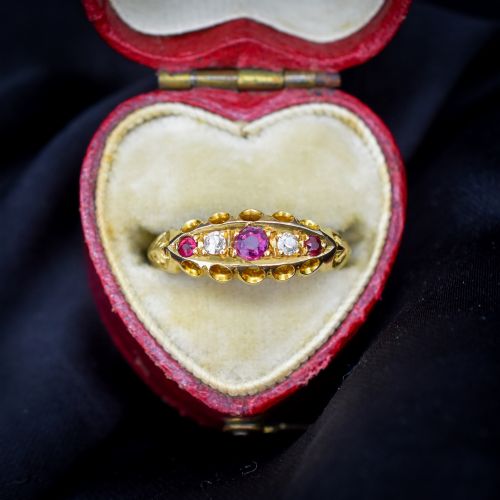
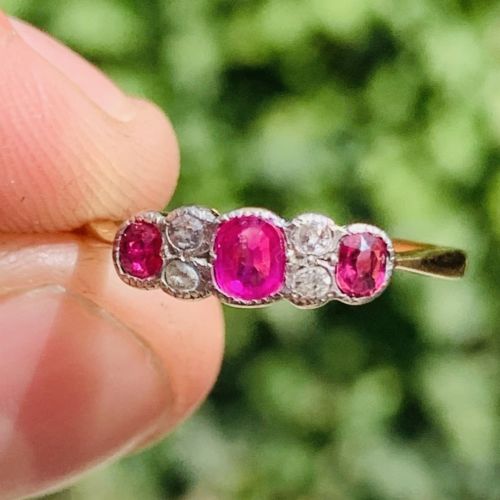
When you handle a vintage ruby diamond band, you hold a piece that combines deep red corundum and bright stones set in precious metal across multiple eras.
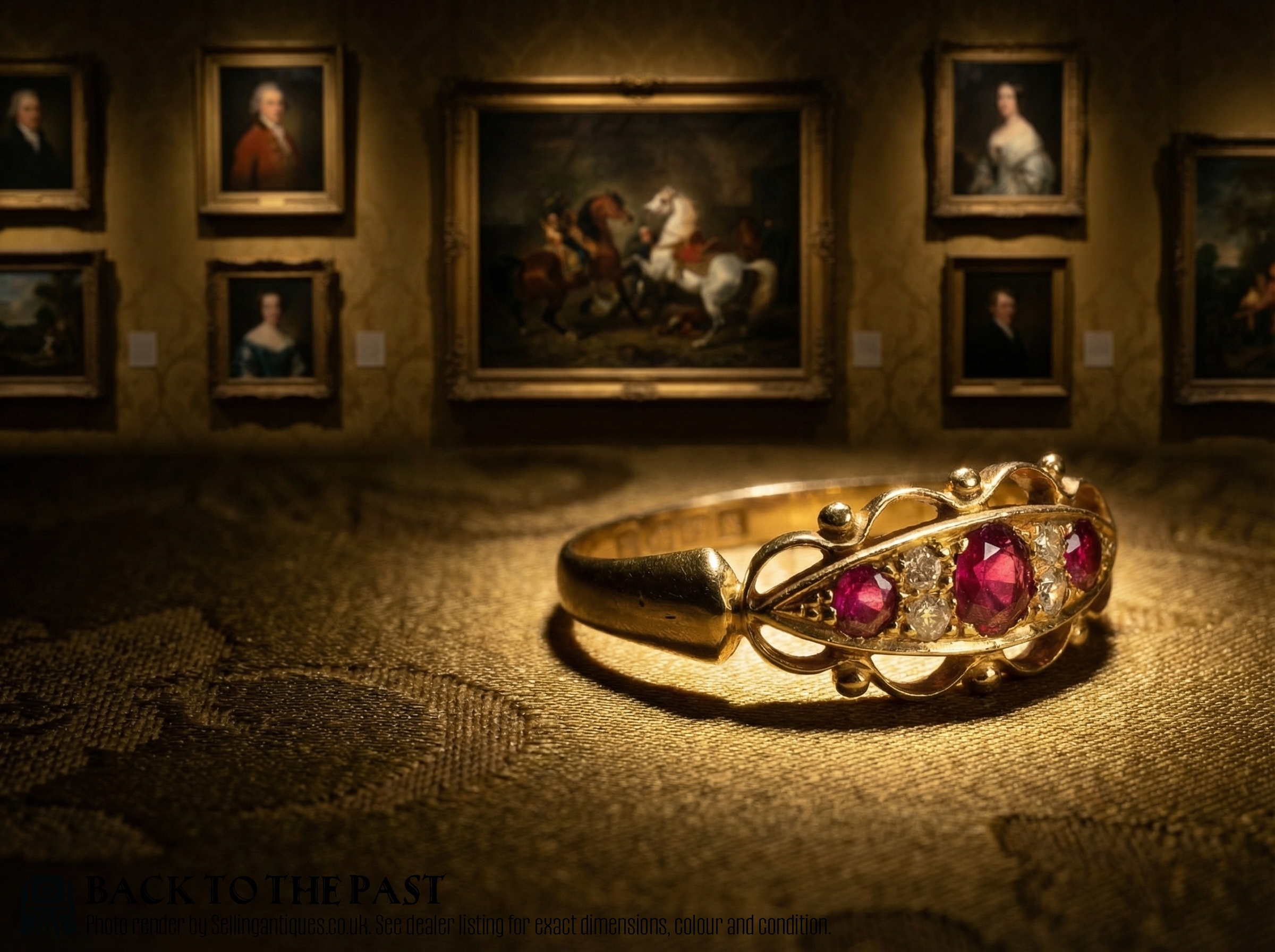
Vintage Ruby Diamond Band
The periods represented stretch from the late nineteenth century through the Edwardian era, the Art Deco years, and into the mid-twentieth century. Most examples rely on 18ct yellow gold or platinum combinations to secure the gems.
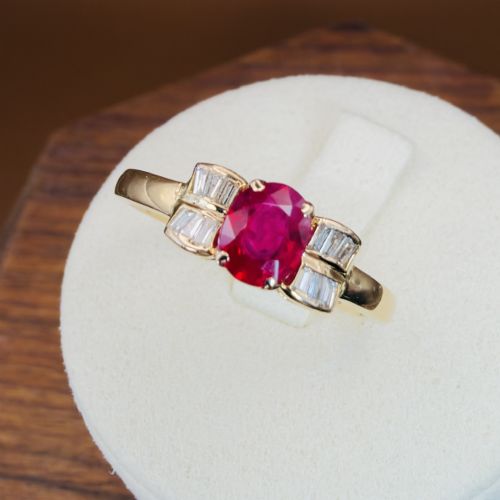
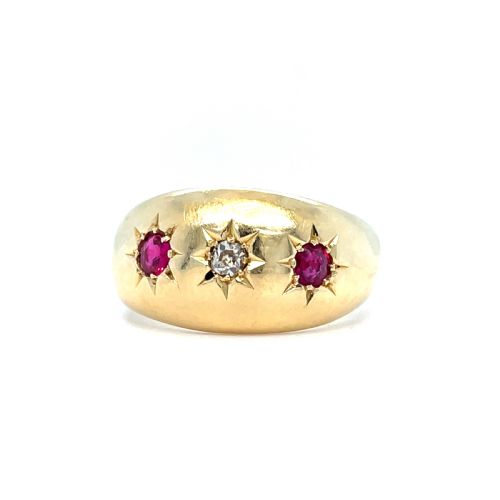
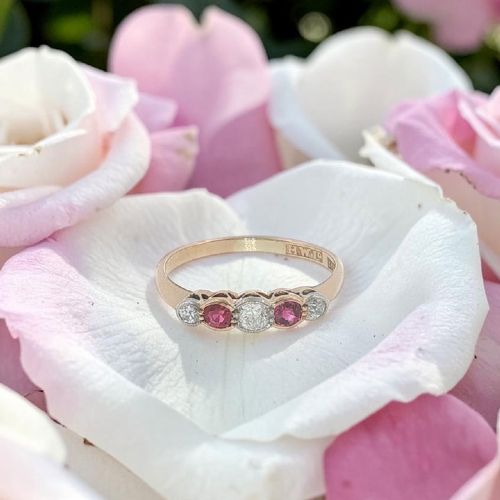
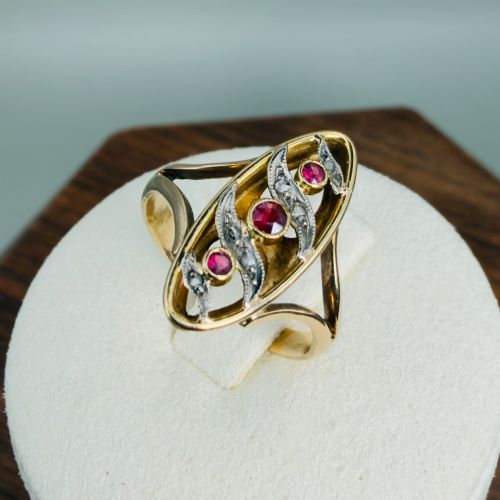
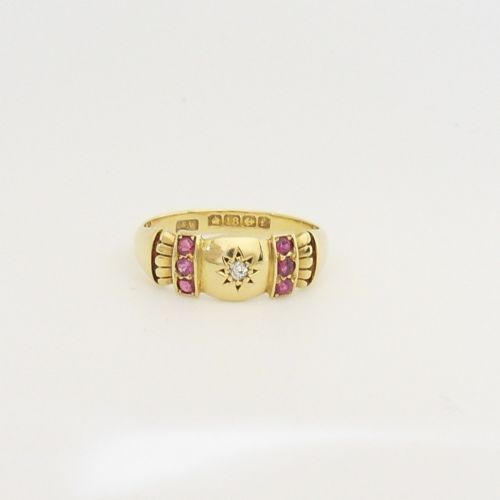
Victorian and Edwardian versions often present starburst designs or boat shapes, whilst later mid-century iterations lean toward cleaner band profiles. Each variant offers a distinct silhouette shaped by the prevailing jewellery aesthetics of its decade.
Materials and technique
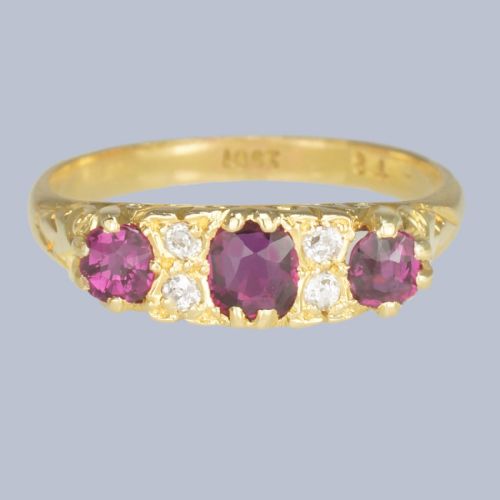
Goldsmiths constructed these rings primarily using 18ct gold, sometimes pairing yellow gold shanks with platinum settings to enhance the whiteness of the diamonds. Gemstones were secured using claw settings, gypsy flush mountings, or intricate cluster arrangements.
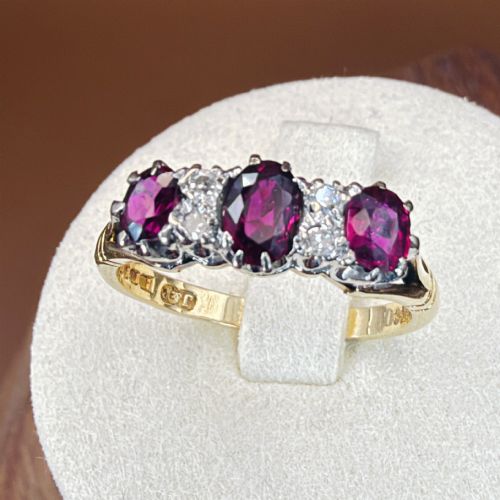
Makers utilised traditional hand-cutting techniques for the stones, resulting in old cut diamonds and oval, baguette, or princess cut rubies. Hallmarks stamped into the metal often record assay office marks from cities like Chester and Birmingham alongside the gold purity standard.
Vintage Ruby Diamond Band Retail Price Guide 2026
Typical asking prices for vintage ruby diamond band among the pieces listed under this phrase on Sellingantiques today, from the lower quarter to the upper quarter. They describe what is for sale here now, not the wider market.
Several rings proudly bear the Chester assay mark, a stamp retired in the twentieth century.
What varies in quality
The distinction between standard examples and superior pieces rests on the origin and saturation of the red corundum, with Burmese stones often holding particular note. Diamond cut and clarity grade further elevate the refinement of a given band.
Subtleties in metalwork, such as hand-engraved shoulders or heavy gauge 18ct gold shanks, separate master craftsmanship from standard commercial production. Preservation of original Chester or Birmingham hallmarks also contributes to the desirability of an item.
The Vintage Ruby Diamond Band Glossary
- Gypsy ring
- A style where stones are flush-set directly into a heavy tapered gold band rather than held in raised claws. This design gained popularity during the late nineteenth century for daily wear.
- Old cut diamond
- A precursor to the modern brilliant cut, typically featuring a smaller table, higher crown, and open culet. These stones were hand-faceted to catch candlelight.
- Trilogy ring
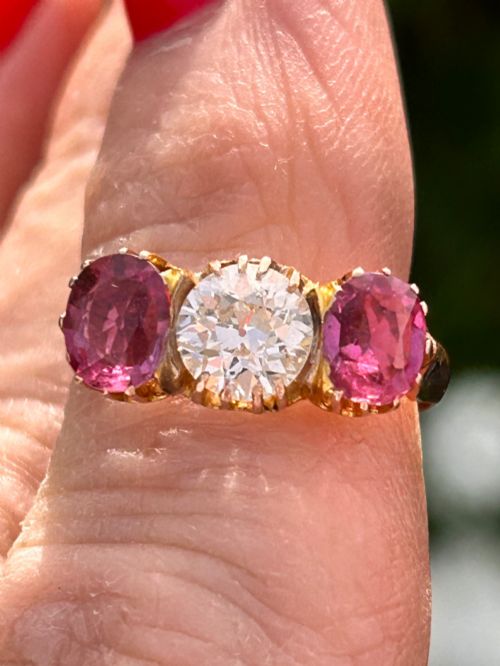
- A ring featuring three primary gemstones set in a row, often interpreted symbolically as representing past, present, and future. They appear frequently in Edwardian and Victorian collections.
- Navette ring
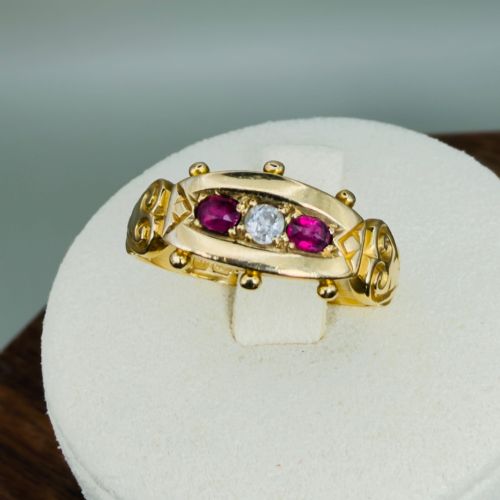
- A boat-shaped ring design characterised by a pointed oval silhouette that sits lengthwise along the finger. The shape allows for elaborate clusters of rubies and diamonds.
- Cluster ring
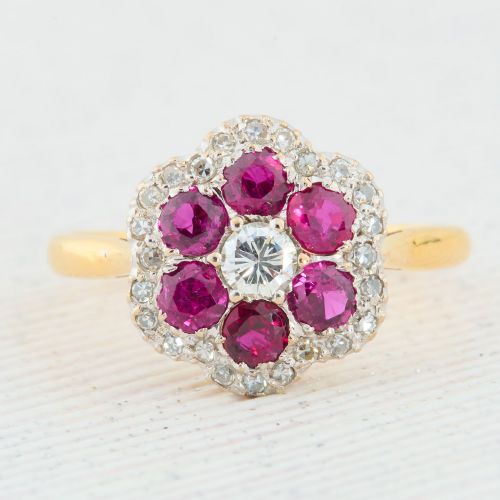
- A design where a central gemstone is surrounded by a tight formation of smaller stones. This arrangement maximises visual impact and light reflection.
Vintage Ruby Diamond Band: Frequently Asked Questions
How do I care for my ring?
Clean your ring using warm soapy water and a soft brush, avoiding harsh chemical ultrasonic cleaners that might damage natural stones.
Store the piece separately in a fabric-lined box to prevent harder diamonds from scratching the softer rubies or gold band.
Can these bands be resized easily?
Most 18ct gold and platinum bands can be adjusted by a skilled jeweller depending on the construction of the shoulders and pattern work.
Take the piece to a specialist who can work with antique settings without compromising the structural integrity of the stone securement.
Are the rubies heat treated?
Treatment status varies by era and origin, with some vintage examples accompanied by gemmological reports confirming unheated Mogok Burmese stones.
Documentation provided with specific listings will detail whether the red corundum has undergone traditional enhancement processes.
How do I date my ring?
Examine the shank for official British hallmarks, which include date letters and assay office symbols from locations such as Chester and Birmingham.
Stylistic elements like boat settings, starburst motifs, and platinum-topped gold can also narrow down whether a piece originates from the Victorian, Edwardian, or Art Deco periods.