


Red Gemstone Gold Ring
A red gemstone gold ring brings together warm precious metal and deep crimson stones, spanning Victorian, Edwardian, and mid-century designs.
Red Gemstone Gold Ring
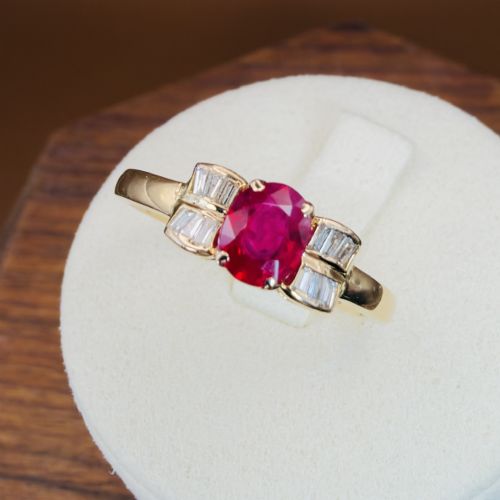
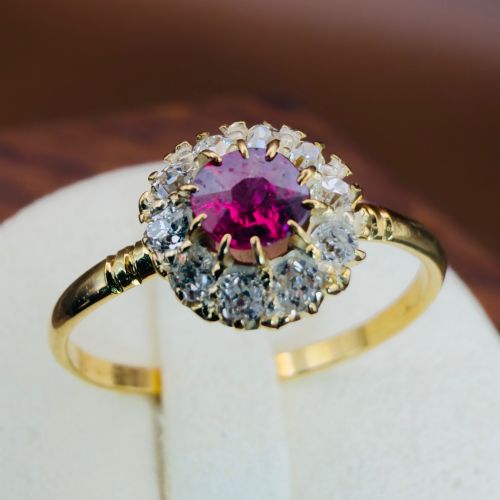
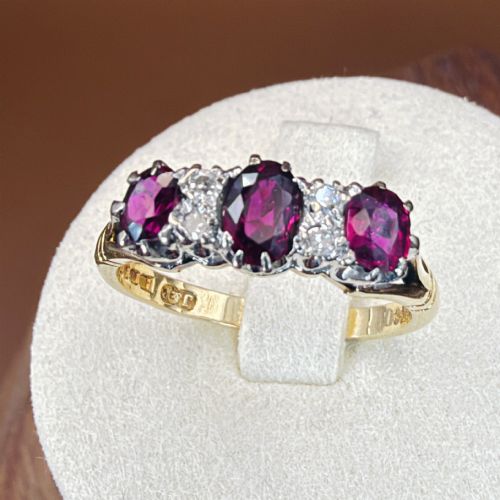
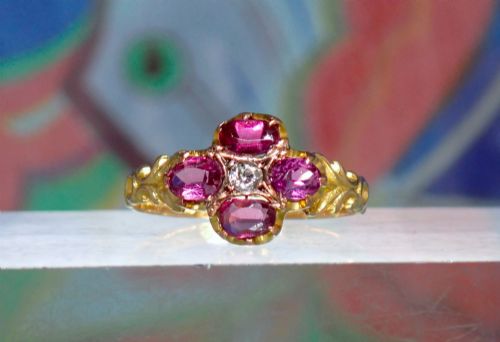
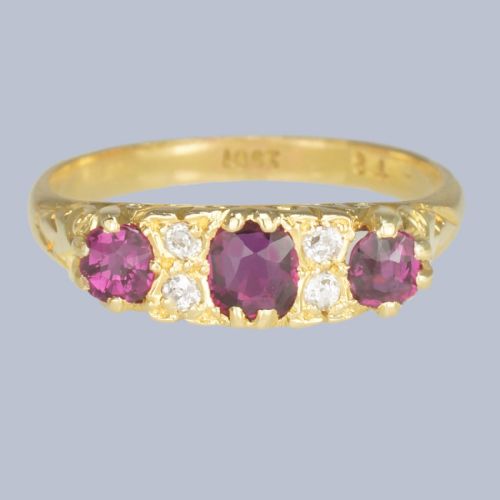
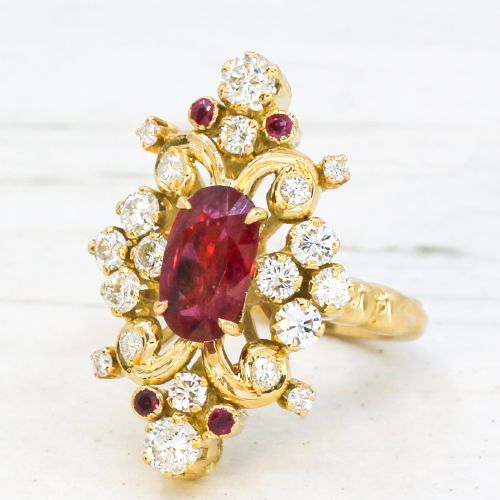
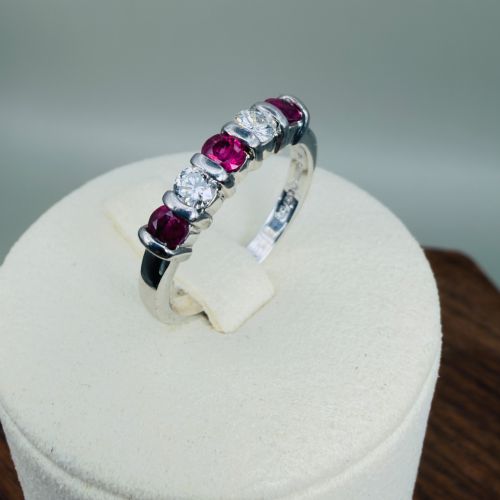
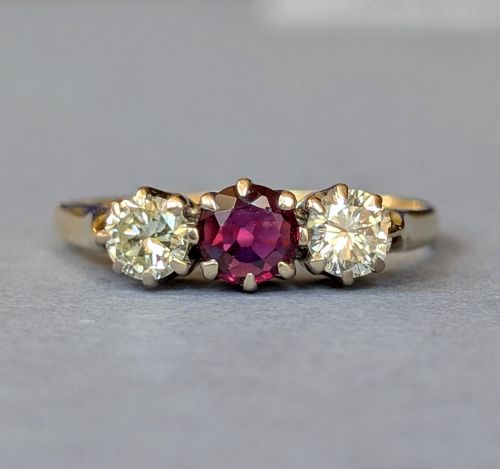
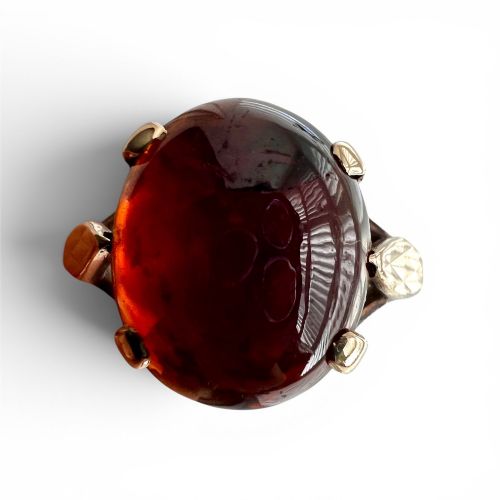
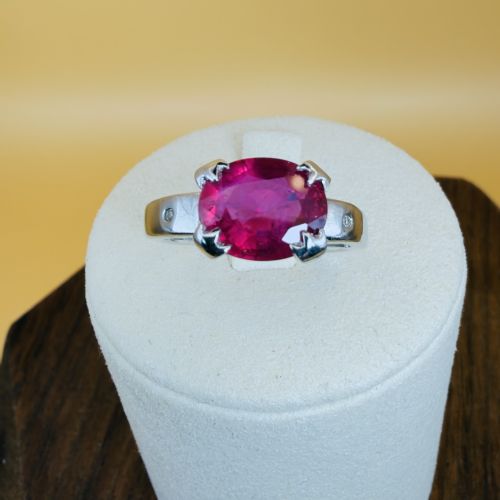
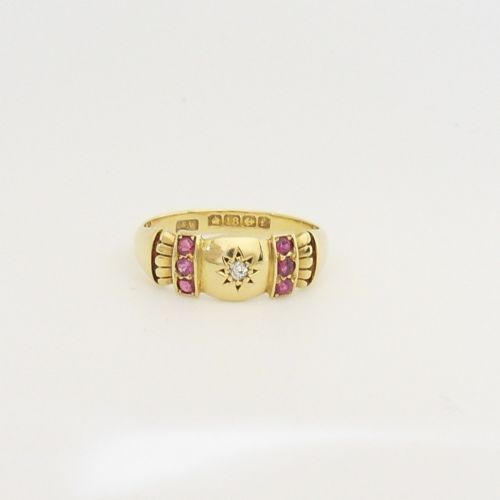
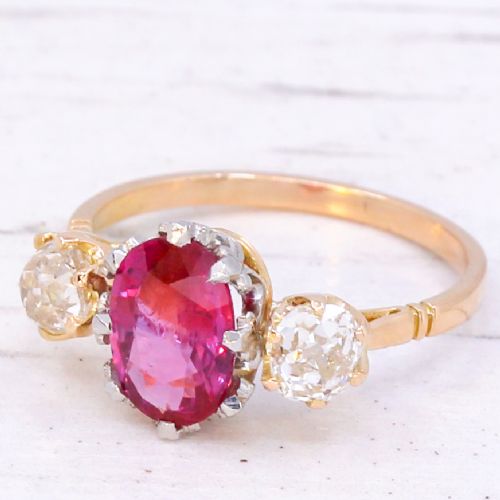
A red gemstone gold ring is a finger ornament fashioned from yellow, white or standard gold, set with stones such as ruby, garnet or carnelian. These pieces appear in forms ranging from simple solitaire and band rings to elaborate multi-stone cluster, navette and starburst settings.
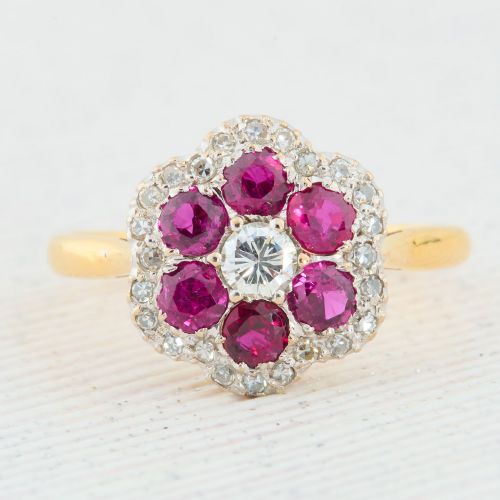
The selections span periods from the eighteenth century through the Victorian and Edwardian eras, extending into Art Deco and mid-century modern designs. Buyers frequently encounter cluster arrangements pairing central red stones with surrounding diamonds.
Origin details and specific gemstone traits, including unheated Burmese rubies or almandine garnets, ground these items in particular historical jewellery traditions. Each ring reflects the aesthetic preferences and lapidary skills of its specific decade.
How they were made
Metals such as 18ct yellow gold, 18ct white gold, and platinum provide the structural shank and claw or bezel settings for the gems. Goldsmiths employed traditional casting and hand-working techniques to secure stones safely within the mount.
Facetted gemstones like oval, baguettes, old cut, and princess cut diamonds or rubies are paired with cabochon garnets and intaglio-carved carnelian. Master cutters shaped each red stone to maximise light return and colour depth within the metal constraints of the period.
Red Gemstone Gold Ring Retail Price Guide 2026
Typical asking prices for red gemstone gold ring among the pieces listed under this phrase on Sellingantiques today, from the lower quarter to the upper quarter. They describe what is for sale here now, not the wider market.
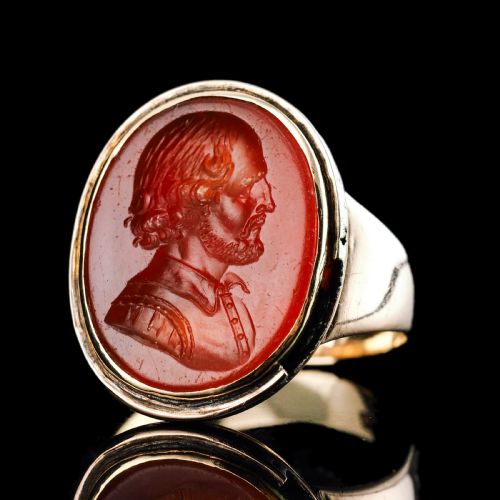
Gentlemen of the nineteenth century frequently wore carved carnelian intaglio rings to stamp official wax seals on correspondence.
What varies in quality
The calibre of a red gemstone gold ring depends upon the natural origin, clarity, and treatment status of the central red stone, with unheated Burmese rubies sitting at the upper echelon. Metal weight and the fineness of the gold, such as heavy 18ct mountings versus lighter variants, dictate structural integrity.
Setting precision and the matching quality of accent diamonds - whether old cut, baguette, or brilliant - differentiate standard workshop output from exceptional examples. Gemmological reports often accompany superior pieces to verify natural provenance and treatment details.
The Red Gemstone Gold Ring Glossary
- Cluster ring
- A ring design featuring a prominent central gemstone encircled by a group of smaller surrounding stones, typically diamonds.
- Cabochon
- A gemstone shaped and polished with a smooth, rounded convex surface rather than faceted edges.
- Intaglio
- A gemstone carved with a sunken design or portrait, allowing it to create a relief impression when pressed into wax.
- Navette
- A boat-shaped ring setting featuring an elongated, pointed oval silhouette that covers more of the finger.
- Old cut
- A vintage diamond cutting style characterised by a smaller table, higher crown, and deep culet designed to catch candlelight.
Red Gemstone Gold Ring: Frequently Asked Questions
How do I clean an antique gold ring?
Clean your piece gently using warm water, mild washing liquid, and a soft brush to remove everyday oils. Avoid harsh chemical dips, particularly if the ring contains softer organic gems or foil-backed stones.
Dry the metal and stones thoroughly with a lint-free cloth before wearing or storing it away. Regular inspection by a professional jeweller ensures the claws remain tight around the red gemstone.
Can I wear a gemstone ring daily?
Rubies and diamonds possess high durability, making them suitable for regular wear when properly maintained. Softer stones like garnets or carnelian require greater care to avoid impact damage during active tasks.
Remove your jewellery before heavy lifting, gardening, or swimming to protect both the gold shank and the stone settings. Storing each piece separately prevents scratching from other items in your collection.
How do I identify the period of a ring?
Examine the cut of the stones, the construction of the metal gallery, and any visible hallmarks stamped inside the band. Georgian and Victorian pieces often feature hand-cut gems and closed-back foils, whereas Edwardian work favours delicate platinum filigree.
Comparing stylistic cues like starburst motifs or geometric Art Deco lines helps narrow down the manufacturing decade. Consulting a specialist dealer provides further clarity on specific historical eras.
What is an unheated ruby?
An unheated ruby is a natural gemstone that has undergone no thermal enhancement to improve its colour or clarity. This natural state is verified through independent gemmological laboratory testing.
Such stones are valued by collectors for their untampered geological origin and natural optical properties. Reports detailing these findings often accompany the ring at the point of sale.