
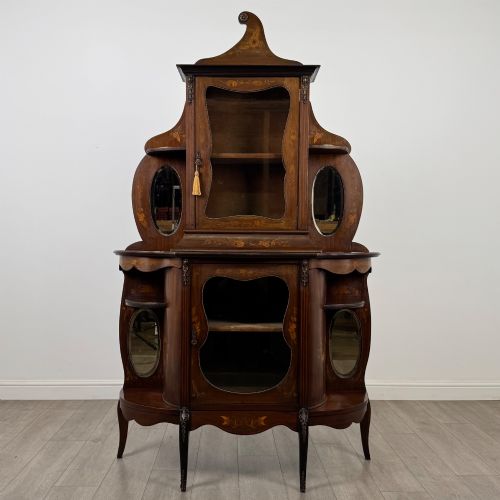
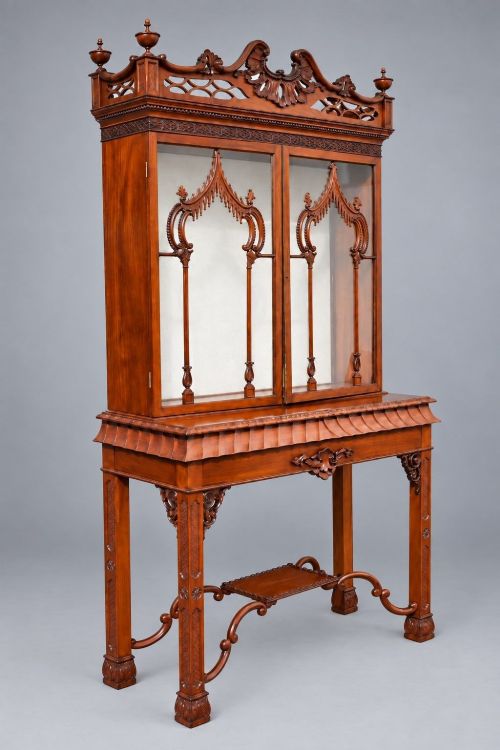
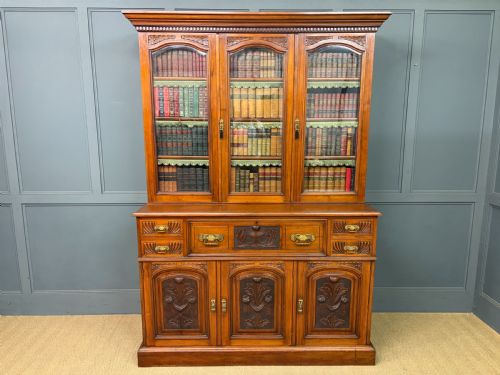


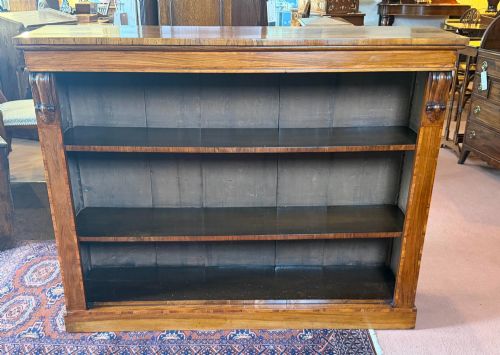
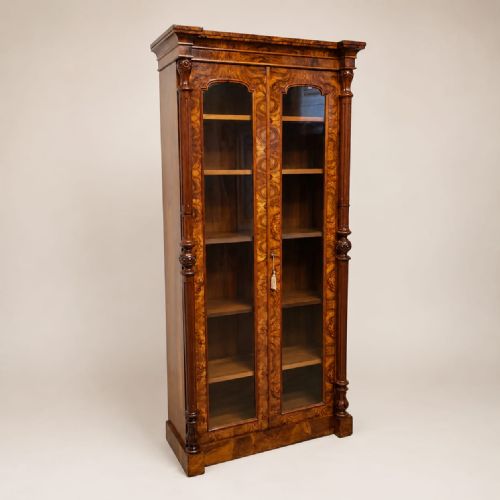
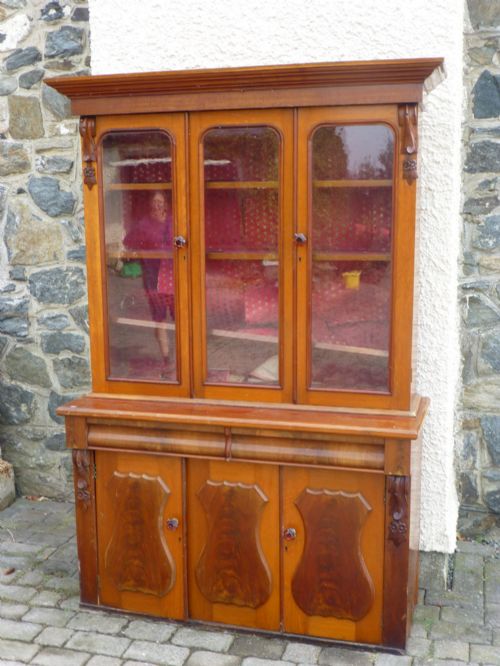
Victorian Carved Display Cabinet
A victorian carved display cabinet brings nineteenth-century craftsmanship into a modern interior, offering glazed protection for cherished objects.

Victorian Carved Display Cabinet
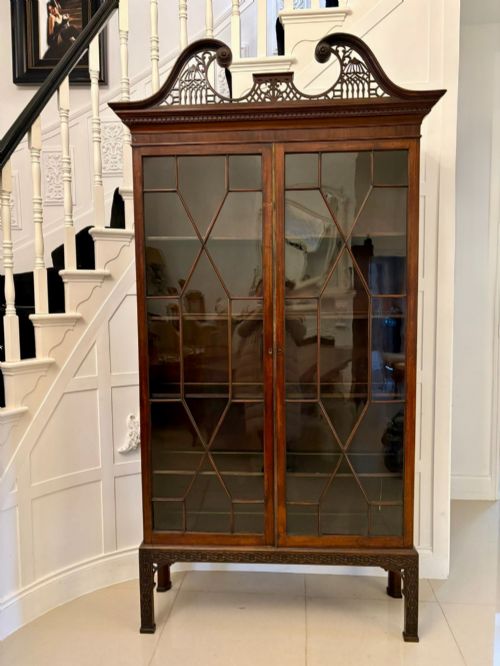
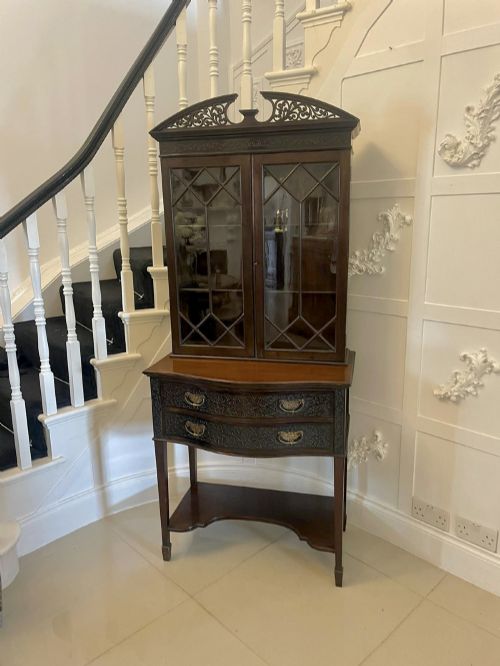
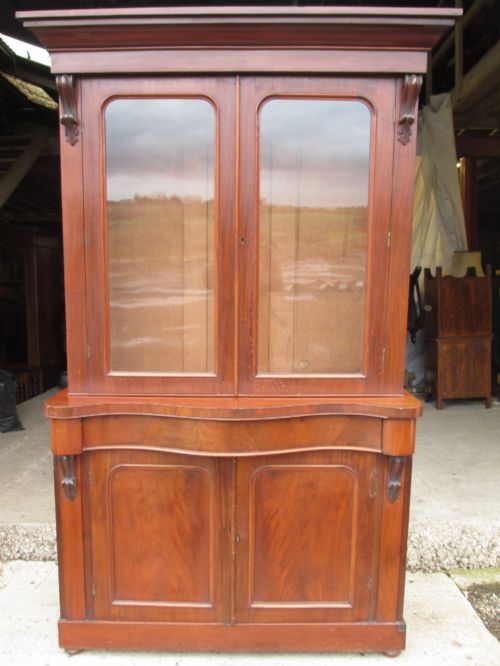
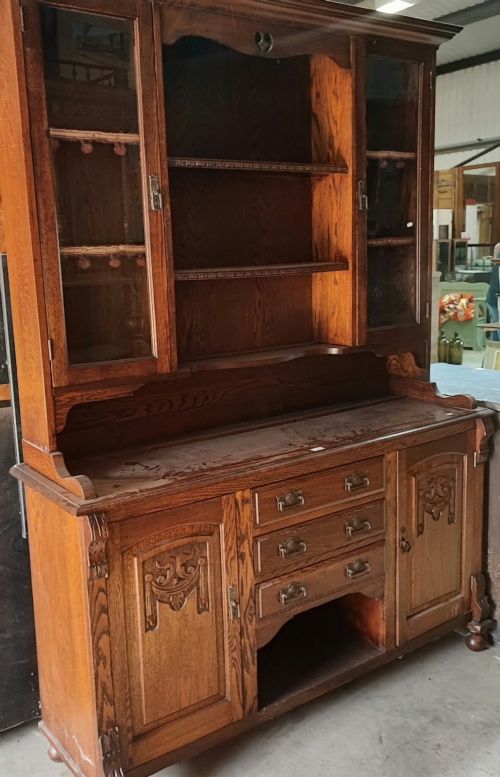
A victorian carved display cabinet typically combines glazed timber doors with internal shelving designed to showcase porcelain, glassware, or collections. The search phrase covers various nineteenth-century manifestations, from walnut and mahogany cabinets to oak bookcases fitted with glass panels.
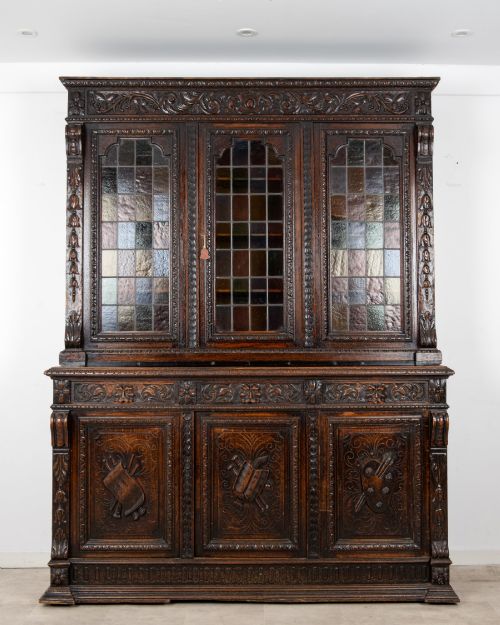
Buyers frequently encounter mahogany and burr walnut examples bearing rich carved details, alongside oak iterations influenced by Gothic Revival or traditional regional styles. These pieces range from compact corner units to large breakfront library bookcases equipped with glazed doors.
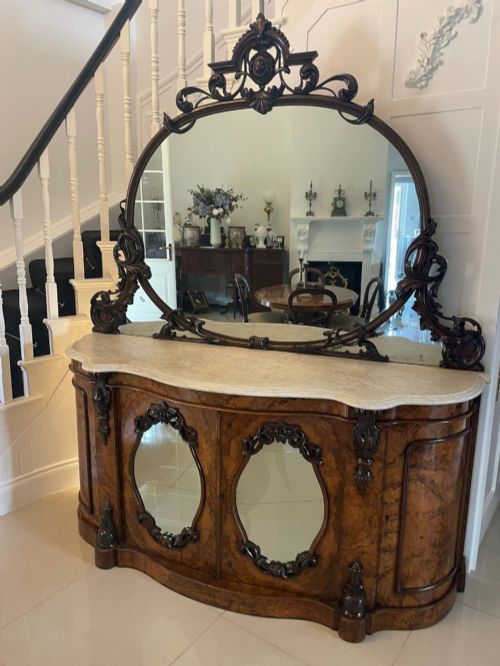
Originating largely from British workshops of the Victorian era, the selection includes related forms such as credenzas, chiffoniers, and occasional cabinets that share the characteristic glass display function.
Craftsmanship and Proportion
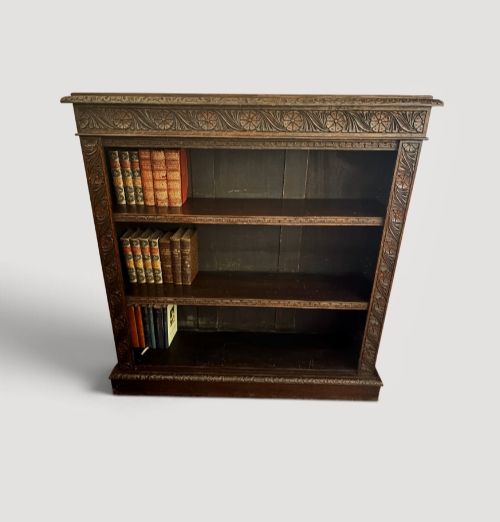
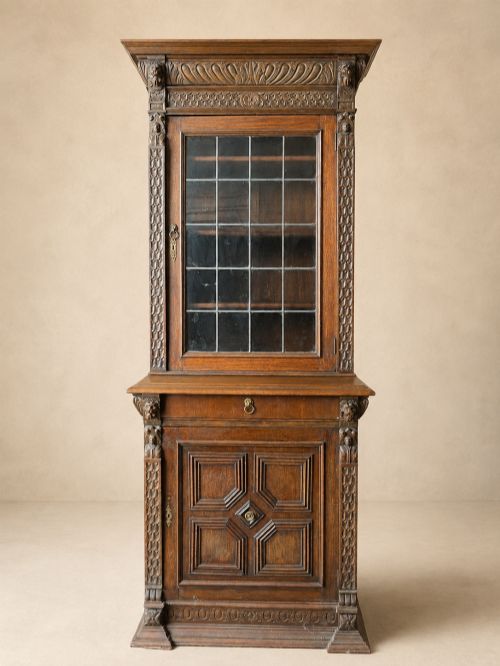
Quality rests upon the depth and crispness of the hand-carved ornamentation, where sharp definition denotes skilled execution rather than mechanical repetition. Timber selection also dictates worth, particularly figured veneers such as burr walnut matched symmetrically across door panels.
Proportion and structural integrity define the upper tier, seen in balanced cornices, flush-fitting doors that hang true on original brass hinges, and intact original glass panes. Lesser examples show simpler joinery, plain timber stocks, and replaced hardware.
Victorian Carved Display Cabinet Retail Price Guide 2026
Typical asking prices for victorian carved display cabinet among the pieces listed under this phrase on Sellingantiques today, from the lower quarter to the upper quarter. They describe what is for sale here now, not the wider market.
The documented forms range from narrow corner cupboards and music cabinets to expansive breakfront library bookcases and glazed dressers.
Gabriel Viardot·Edwards and Roberts·James Winter and Sons
The Victorian Carved Display Cabinet Glossary
- Astragal glazed
- Glass doors divided into smaller panes by slender wooden mouldings called glazing bars. This technique creates a grid pattern typical of nineteenth-century cabinetry.
- Burr walnut
- Timber taken from a tree growth featuring swirling grain patterns. Cabinetmakers sliced this wood into thin veneers for decorative door fronts.
- Chiffonier
- A low sideboard cabinet with enclosed cupboards below and sometimes a small shelf or mirror above. It developed during the nineteenth century for dining and drawing rooms.
- Breakfront
- A large piece of furniture where the central section projects forward from the flanking wings. This architectural arrangement creates depth and shadow on library bookcases.
- Gothic Revival
- A nineteenth-century design movement inspired by medieval architecture. Pieces show pointed arches, trefoils, and heavy carved mouldings.
Victorian Carved Display Cabinet: Frequently Asked Questions
How do I date a Victorian cabinet?
Dating relies on combining timber types, construction methods, and stylistic cues found within the piece. Mahogany and walnut often point to specific decades when those woods dominated fashionable interior design.
Secondary woods used in linings, such as pine or oak drawers, offer further clues when examined alongside the style of brass handles and hinges.
Where were these cabinets placed originally?
These pieces sat principally in drawing rooms, libraries, and dining parlours of substantial nineteenth-century homes. They served to display prized ornaments and store leather-bound volumes.
Smaller corner cabinets made efficient use of difficult angles in modest reception rooms, while larger breakfront bookcases anchored formal studies.
How do I clean the wood safely?
Regular dusting with a soft, dry cloth prevents particulate build-up on carved surfaces and mouldings. Avoid silicone-based sprays that penetrate and degrade old polishes over time.
Period timber benefits from occasional application of pure beeswax to nourish dry grain and maintain a natural lustre without creating heavy buildup.
Are the glass panes original?
Original glass frequently displays minor imperfections, slight waviness, and small air bubbles formed during nineteenth-century manufacturing processes. Uniform, perfectly flat glass often indicates a later replacement.
Examining how the glass sits within the putty or wooden glazing beads can also reveal whether the panels have been disturbed or renewed.