
Victorian Cabinet with Mirror
A victorian cabinet with mirror combines polished timber and reflective glass, serving as both storage and a statement piece for the room.
Victorian Cabinet with Mirror
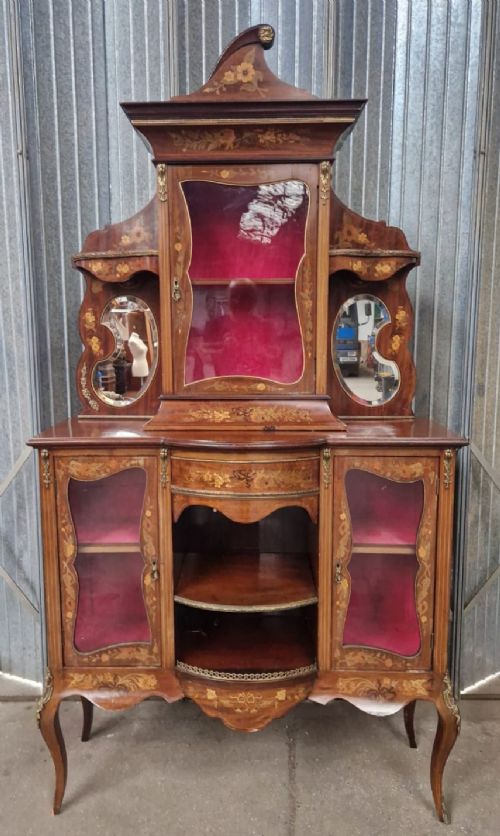
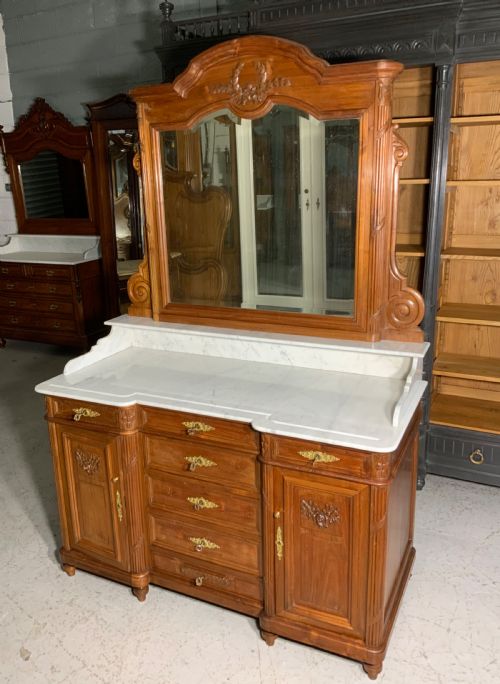
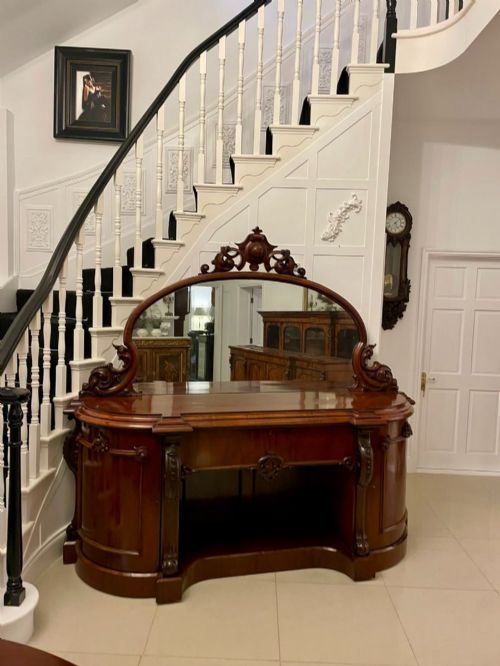
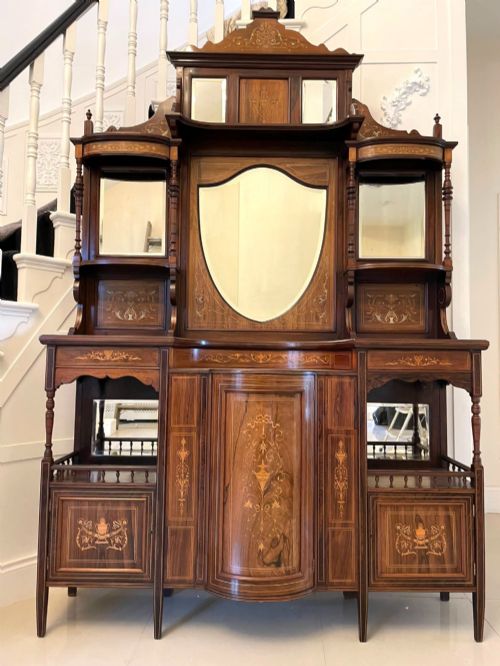
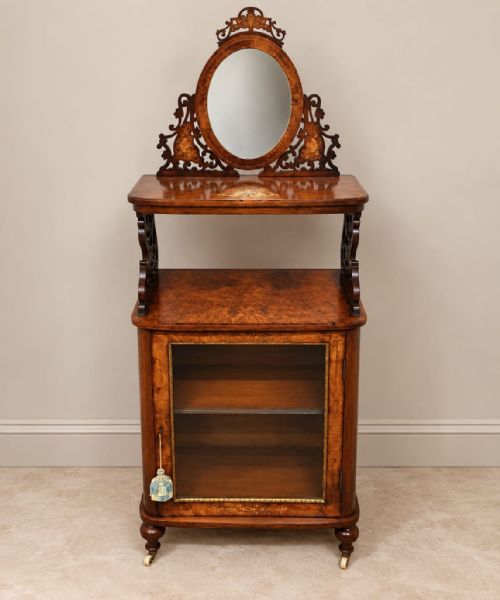
A victorian cabinet with mirror primarily manifests as a credenza, sideboard, or dressing table designed to catch the light and display household possessions. These pieces date predominantly from the nineteenth century, spanning periods from the eighteen-fifties through to nineteen hundred, alongside Edwardian examples.
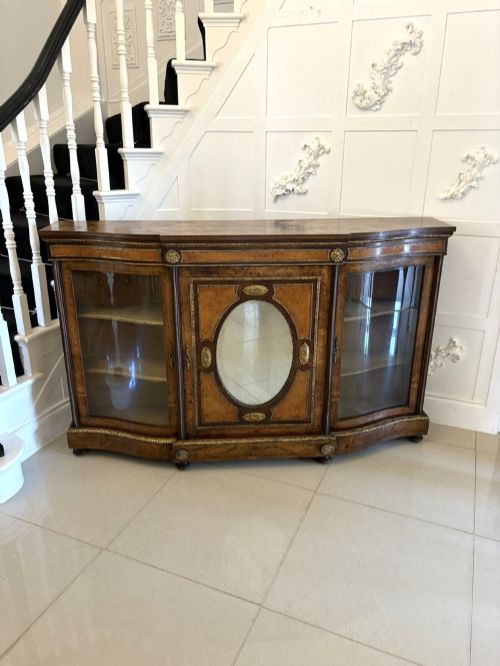
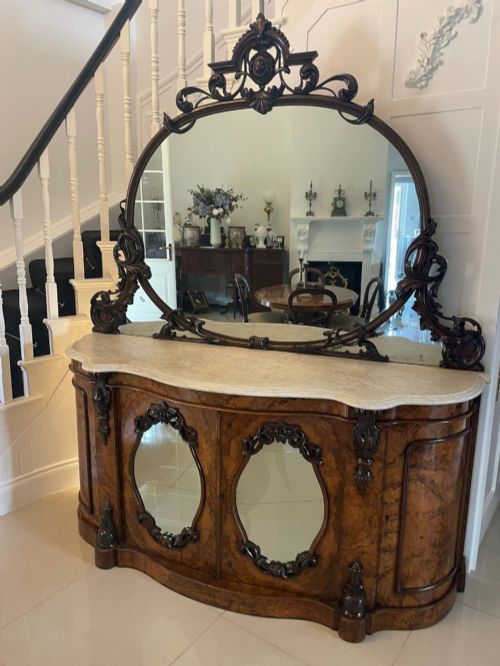
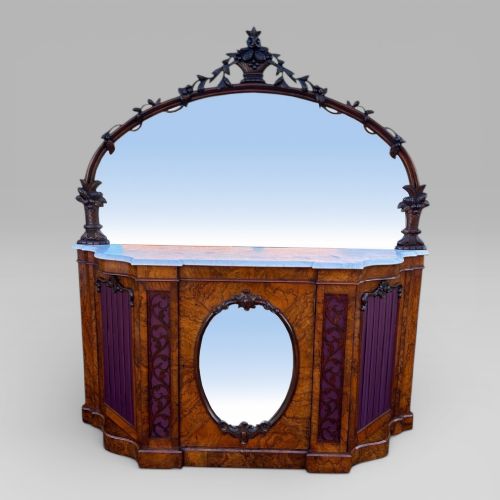
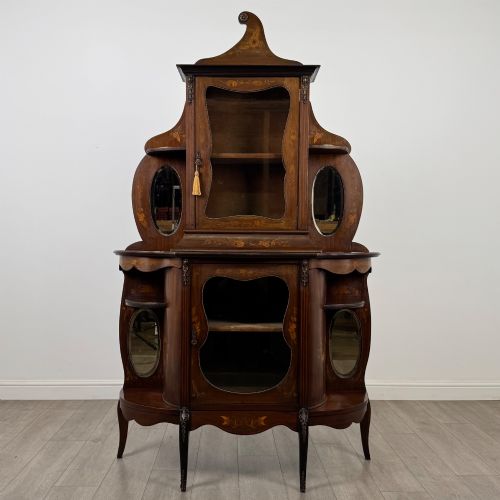
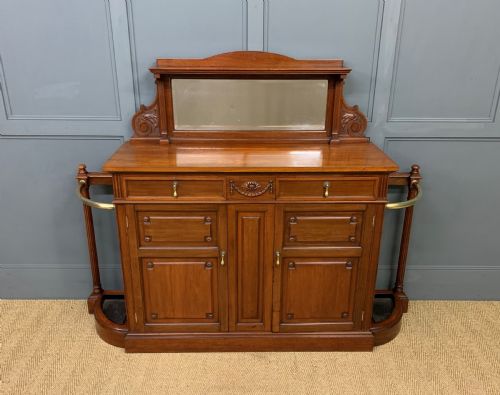
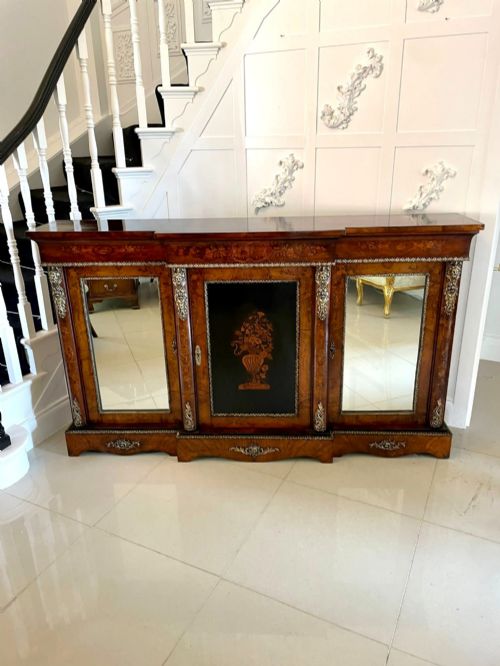
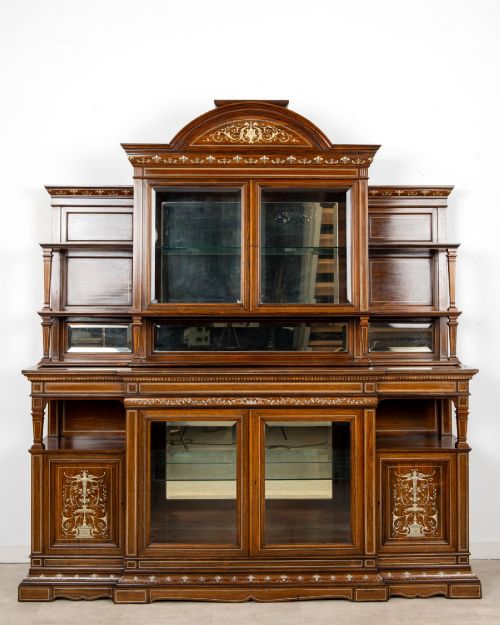
The version most commonly met on this page is the burr walnut or mahogany sideboard featuring a carved mirror back, often accented with ormolu mounts or marquetry. Credenzas and display cabinets also appear frequently, incorporating glass doors and adjustable shelves.
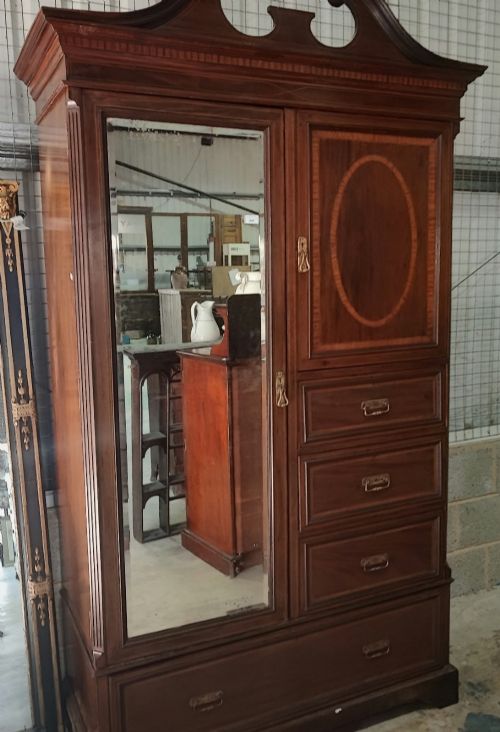
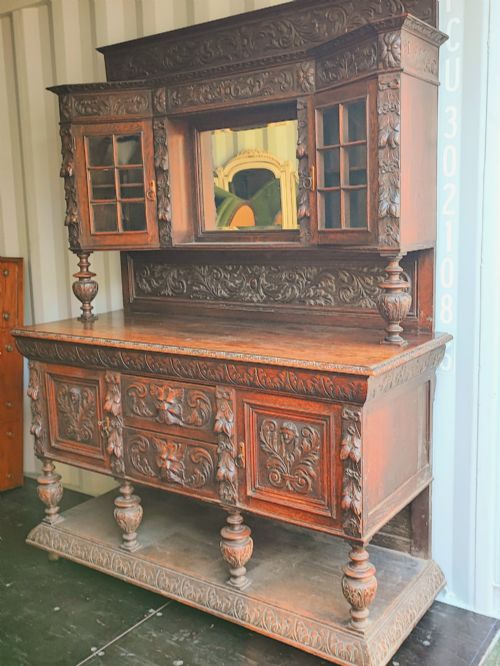
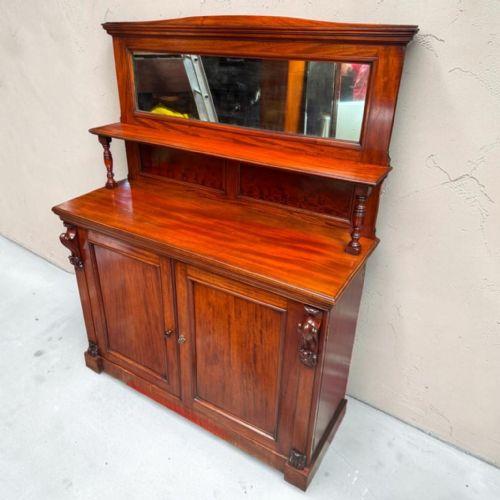
Makers utilised various regional timbers including oak, rosewood, and ash, shaping them into side cabinets, chiffoniers, and wardrobes with integrated mirrors. The forms range from simple carved oak to profusely inlaid rosewood and high Victorian statement furniture.
How they were made
Cabinet makers constructed these pieces using dense hardwoods like mahogany, oak, and rosewood, frequently applying burr walnut veneers to display intricate grain patterns. Marquetry inlay and carved wooden details embellished the primary surfaces of the carcase.
Mirror glass was set into carved wooden frames or integrated directly into the upper backs of sideboards and credenzas. Metal components such as brass ormolu mounts and glass shelves completed the construction of display cabinets and credenzas.
What varies in quality
The standard of timber selection and veneer work sets apart the finer examples, particularly where burr walnut or marquetry is handled with exceptional skill. Elaborate hand-carving and crisply cast ormolu mounts indicate a higher grade of craftsmanship.
Originality of components, including the mirror glass, hardware, and interior shelving, determines the standing of a piece within its type. Stamped signatures from recognised firms further distinguish the top tier of nineteenth-century cabinet making.
Gillows·J. Shoolbred
The Victorian Cabinet with Mirror Glossary
- Credenza
- A low cabinet or sideboard, frequently featuring mirrored doors and ormolu mounts, used for display and storage. These pieces sit low to the ground and often anchor a formal dining room or parlour.
- Ormolu
- Gilded bronze mounts applied to furniture for decorative effect. This technique adds metallic contrast to dark timbers such as burr walnut and mahogany.
- Marquetry
- The art of applying pieces of veneer to a structure to form decorative patterns and pictures. It appears on late nineteenth-century side cabinets and rosewood furniture.
- Chiffonier
- A compact sideboard featuring shelves or enclosed cupboards beneath a mirror or superstructure. It developed during the nineteenth century as a practical room divider or serving station.
- Burr walnut
- A prized timber harvested from the wart-like growths on walnut trees, yielding swirling grain patterns. It forms the primary visual surface on many high-grade Victorian credenzas.
Victorian Cabinet with Mirror: Frequently Asked Questions
What is a mirror back cabinet?
A mirror back cabinet incorporates a reflective glass panel into the upper superstructure behind shelving or a sideboard top. This design reflects natural light and displays decorative objects from multiple angles.
Such cabinets served both practical and decorative functions in Victorian and Edwardian interiors, making rooms appear larger while showcasing silverware or ceramics.
How do I date a Victorian cabinet?
Dating these pieces relies on observing the combination of timber, revival style, and construction methods recorded across the nineteenth century. Burr walnut credenzas and heavy carved oak sideboards often carry specific period markers.
Maker stamps on drawers or structural elements provide direct chronological evidence, while stylistic shifts from mid-century rosewood to late Victorian marquetry refine the timeline.
Where were these cabinets used?
These cabinets found place primarily in formal reception rooms, dining rooms, and bedrooms across Victorian homes. Sideboards and credenzas anchored dining spaces, while dressing tables and wardrobes occupied private chambers.
Display cabinets and shop-style cases also served commercial or domestic display purposes, holding books, glass, or curated collections.
Are the mirrors original?
Original mirrors in nineteenth-century furniture frequently exhibit slight foxing, fine oxidation spots, or subtle imperfections within the silvering behind the glass. These natural signs of age confirm the historic nature of the piece.
Replacement mirrors generally present an overly clear reflection without the atmospheric depth found in period glass plates.