
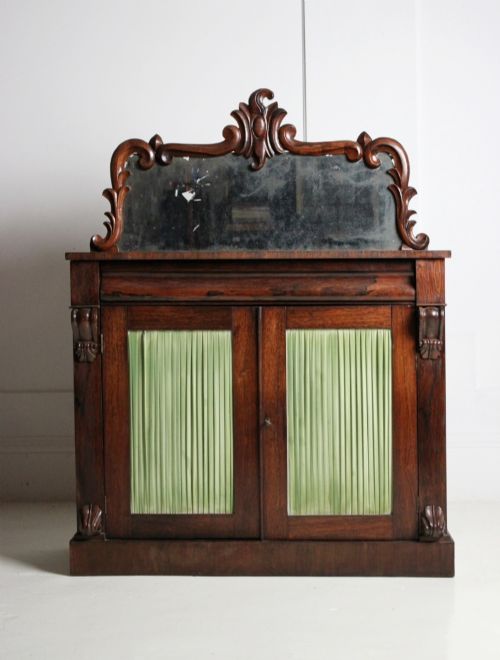
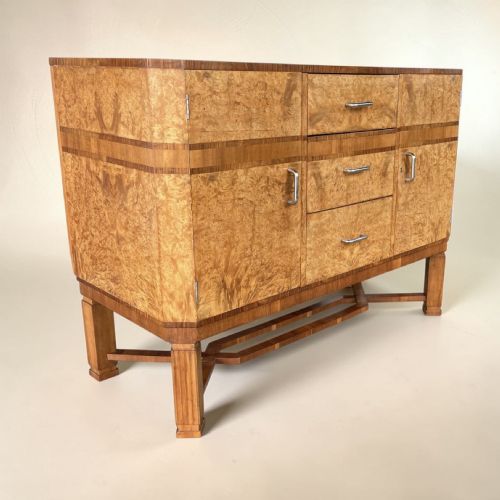
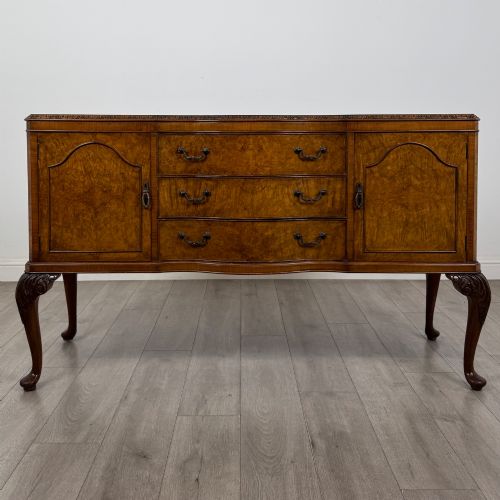
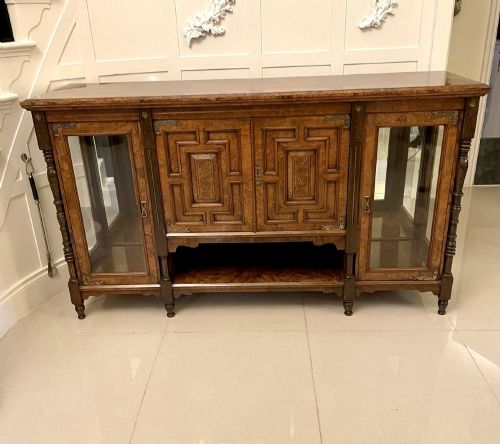
Antique Wood Storage Credenza
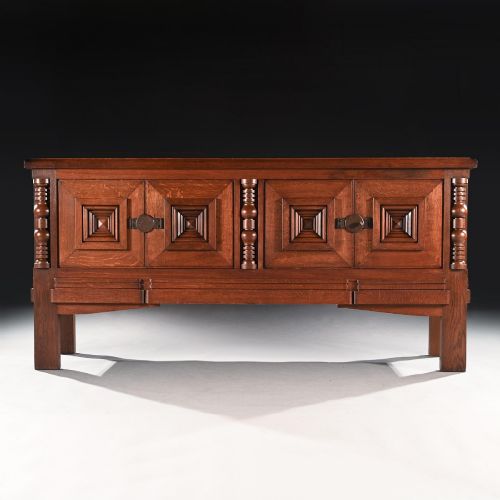
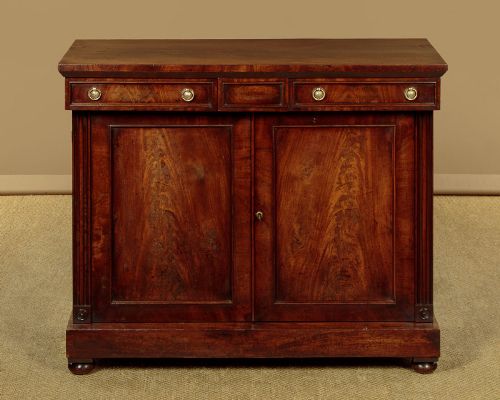
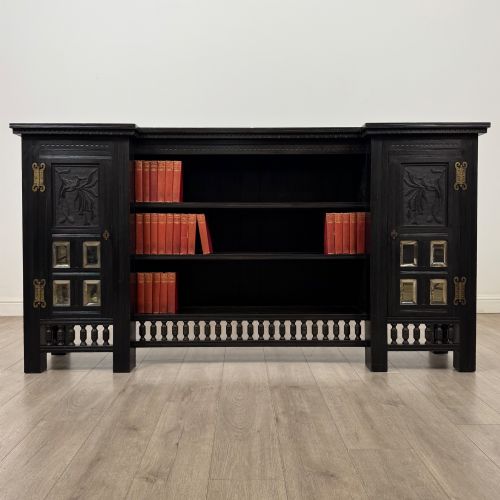
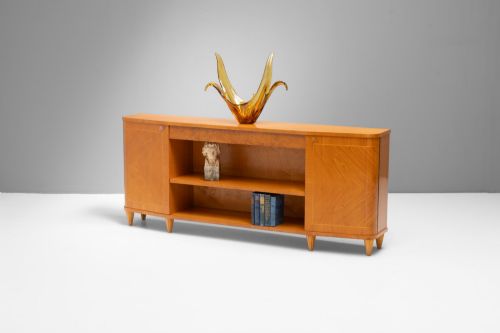
When you search for an antique wood storage credenza, you encounter timber sideboards, chiffoniers and cabinets spanning the nineteenth and early twentieth centuries.
Antique Wood Storage Credenza
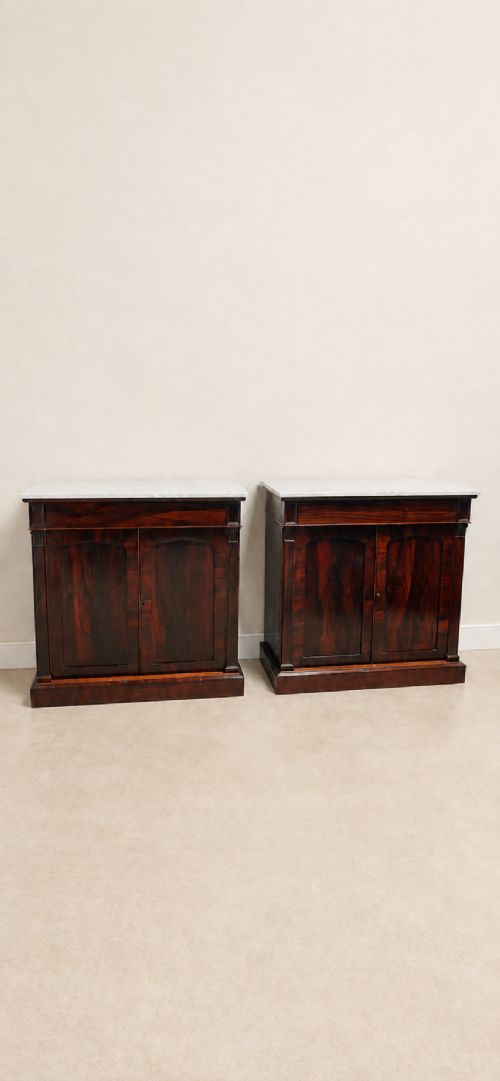
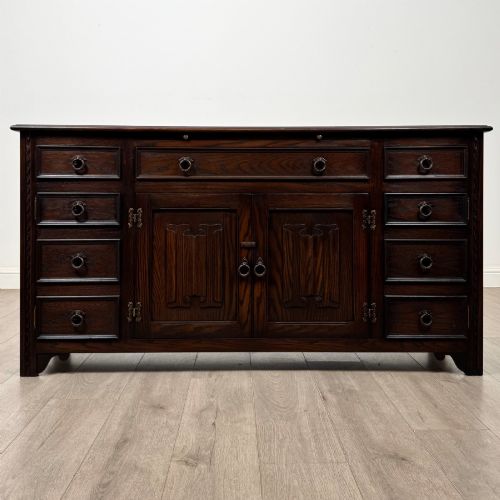
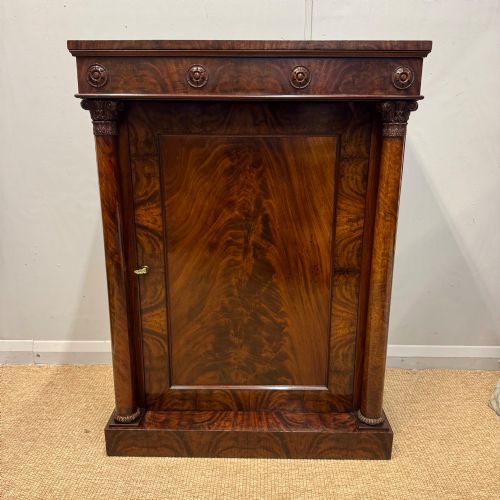
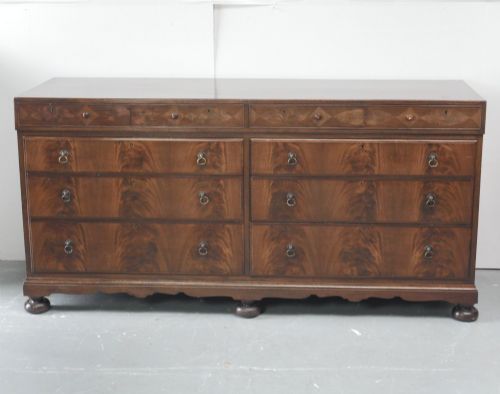
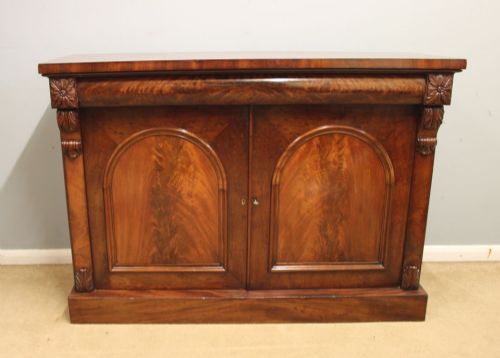
An antique wood storage credenza encompasses a range of heavy timber furniture including sideboards, chiffoniers, side cabinets and dresser bases. These items served dining rooms and reception rooms for storing china, linen and provisions while displaying decorative objects on top.
The pieces appearing on this page date principally from the Victorian, Edwardian and Regency periods, alongside earlier Georgian examples and later pieces from nineteen-twenty. Makers constructed them from sturdy native and exotic timbers to anchor domestic interiors.
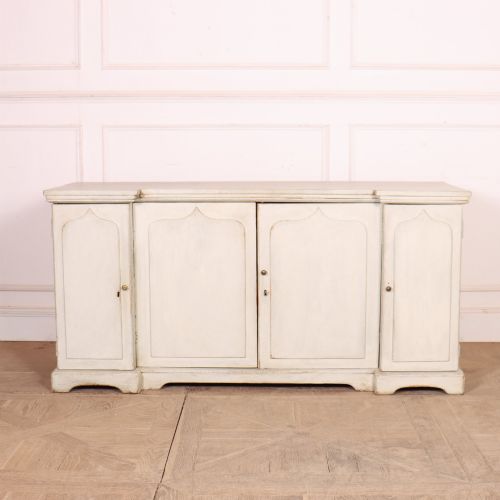
Buyers meet forms ranging from small bow-fronted sideboards to grand breakfront dressers and tall chiffoniers. Each type offers specific internal storage configurations behind doors and within drawers.
Materials and Construction Techniques
Cabinet makers utilised dense hardwoods such as mahogany, oak, rosewood and burr walnut, often selecting figured veneers for visual impact. Secondary timbers like pine appear in carcases and internal drawer linings.
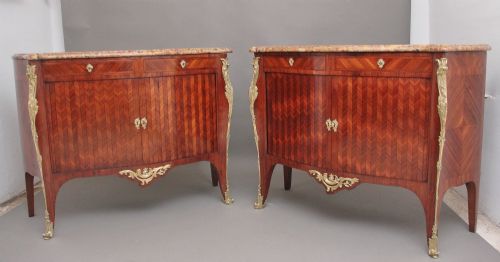
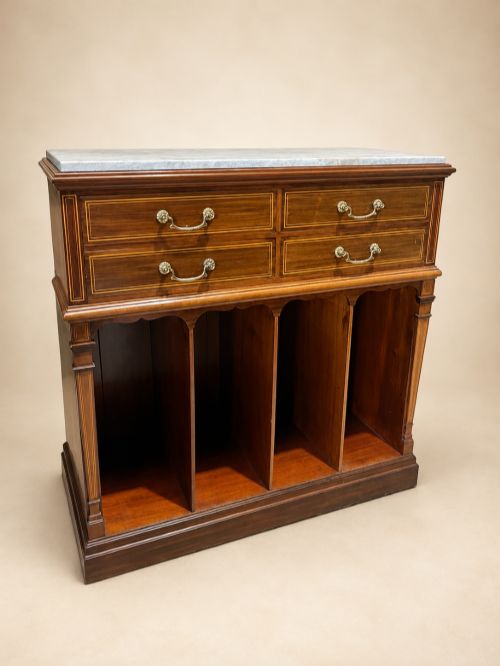
Construction frequently incorporated brass mounts, glass panels, marble tops and fabric backings within glazed doors. Surface finishes ranged from polished wax and french polish to simulated rosewood paint and decorative inlay.
Listings span multiple eras from the eighteenth century through to nineteen-thirty, dominated by Victorian, Edwardian and Regency periods in mahogany, oak and rosewood.
Factors That Separate the Ranges
Quality rests upon the selection of timber veneers and the precision of cabinet joinery, such as dovetailed drawer construction and tightly fitted doors. Superior examples display thoughtful proportions and harmonious grain matching across large surfaces.
The refinement of carved ornamentation, the presence of original brass hardware and specialised details like brass grille work or marble tops elevate certain pieces above standard utility furniture.
Whytock And Reid
The Antique Wood Storage Credenza Glossary
- Chiffonier
- A low cabinet or sideboard, popular during the Regency and Victorian eras, typically featuring shelves or a raised back above enclosed lower cupboards.
- Credenza
- A sideboard or buffet cabinet designed for storage and serving, originating in Italy and adopted into British interior design.
- Breakfront
- A piece of furniture whose central section projects forward from the flanking outer sections, creating architectural depth.
- Dresser Base
- A low, heavy table with drawers and cupboards beneath, functioning as a sideboard for storing dining equipment.
- Goncalo Alves
- A dense exotic hardwood with striking figuring, utilised for cabinet making during the Regency period.
Antique Wood Storage Credenza: Frequently Asked Questions
What is the difference between a chiffonier and a sideboard?
A sideboard is typically a longer piece designed primarily for dining room service and storage, whereas a chiffonier is generally more compact and often incorporates a superstructure with shelves above the main cabinet.
Both forms belong to the broader category of wooden storage furniture found in nineteenth-century interiors.
Which woods were commonly used for these cabinets?
Cabinet makers relied heavily on mahogany, oak and rosewood, alongside decorative veneers like burr walnut and satinwood. Secondary woods such as pine appear inside carcases and drawer boxes.
Selection depended on the period style, ranging from dark solid oak in Jacobean revivals to highly figured rosewood in Regency pieces.
How do I date a Regency piece?
Regency items date from the early nineteenth century and often feature classical motifs, brass inlay, brass grilles and exotic timbers like rosewood or goncalo Alves. Proportions tend to be clean and architectural.
Comparing construction methods and hardware against documented examples helps confirm this specific era.
Where should I place a credenza in a modern home?
These versatile timber cabinets function effectively in dining rooms for tableware, in hallways for general storage, or in living spaces as media consoles. Their flat tops provide surface area for lamps and decorative displays.
Ensure the room dimensions accommodate the specific depth and length of the chosen sideboard.