
Victorian Cabinet with Glass
A victorian cabinet with glass offers a clear window into nineteenth-century domestic display, combining timber frames with transparent panels.
Victorian Cabinet with Glass
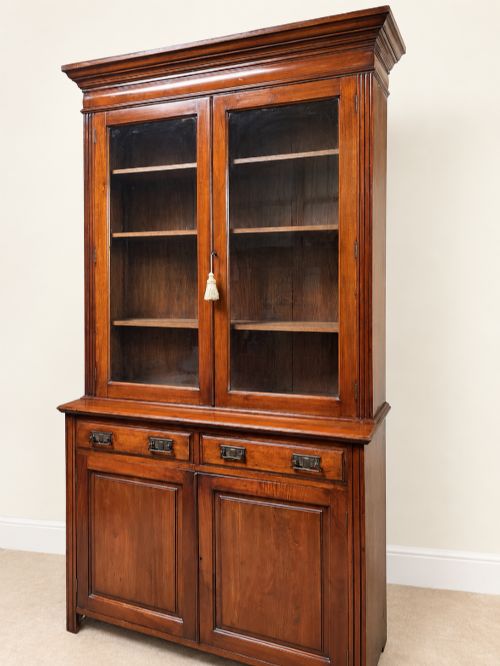
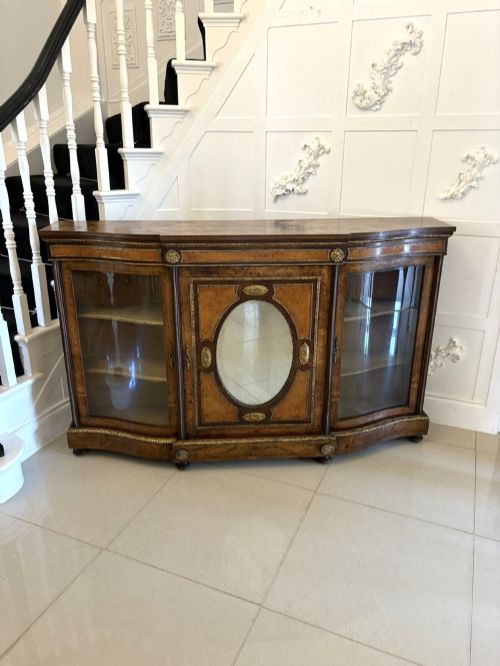
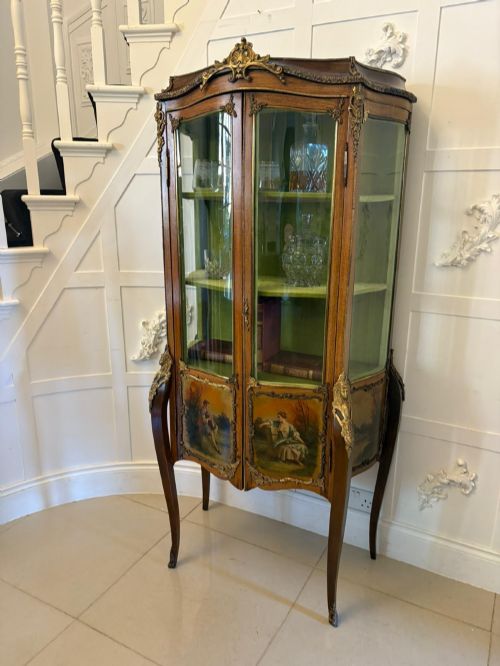
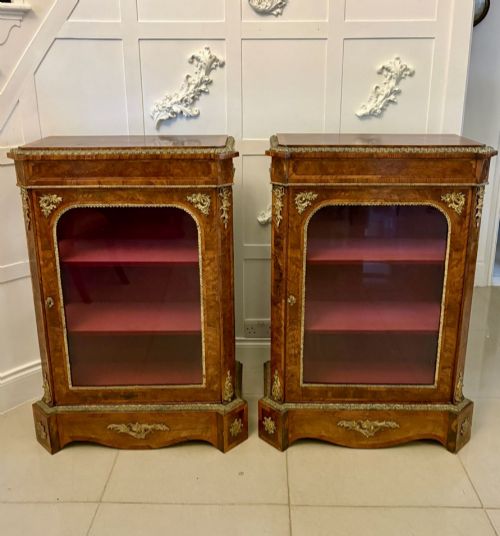
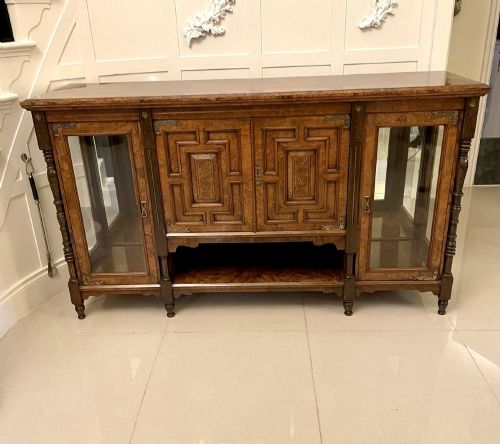
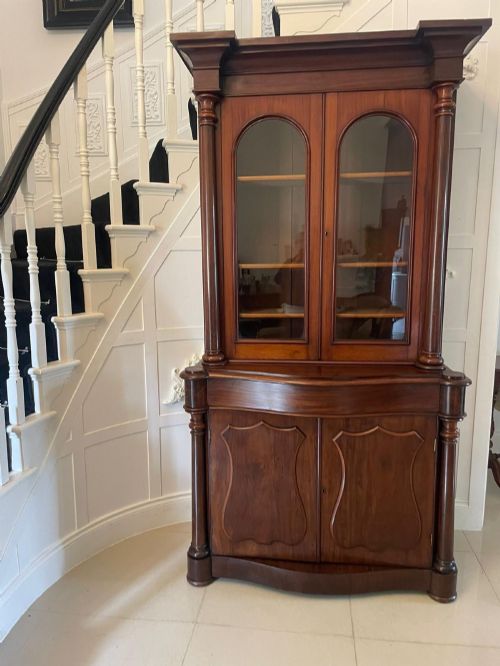
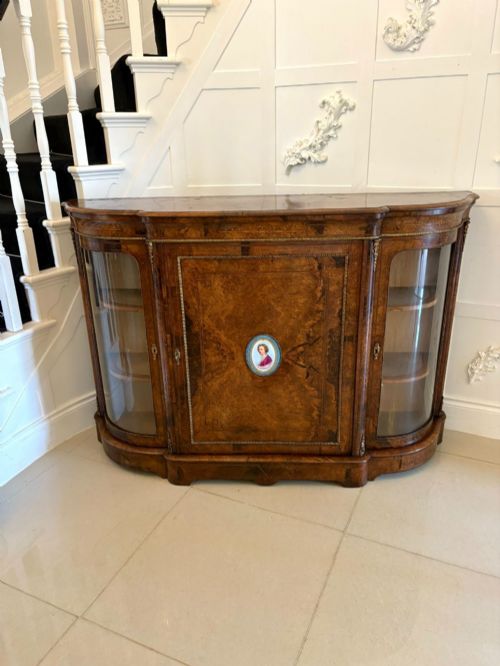
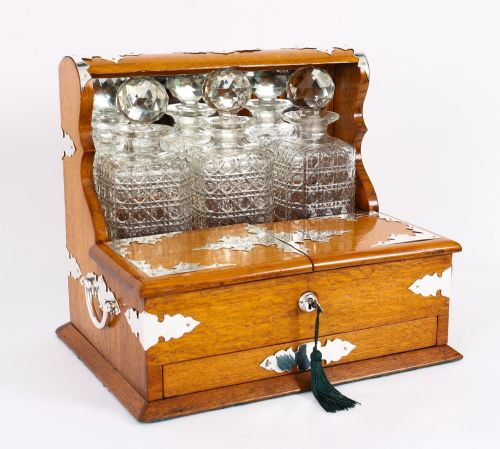
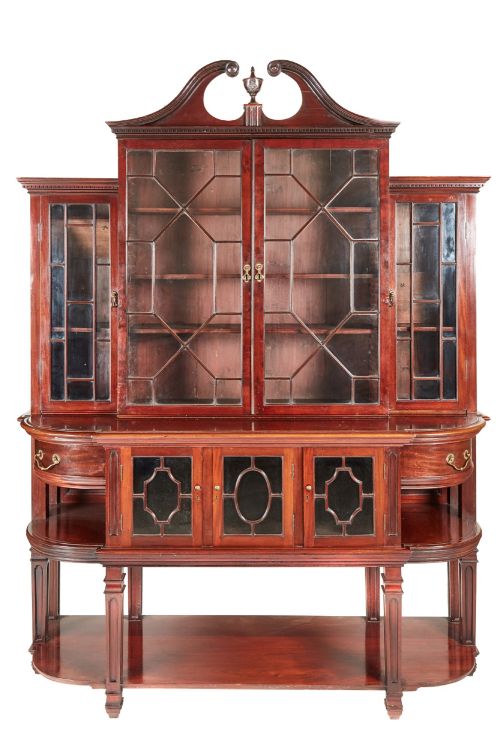
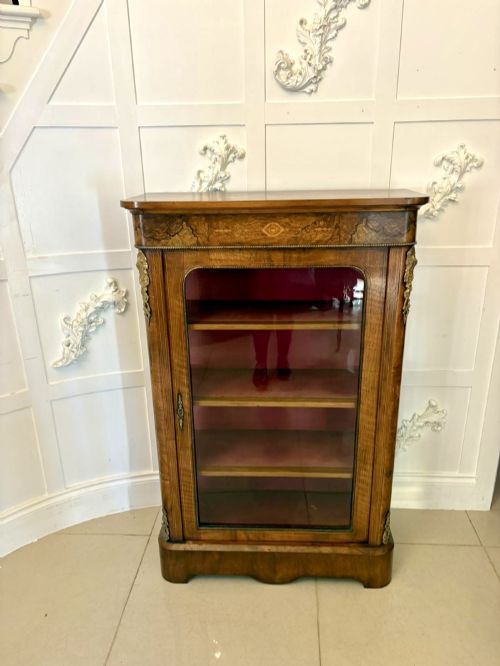
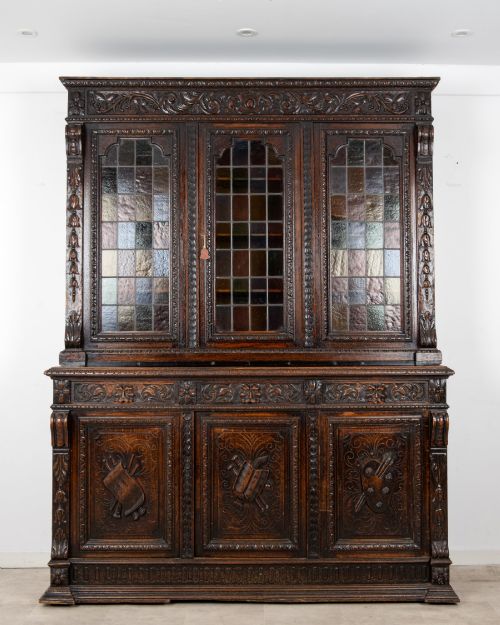
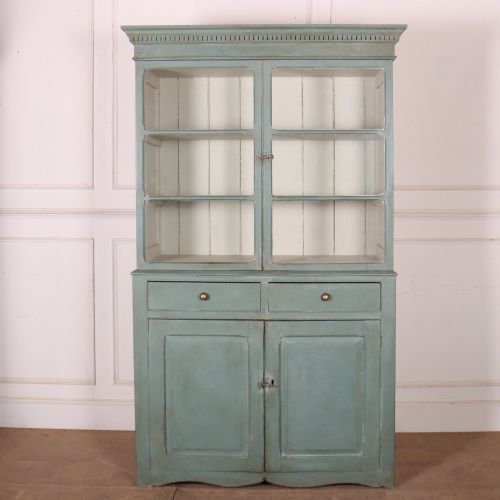
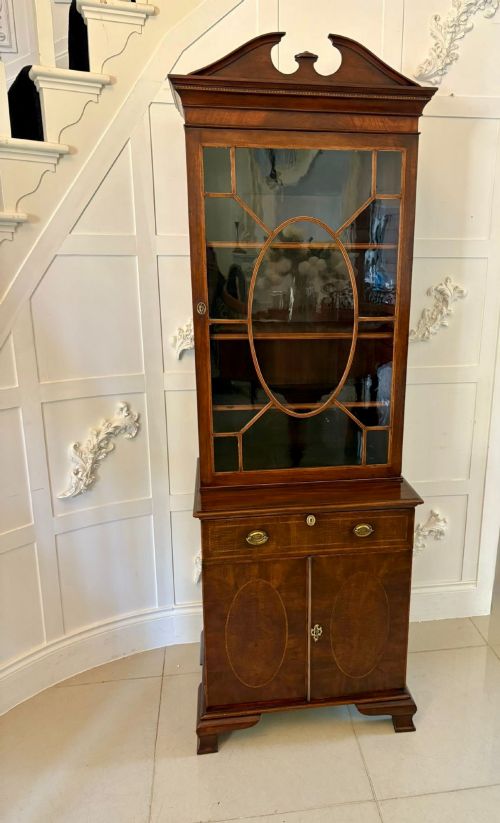
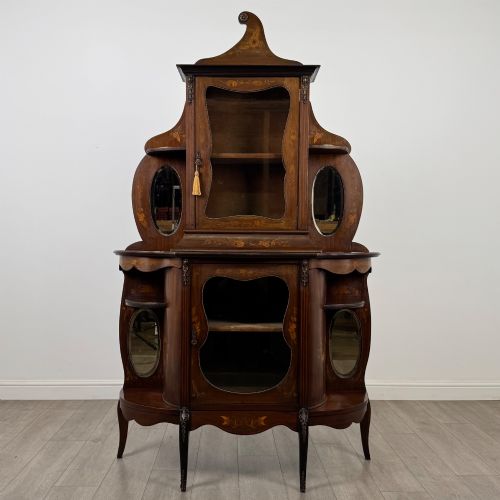
A victorian cabinet with glass primarily takes the form of a display cabinet, pier cabinet, credenza, or bookcase designed to exhibit cherished objects inside the home. These pieces emerge predominantly from nineteenth-century English and Scottish workshops, spanning the Victorian and Edwardian periods.
Buyers meet varied iterations ranging from slender pier cabinets designed for compact reception rooms to large breakfront bookcases and credenzas intended for principal drawing rooms. The selection encompasses regional country pieces alongside urban workshop productions with formal architectural proportions.
Materials and Construction
Cabinet makers built primary structures from solid and veneered hardwoods, utilising mahogany, burr walnut, and oak, often enriched with contrasting stringing, boxwood marquetry, and ebony inlay. Ormolu mounts, brass panels, and fabric linings provide structural accents and interior finish.
Glass panels are fitted into timber doors or framing, paired with adjustable shelving, mirrored backs, and occasionally Sevres plaques or painted decorations. Joinery techniques reflect period hand-tool methods combined with early mechanical saw production for mouldings and glazed frames.
The inventory spans the Victorian, Edwardian, and nineteenth-century periods, encompassing display pieces, bookcases, and credenzas.
Craftsmanship and Detail
Quality separates through the selection of timber veneers, such as figured burr walnut and rich mahogany, matched symmetrically across door panels and friezes. Fine marquetry, delicate stringing, and well-cast ormolu mounts indicate superior workshop production.
Structural integrity reveals itself in the execution of glazed doors, the refinement of carved ornamentation, and the preservation of original internal fittings like adjustable glass shelves and silk linings.
Maison Gagneau·James Winter and Sons·Druce and Co
The Victorian Cabinet with Glass Glossary
- Pier cabinet
- A low freestanding cabinet designed to fit wall spaces between windows, typically featuring a glazed single door and ormolu mounts. These pieces were popular in Victorian drawing rooms for displaying small decorative items.
- Credenza
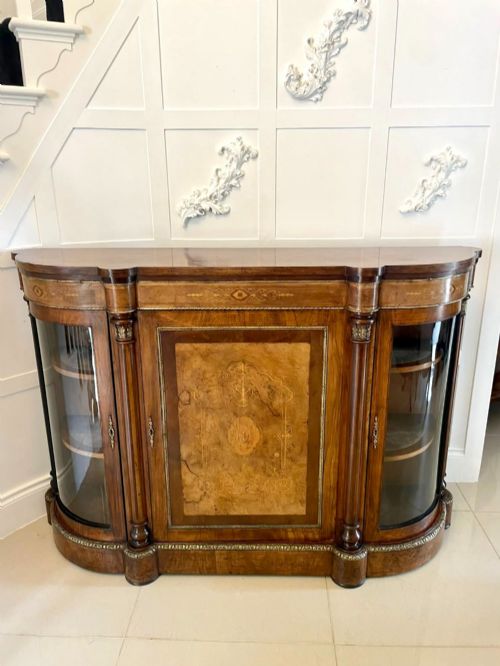
- A low sideboard or cabinet developed during the Victorian era, frequently fitted with central glazed doors flanked by curved side cupboards. They often incorporate marquetry and gilt-bronze mounts.
- Ormolu
- Gilt-bronze decorative mounts applied to cabinetry and furniture frames during the nineteenth century. The technique involves coating cast bronze in a layer of finely ground gold amalgam.
- Marquetry
- The art of applying decorative veneer pieces of different woods, fruitwoods, and shell to form geometric or pictorial designs on a cabinet surface. It requires precise cutting and fitting into the primary timber ground.
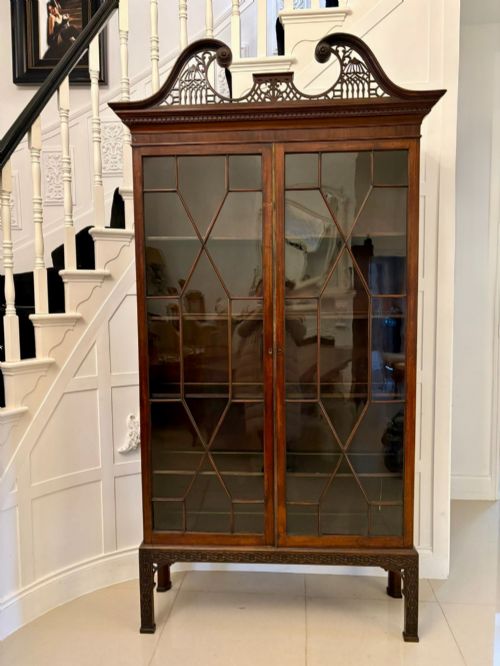
- Astral glazed
- A term describing glass doors divided into small panes by narrow wooden glazing bars arranged in geometric or Gothic patterns. This method creates a lighter framework for displaying books and porcelain.
Victorian Cabinet with Glass: Frequently Asked Questions
What rooms suit a Victorian glass cabinet?
These cabinets suit drawing rooms, dining spaces, and studies where books, ceramics, and small curiosities benefit from dust-protected display.
Their varied proportions allow slim pier cabinets to fit compact alcoves while larger credenzas anchor principal walls.
How do I care for antique glass and wood?
Maintain stable indoor humidity to protect nineteenth-century wood veneers from shrinking and to preserve the integrity of older glass panes.
Clean timber surfaces with appropriate wax polishes and use dry cloths on glass without applying harsh chemical sprays near historic frames.
Are the shelves inside adjustable?
Many examples feature adjustable wooden or glass shelving supported by nineteenth-century rack systems or metal shelf supports.
This adaptability allows collectors to display objects of varying heights inside the glazed enclosure.
How do I distinguish walnut from mahogany?
Walnut displays a rich brown tone with prominent swirling grain patterns and burr figuring, especially on Victorian credenzas and pier cabinets.
Mahogany ranges from deep reddish-brown to dark brown with straight grain or flame figuring, commonly seen in bookcases and display cabinets.