

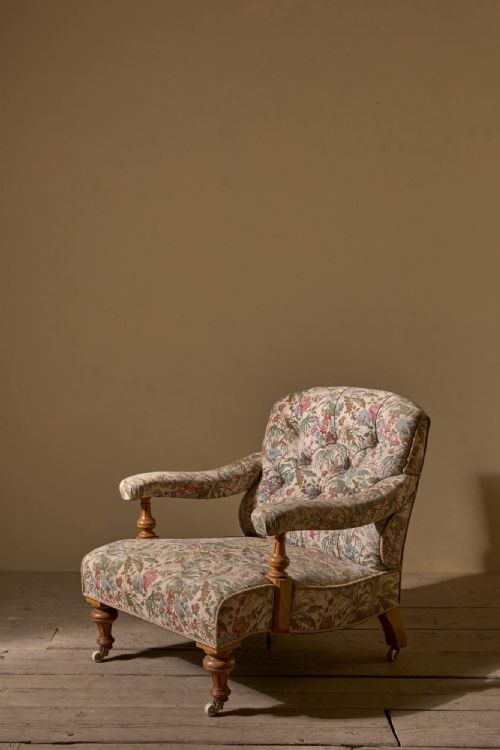
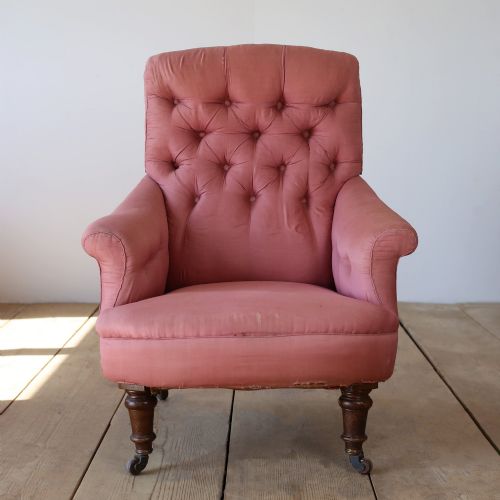
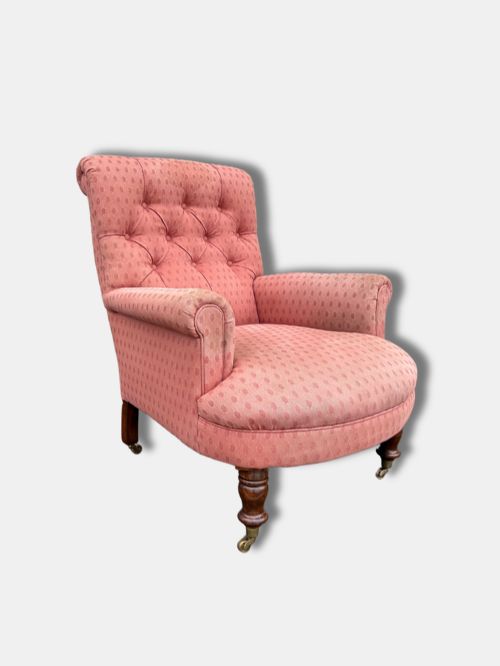
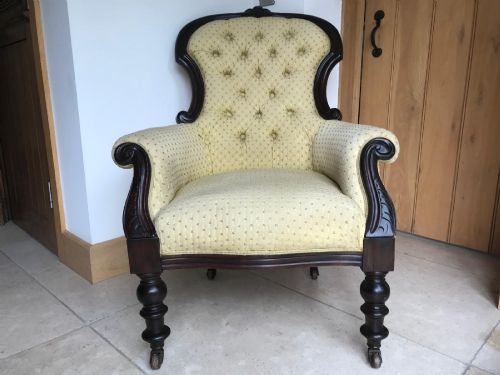
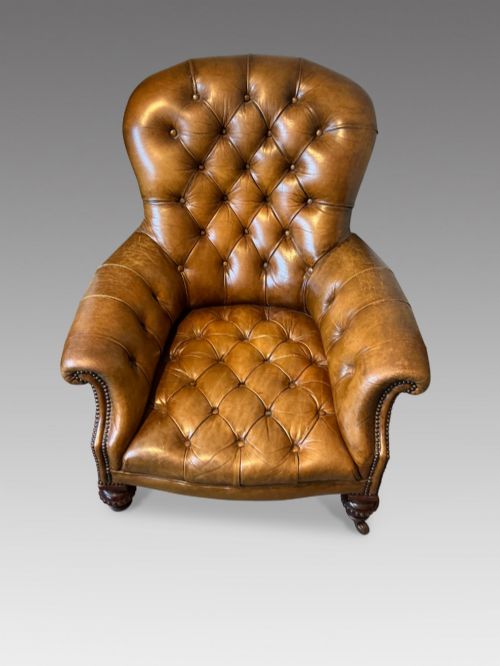
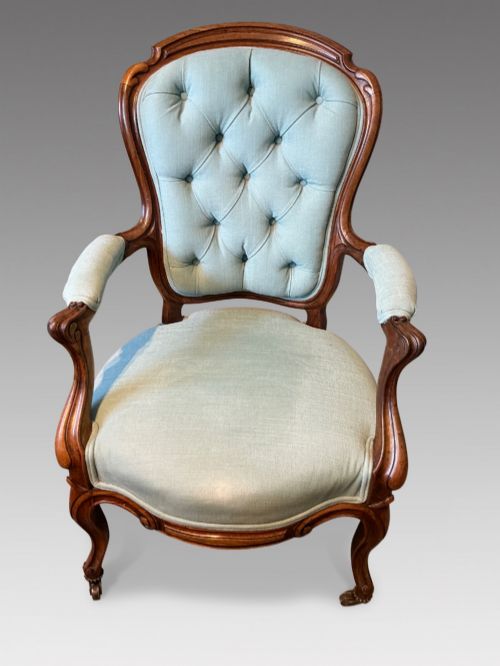
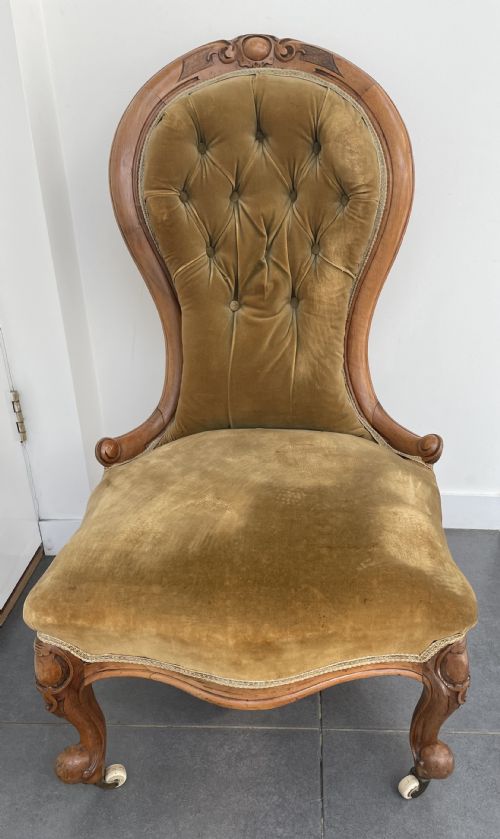
Victorian Button Back Armchair
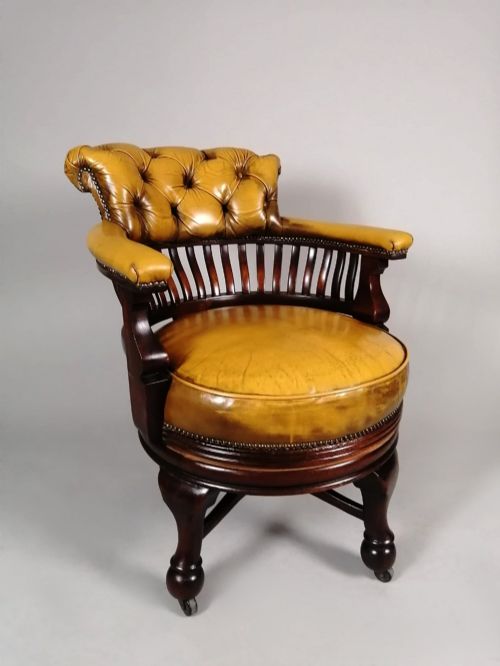
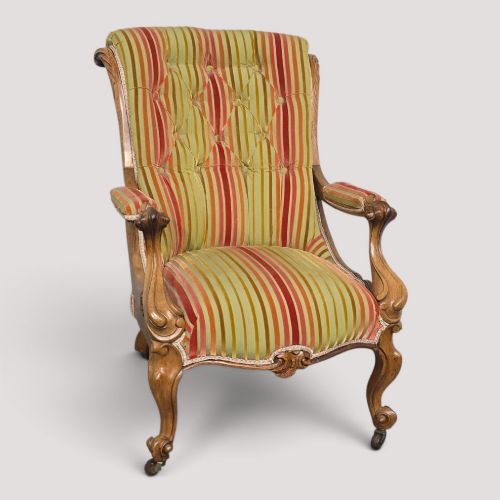
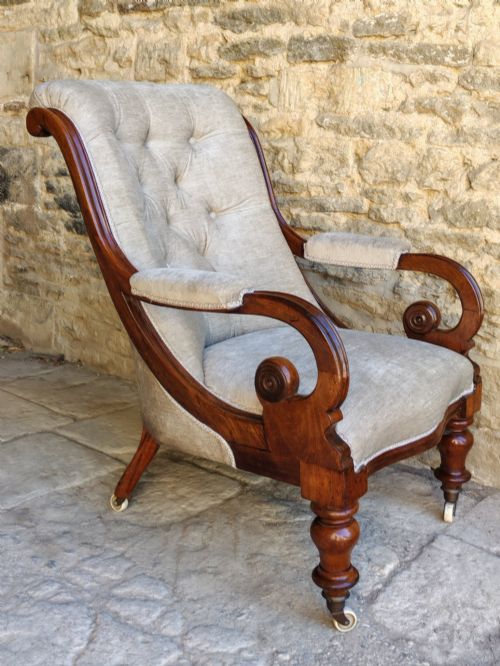
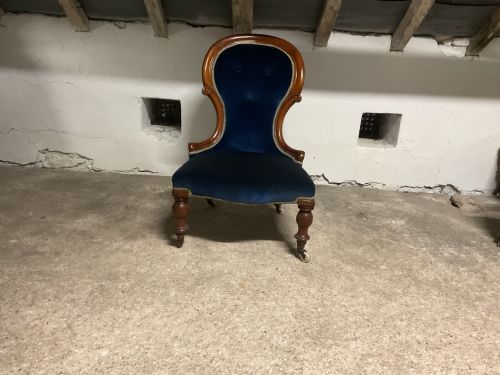
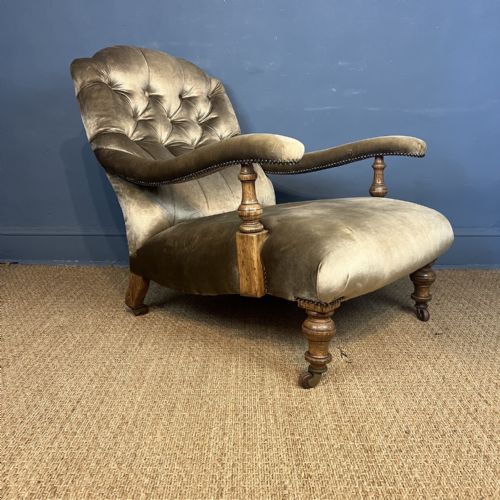
A victorian button back armchair offers deep-seated comfort through padded upholstery secured with inset tufts.
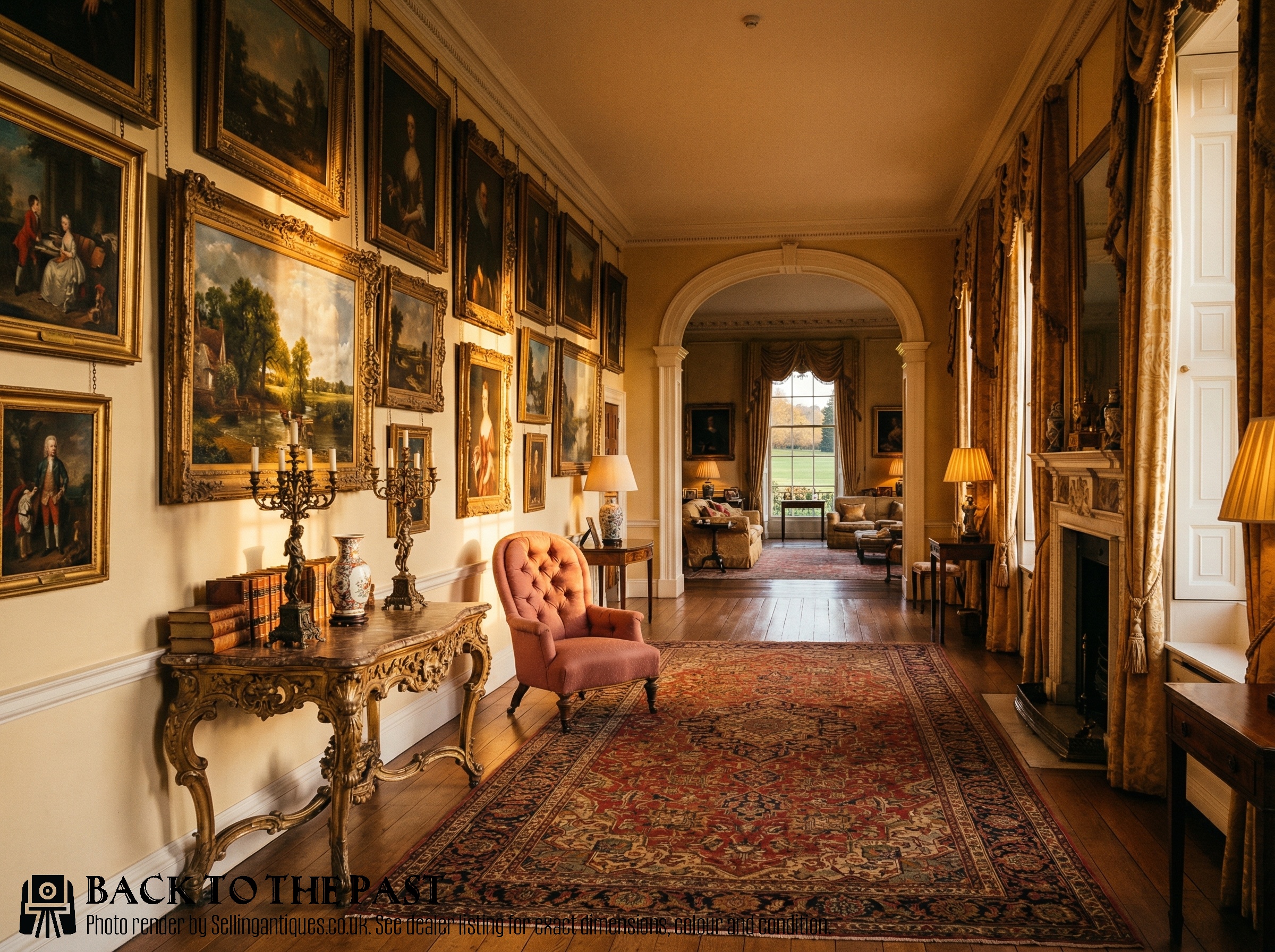
Victorian Button Back Armchair
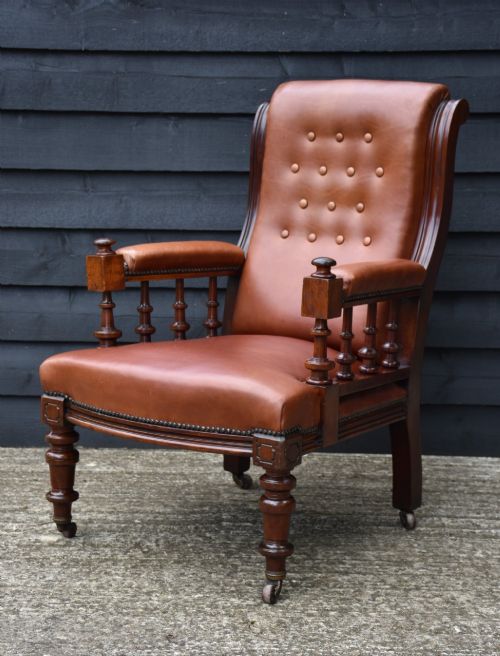
A victorian button back armchair belongs primarily to the nineteenth century, spanning periods from Regency to Edwardian times. These seating pieces appear in forms such as library armchairs, nursing chairs, and deep-seated fireside models designed for domestic parlours.
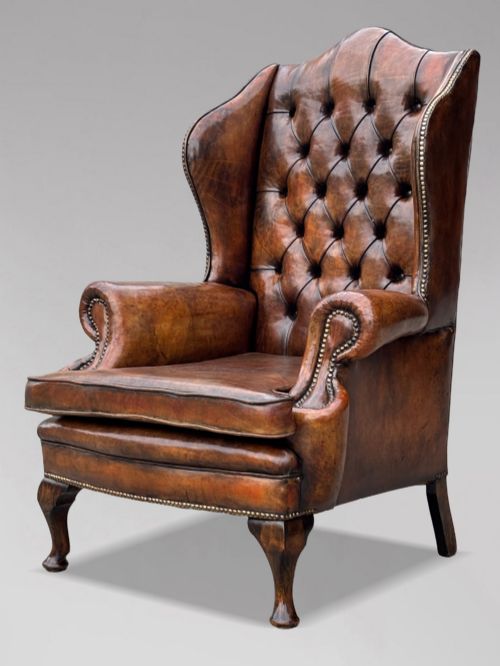
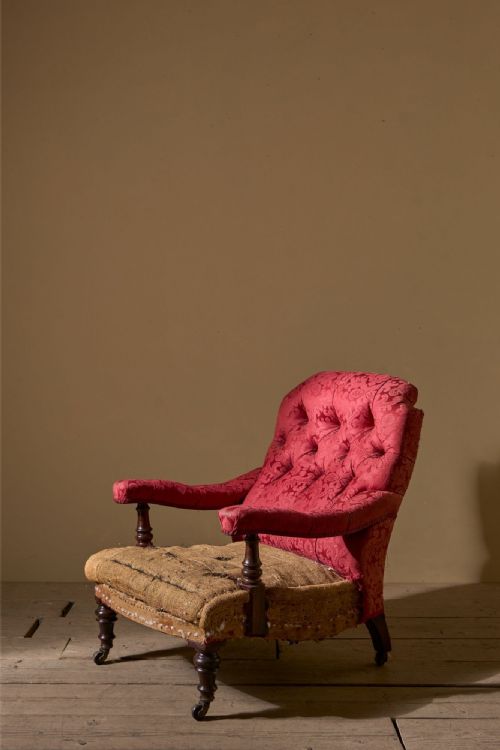
Makers and workshops of the era produced these chairs in various structural formats, including open armchairs, wing chairs, and occasional seating. The upholstery layout incorporates characteristic tufted buttons across the backrest, often combined with sprung seats.
Examples on this page draw from Victorian, Regency, and William IV design traditions, reflecting English country house aesthetics as well as formal salon styles. Pieces range from diminutive bedroom chairs to large library seating fitted with reading stands.
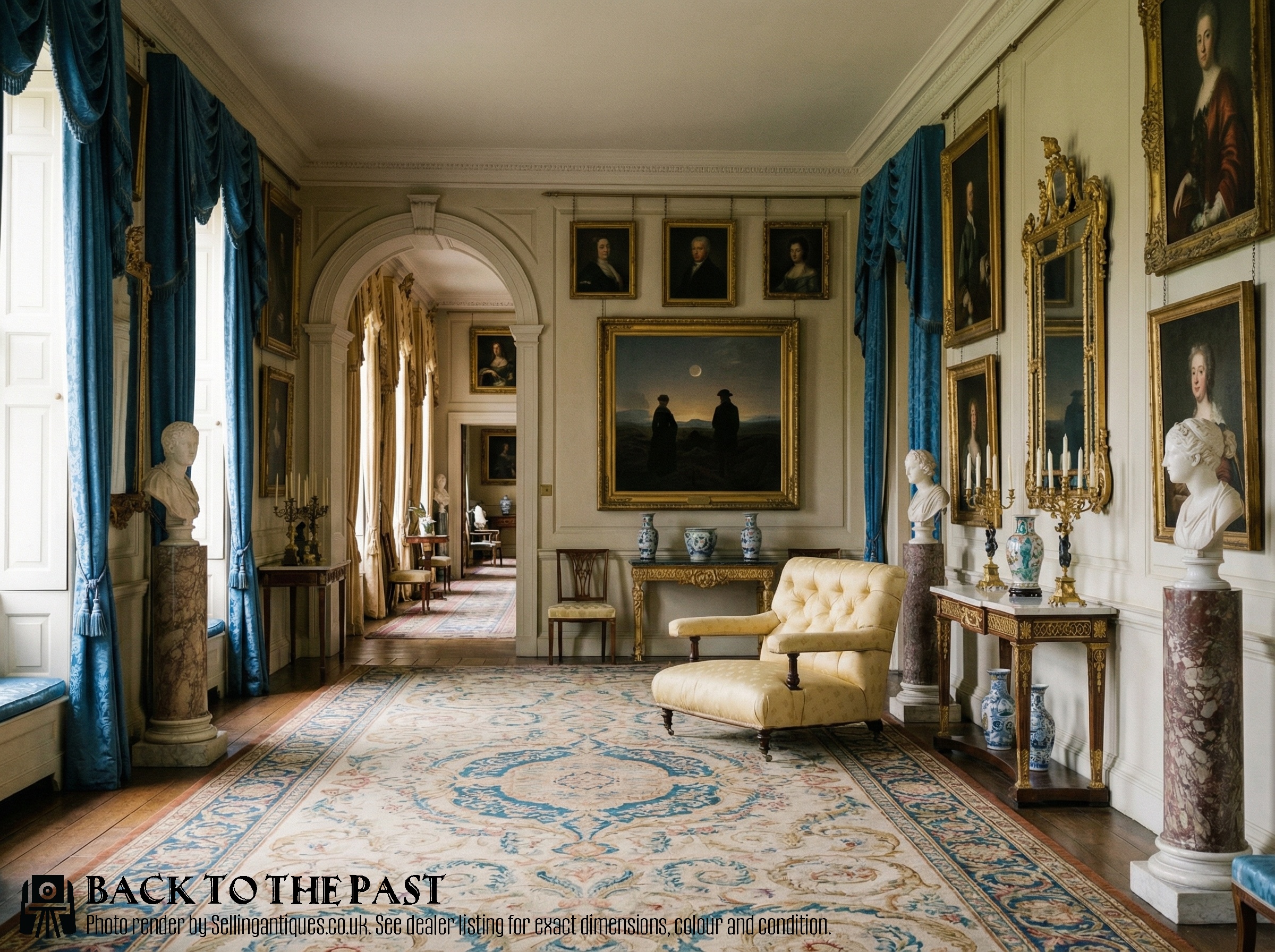
How they were made
Frames rely on timbers such as mahogany, walnut, oak, and rosewood, alongside occasional iron framing for internal structure. Wood components frequently feature turned legs, carved details, or cabriole supports.
Upholstery techniques involve securing fabric, velvet, leather, or calico over padding with tightly pulled buttons that create diamond or square tufting patterns. Brass fittings and castors often complete the lower framework of these chairs.
Victorian Button Back Armchair Retail Price Guide 2026
Typical asking prices for victorian button back armchair among the pieces listed under this phrase on Sellingantiques today, from the lower quarter to the upper quarter. They describe what is for sale here now, not the wider market.
Upholstery materials recorded in the archive include leather, velvet, calico, and fabric.
What varies in quality
Construction standards depend on the rigidity of the timber frame and the precision of the joinery beneath the upholstery. Robust hardwood frames support heavy daily use better than lighter alternative builds.
The execution of the button tufting and the selection of covering materials dictate the visual finish. High-grade leather, velvet, and patterned fabrics demonstrate superior durability and tactile finish compared to basic cotton calico.
Howard and Sons·Gillows·Holland and Sons·C Hindley and Sons·Mellier and Co
The Victorian Button Back Armchair Glossary
- Button back
- An upholstery method where tufting buttons are pulled deep into the padding to form a geometric grid. This technique secures the internal stuffing while creating a cushioned, textured surface.
- Library armchair
- A substantial seating form designed for reading rooms, often featuring wide armrests and sturdy timber construction. These chairs prioritize ergonomic support for extended periods of study.
- Nursing chair
- A low-seated armchair created to allow comfortable sitting close to a hearth or infant. They typically feature compact proportions and open or low armrests.
- Cabriole leg
- A furniture leg that curves outward in a convex arc before tapering inward in a concave sweep ending in a foot. This decorative shape appears frequently on mid-nineteenth-century seating frames.
- Wing chair
- An armchair with high back panels extending forward to protect the sitter from draughts. These upholstered sides enclose the upper body for warmth.
Victorian Button Back Armchair: Frequently Asked Questions
Where were these chairs used?
These chairs served primarily in domestic reception rooms, libraries, and bedrooms across English homes. Owners placed them near fireplaces or desks for daily reading and relaxation.
Larger library and wing variants occupied formal public rooms, while smaller nursing chairs sat closer to hearths in private quarters.
How do I clean leather upholstery?
Leather surfaces benefit from gentle dusting with a dry cloth and occasional treatment with appropriate leather conditioners. Avoiding harsh chemical cleaners preserves the natural hide.
Proper maintenance prevents the leather from drying out or cracking over decades of use.
How do I identify a Victorian piece?
Dating relies on examining the timber frame, turning styles, and structural materials typical of nineteenth-century cabinet making. Iron framing and specific rosewood or walnut veneers often point directly to this era.
Construction marks and workshop stamps can also confirm the manufacturing period.
Can I use these chairs daily?
Sturdy hardwood frames and solid joinery make these pieces suitable for regular seating in modern living spaces. Checking the internal webbing and padding ensures structural readiness.
Many examples survive in robust working condition after professional reupholstery.