



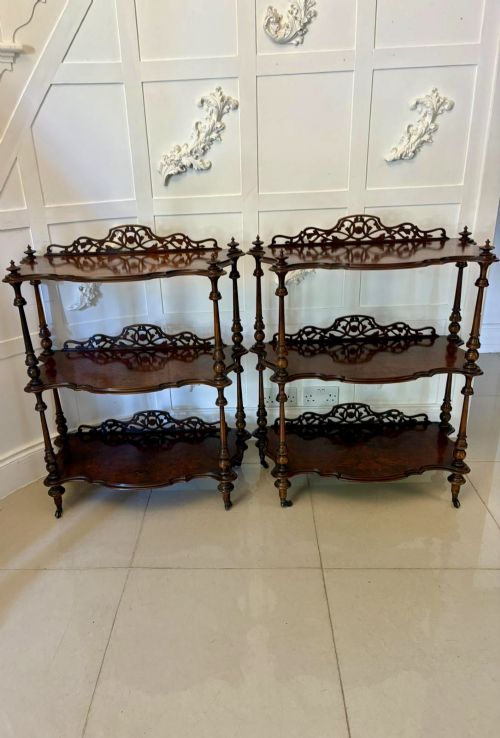
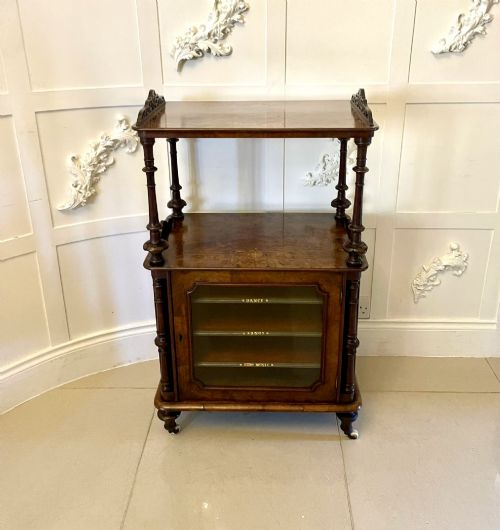
Victorian Burr Walnut Stand
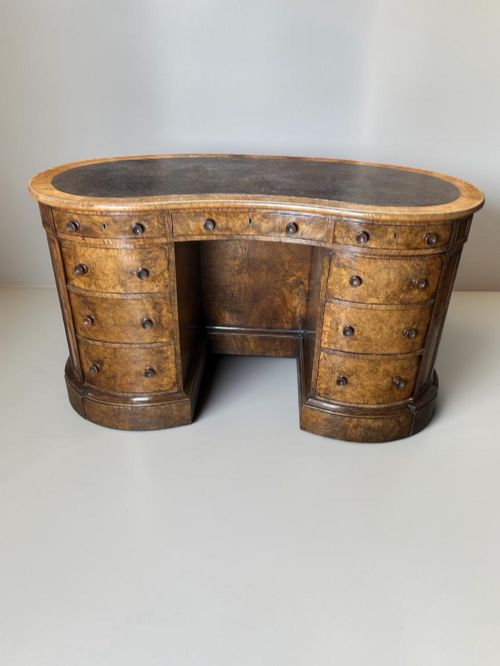
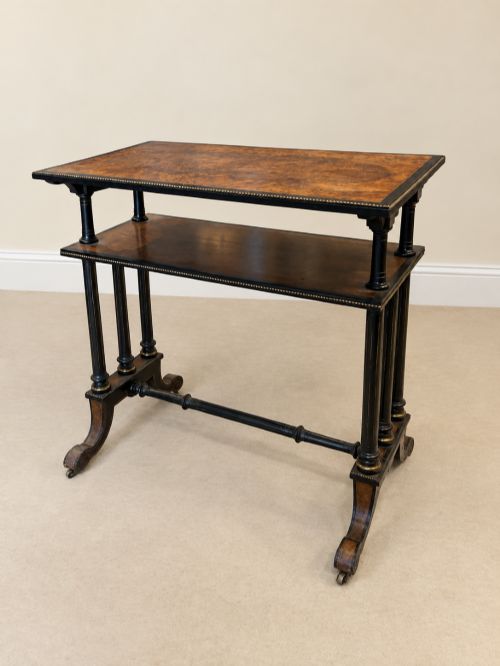
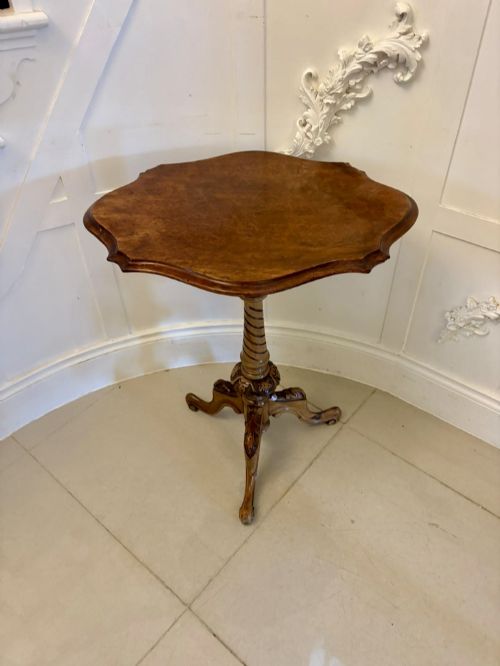
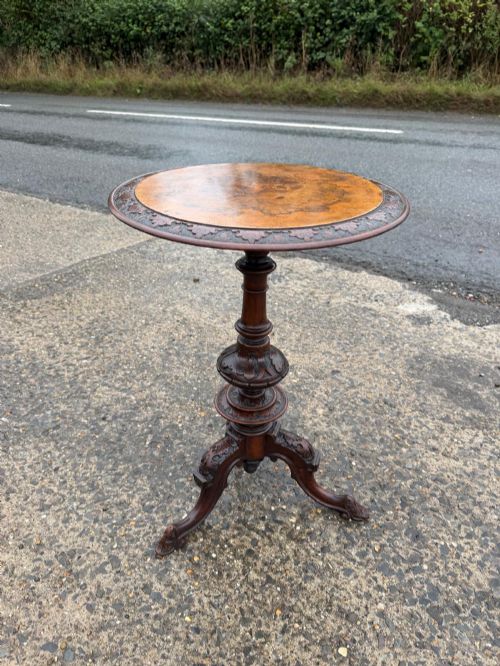
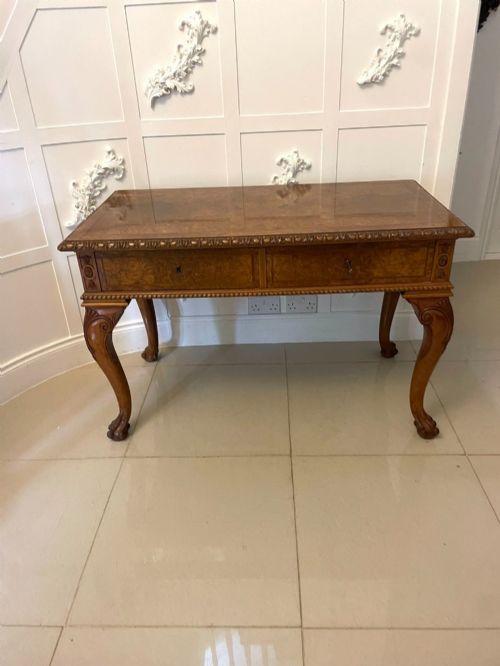
A victorian burr walnut stand brings the distinctive figuring and rich warmth of nineteenth-century timber into a room.
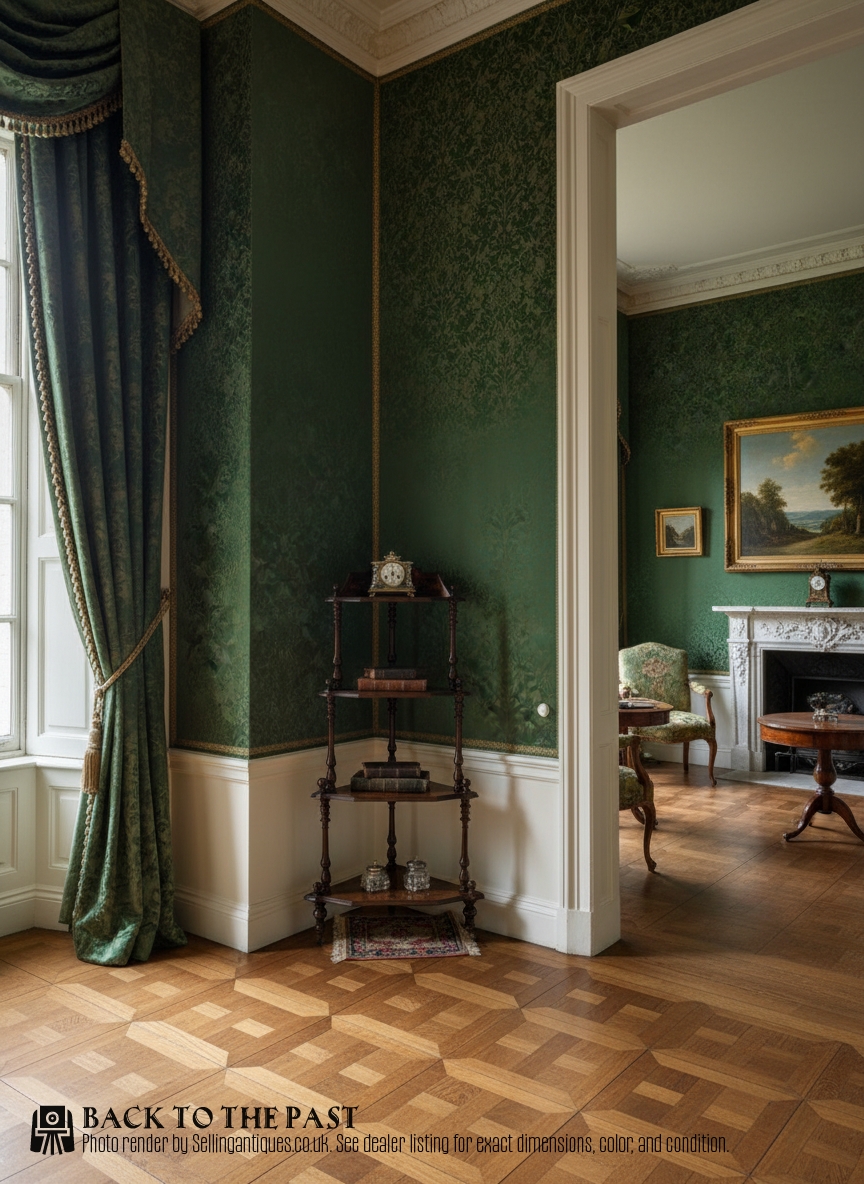
Victorian Burr Walnut Stand
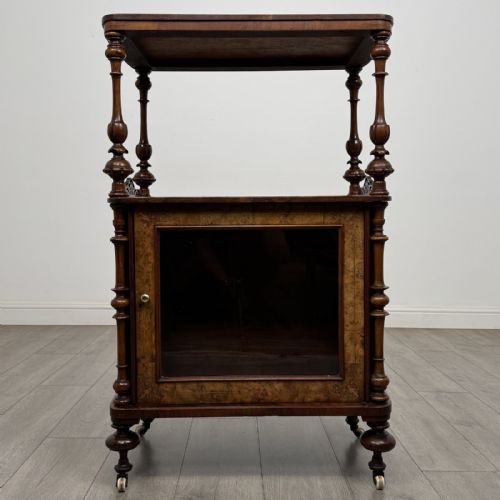
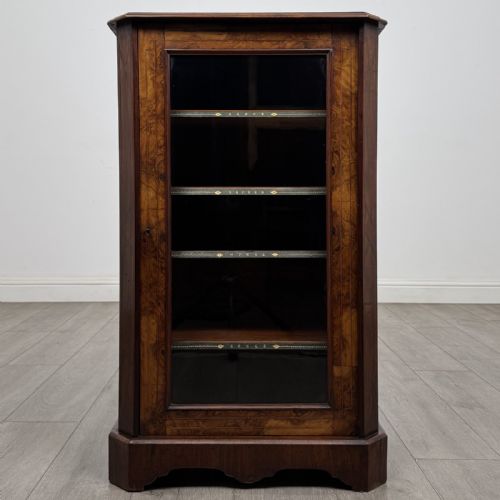
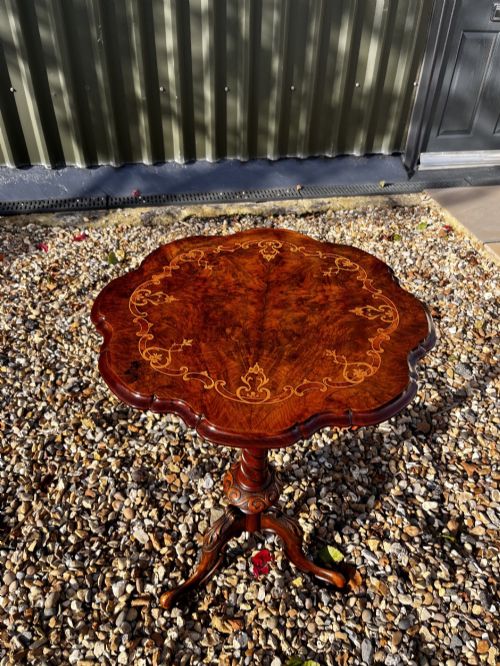
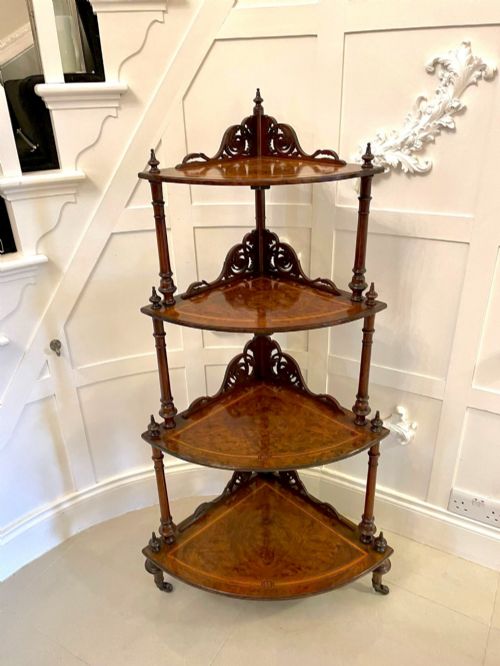
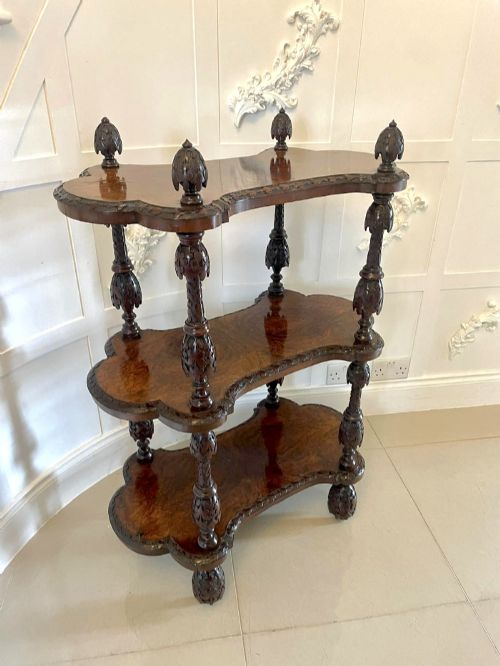
A buyer seeking a victorian burr walnut stand encounters multi-tiered whatnots, lamp tables, and divided canterburys designed to hold sheet music or periodicals. These pieces emerge predominantly from nineteenth-century British workshops, spanning decades from the eighteen-fifties through to the late Victorian era.
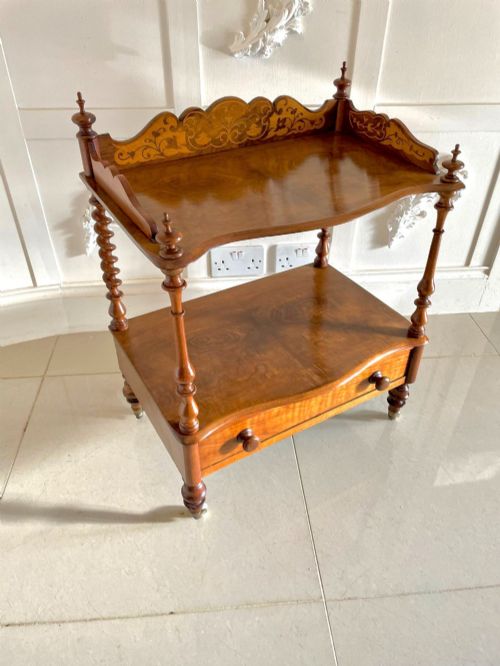
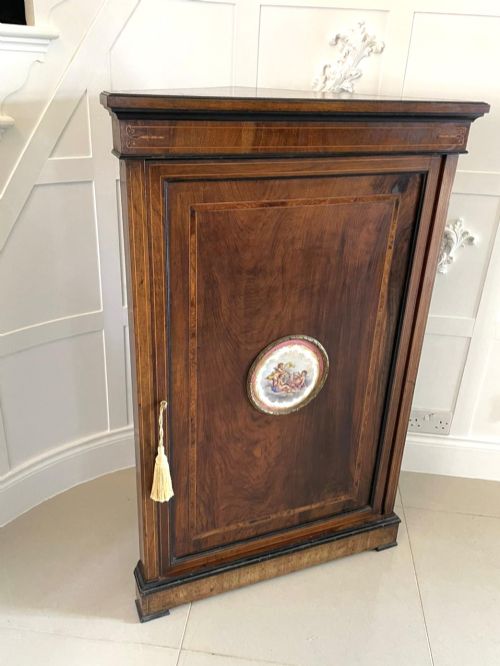
Canterburys and whatnots form the most common domestic variants on this page, often built with serpentine fronts or revolving bookstands. Occasional tables and side cabinets also appear, utilising the same figured wood surfaces intended for parlour display.
Materials and Technique
Cabinetmakers applied highly figured burr walnut veneers over solid secondary timbers, frequently enhancing the design with marquetry inlay, boxwood stringing, or gilt metal mounts. Turning and carving shape the upright supports and legs, which connect tiers, shelves, or compartments.
Construction methods rely on traditional joinery paired with brass castors and hinges, while secondary materials such as ceramic, glass, and ebonised wood appear on specific music cabinets and planters.
Victorian Burr Walnut Stand Retail Price Guide 2026
Typical asking prices for victorian burr walnut stand among the pieces listed under this phrase on Sellingantiques today, from the lower quarter to the upper quarter. They describe what is for sale here now, not the wider market.
Victorian pianists required dedicated lounge servers and revolving bookstands simply to keep their evening entertainment from sliding onto the parlour carpet.
Assessing the Pieces
Quality rests in the intensity and symmetry of the burr walnut grain selected for the primary visual surfaces, alongside the crispness of any carved detailing or floral marquetry. Pieces displaying serpentine shaping or complex tiered architectures demand greater carpentry skill than plain rectilinear equivalents.
Proportion, structural integrity, and the preservation of original mounts or castors distinguish standard utility items from exhibition-grade furniture produced by prominent nineteenth-century firms.
Gillow and Co·Maple and Co
The Victorian Burr Walnut Stand Glossary
- Burr walnut
- A specialised wood veneer taken from the wart-like growths on walnut trees, yielding intricate, swirling grain patterns highly prized for Victorian cabinetwork.
- Canterbury
- A low multi-partitioned stand originally designed to hold sheet music, newspapers, or magazines, often mounted on castors with a drawer below.
- Whatnot
- An open set of freestanding shelves supported by slender pillars, utilised in the nineteenth century for displaying ornaments and books.
- Marquetry
- The decorative art of applying pieces of veneer into a structured background to form intricate floral or geometric pictorial designs.
- Serpentine front
- A furniture edge or cabinet front curving outward in the centre and inward at the sides, creating a fluid, undulating profile.
Victorian Burr Walnut Stand: Frequently Asked Questions
What is a whatnot used for?
A whatnot served as a display piece in nineteenth-century parlours, holding small ornaments, ceramics, and books across multiple open shelves.
Today, these tiered stands function effectively as corner display units or bedside surfaces in rooms where floor space is limited.
How do I care for burr walnut?
Burr walnut benefits from consistent indoor humidity and protection from direct sunlight to prevent veneer drying or fading over time.
Regular dusting with a dry cloth maintains the polish, while occasional waxing preserves the rich lustre of the timber.
Where were these stands made?
Most pieces originate from British workshops and cabinetmakers active during the nineteenth century, utilising imported European veneers.
Regional variations appear occasionally, including pieces attributed to Scottish or Irish makers working in the Victorian style.
Can a music cabinet hold books?
Music cabinets feature interior partitions and shelves originally dimensioned to store bound sheet music and folios neatly.
These compartments accommodate modern books, magazines, or vinyl records with equal ease inside a compact footprint.