
Victorian Bronzes
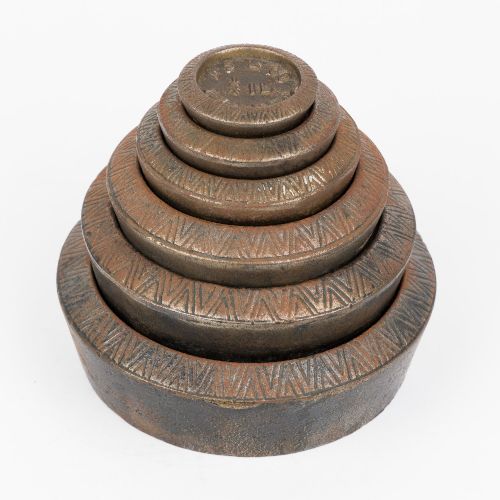
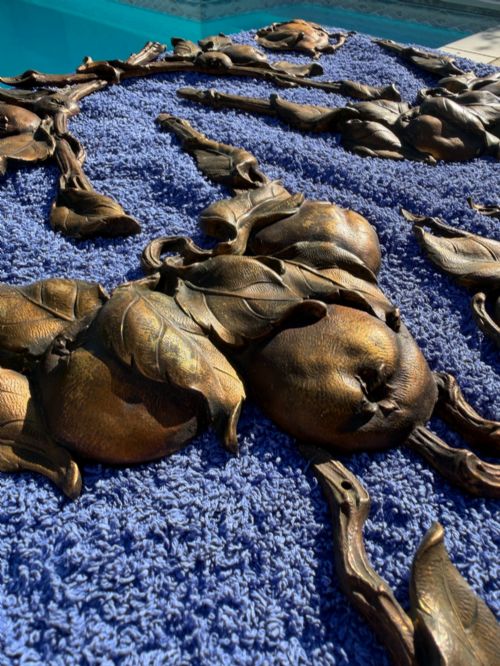
Victorian bronzes bring the weight of nineteenth-century metalwork into a room, offering tactile detail from mantel clocks to animalier figures.
Victorian Bronzes
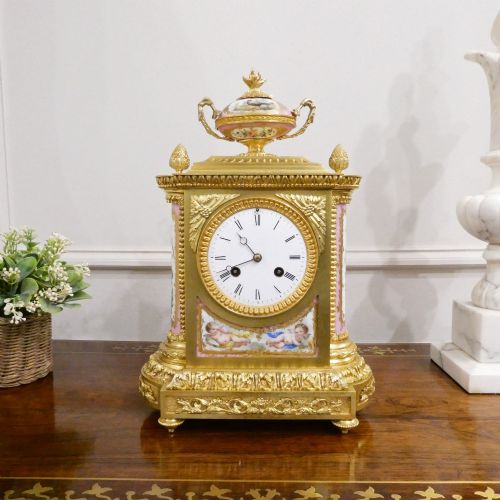
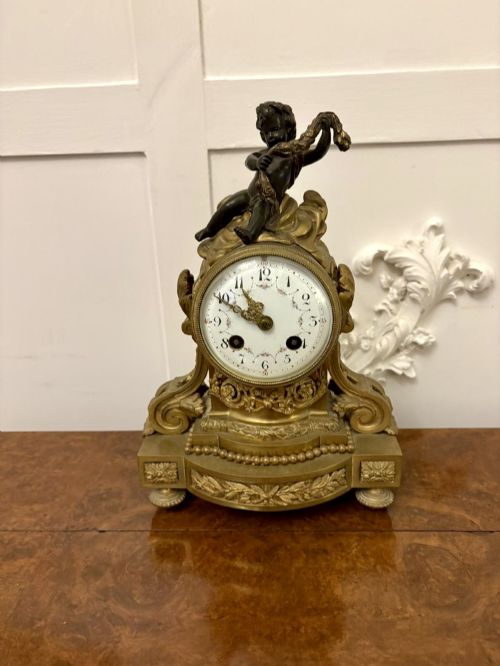
Victorian bronzes encompass cast metal sculptures, mantel clocks, and decorative vessels produced during the nineteenth century, often reflecting French revival styles and Grand Tour influences.
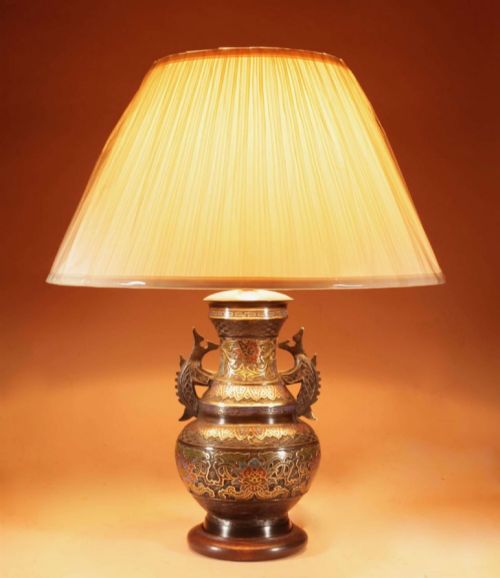
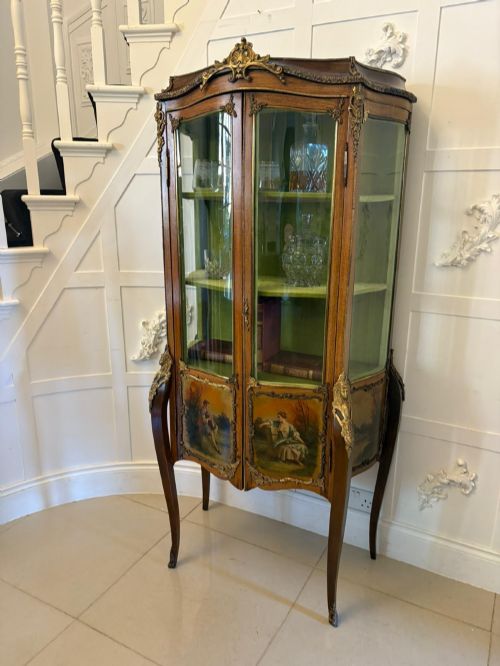
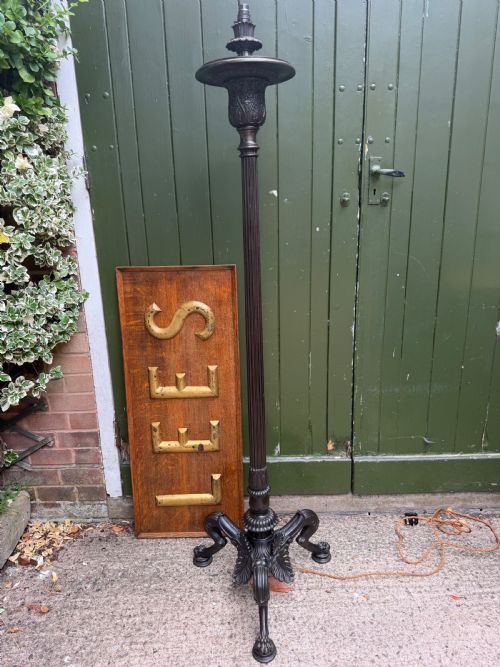
The objects on this page frequently combine cast bronze or gilt bronze with secondary materials like marble, porcelain, and glass, spanning functional lighting to sculptural figures.
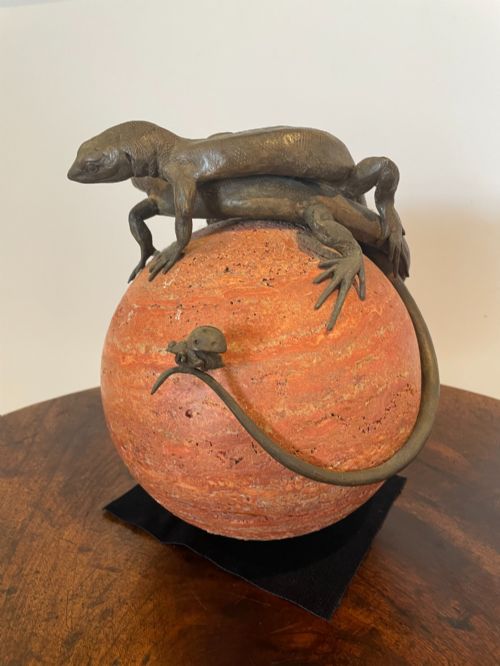
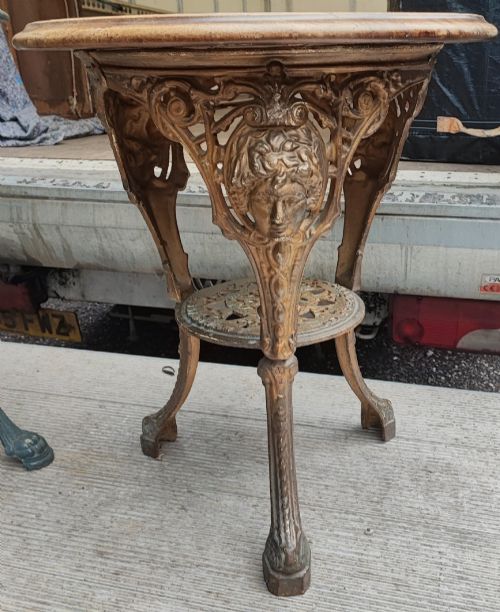
Animalier studies, classical figures, and ornate garnitures dominate the physical forms encountered here, originating primarily from British and continental European workshops.
Materials and Technique
Foundries utilised traditional lost-wax or sand-casting methods to shape molten bronze, applying chemical patination or mercury gilding, known as ormolu, to the finished surfaces.
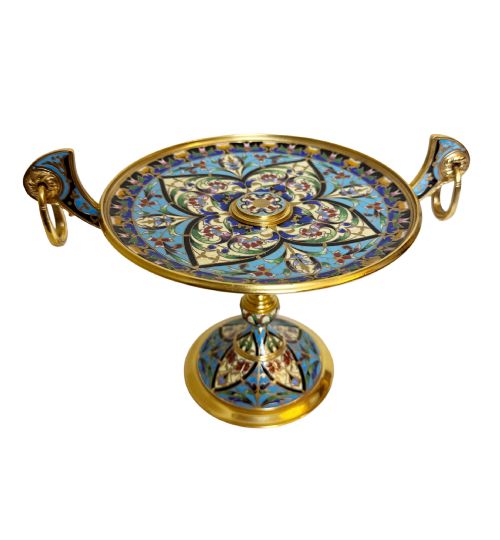
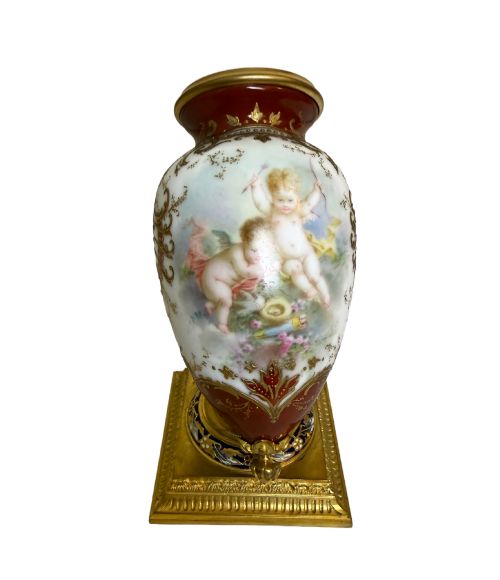
Many works incorporate champlevé enamel, hand-painted porcelain panels, and carved marble or onyx bases, requiring collaborative skill between metalworkers, lapidaries, and ceramicists.
Listings feature nineteenth-century materials including gilt bronze, ormolu, champlevé enamel, marble, onyx, and uranium glass across various decorative forms.
Execution and Detail
Quality rests upon the crispness of the chase work, where skilled artisans hand-tooled the raw casting to define hair, feathers, and architectural ornament.
The integration of secondary elements dictates overall merit, distinguishing tightly fitted mounts and heavy fire-gilded surfaces from loose assemblies and flat patination.
Edward Holmes Baldock·Poix Blin·Carl Kauba·Gabriel Viardot·Johnstone and Jeanes·Lemoyne·Henry Marc·Barbedienne
The Victorian Bronzes Glossary
- Ormolu
- Gilt bronze created by applying a mixture of gold and mercury to a bronze base and heating it until the mercury vaporised. This technique produced a durable golden finish seen on French clocks and furniture mounts.
- Animalier
- A nineteenth-century artistic genre focused on realistic depictions of animals, particularly predators and domestic beasts in motion. Sculptors in this tradition studied anatomy closely at menageries.
- Champlevé
- An enamelling technique where troughs or cells are hollowed out of the metal surface and filled with vitreous enamel powder before firing. The piece is then ground smooth and polished.
- Grand Tour
- A cultural journey undertaken by wealthy young Europeans to view classical antiquities, resulting in a market for small bronze replicas of ancient statues and architectural monuments.
- Patina
- The surface sheen or colour developed on bronze through age and chemical treatment, which preserves the metal underneath and reveals the handling history of the object.
Victorian Bronzes: Frequently Asked Questions
How do I clean a bronze sculpture?
Dust the surface regularly with a soft, dry brush to prevent particulate accumulation in the recessed details of the casting.
Avoid using water, household cleaners, or polishes, as these abrasive substances can strip away the historical patina and damage the underlying metal.
What is the difference between bronze and ormolu?
Bronze is an alloy primarily composed of copper and tin, used to cast solid figures, vessels, and structural components of furniture.
Ormolu is simply bronze that has been coated with a layer of gold amalgam, giving it a bright, reflective golden appearance suited to decorative mounts.
Where were these pieces displayed originally?
Mantel clocks, candelabra, and garniture sets sat prominently on fireplace mantelpieces in nineteenth-century drawing rooms as symbols of refined taste.
Smaller animalier bronzes and desk accessories occupied library tables and cabinets alongside books and writing instruments.
How can I tell if a bronze is nineteenth century?
Examine the casting quality, seam lines, and the composition of the patina, which should show natural signs of handling and oxidation consistent with age.
Look for foundry stamps, signatures, or registration marks characteristic of Victorian production methods and material standards.