
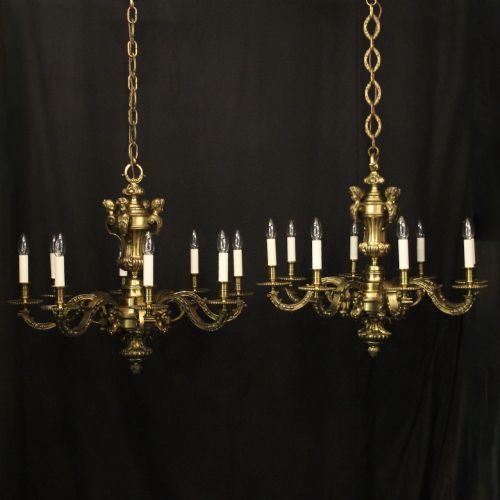
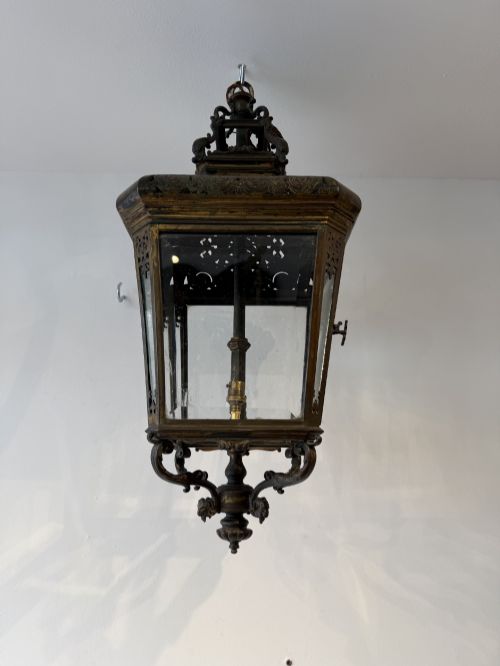
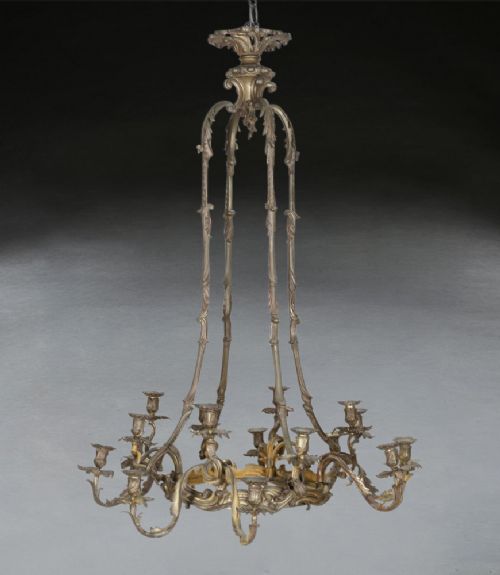


Victorian Bronze Chandelier
A victorian bronze chandelier brings heavy metalwork and warm light together, offering the substantial presence collectors seek for high-ceilinged rooms.
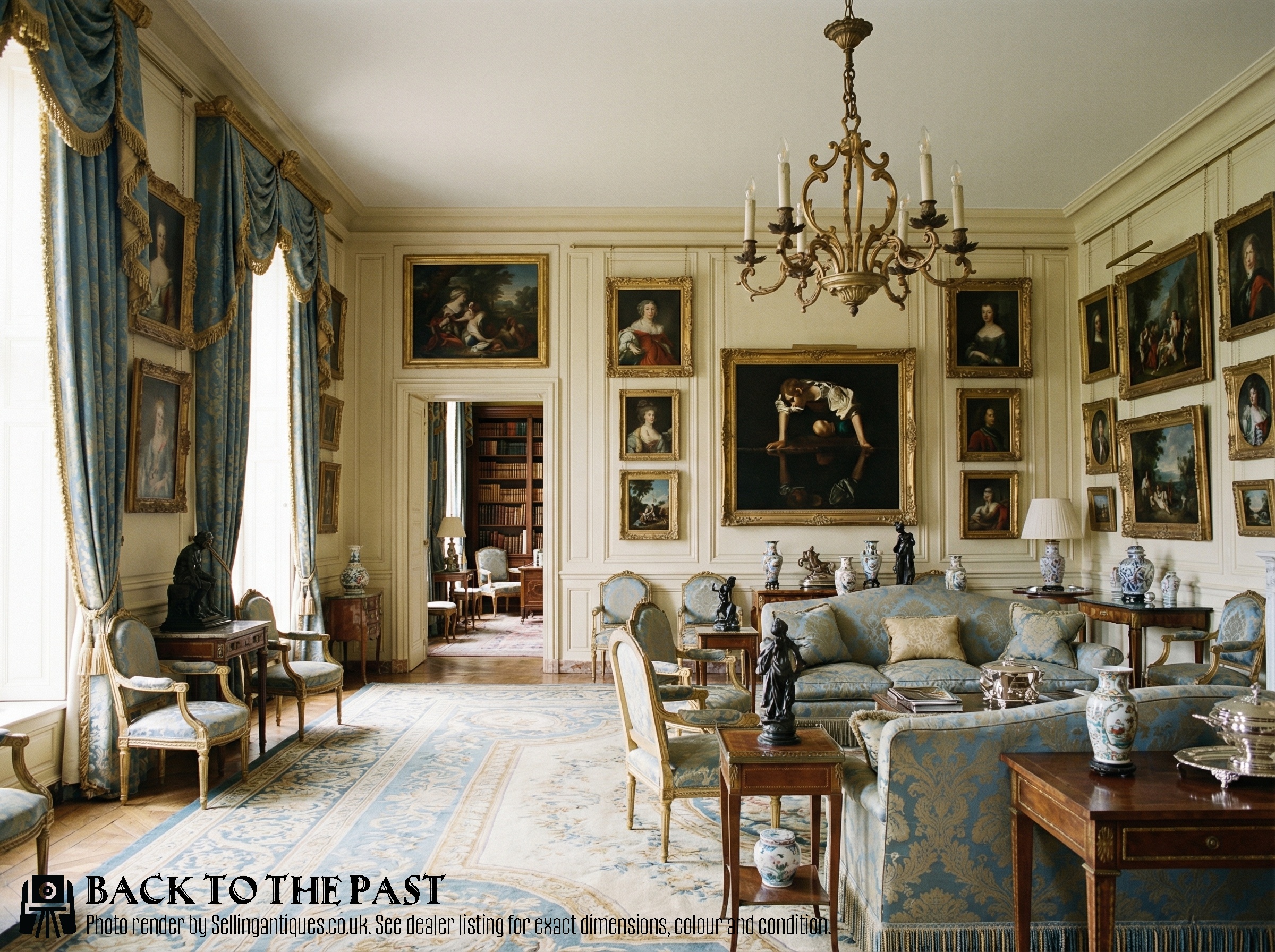
Victorian Bronze Chandelier
A victorian bronze chandelier encompasses grand multi-branched hanging lights, hall lanterns, and pendant fixtures originating primarily from the nineteenth century. Buyers searching this phrase encounter substantial metal frameworks designed to illuminate large spaces with numerous candle, gas, or electric points.
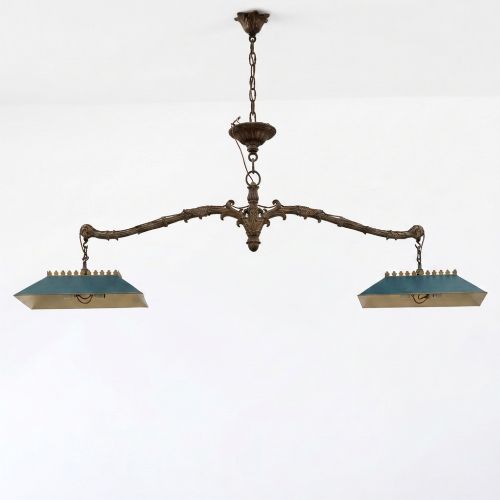
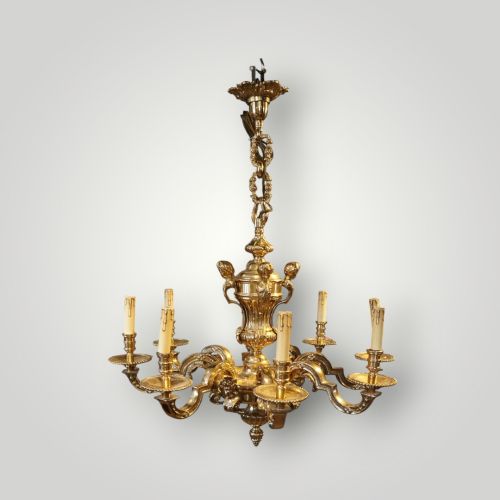
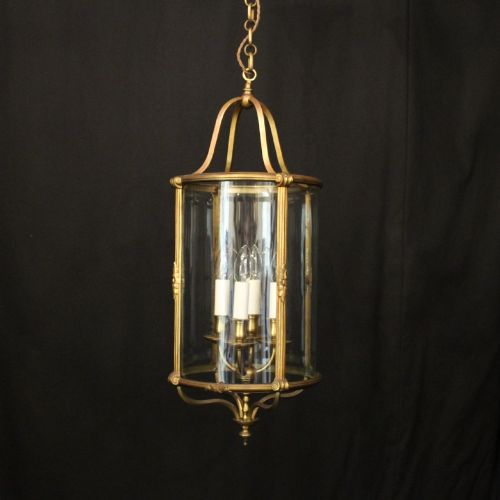
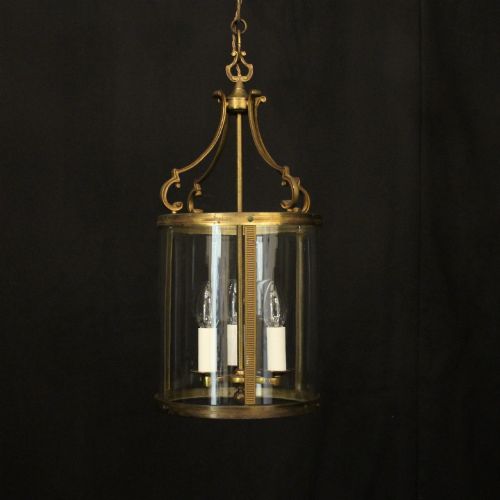
Forms span from simple single-tier chandeliers to massive sixteen-light centrepieces, birdcage chandeliers, and enclosed hall lanterns. Many pieces reflect continental tastes with gilt finishes and figural details such as putti and cherubs.
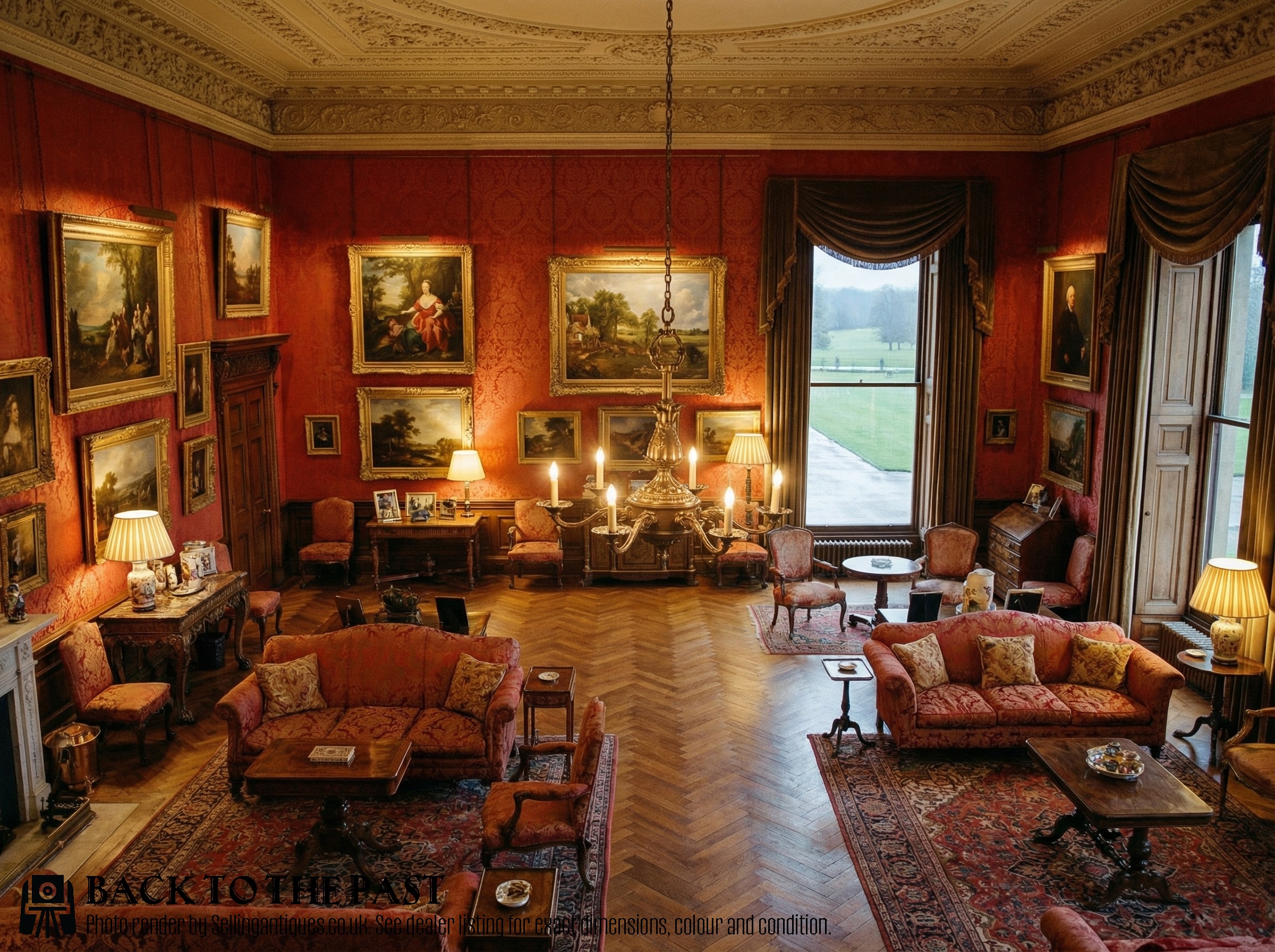
What varies in quality
Quality rests in the crispness of the bronze casting and the depth of the chasing work on ornamental details. Superior pieces display sharply rendered figures, clean botanical motifs, and heavy gauge metal that maintains rigid alignment across multiple arms.
The integration of glass also dictates overall calibre, with hand-cut crystal prisms and heavy blown glass shades separating standard fixtures from exceptional examples. Furthermore, the complexity of the arm configuration and the intact survival of original gilding elevate the standing of a piece.
Victorian Bronze Chandelier Retail Price Guide 2026
Typical asking prices for victorian bronze chandelier among the pieces listed under this phrase on Sellingantiques today, from the lower quarter to the upper quarter. They describe what is for sale here now, not the wider market.
Several chandeliers in this selection feature mischievous cherubs and putti keeping permanent watch over the room below.
The Victorian Bronze Chandelier Glossary
- Bronze
- An alloy consisting primarily of copper, commonly combined with tin, used to form the heavy structural frames of these chandeliers. It accepts patination and gilding readily.
- Gilt Bronze
- Bronze metal coated with a thin layer of gold or gold leaf, also known as ormolu. This finish provides a bright, durable golden surface.
- Hall Lantern
- An enclosed hanging light designed for corridors and entranceways, featuring glass panels held within a metal framework. These units protect the light source from drafts.
- Cage Chandelier
- A style of lighting fixture featuring an open metal framework shaped like a birdcage, densely hung with crystal drops and beads. The central structure conceals the internal gas or electrical pipes.
- Gasolier
- A chandelier originally engineered and plumbed to burn coal gas for illumination before later conversion to electricity. These fixtures often retain original turning keys and gas arms.
Victorian Bronze Chandelier: Frequently Asked Questions
How do I hang a heavy bronze chandelier safely?
Hanging a heavy bronze chandelier requires securing the fixture directly into the ceiling joists or using a rated metal bracket capable of supporting substantial dead weight. Professional installation is essential due to the dense combination of cast bronze and glass.
Electrical wiring must also be evaluated to ensure the supply cable can safely carry the load of multi-bulb configurations.
Were these chandeliers originally electric?
Most pieces originating from the nineteenth century were initially designed for candles or gas before being rewired for electricity at a later date. Gasoliers and early hanging lights often show evidence of past fuel conversions.
Modern buyers generally encounter these fixtures fully rewired for contemporary domestic use while retaining their historic metalwork.
How do I clean a bronze and crystal chandelier?
Cleaning requires dusting the bronze framework gently with a soft dry cloth and avoiding harsh chemical polishes that strip historic patination. Crystal drops and glass shades can be washed individually in warm soapy water before being dried and reattached.
Care must be taken around wired components and older electrical fittings during any maintenance.
What is the difference between brass and bronze?
Bronze is an alloy of copper and tin, while brass is an alloy of copper and zinc. In antique lighting, bronze typically offers a deeper, heavier material suitable for patination, whereas brass often presents a brighter yellow metallic tone.
Many Victorian pieces combine both metals within the same frame.