
Victorian Brass Urns
Victorian brass urns bring heavy metal presence and classical form to a room, functioning as samovars, table lamp bases or decorative mantel pieces.
Victorian Brass Urns
Victorian brass urns encompass heavy nineteenth-century vessels designed for utility or display, spanning samovars, tea urns, lamp bases and pedestal vases. The pieces recorded here frequently merge brass and copper bodies with cast mounts, displaying the decorative revivals popular across the period from the eighteen-fifties onward.
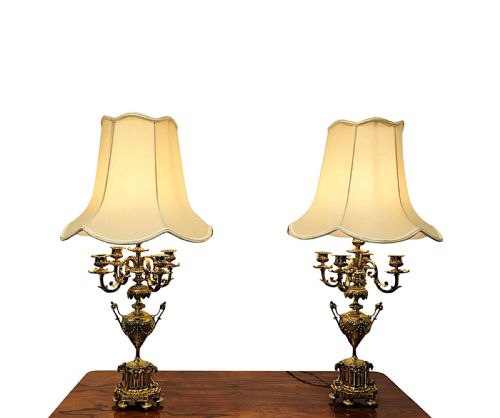
Buyers are most likely to encounter converted copper and brass samovars, alongside cast brass vases and urn-shaped lamp bases bearing neoclassical or rococo motifs. These items emerge from English and continental workshops, utilising the substantial gauge metal characteristic of the era's domestic hardware.
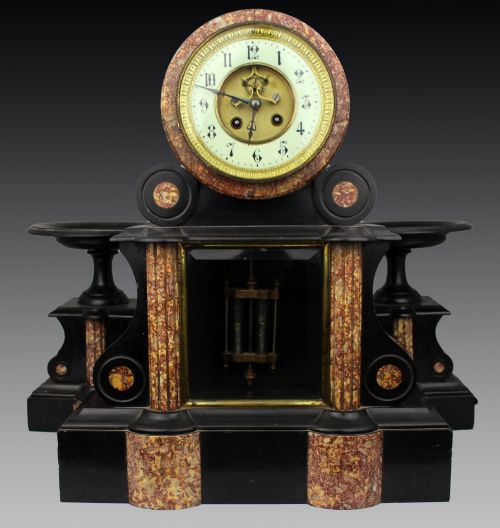
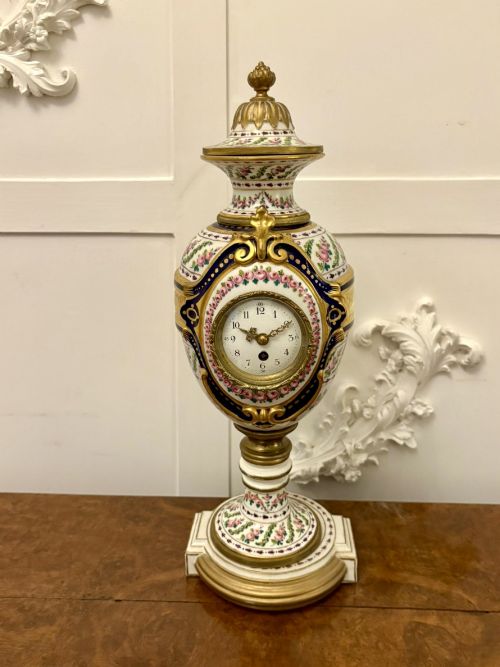
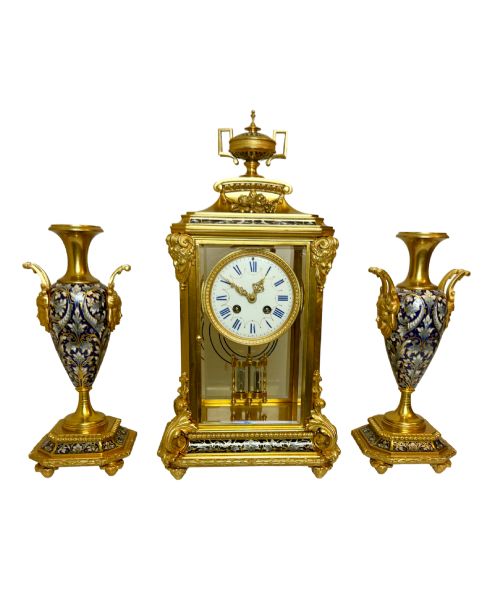
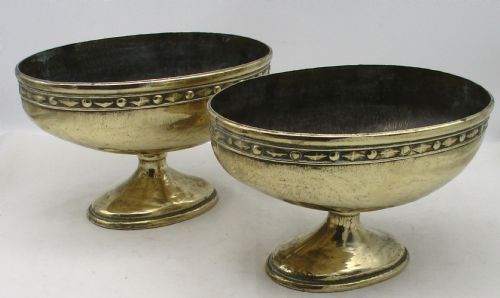
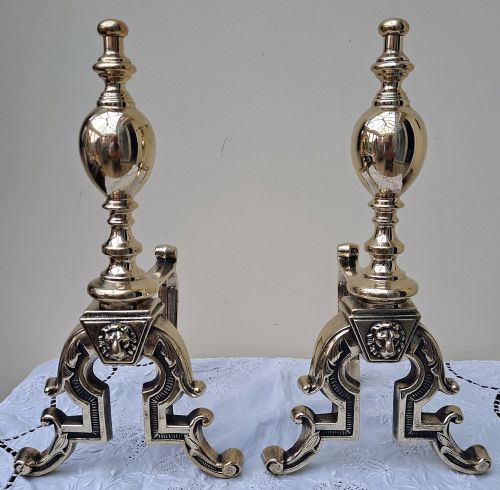
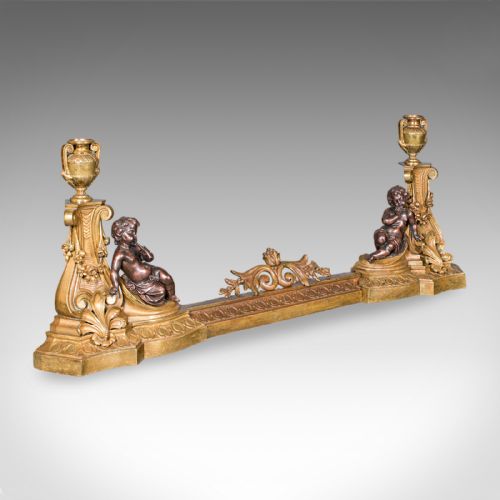
The inventory demonstrates that urn forms overlap with related metalware such as jardinières, fire fenders and clock garnitures sharing the same period alloy and casting techniques. Such pieces reflect domestic rituals of hospitality and formal interior decoration distinct to the nineteenth century.
Materials and construction methods
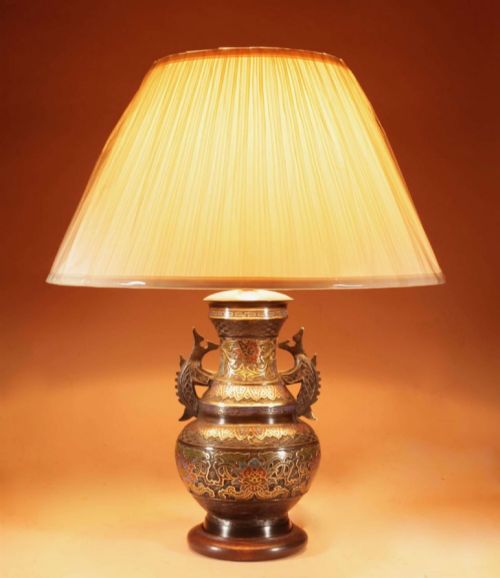
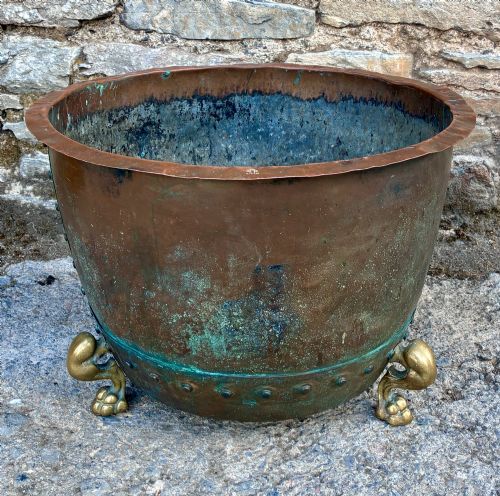
Construction relies upon heavy-gauge brass and hammered copper sheets shaped by spinning or riveting, joined with cast brass handles, spigots and feet. Makers utilised techniques such as piercing, embossing and champlevé enamel inlay to decorate the metal surfaces.
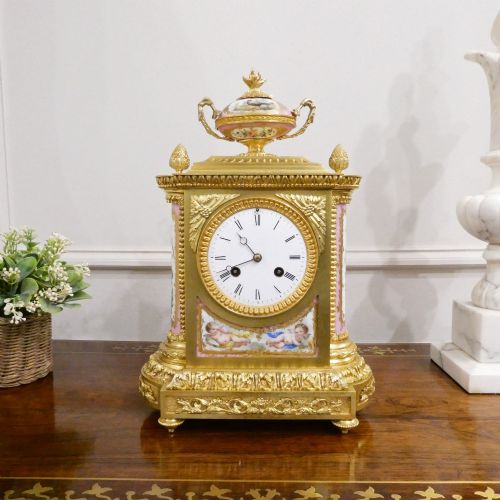
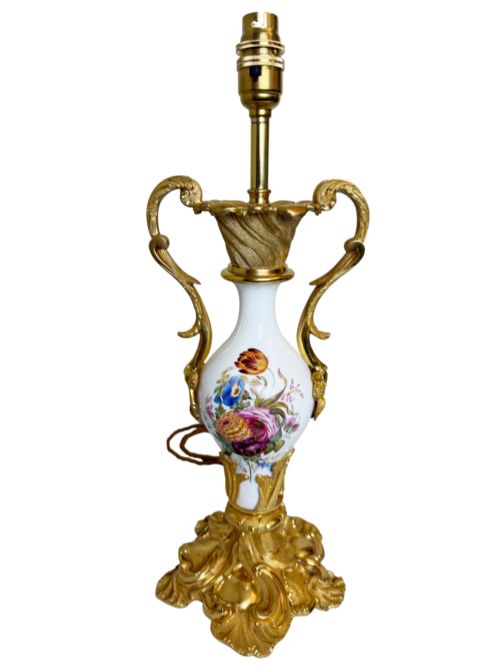
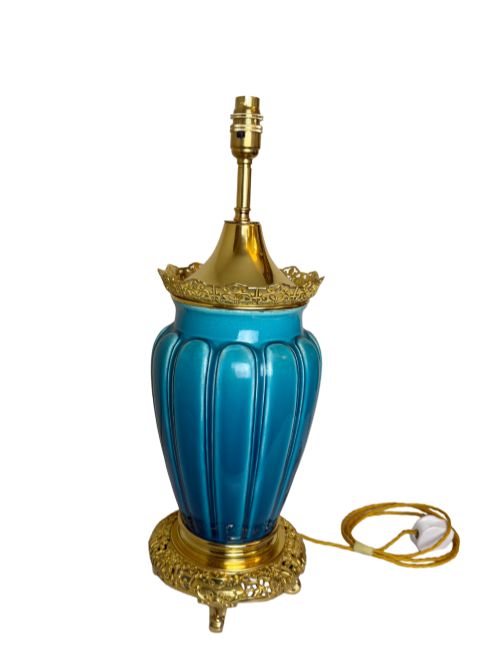
Many urns combine brass components with porcelain panels, gilt bronze mounts, or marble bases, reflecting an eclectic nineteenth-century aesthetic. Surface finishes range from polished or parcel-gilt brass to patinated copper and applied ormolu.
Listings feature brass, copper, porcelain and gilt bronze across forms spanning tea urns, spirit kettles, planters and table lamps.
Judging quality in metalware
Quality rests upon the weight of the metal, the crispness of the casting in handles and mounts, and the integrity of construction joints. Pieces utilising hand-riveted seams and finely chased brass show superior workshop standards compared to simpler pressed items.
The presence of secondary materials like hand-painted porcelain panels, champlevé enamel or fire-gilt ormolu indicates higher production costs. The depth and definition of decorative chasing separate standard utilitarian vessels from exhibition-grade display pieces.
Jean Baptiste Delettrez·Japy Freres·William Soutter and Sons·Edwards and Roberts·Benetfink and Co
The Victorian Brass Urns Glossary
- Samovar
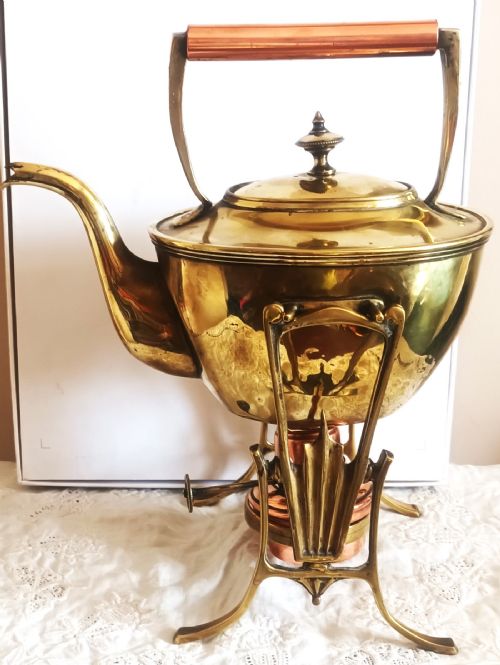
- A heated metal urn traditionally used to boil water for tea, often fitted with a spigot and internal flue. These large vessels form a major category within nineteenth-century brass and copper manufacturing.
- Ormolu
- Finely ground high-carat gold applied to a bronze or brass base using mercury amalgamation. This technique provides a bright, durable metallic finish on decorative mounts.
- Champlevé
- An enamelwork technique where troughs are carved into the metal surface and filled with vitreous paste before firing. It appears frequently on French and Japanese decorative metalwork of this era.
- Garniture
- A set of matching ornamental objects for a mantelpiece or sideboard, typically comprising a central clock or urn flanked by matching vases or candelabra. These sets display uniform stylistic traits.
- Spigot
- A small tap or faucet fitted near the base of a samovar or urn to dispense liquid. They are often cast in brass and feature turned or decorative handles.
Victorian Brass Urns: Frequently Asked Questions
What is the difference between an urn and a samovar?
A samovar specifically functions as a heated vessel for boiling water, featuring an internal vertical tube for charcoal or a heating element alongside a dispensing spigot near the base. General urns serve as decorative display pieces, lamp bases, or garden vessels without internal heating mechanisms.
While both share the classical vase-like silhouette typical of nineteenth-century metalware, samovars carry distinct functional hardware such as wooden handle grips and tap keys.
How should I clean antique brass and copper?
Historic metalware benefits from gentle dusting and minimal intervention to preserve the aged surface patination accumulated over generations. Aggressive chemical polishing strips the historical surface character valued by collectors.
If cleaning is necessary, use a mild non-abrasive cleaner formulated specifically for antique metals, applying it softly with a cloth and avoiding soldered joints and inset enamel.
Can I convert an urn into a lamp?
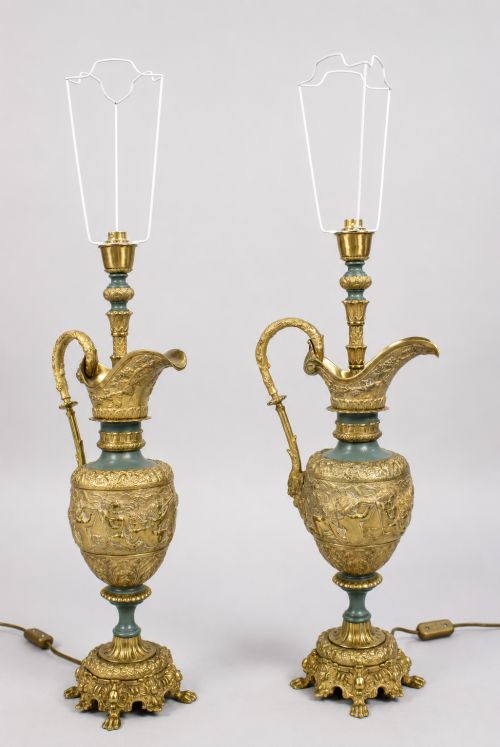
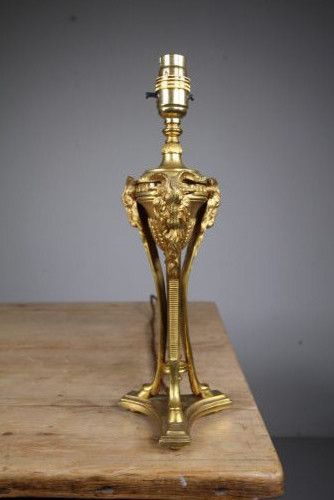
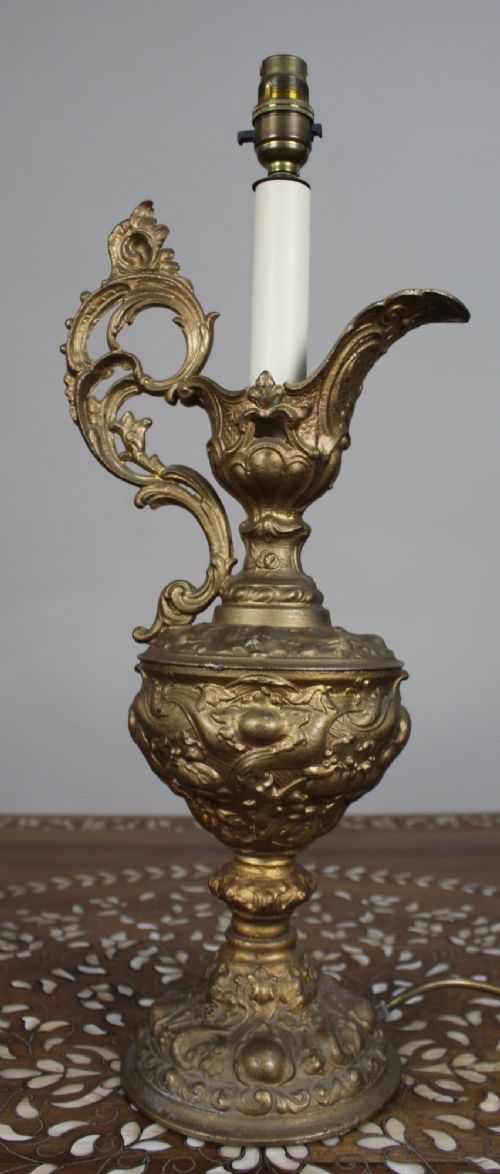
Many nineteenth-century urns and ewers arrive on the market already converted into table lamps through wired fittings added during the twentieth century. Purists sometimes seek untouched examples, but electrified conversions offer practical lighting for contemporary interiors.
When purchasing a converted piece, inspect the wiring method to ensure it avoids drilling primary structural areas in a way that damages the historic metal body.
How do I identify a Victorian piece?
Victorian metalware is identified through manufacturing marks, material composition, and stylistic revivals characteristic of the nineteenth century, including neoclassical and rococo forms. Heavier gauge brass and hand-riveted copper construction distinguish these items from lighter twentieth-century reproductions.
Maker stamps, registry diamond marks, and known firm attributions further verify the production era.