



Victorian Brass Tall Lamp
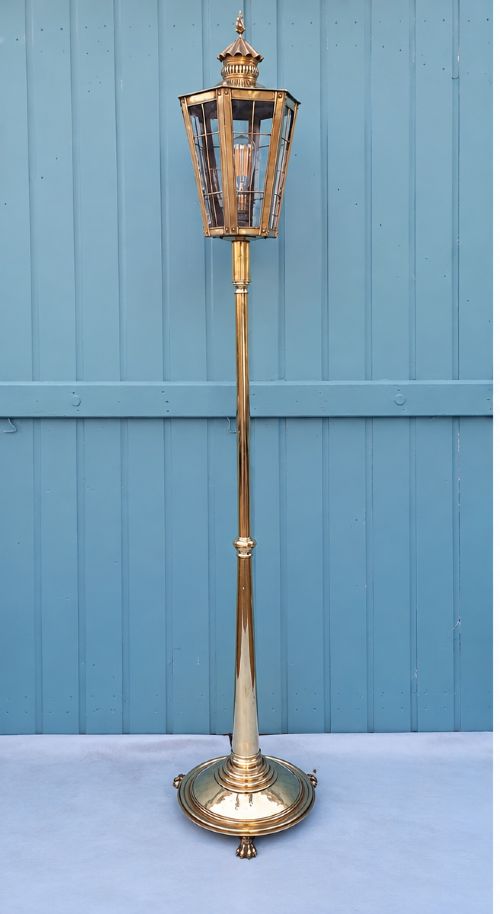
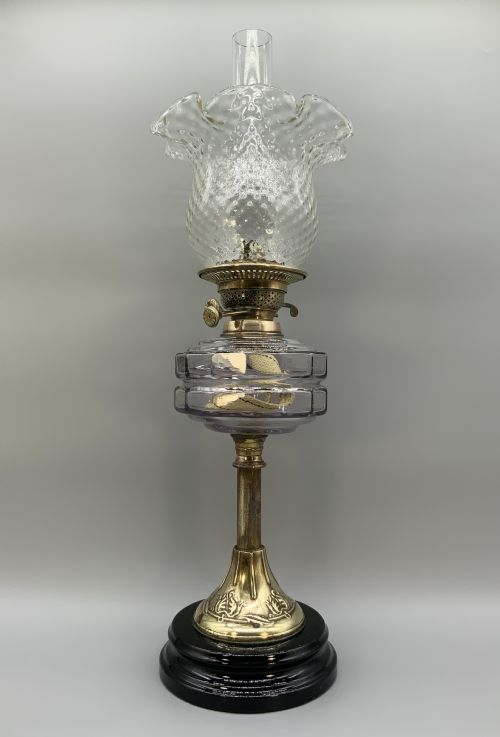
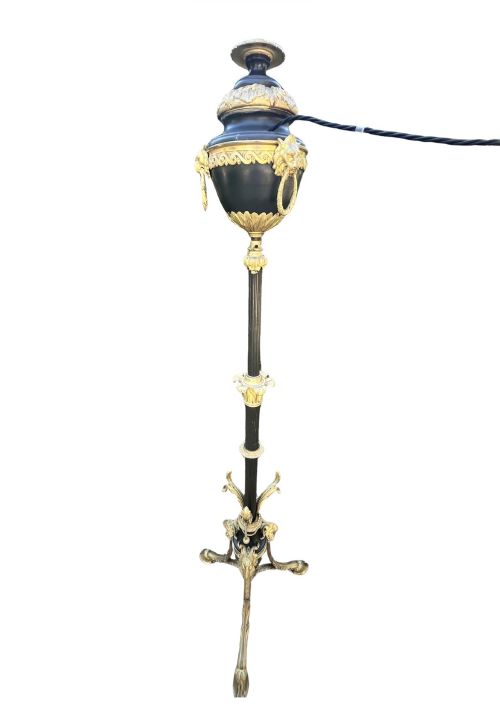
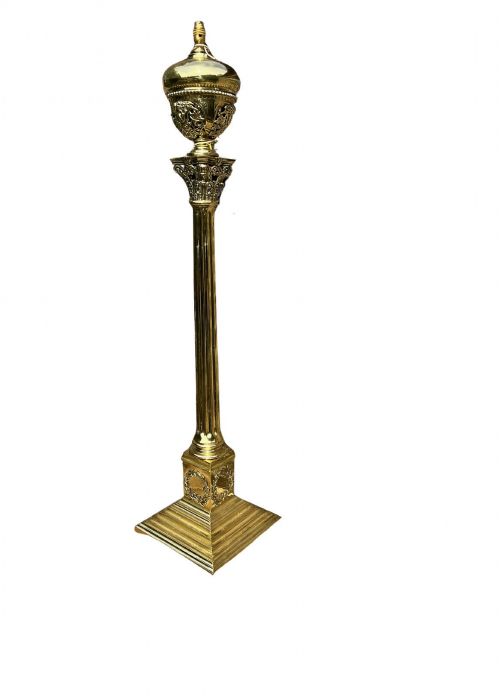
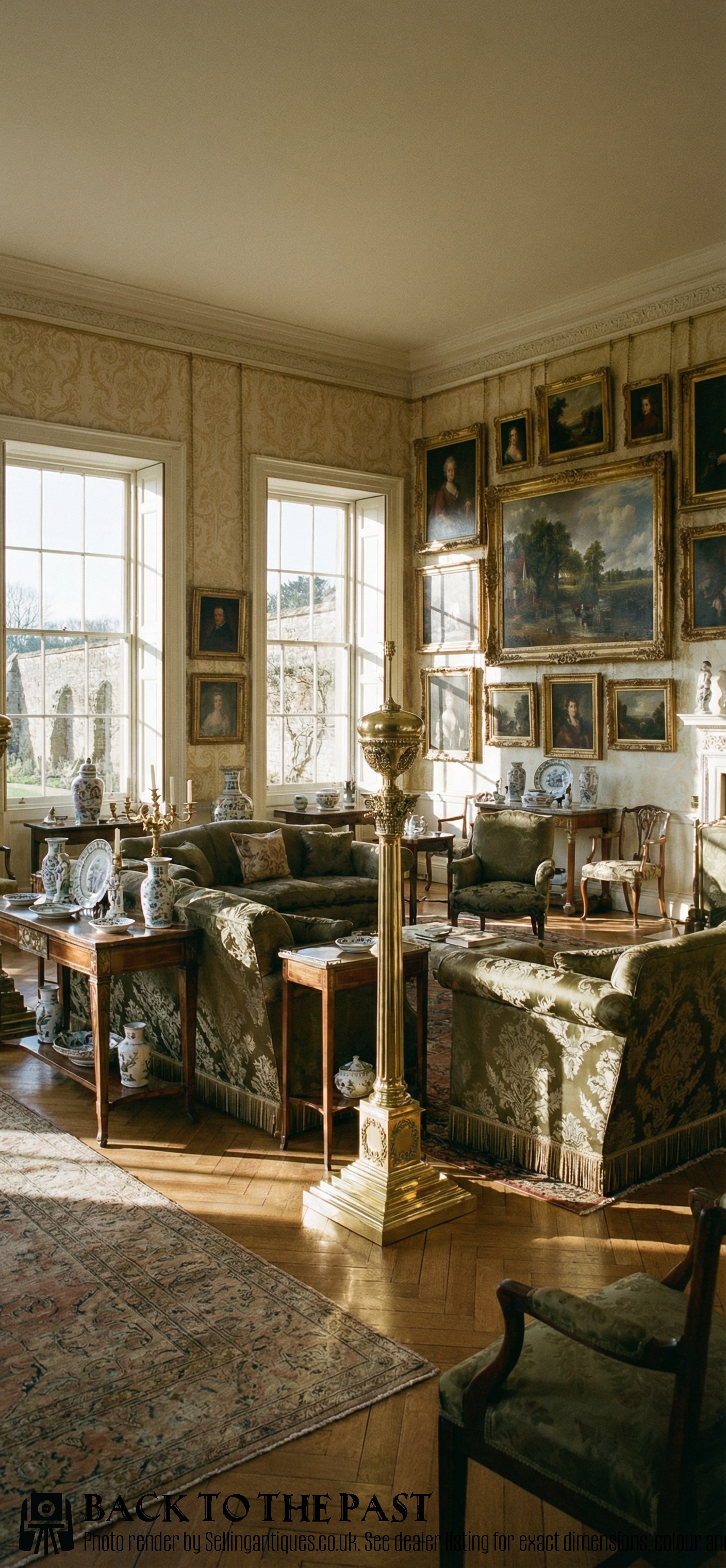
A victorian brass tall lamp brings height and bright metallic reflection to a room, drawing the eye upward with solid weight and classical proportion.
Victorian Brass Tall Lamp
A victorian brass tall lamp encompasses floor-standing standards, towering oil lamps, and heavy column forms designed to illuminate larger spaces. These pieces emerge primarily from the nineteenth century, extending into Edwardian and later revival periods through standard lamps, table lamps, and adapted candlesticks.
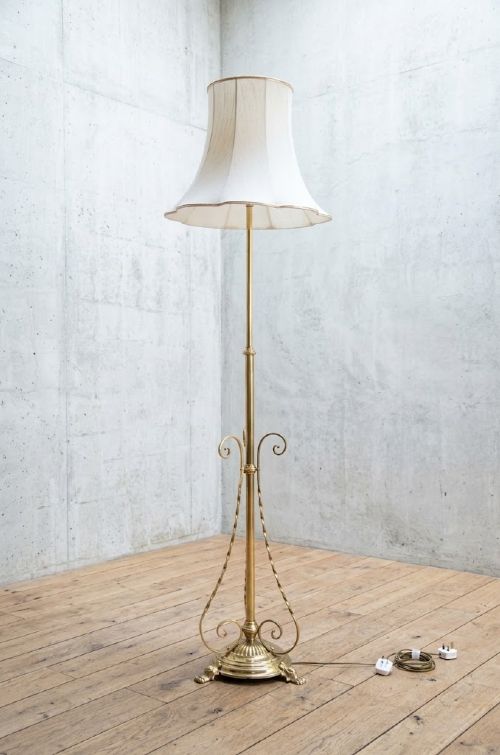
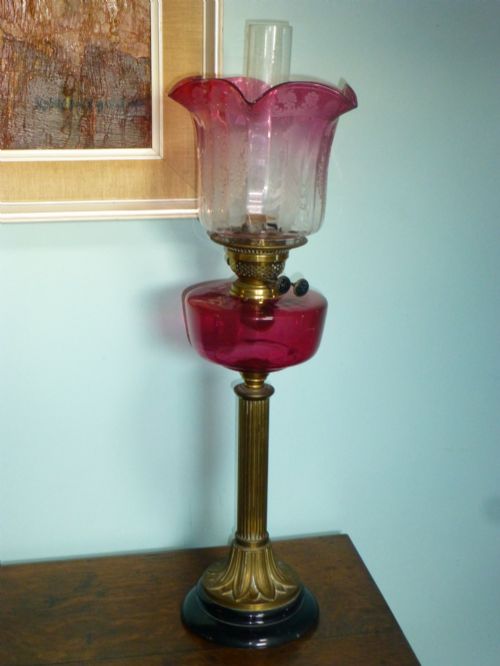
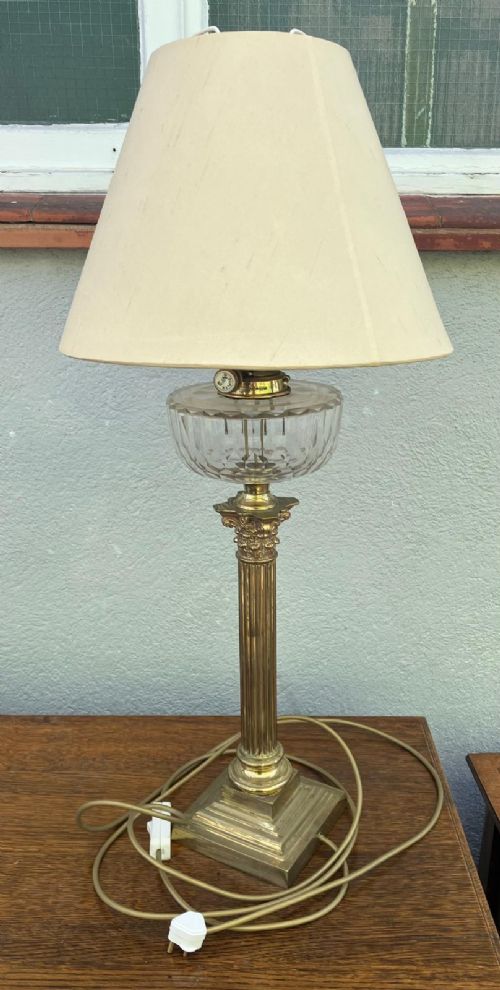
The prevailing form on this page is the standard lamp or floor lamp, frequently featuring telescopic mechanisms or Corinthian columns. Buyers also encounter heavy table and oil lamps paired with glass reservoirs in cranberry, green, or opaline shades, alongside Gothic and Arts and Crafts variants.
Origins trace through nineteenth-century domestic interiors where tall lighting served functional reading and ambient roles in principal rooms. Surviving examples often show conversions from earlier oil-burning vessels to modern electric fittings while retaining their original brass frames.
How they were made
Makers utilised solid brass castings alongside spun and sheet brass components to build rigid, weighted shafts capable of supporting heavy glass fonts and fabric shades. Structural stability often required cast iron weights concealed within stepped or tiered bases.
Designers incorporated complex mechanical assemblies such as telescopic brass tubing for height adjustment and double-burner mechanisms for oil combustion. Surface decoration combined hand-chased fluting on Corinthian columns with applied ceramic, onyx, and cut glass elements.
Victorian Brass Tall Lamp Retail Price Guide 2026
Typical asking prices for victorian brass tall lamp among the pieces listed under this phrase on Sellingantiques today, from the lower quarter to the upper quarter. They describe what is for sale here now, not the wider market.
Several columns double as wine tables, proving the Victorians believed a good reading lamp should also hold a glass of sherry.
What varies in quality
The distinction between standard production and exceptional quality rests in the crispness of the brass casting and the weight of the base. Heavy, solid brass columns with deep, hand-finished fluting and robust telescopic adjustments sit firmly above hollow, lighter assemblies.
Integrity of secondary materials dictates overall worth, visible in the depth of colour in hand-blown cranberry or cut glass reservoirs and the presence of original burner components by known makers like Hinks. Originality of mounting, whether paired with slate, marble, or ceramic plinths, preserves the integrity of the piece.
Hinks
The Victorian Brass Tall Lamp Glossary
- Duplex burner
- A double-wick oil burner system that produced significantly brighter illumination than single-wick variants. These mechanisms often bear maker stamps on the brass thumb-turns.
- Corinthian column
- An architectural column style featuring an ornate capital decorated with acanthus leaves. This classical revival form was widely adapted for tall standard and table lamps.
- Telescopic
- An adjustable shaft design allowing the upper section of the lamp to rise and lock at various heights. This engineering provided versatility for reading or general illumination.
- Pricket
- A candlestick design featuring an upward-pointing metal spike that secures the base of a candle rather than a socket. When converted to a lamp, this central spike remains part of the aesthetic.
- Opaline glass
- A pale, translucent milk glass popular in Victorian lighting reservoirs and shades. It diffuses light softly while adding colour contrast to the polished brass base.
Victorian Brass Tall Lamp: Frequently Asked Questions
How do I adjust a telescopic standard lamp?
Telescopic standards generally rely on a central thumb screw or collar mechanism that loosens to permit vertical sliding. Once the desired height is reached, the collar tightens to secure the inner brass shaft.
Care must be taken to support the weight of the upper fitting while releasing the lock to prevent sudden drops or damage to internal wiring.
Were these lamps originally electric?
Most nineteenth-century examples began life as oil-burning lamps or heavy candlesticks before undergoing later conversion to electricity. These transformations typically preserve the original brass columns and glass fonts while updating internal wiring.
Evidence of conversion appears in threaded cord exits and modern bulb holders mounted directly onto vintage burner galleries.
How do I clean antique brass safely?
Antique brass benefits from gentle dusting with a soft cloth to preserve the natural oxidation and patina accumulated over decades. Aggressive chemical polishes remove the aged surface character that collectors value.
If cleaning is necessary, mild soapy water dried immediately prevents moisture damage to older structural joints and weighted bases.
What is a standard lamp?
A standard lamp is a tall floor-standing lighting fixture designed to illuminate a room from an elevated position. These pieces typically feature a heavy base, a vertical column, and a shade at the top.
In historical contexts, the term distinguished floor lamps from smaller table-top lighting appliances.