
Victorian Brass Rack
When you search for a victorian brass rack, you find functional metal and wooden storage pieces designed for hats, coats, umbrellas, and correspondence.
Victorian Brass Rack
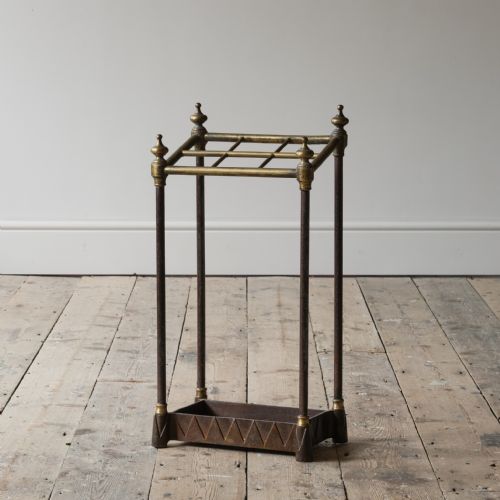
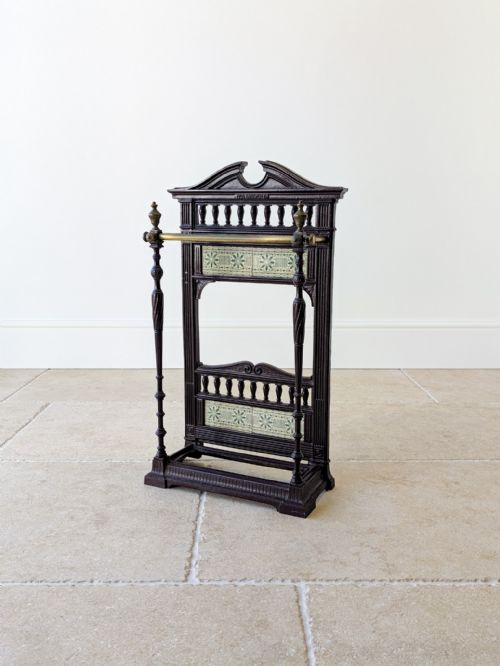
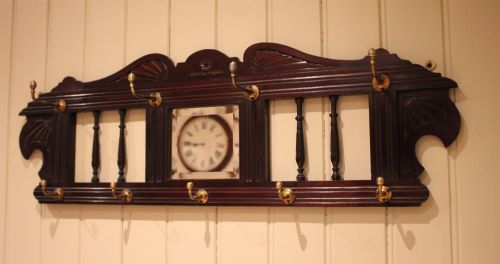
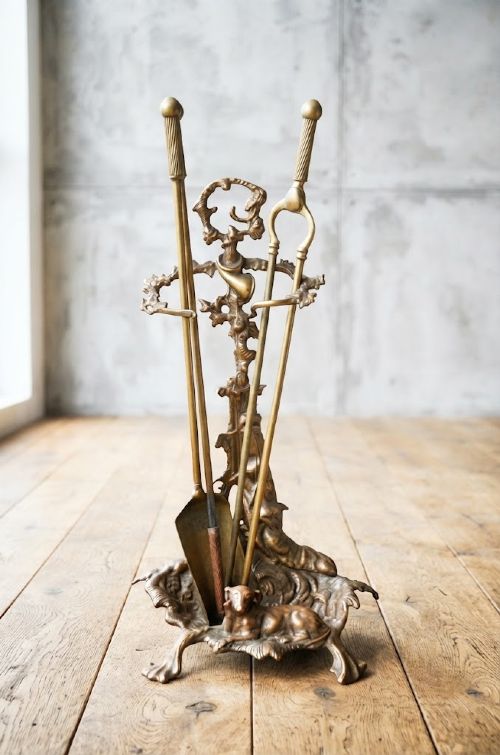
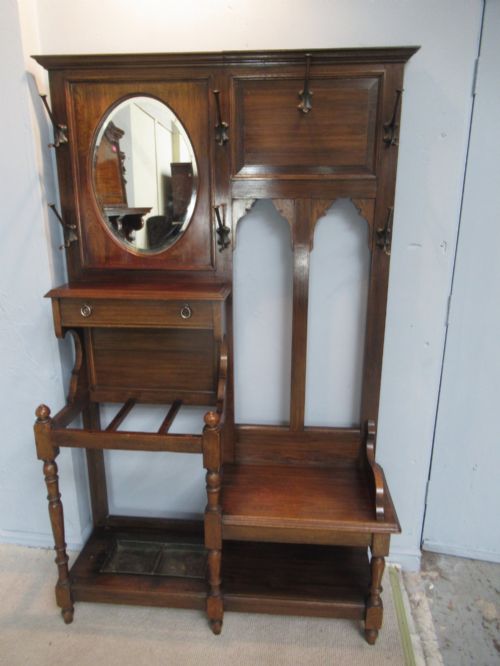
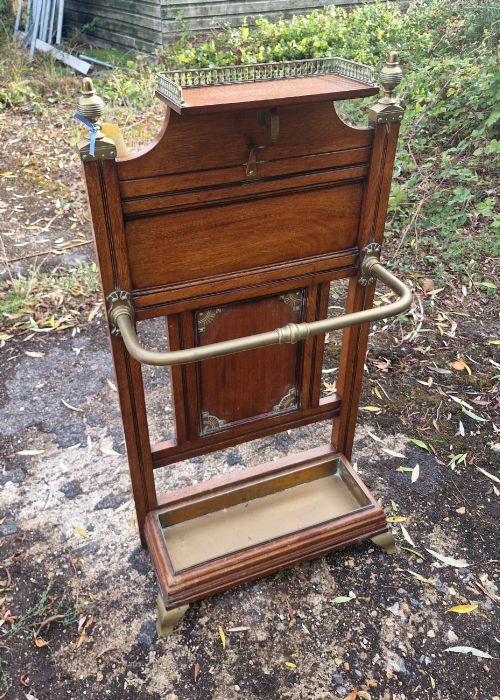
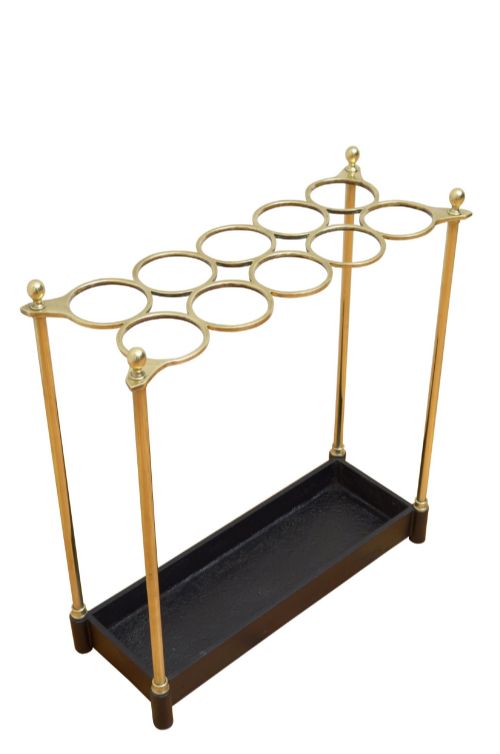
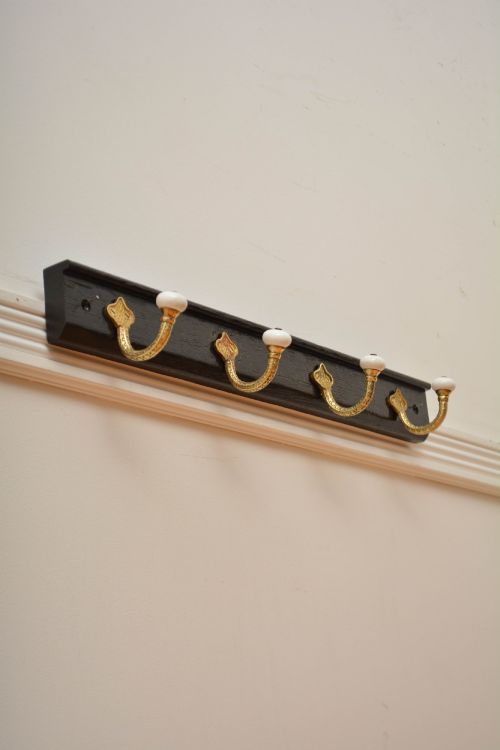
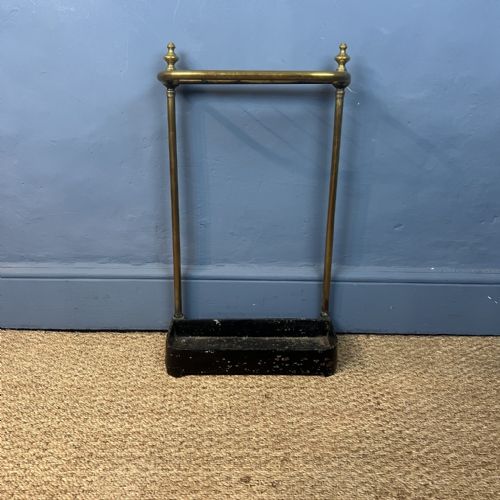
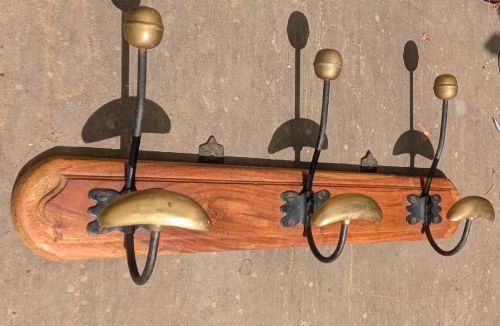
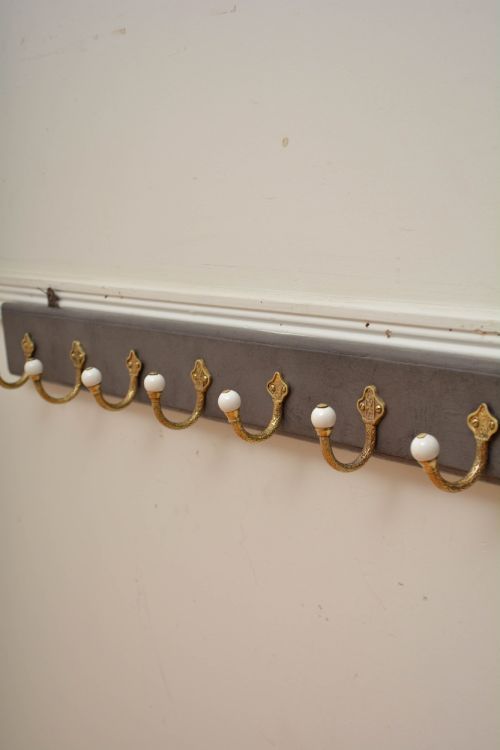
A victorian brass rack encompasses a variety of hallway and desktop fittings, most commonly wall-mounted coat rails, umbrella stands, and desk-top letter racks. The wall-mounted versions typically combine a wooden backboard with cast brass hooks, while freestanding umbrella stands integrate brass with cast iron bases and drip trays.
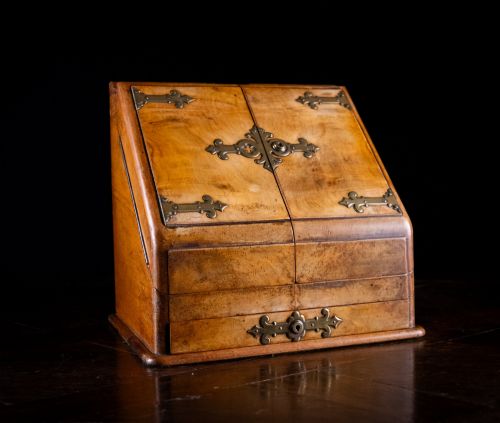
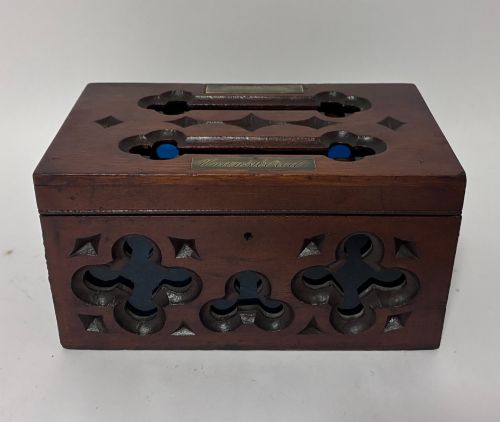
Desktop variations include fretted brass letter holders and stationary cabinets mounted on oak or walnut bases. These items served functional domestic and office roles in 19th-century interiors, organising daily post, outerwear, and walking canes.
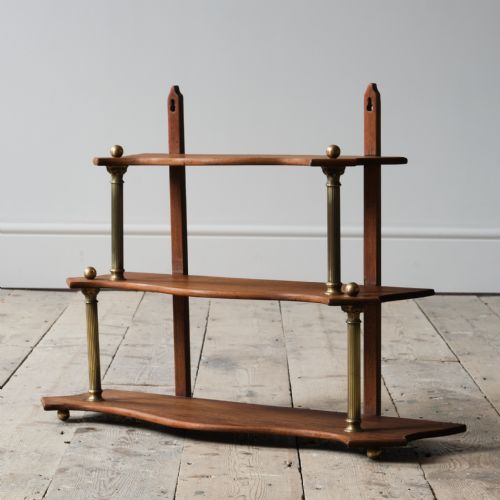
The selection ranges from simple utilitarian oak and brass coat strips to ornate, pierced brass letter racks featuring scrollwork and classical motifs. Buyers regularly encounter half-moon umbrella stands and wall-hanging shelves dating from the mid-19th century through the Edwardian period.
How they were made
Construction relies on combining durable metals with solid hardwoods like mahogany, oak, walnut, and ebonised timber. Brass components were cast or pierced to create decorative scrollwork, motifs, and ball finials.
Makers often mounted brass hooks and frames onto moulded wooden backboards using screws, combining structural rigidity with aesthetic appeal. Ceramic inserts frequently appeared on coat hooks, while iron and steel provided heavy weighting for umbrella and stick stands.
Several umbrella stands feature cast hunting scenes and dog tooth trays, ready for rain-soaked country pursuits.
What varies in quality
The distinction between standard utility items and finer examples lies in the weight of the metal and the intricacy of the surface decoration. Pierced brass work, detailed casting, and the inclusion of ceramic elements or inscribed motifs indicate superior craftsmanship.
The choice of secondary wood also dictates quality, with solid mahogany and figured walnut boards holding more presence than simple pine or utility timber. Cast iron bases on umbrella stands provide structural stability, where heavier castings denote better production standards.
Coalbrookdale·Jas. Shoolbred
The Victorian Brass Rack Glossary
- Backboard
- The supporting wooden panel of a wall-mounted rack. This timber base carries the weight of the hooks and items hung upon it.
- Demi Lune
- A half-moon shape frequently utilised in the design of umbrella and stick stands. This configuration allows the stand to sit flat against a hallway wall.
- Fretted brass
- Metal sheet cut or pierced with openwork patterns and decorative scrollwork. This technique adorns stationery boxes and letter racks.
- Drip tray
- A small basin positioned at the base of stick stands to catch moisture from wet umbrellas. These trays protect hallway flooring from water damage.
Victorian Brass Rack: Frequently Asked Questions
How were wall racks used?
Wall racks served as practical hallway storage for hats, coats, and walking canes in 19th-century homes. Families utilised them daily to keep entranceways clear of outdoor garments.
Smaller desk-top variants held correspondence, letters, and documents in studies or libraries. These brass and wood fittings kept daily paperwork organised and accessible.
Where should I place a stand?
Umbrella and stick stands suit entrance halls and porches where outdoor gear is stored upon entering the house. Their narrow footprints accommodate confined spaces.
Desktop letter racks fit neatly on desks, sideboards, or console tables. They continue to function as mail organisers in modern home offices.
How do I date these pieces?
Dating relies on observing material combinations, joinery methods, and prevailing design movements like the Aesthetic Movement or Arts and Crafts. Mid-19th-century items often display simpler profiles compared to later ornate Victorian examples.
Makers' marks and registration numbers, when present, narrow down the exact decade of manufacture. The transition from heavy cast iron to lighter brass work also indicates the shift toward Edwardian production.
Are these items purely decorative?
Most pieces retain their original utility and remain robust enough for everyday domestic use. Wall racks securely hold coats, and umbrella stands manage wet walking sticks.
Their decorative qualities, including pierced brass scrollwork and ceramic accents, also allow them to function as visual focal points in period hallways.