


Victorian Brass Purdonium
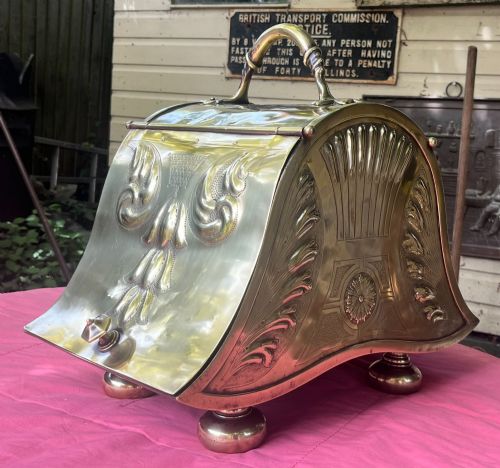
A Victorian brass purdonium is a fireside fuel container built to house coal or logs in the formal drawing rooms of the nineteenth century.
Victorian Brass Purdonium
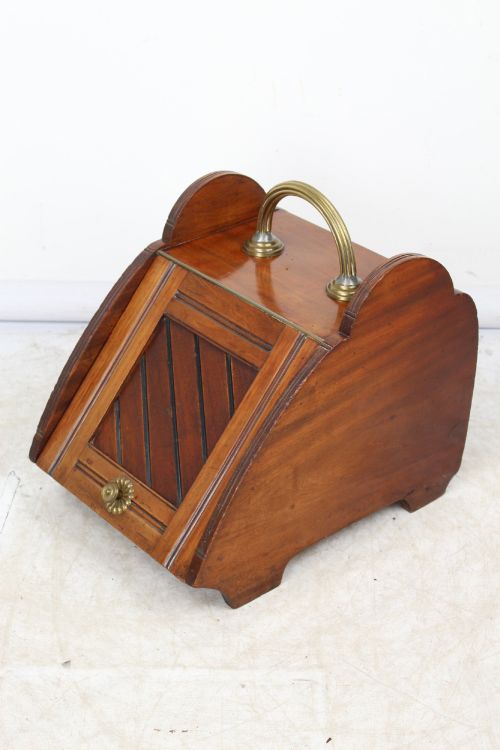
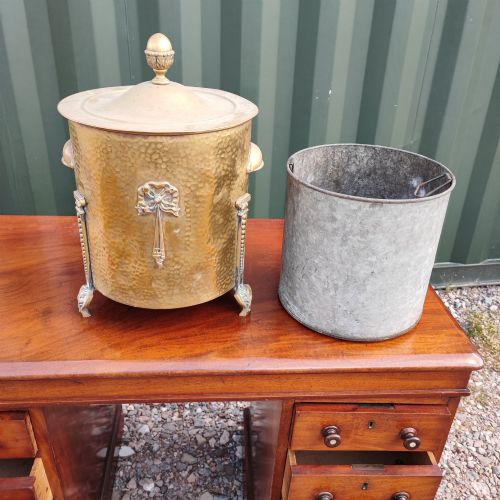
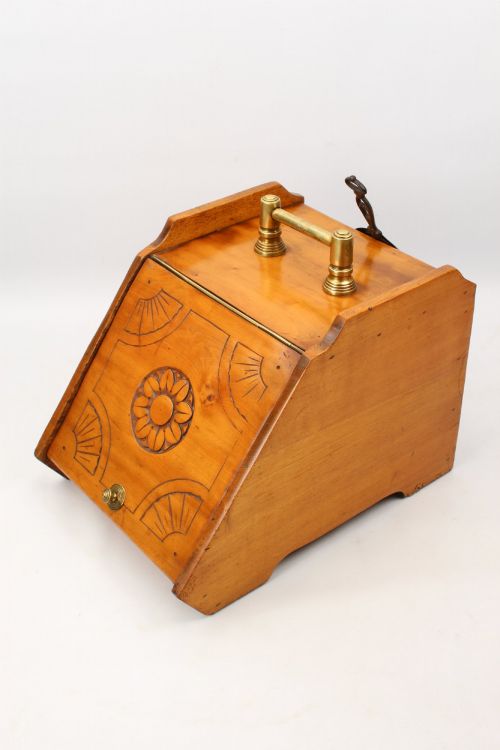
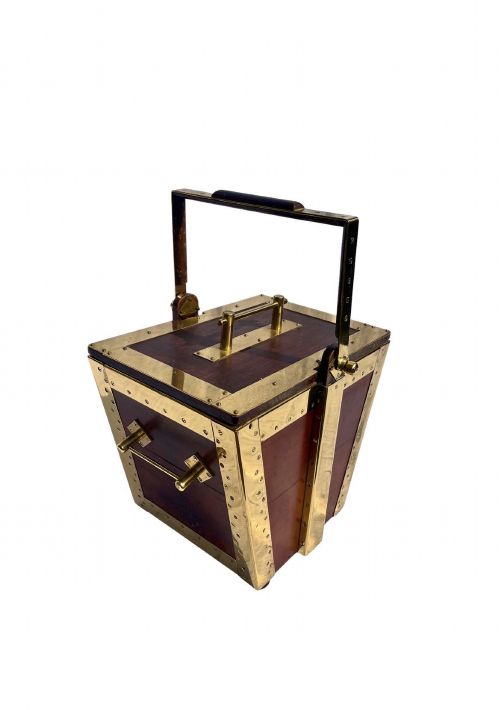
When you search for a Victorian brass purdonium, you encounter specialised fireside storage vessels designed to hold coal near the hearth. The examples on this page primarily take the form of lidded wooden boxes or sloping metal bins fitted with heavy metal mounts. These pieces combine utilitarian fuel storage with decorative presence suited to period reception rooms.
Most items appearing under this heading date from the nineteenth and early twentieth centuries, spanning the Victorian and Edwardian eras. They range from simple brass buckets to architectural walnut and mahogany cabinets with integrated shovels and interior liners. The defining characteristic is the combination of solid timber or polished metal bodies with robust brass handles, hinges and decorative plaques.
Materials and Construction
These items rely on a combination of heavy-gauge sheet brass, copper, and dense cabinet timbers such as walnut, oak, and mahogany. Metal components are frequently hammered, cast, or polished to catch the firelight, while wooden bodies feature dovetail joints, carved panels, and inlaid details. Many incorporate internal metal liners designed to contain coal dust and protect the surrounding timber or floor.
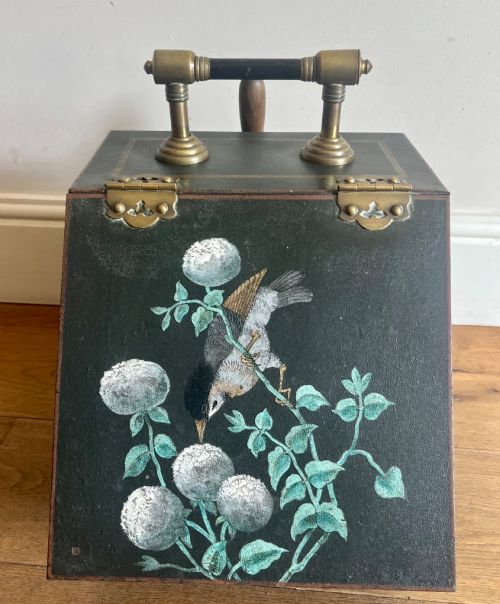
Makers utilised brass handles, strapwork, and decorative mountings secured with screws or rivets to reinforce the wooden frames. Some versions employ toleware, iron, or ormolu mounts to achieve distinct stylistic effects ranging from Rococo Revival curves to clean Arts and Crafts lines.
Victorian Brass Purdonium Retail Price Guide 2026
Typical asking prices for victorian brass purdonium among the pieces listed under this phrase on Sellingantiques today, from the lower quarter to the upper quarter. They describe what is for sale here now, not the wider market.
Listings demonstrate materials including walnut, oak, mahogany, brass, copper, and iron across Victorian, Edwardian, and Aesthetic periods.
Distinctions in Grade and Execution
Superior examples of a Victorian brass purdonium exhibit heavier gauge brass, substantial timber construction, and refined decorative detailing such as fine wood veneers, marquetry inlay, or figural repoussé work. Lesser items rely on thinner sheet metal, plain pine carcasses with minimal hardware, and simpler drop handles.
The presence of original fitted metal liners and matching shovels elevates the integrity of a piece. Finer versions demonstrate careful joinery and secure cabinet doors or tilting mechanisms that operate smoothly despite decades of proximity to hearth heat.
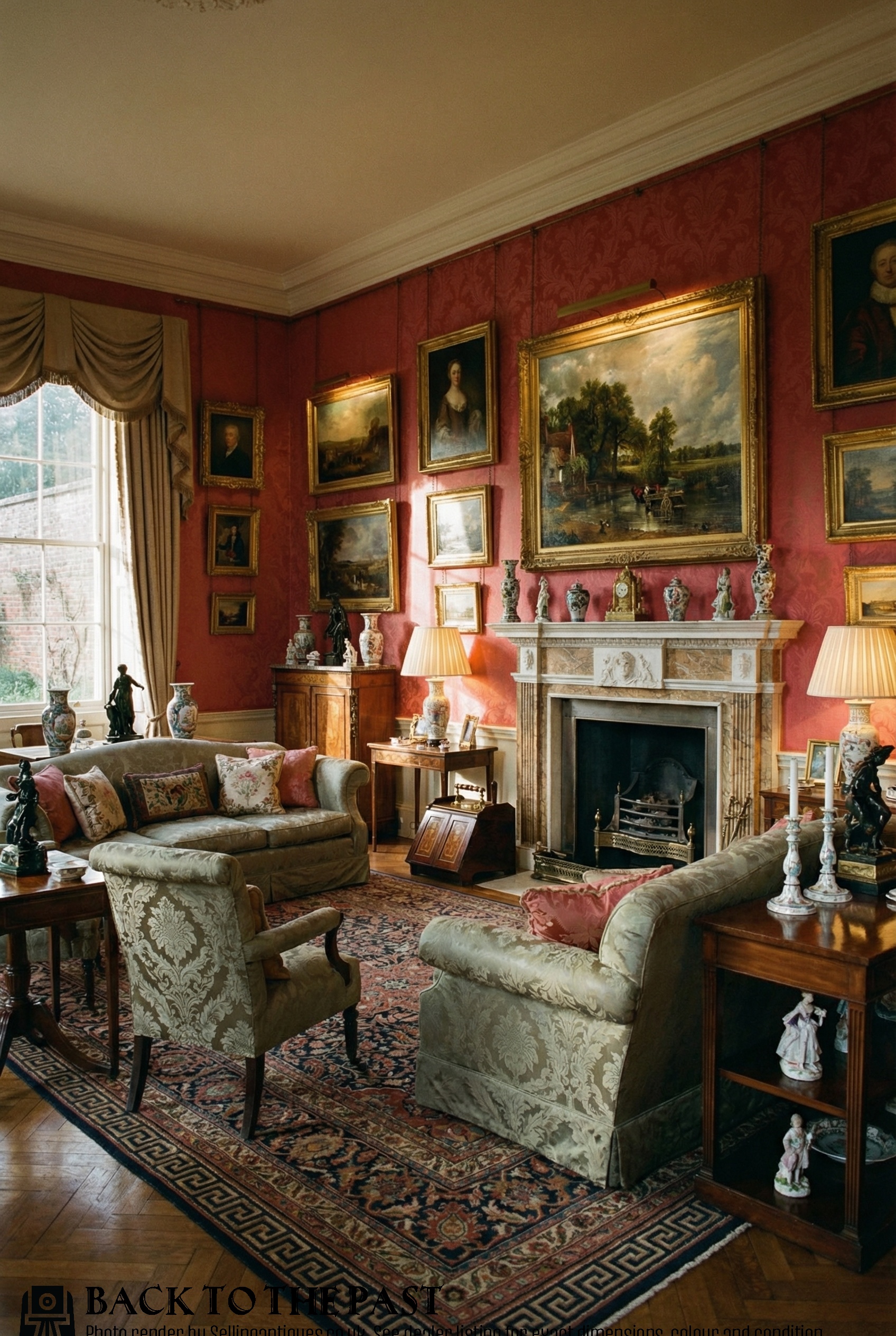
Benham & Froud·William Soutter & Sons
The Victorian Brass Purdonium Glossary
- Purdonium
- A specialised cabinet or bin designed for storing coal by the fireplace. This term typically denotes a more formal or enclosed fireside container compared to an open bucket.
- Repoussé
- A metalworking technique where the brass or copper is hammered from the reverse side to form a raised design in relief. This method appears on decorative coal bin fronts and fire furniture.
- Toleware
- Tin-plated steel that has been painted or lacquered, sometimes utilised for lightweight coal buckets and bins. It offers a dark, durable surface finish.
- Ormolu
- Gilded bronze or brass mounts applied to furniture and decorative boxes. These ornaments provide bright metallic contrast against dark cabinet woods like walnut and mahogany.
Victorian Brass Purdonium: Frequently Asked Questions
What is a purdonium?
A purdonium is a dedicated fireside container or cabinet built to store coal close to the fireplace for domestic heating.
Unlike an open bucket, these items often feature enclosed box structures with lids, drop-down fronts, or specialised internal liners.
How were they used?
Domestic staff or homeowners filled these vessels with coal or logs in the cellar or scullery and brought them to the reception room.
The fuel stayed neatly contained near the hearth until needed for stoking the open fire.
How do I clean brass mounts?
Polished brass surfaces benefit from gentle cleaning with a soft cloth and appropriate metal polish to maintain their brightness without removing fine detail.
Care should be taken to avoid applying harsh chemical cleaners to adjacent wooden veneers or painted toleware surfaces.
Are liners original?
Many surviving coal bins retain their original removable metal liners or shovel holders, which were designed to catch debris and coal dust.
The presence of these fitted internal components adds to the completeness of the piece.