



Victorian Brass Log Bucket
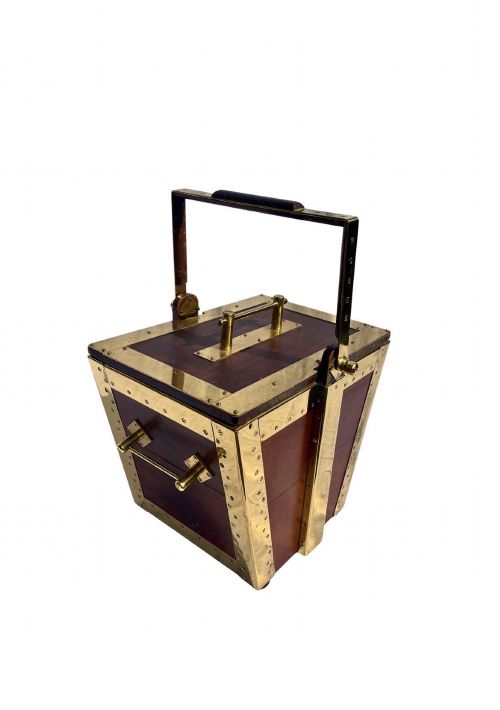
A victorian brass log bucket stands by the hearth as a weighty metal vessel built to hold fuel for the fire.
Victorian Brass Log Bucket
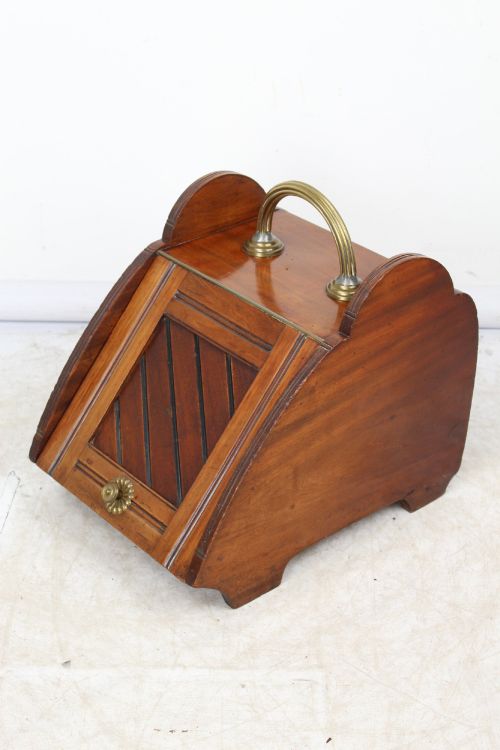
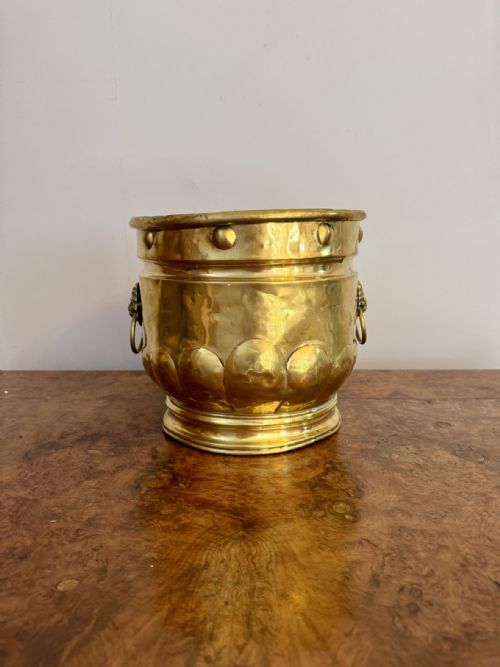
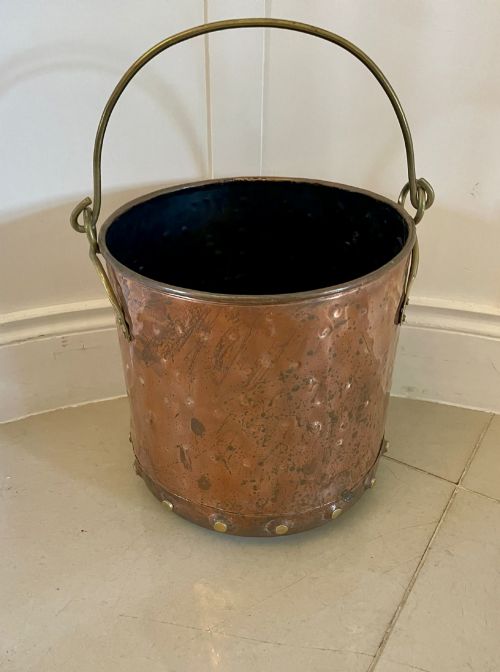
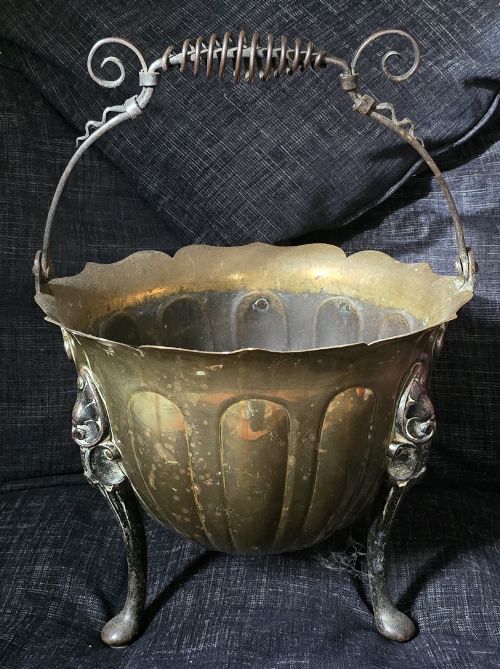
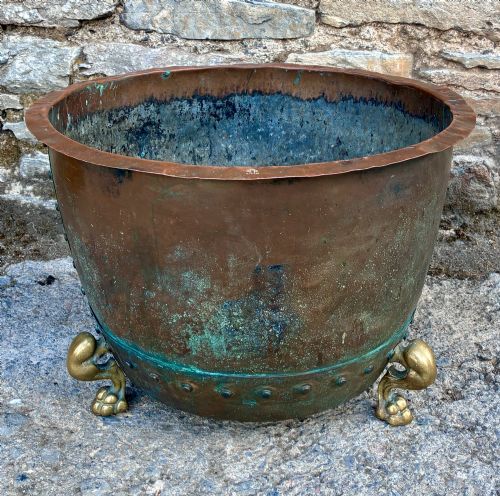
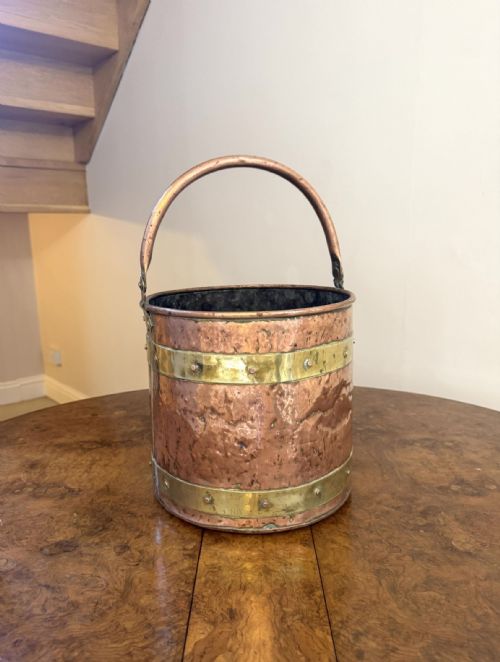
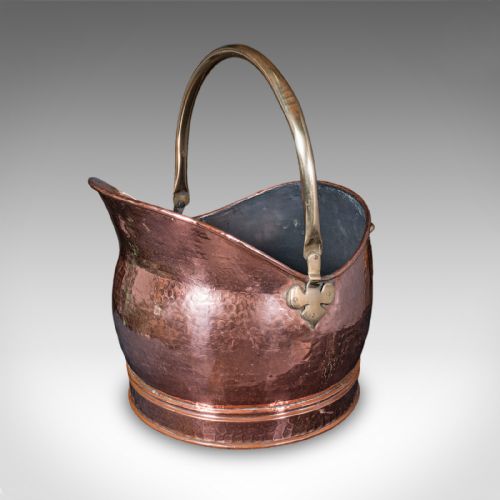
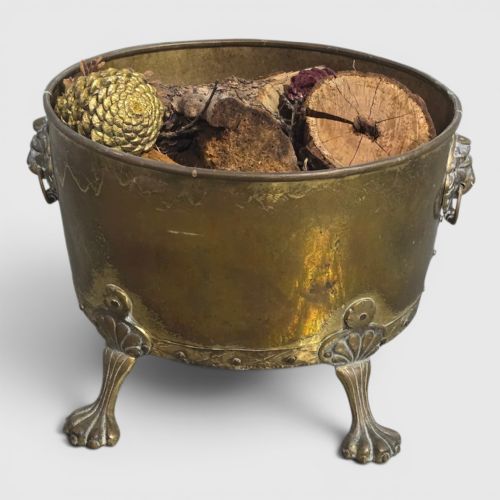
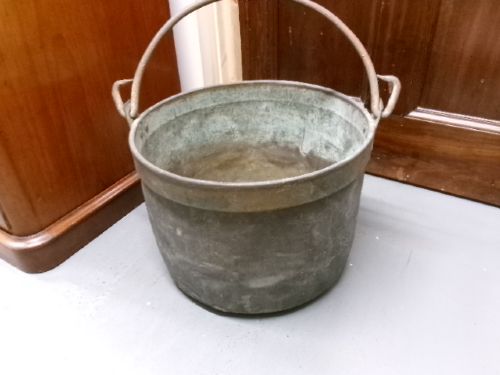
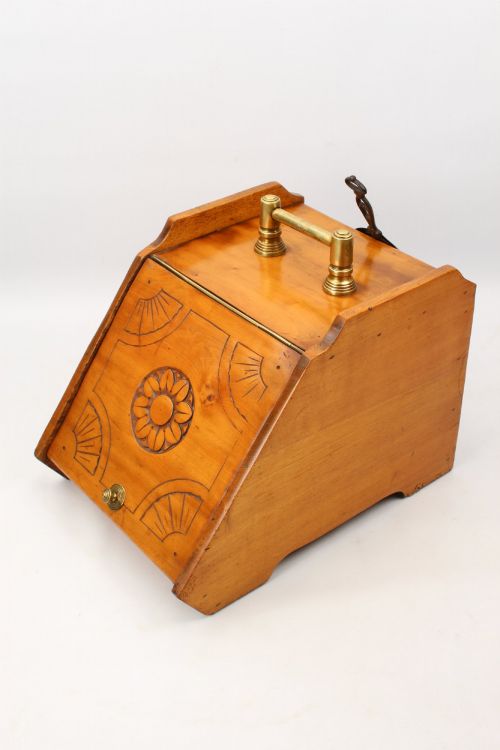
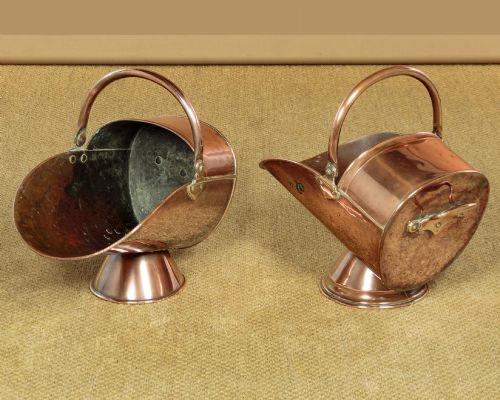
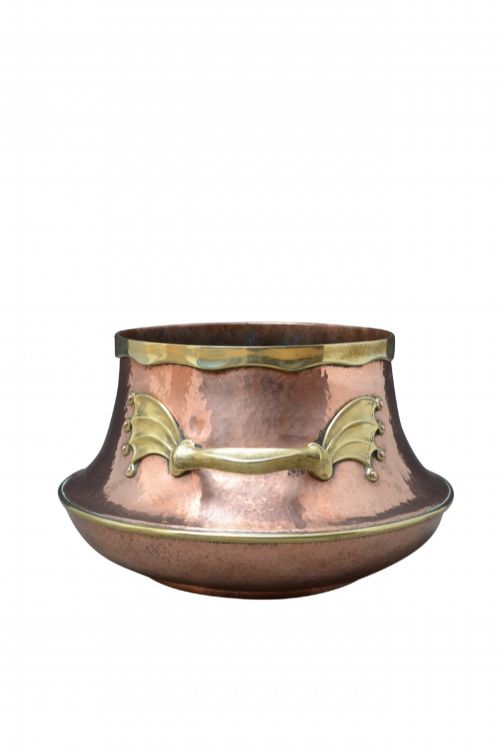
A victorian brass log bucket is a sturdy fireside container designed to store fuel beside the fireplace, frequently appearing as cylindrical bins, helmet scuttles, or cauldrons. The most common version met on this page is the brass-bodied or copper-banded bucket, often fitted with swing handles and lion mask ring mounts.
These vessels span periods from the mid-nineteenth century through to the early twentieth century, incorporating styles such as Arts and Crafts and Rustic Farmhouse. Many double as planters or jardinieres, reflecting multipurpose use in the Victorian home.
Materials and construction
Makers utilised heavy sheet brass and copper, frequently combining both metals through riveting and secure seaming to build rigid bodies capable of holding heavy logs. Timber elements such as oak, mahogany, and walnut appear in coopered staved buckets, while iron and galvanised metal provide internal structure.
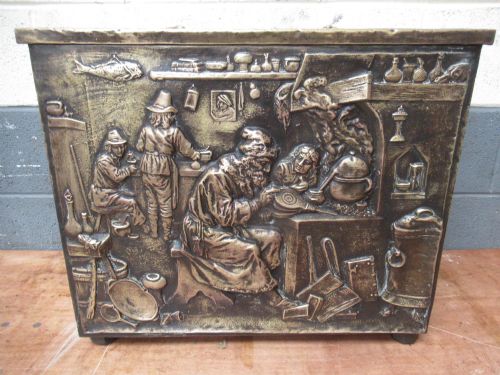
Surface finishing involved hand hammering, embossing, and polishing to create decorative relief scenes, heraldic crests, or tavern motifs. Swing handles were cast separately and fixed with sturdy brass mounts to distribute the weight when the vessel was full.
Victorian Brass Log Bucket Retail Price Guide 2026
Typical asking prices for victorian brass log bucket among the pieces listed under this phrase on Sellingantiques today, from the lower quarter to the upper quarter. They describe what is for sale here now, not the wider market.
Listings feature brass, copper, mahogany, oak, and walnut across Victorian and Edwardian periods.
Assessing the craftsmanship
Gauge and weight separate the finest vessels from lighter utility pieces, with heavier metal stock ensuring durability and resistance to dents from heavy fuel. Superior examples exhibit crisp, deep hand-embossing and precise dovetailing or riveting rather than mass-produced machine stamping.
The integration of original accessories, such as matching shovels, liners, and well-cast lion head ring handles, elevates the distinction of a piece. Finer versions maintain balanced proportions and secure joints that withstand the rigours of daily hearthside service.
Henry Loveridge·Petrus Ramus
The Victorian Brass Log Bucket Glossary
- Helmet scuttle
- A coal container shaped with a flared lip and a raised back resembling a classical helmet, designed for pouring fuel cleanly. It typically rests on a small foot or three brass ball feet.
- Cauldron
- A round, deep metal vessel, frequently resting on three legs and fitted with a swing handle, traditionally used for heating or holding fuel. In this context, it serves as an open log basket.
- Coopered
- Built by assembling vertical wooden staves bound together by metal bands, much like a barrel. This technique appears in wooden log buckets and peat bins.
- Jardiniere
- An ornamental pot or receptacle designed to hold plants or flowers. Many brass and copper vessels served this dual purpose indoors.
- Arts and Crafts
- A design movement emphasising handcraftsmanship, simple forms, and honest materials. Pieces from this style often feature hammered surfaces and stylised motifs.
Victorian Brass Log Bucket: Frequently Asked Questions
How were these buckets used originally?
These vessels sat by the fireplace to hold coal, peat, or logs close to the hearth for easy stoking. Their robust construction allowed them to carry heavy loads of fuel from outdoor stores into the living rooms of the house.
Many examples also doubled as indoor planters or waste bins, proving adaptable to different rooms once coal fires declined in popularity. Their decorative metal surfaces added warmth and reflected firelight in the Victorian interior.
Are these buckets waterproof?
Most brass and copper vessels feature riveted or sealed seams that hold dry fuel securely, but older soldered joints can dry out over time. Metal buckets utilised as planters frequently required internal liners to protect the exterior from standing water and soil.
Checking the base reveals whether a container retains its original watertight integrity or if it functions best for dry storage today. Wooden coopered versions rely on tight staves and metal bands to maintain their shape.
How do I clean a brass bucket?
Routine maintenance requires only a soft cloth to remove dust and maintain the natural metal surface. Harsh chemical dips or abrasive scourers strip away the aged patina that collectors value on nineteenth-century pieces.
Light applications of traditional metal polish help preserve the finish without erasing the history recorded in the surface marks. Keeping the metal dry prevents oxidation and spotting from moisture.
How do I distinguish Victorian pieces from later items?
Victorian examples display hand-finished construction traits, such as hand-hammered panels, heavy cast brass handles, and traditional riveting methods. The weight of the metal stock and the method of joining seams offer clear clues to the manufacturing period.
Later reproductions often utilise machine stamping, lighter gauge brass, and modern fasteners that lack the character of nineteenth-century workshop production. Examining the wear patterns on the base and handles also helps confirm age.