

Victorian Brass Light
When you search for a victorian brass light, you are entering a world of robust metalwork, glowing glass shades and period engineering designed to illuminate nineteenth-century rooms.
Victorian Brass Light
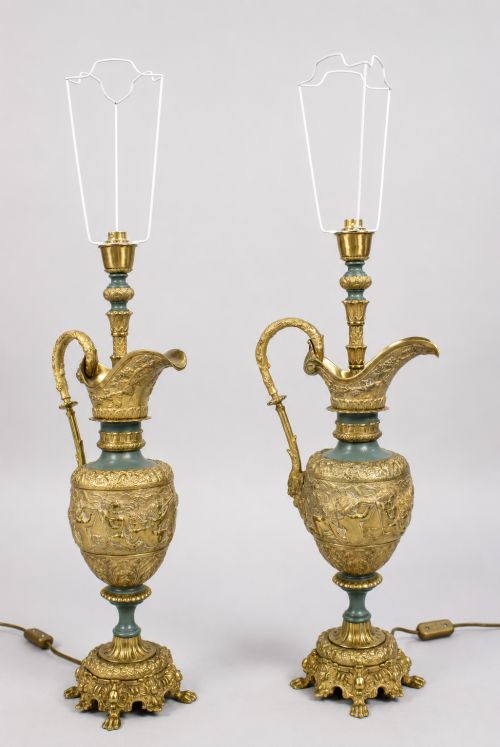
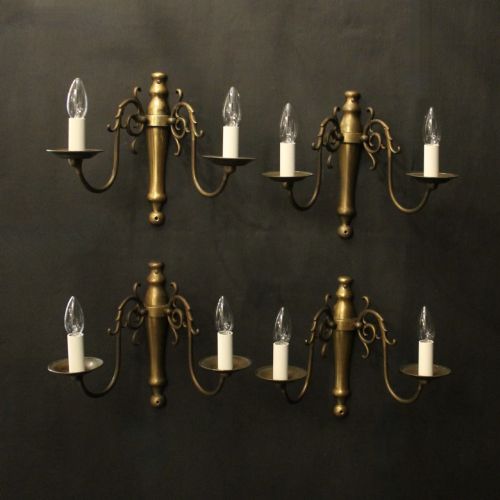
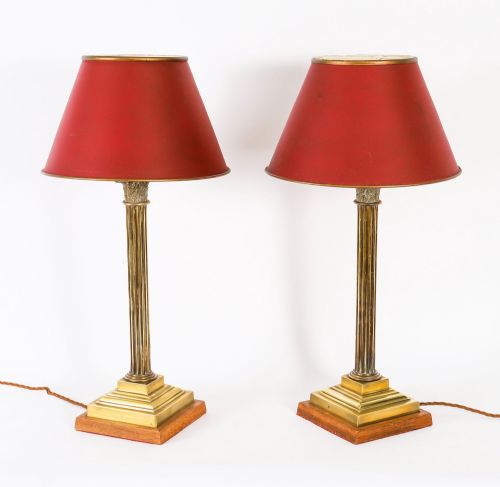
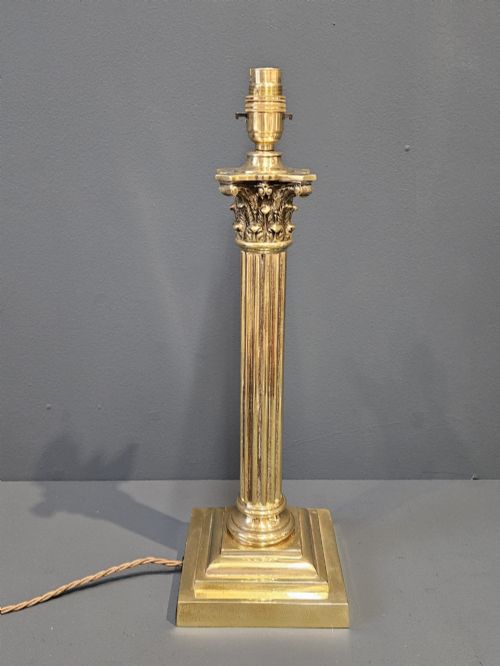
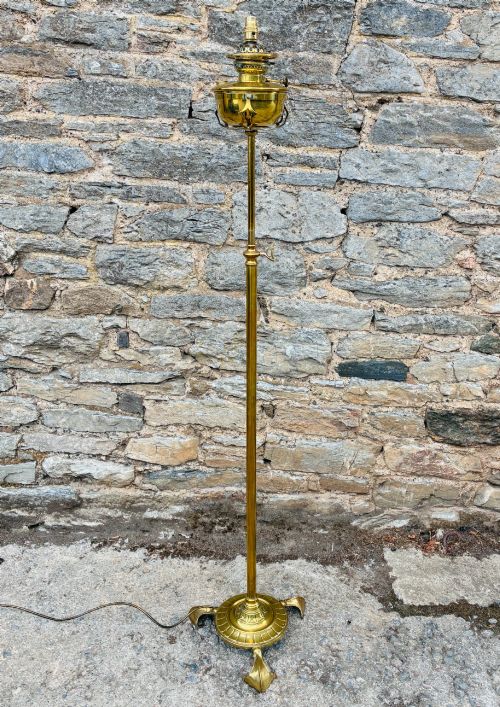
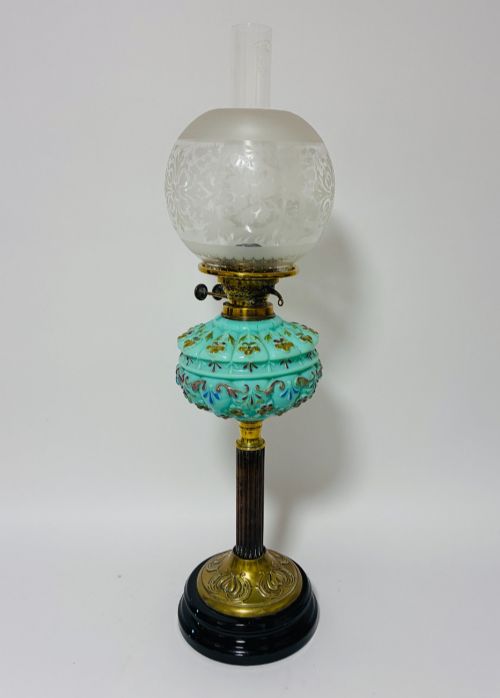
A victorian brass light encompasses everything from heavy floor-standing standard lamps and Corinthian column table lamps to intricate ceiling lanterns, gasoliers and wall sconces. The material palette frequently incorporates lead glass, cranberry shades, opaline glass and ceramics alongside polished or cast brass.
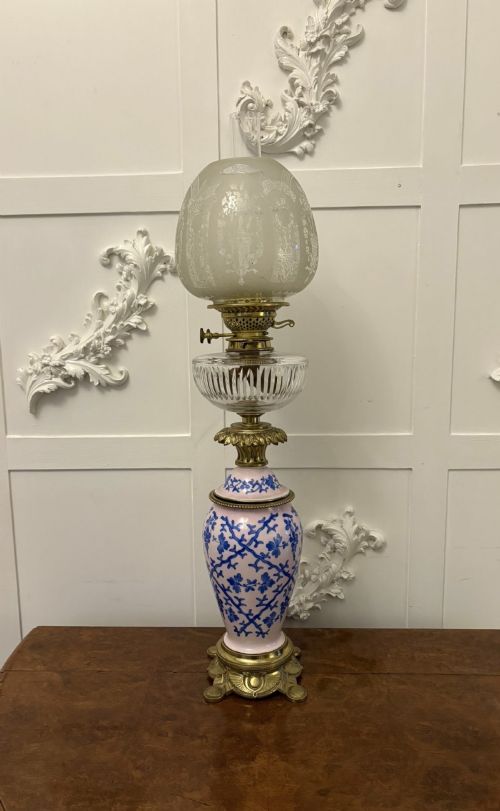
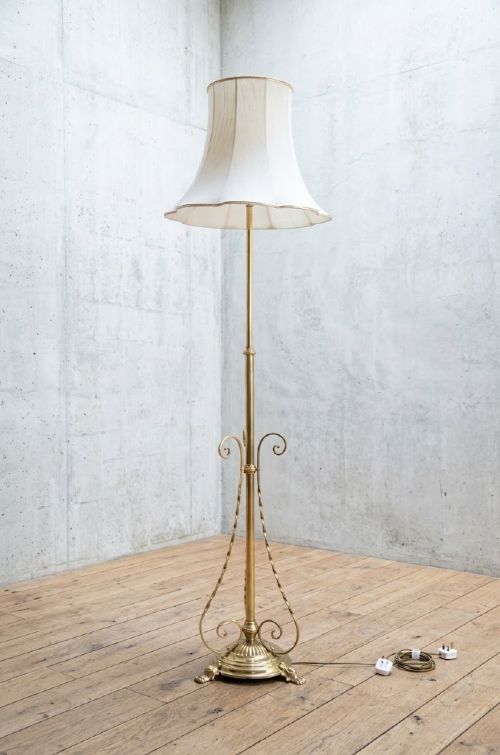
Buyers will most commonly encounter converted oil lamps and gas fittings adapted for modern electricity, often featuring adjustable telescopic columns or swing arms. Stylistically, the pieces range from severe Gothic Revival and ornate Aesthetic Movement designs to flowing Arts and Crafts and Art Nouveau interpretations.
Materials and Construction
Brass formed the primary structural backbone for these luminaires, utilised either as solid cast components or sheet metal spun and turned on lathes. Manufacturers combined this foundational metal with decorative accents in bronze, ormolu, copper and wrought iron to add textural contrast.
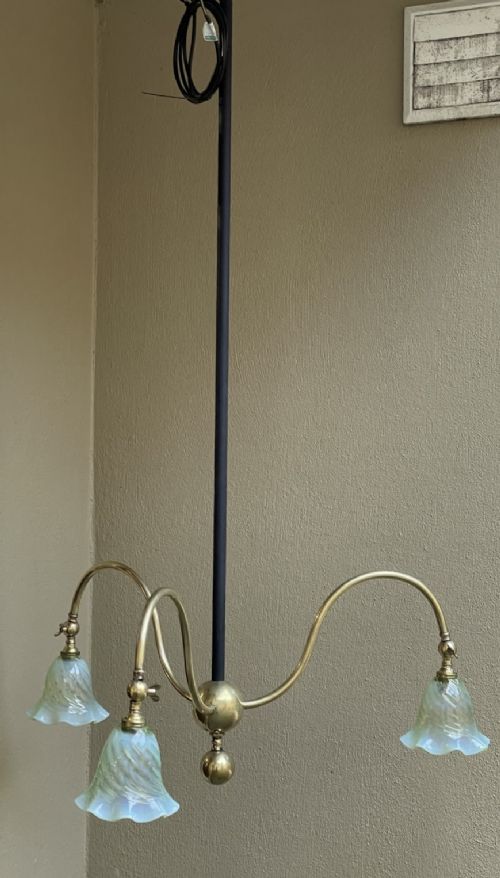
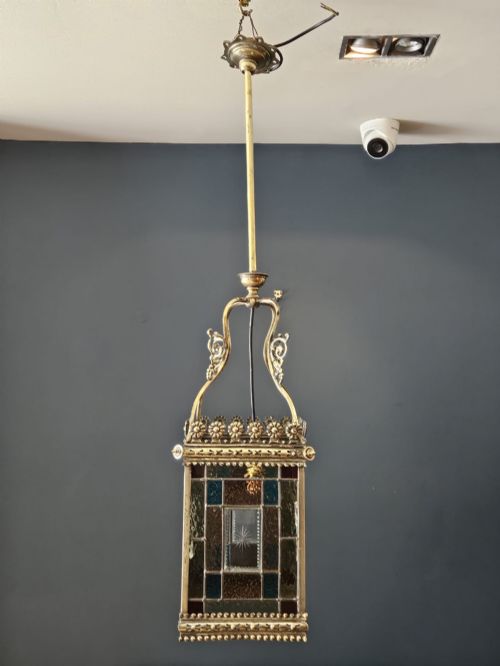
Glass was integral to the construction, appearing as blown or moulded shades in cranberry, vaseline, opaline and cut crystal variations, as well as leaded and stained glass panels for hanging lanterns. Many fittings incorporated mechanical brass elements such as telescopic height adjusters, complex gas keys and swivel joints.
Victorian Brass Light Retail Price Guide 2026
Typical asking prices for victorian brass light among the pieces listed under this phrase on Sellingantiques today, from the lower quarter to the upper quarter. They describe what is for sale here now, not the wider market.
Listings feature brass combined with glass, fabric, gilt bronze, cut glass, ceramic and ormolu across the Victorian, Edwardian and Arts and Crafts periods.
Judging Quality and Execution
Quality in a victorian brass light rests upon the crispness of the casting and the weight of the metal utilised in the body and base. Finer examples display hand-chased detailing on foliate mounts, crisp fluting on columns and robust structural joints rather than mass-produced stamped components.
The integrity of the accompanying glass components heavily influences the overall standard of the piece, with hand-etched, coloured or heavy cut glass shades elevating the desirability of the fitting. Furthermore, the survival of original mechanical functions, such as smooth telescopic actions or intact gas keys, distinguishes superior examples from standard production.
Barbedienne·W.A.S. Benson·Bruce Talbert
The Victorian Brass Light Glossary
- Gasolier
- A multi-branched ceiling light originally designed to burn coal gas before later conversion to electricity. These fixtures often feature hollow arms that once channelled gas to the burners.
- Pricket Candlestick
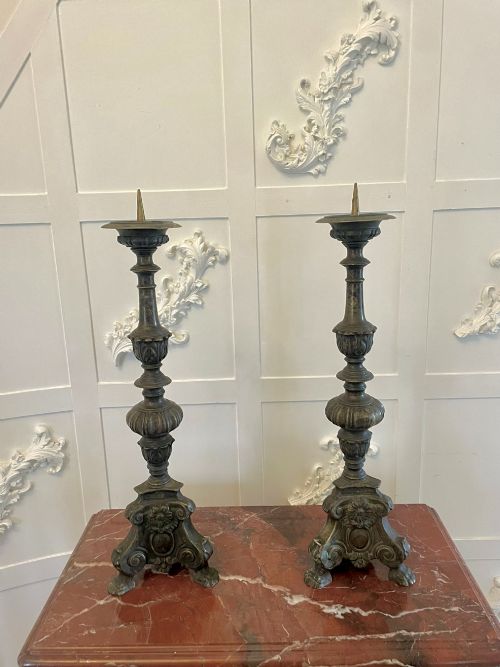
- A candlestick that holds a candle upon a sharp central spike rather than inside a socket. They are commonly associated with ecclesiastical or Gothic Revival metalwork.
- Vaseline Glass
- A type of glass coloured with uranium dioxide that produces a distinctive yellow-green fluorescence under ultraviolet light. It is frequently found in late-nineteenth-century shades.
- Telescopic Standard
- A vertically adjustable floor or table lamp stem that allows the overall height to be raised or lowered. This mechanical feature utilised internal sliding brass tubes.
Victorian Brass Light: Frequently Asked Questions
Can I safely wire an old oil lamp?
Most oil lamps and gas fittings from this era can be converted or rewired for modern electrical standards by a qualified professional. The process typically routes the flex discreetly through the original burner or central column without altering the exterior antique metalwork.
Buyers frequently adapt these pieces to gain the aesthetic warmth of nineteenth-century design with the convenience of modern switching. It is advisable to consult an electrician experienced in heritage lighting to ensure proper earthing and PAT testing.
How do I distinguish Gothic Revival from Arts and Crafts?
Gothic Revival lighting draws heavily on medieval ecclesiastical architecture, featuring pointed arches, heavy casting, pricket spikes and rich surface ornamentation. The aesthetic looks backward to medieval forms with a formal, grand execution.
Arts and Crafts lighting prioritises visible construction, hammered metal textures and simple, honest utility championed by makers of the late nineteenth century. These pieces often feature exposed rivets, copper accents and restrained, nature-inspired motifs rather than classical revivalism.
What is a gas pole ceiling light?
A gas pole ceiling light uses a rigid vertical brass tube suspended from the ceiling, allowing a gasolier or pendant to slide up and down to adjust the height of the flame. This ingenious nineteenth-century mechanism gave users control over light levels in high-ceilinged Victorian rooms.
In modern settings, these fixed-pole fittings make striking architectural statements over dining tables or in hallways. Many retain their original counterweight mechanisms or decorative pulleys even after electrical conversion.
How should I clean antique brass?
Antique brass generally benefits from gentle dusting and occasional cleaning with a soft cloth to preserve its accumulated historical patina. Aggressive commercial metal polishes can strip away centuries of oxidation and soften the crisp details of hand-chased castings.
If the metal is overly tarnished, mild soap and warm water applied sparingly will remove surface grime without harming the finish. Leaving a warm, mellow tone on the brass maintains the authentic character expected from nineteenth-century metalwork.