

Victorian Brass Finial Bed
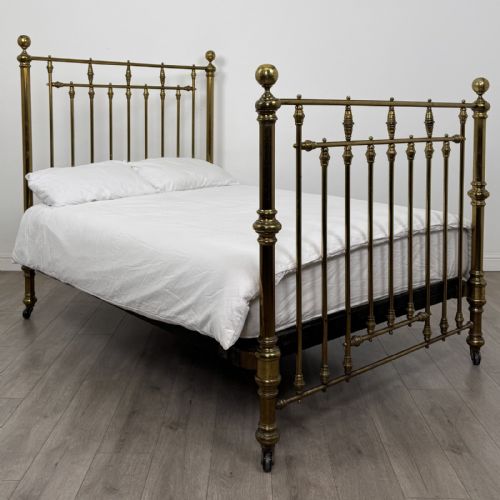
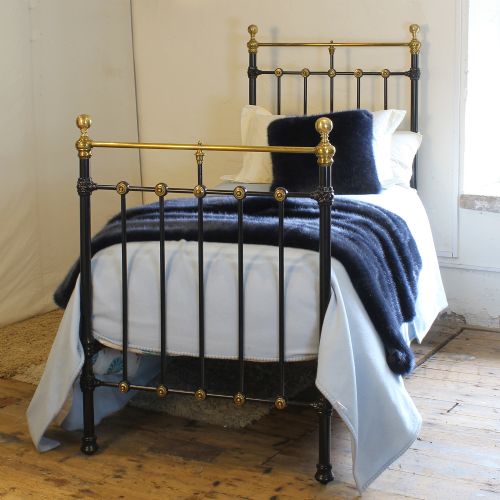
A victorian brass finial bed combines heavy iron structure with polished brass detailing, offering period character and sturdy construction for a bedroom.
Victorian Brass Finial Bed
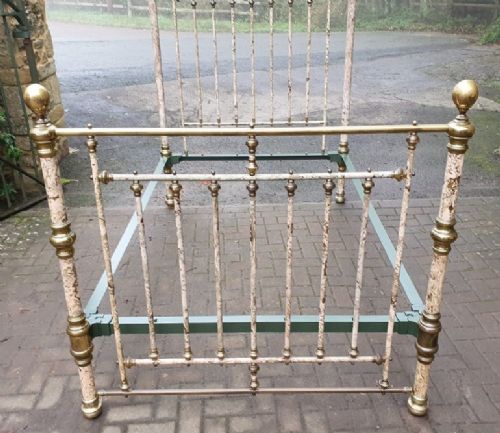
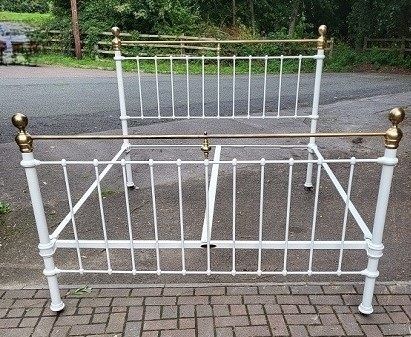
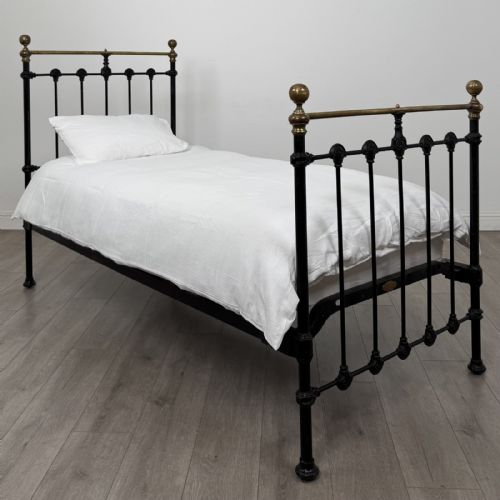
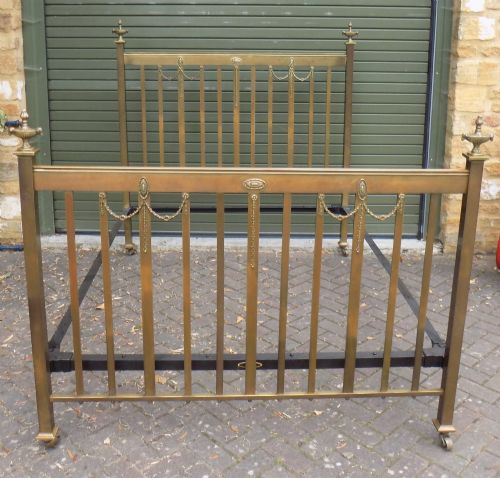
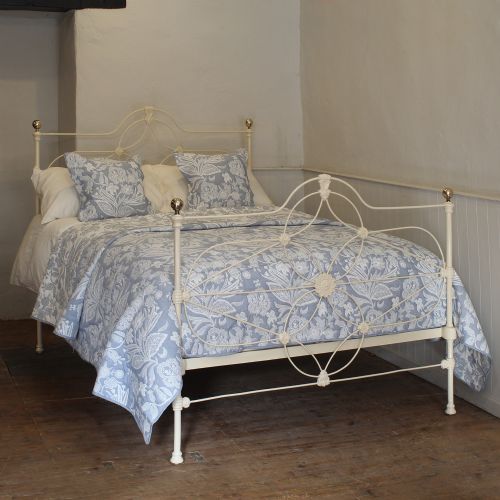
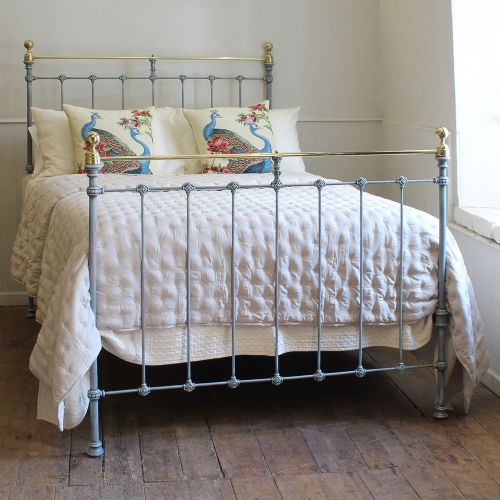
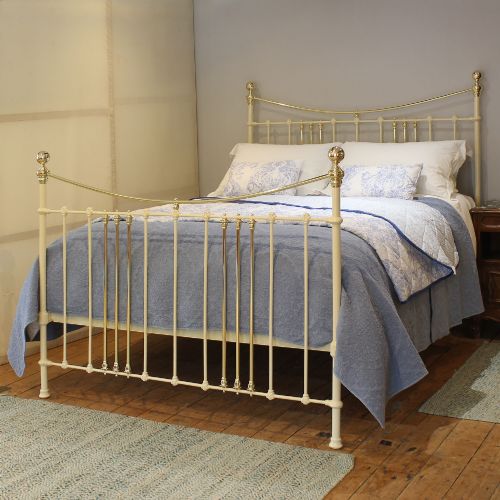
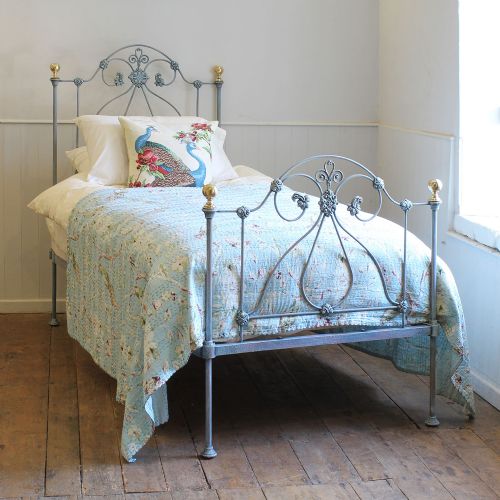
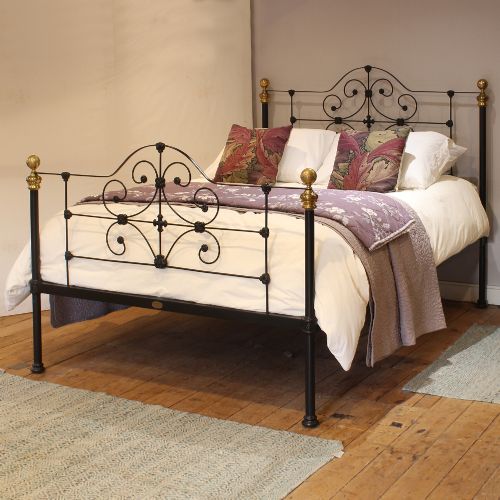
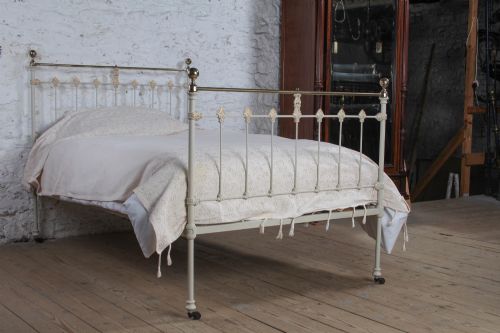
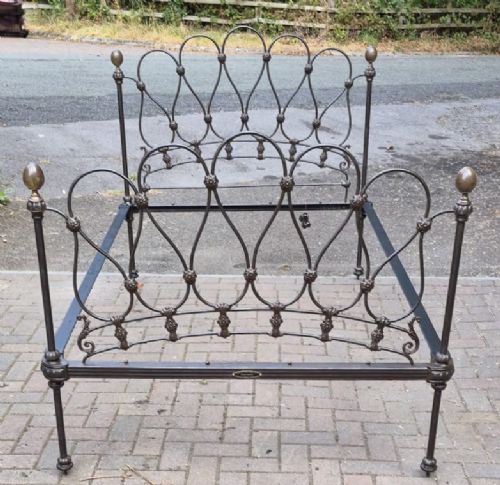
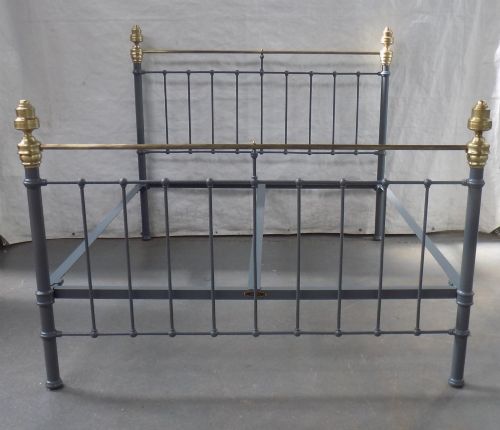
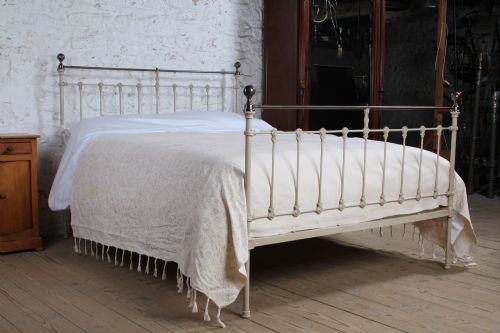
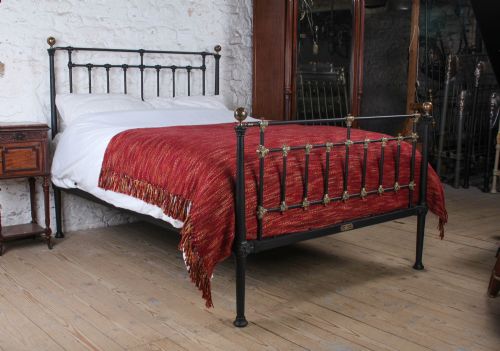
A victorian brass finial bed typically pairs a painted or japanned metal frame with gleaming brass finials and decorative spindles. Buyers searching this phrase encounter full double sizes, king sizes, and single widths dating from the mid-nineteenth century through the turn of the twentieth century.
The construction balances structural strength with decorative appeal, often featuring cast iron frames paired with brass headboards and footboards. These pieces range from classic low footend designs to larger statement beds with tapered posts and ornate corner finials.
Materials and construction methods
Frames combine cast iron and wrought iron components, frequently finished with paint or japanned lacquer to protect the metal. Brass elements, including the signature finials and rails, are polished to contrast against the dark or coloured body of the bedstead.
Casting techniques allow for intricate corner joints and decorative spindle work, while sturdy iron side rails support standard mattress sizes. Original surfaces show layered paintwork or patinated lacquer accumulated over decades of use.
Victorian Brass Finial Bed Retail Price Guide 2026
Typical asking prices for victorian brass finial bed among the pieces listed under this phrase on Sellingantiques today, from the lower quarter to the upper quarter. They describe what is for sale here now, not the wider market.
Some models are described as having no end, proving that nineteenth-century designers understood the modern need to watch television without a footboard in the way.
Factors that distinguish quality
Quality depends upon the crispness of the iron castings and the weight of the brass components used in the finials and rails. Finer examples retain their original painted surfaces or japanned lacquer without heavy pitting.
The integrity of the structural joints and the presence of matching original side rails determine how well a bedstead functions for daily use. Maker attribution also separates standard commercial bedframes from those produced by recognised firms.
Winfield·R W Winfield·Maple & Co.
The Victorian Brass Finial Bed Glossary
- Finial
- A decorative terminal ornament, typically turned in brass, finishing the top of a bed post. These add a bright focal point to the corners of the headboard and footboard.
- Japanned Lacquer
- A European imitation of East Asian lacquerwork applied to iron bed frames. It creates a dark, glossy protective coating characteristic of nineteenth-century metalwork.
- Cast Iron
- Molten iron poured into a mould to form rigid bed frames and decorative junctions. It provides the heavy structural core necessary for antique bedsteads.
- No End Bed
- A bedstead design featuring a headboard but lacking a high footboard. This open configuration suits smaller rooms and makes the bed appear less imposing.
Victorian Brass Finial Bed: Frequently Asked Questions
Will a victorian brass finial bed fit a modern mattress?
Most antique bed frames accommodate standard mattress sizes such as single, double, or king, though older widths can vary slightly from modern measurements. Checking the internal rail length and width ensures proper placement of slats and mattress.
Adjustment to side rails or custom-made modern bases can sometimes be integrated discreetly to support contemporary mattresses securely without altering the visible antique frame.
How do I care for the brass finials and painted iron?
Regular dusting with a dry microfibre cloth keeps the painted or japanned surfaces clean. Avoid abrasive commercial cleaners on aged metal finishes.
Brass finials can be polished gently with a mild brass cleaner if brighter reflection is desired, though many collectors prefer to leave a natural, unpolished patina in place.
Are these beds easy to assemble and move?
These bedsteads use heavy iron side rails that slot directly into the headboard and footboard sockets, requiring no complex fixings. Assembly typically takes two people due to the substantial weight of cast iron components.
Care should be taken when tightening joints to protect the historic metal threads and prevent chipping to painted or japanned lacquer finishes.
How can I distinguish an 1850s bed from a 1900s example?
Early Victorian examples often feature simpler, heavier iron castings and hand-finished details. Later nineteenth-century models frequently incorporate more elaborate brass spindle arrangements and refined corner finials.
Maker stamps on the iron rails or brass plates can also help narrow down the production decade when present.