
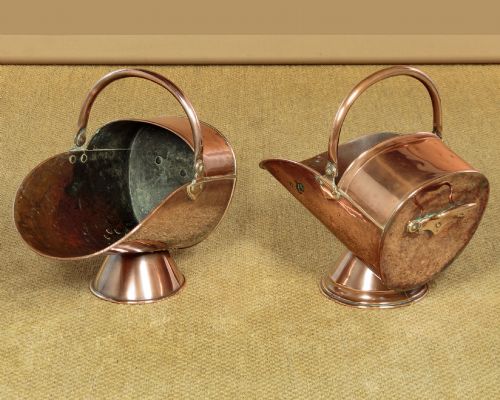


Victorian Brass Coal Bin
A victorian brass coal bin brings polished metal and functional hearthside storage into a room.
Victorian Brass Coal Bin
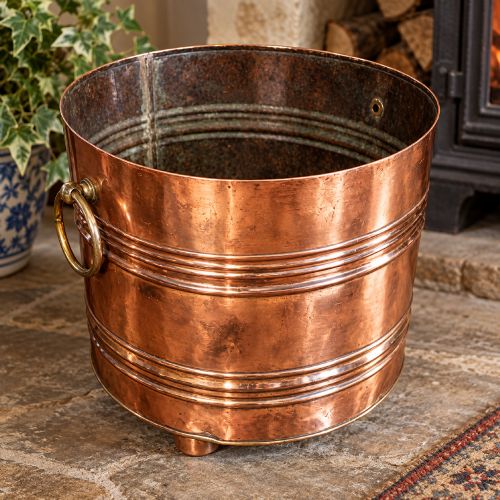
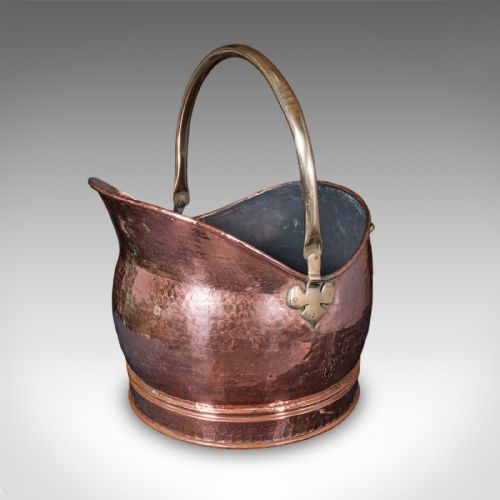
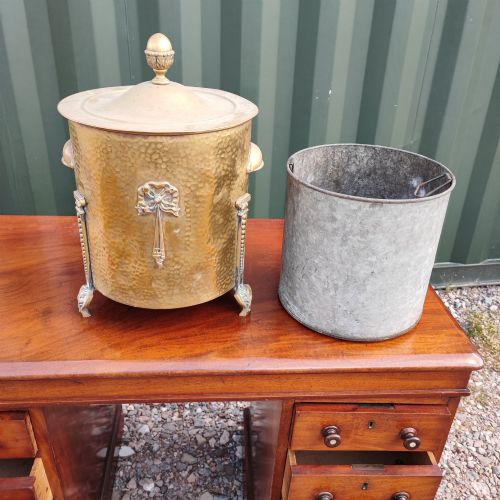
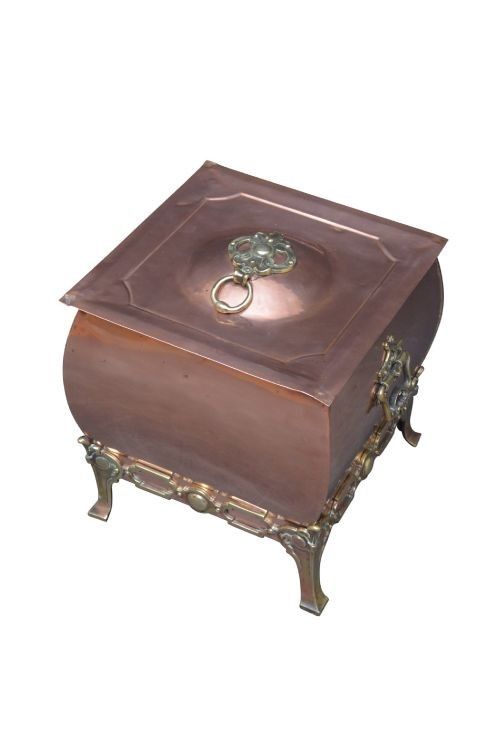
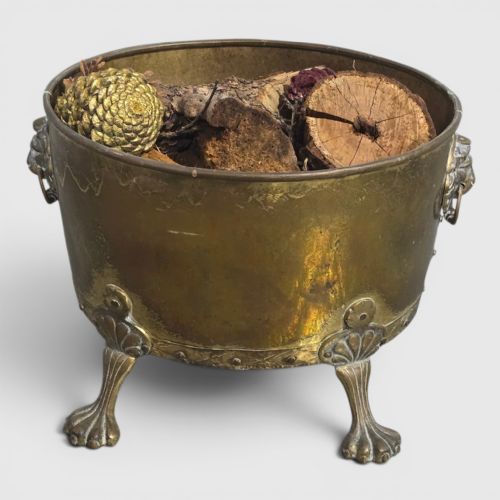
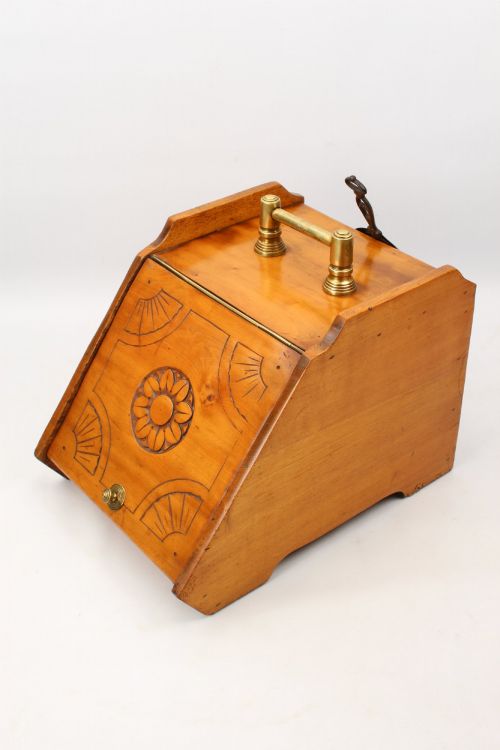
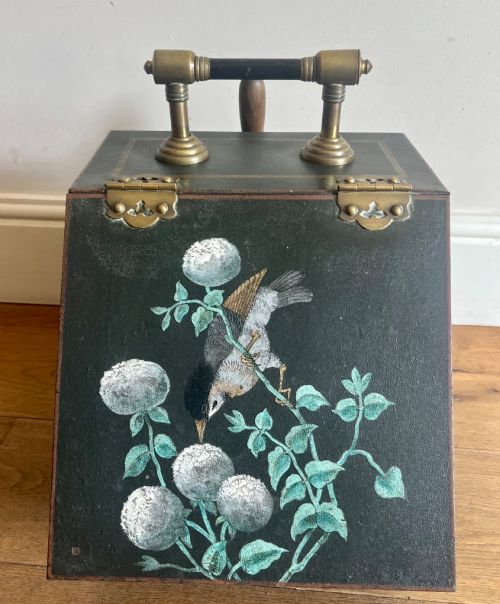
When you examine a victorian brass coal bin, you are looking at hearthside utility transformed into decorative metalwork. These vessels served the daily need to store and transport fuel for open fires in nineteenth-century homes, taking forms such as cylindrical buckets, lidded boxes, and helmet scuttles.
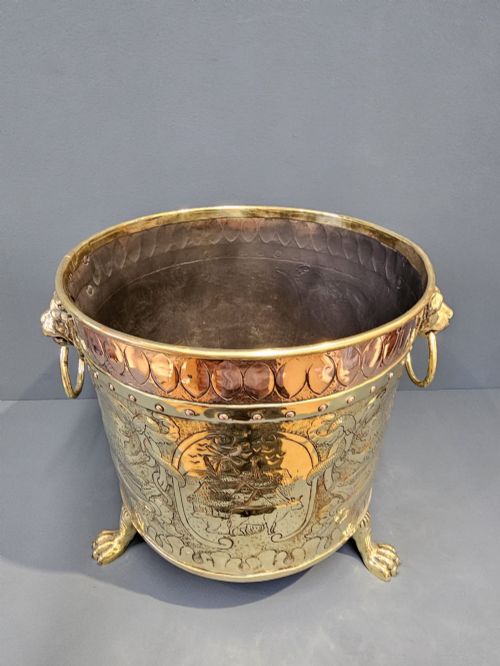
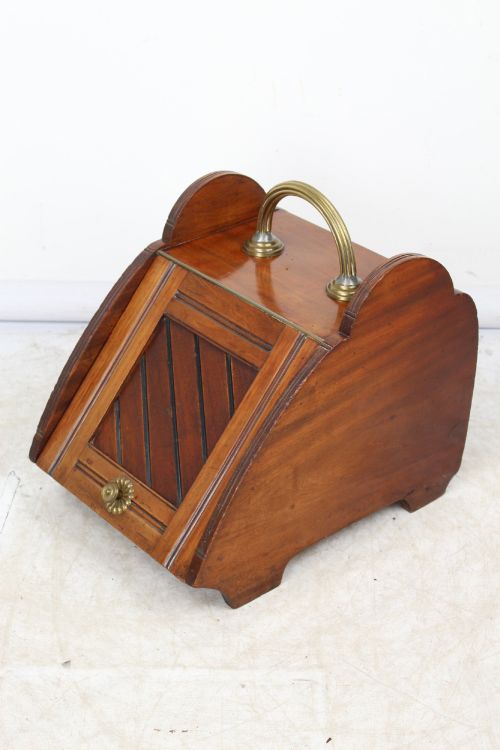
The versions you are most likely to meet on this page date primarily from the Victorian and Edwardian eras, spanning styles from late nineteenth-century revivalism to the decorative metalwork of the Arts and Crafts movement. Alongside solid brass, many examples combine copper banding, iron liners, or wooden carcases in oak, walnut, and mahogany.
How they were made
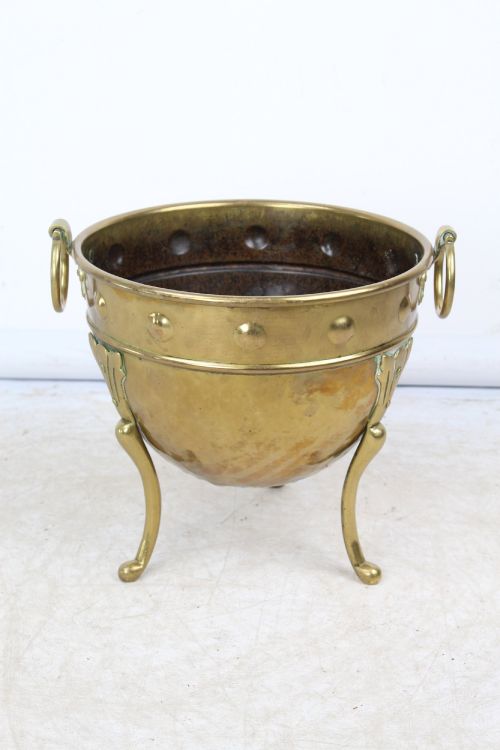
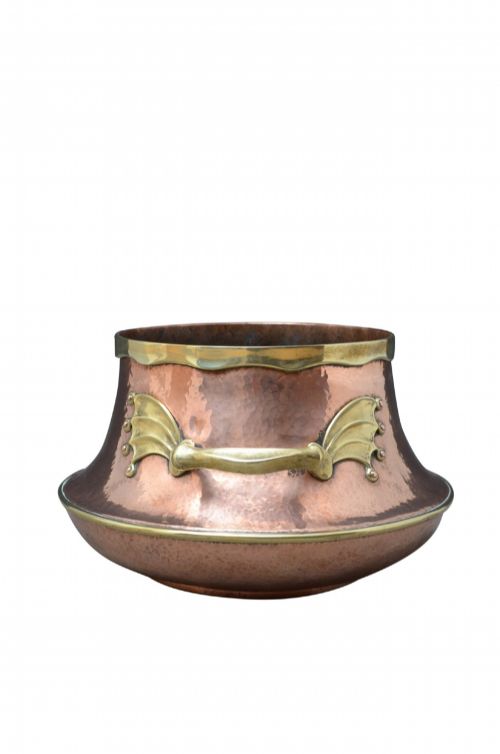
The construction of these pieces relies on the combination of sheet brass and copper, often shaped by handbeating or hammering to create textured surfaces. Workshops utilised riveted joints, embossed panels, and applied brass mounts to secure handles, feet, and decorative hinges.
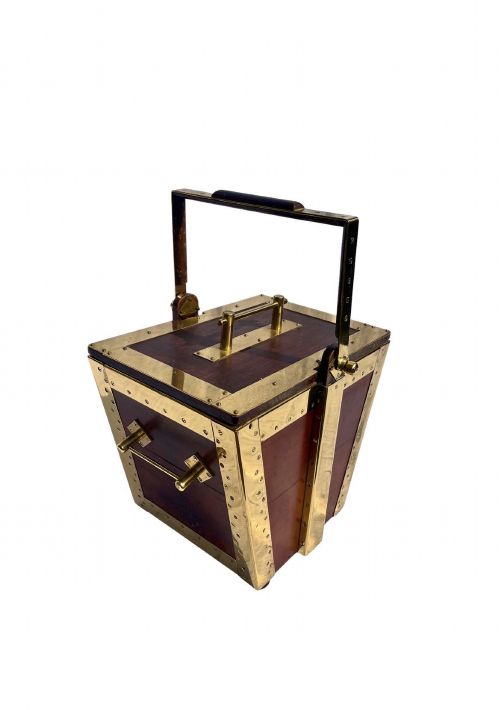
Wooden examples integrate brass handles, straps, and corner brackets onto carcases of oak, walnut, or mahogany. Many containers include internal metal liners to manage fuel debris, paired with matching accessories like shovels.
Listings feature oak, walnut, and mahogany wooden coal boxes alongside solid brass and copper buckets from the Victorian and Edwardian periods.
What varies in quality
Quality rests on the weight of the metal and the crispness of any embossed or hand-hammered detail. Heavier gauge brass and copper maintain structural integrity and resist denting through years of hearthside service.
Refinement shows in the joinery of wooden bodies, the integrity of original metal liners, and the integration of cast brass handles and paw feet. Pieces bearing maker marks from recognised metalworkers demonstrate higher workshop distinction.
Henry Loveridge·Petrus Ramus·William Soutter And Sons
The Victorian Brass Coal Bin Glossary
- Coal purdonium
- A specialised cabinet or box designed for storing fuel, often featuring a sloping front or drop-down door to dispense coal cleanly.
- Helmet scuttle
- A bucket shaped with a flared rim and raised back resembling a classical helmet, designed for pouring fuel onto a fire.
- Dinanderie
- An umbrella term for objects made of brass, copper, or bronze, particularly applied to decorative vessels and beaten metalwork.
- Tole ware
- Lacquered or enamelled metal items, occasionally found alongside brass and copper fuel storage at the hearth.
- Embossed
- Metal shaped in relief by hammering or pressing dies from the reverse side to create raised decorative patterns.
Victorian Brass Coal Bin: Frequently Asked Questions
What is a victorian brass coal bin?
A victorian brass coal bin is a hearthside storage container made during the nineteenth or early twentieth century to hold fuel for coal fires.
These pieces range from simple cylindrical buckets to elaborate lidded boxes and helmet-shaped scuttles decorated with embossing or hammered textures.
How were these containers used?
They sat beside the fireplace to keep coal or logs close at hand for domestic fires.
Servants filled them from larger cellar stocks, and the householder used the vessel and its accompanying shovel to tend the hearth.
How do I live with a victorian brass coal bin?
These bins function well as decorative plant planters, umbrella stands, or magazine storage in modern rooms.
Their polished metal surfaces reflect light and introduce warmth alongside wood and textiles.
How do I tell different periods apart?
Mid-Victorian examples often favour heavy cast brass mounts and polished helmet forms, while later nineteenth-century pieces embrace hand-hammered surfaces.
Edwardian and Arts and Crafts versions lean towards simpler geometric lines, exposed rivets, and distinct maker stamps.