

Victorian Brass Candle Stands
When you handle victorian brass candle stands, you hold heavy nineteenth-century metalwork designed to bring steady light and ornamental character to period rooms.
Victorian Brass Candle Stands
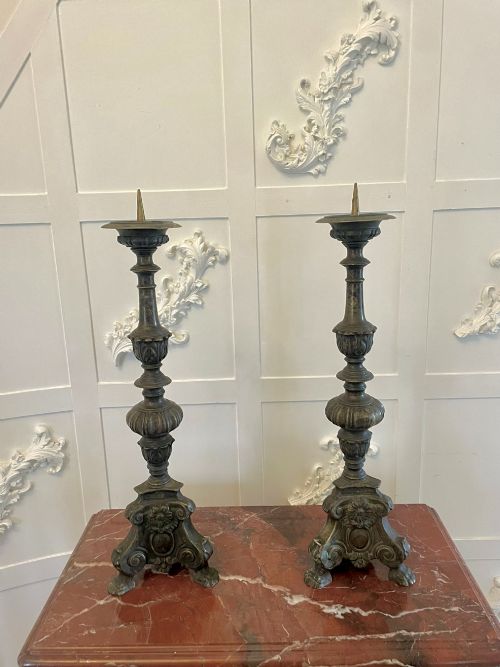
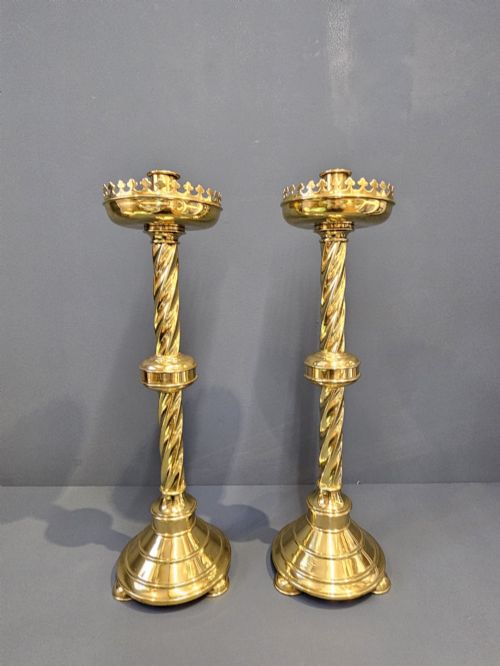
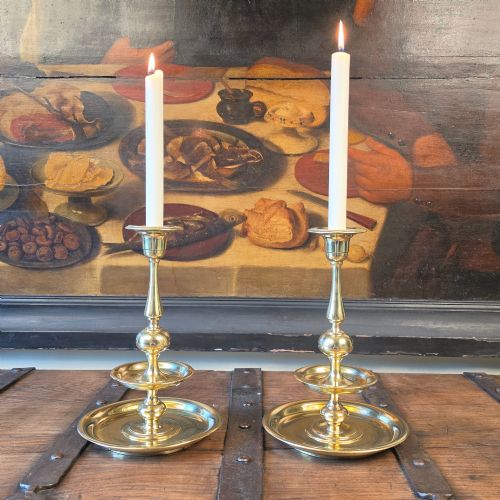
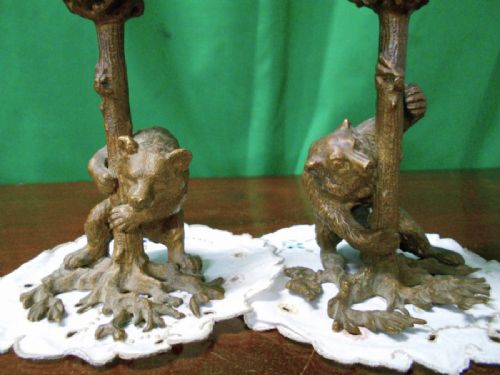
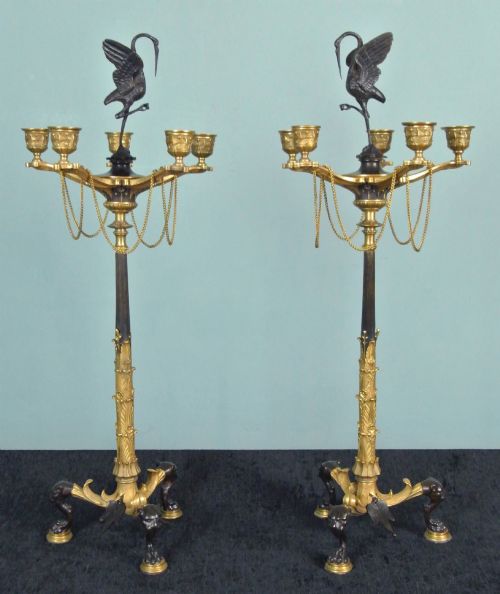
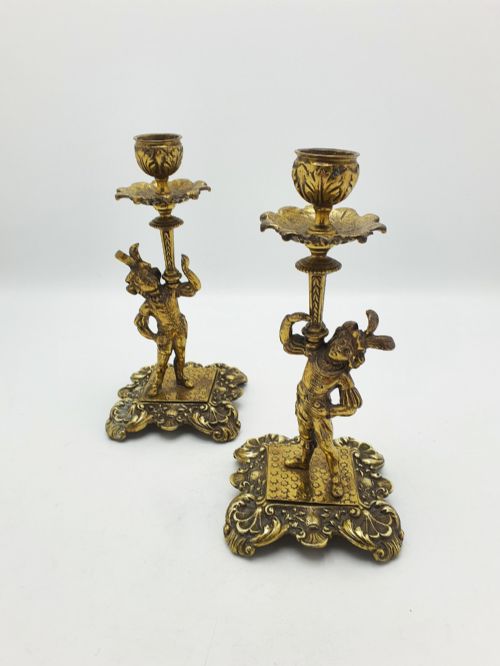
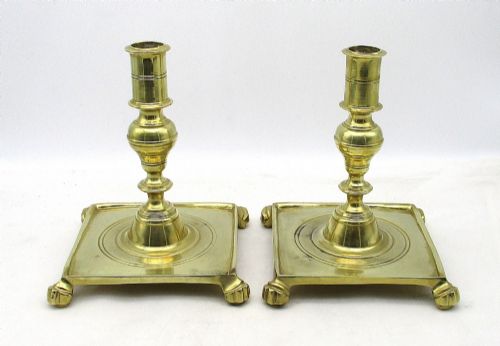
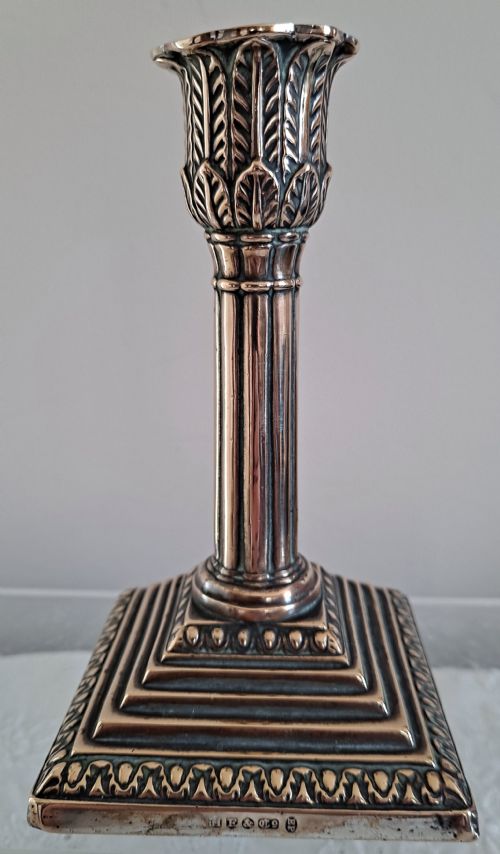
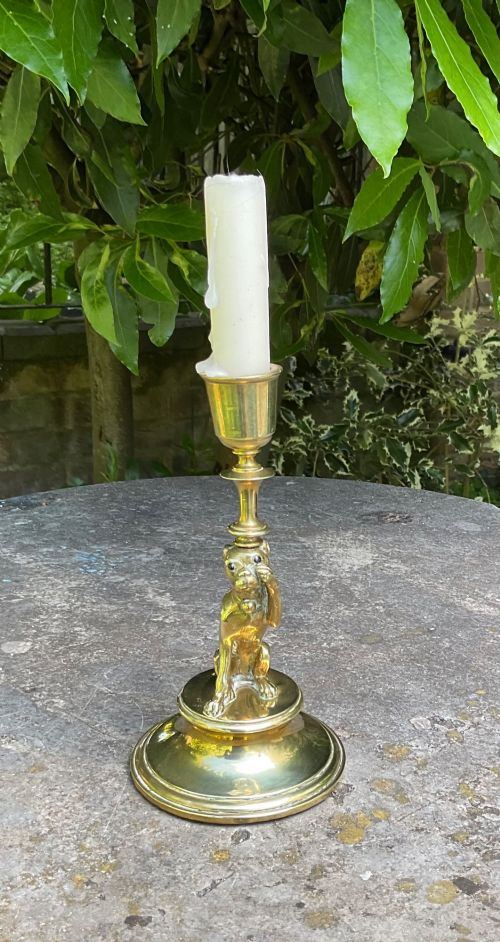
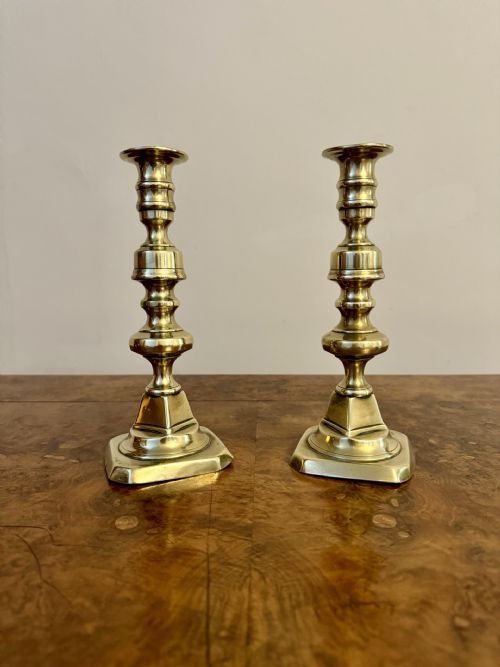
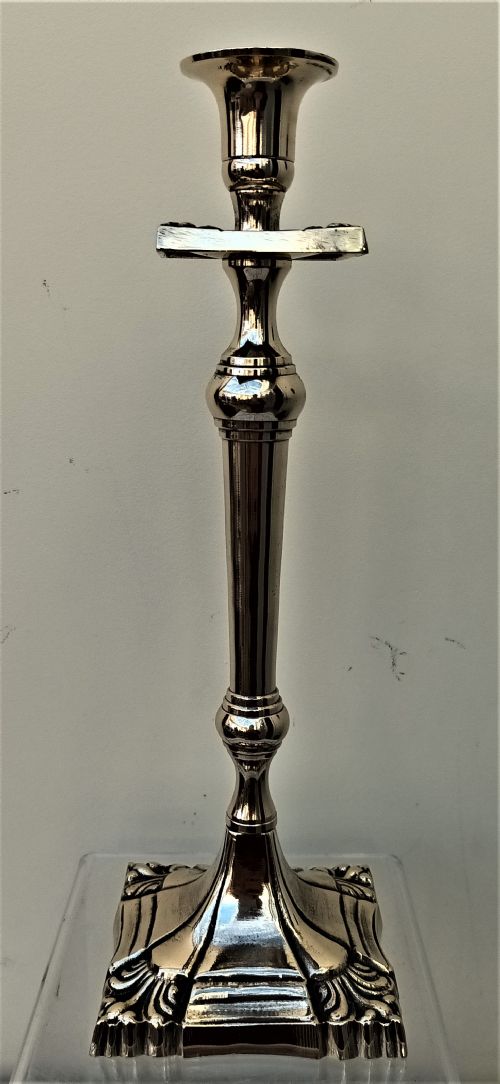
Victorian brass candle stands encompass domestic candlesticks, church pricket stands, and multi-branched candelabra produced across the nineteenth century and into the early twentieth century. The forms range from plain ejector models to ornate figural designs depicting animals, human characters, and ecclesiastical motifs.
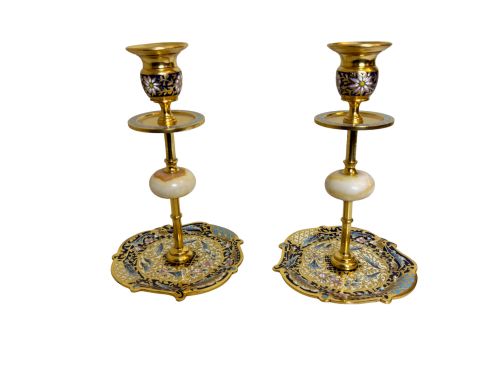
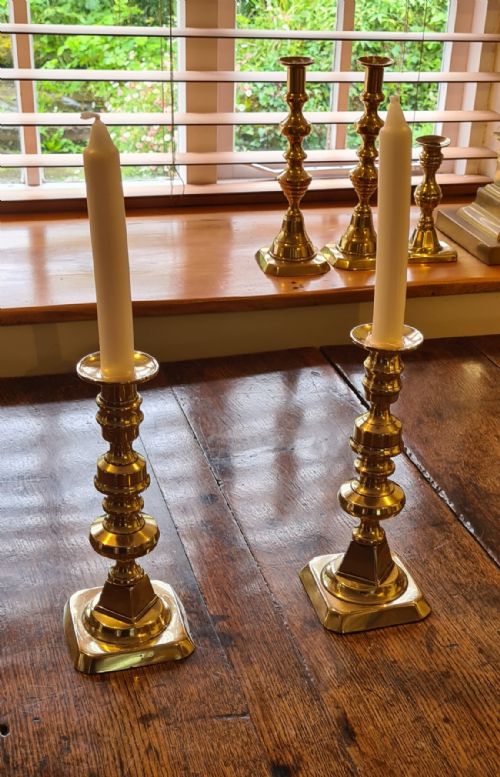
The objects on this page lean heavily toward matching pairs of candlesticks created for mantelpieces, dining tables, and altars. Alongside standard brass forms, related stands in bronze, ormolu, and champleve enamel appear frequently in the listings.
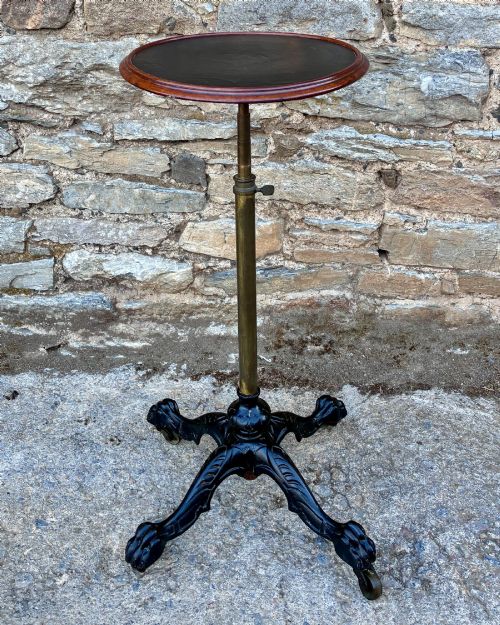
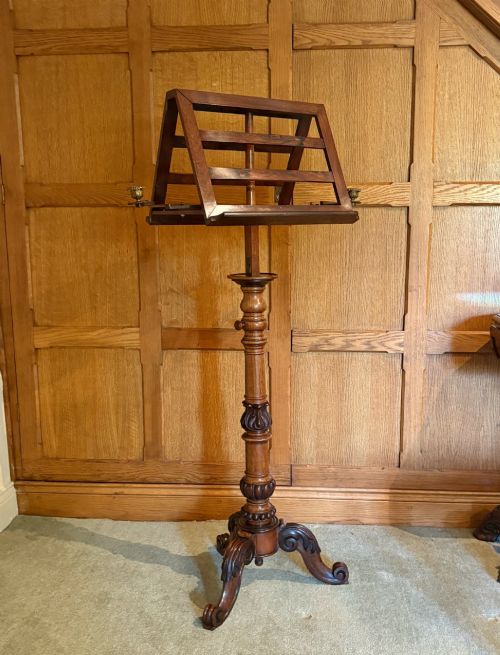
Beyond standard lighting pieces, the inventory includes occasional display stands, adjustable music stands, and torchere tables that combine brass with mahogany and marble. These items reflect the broader nineteenth-century taste for functional metal and timber furnishings.
How They Were Made
Metal fabrication relied on casting, turning, and seaming, producing solid brass and bronze bodies that often integrated threaded components for easy disassembly and cleaning. Ejector mechanisms utilised internal springs or sliding levers to push exhausted wax stubs from the sockets.
Surface ornamentation involved chasing, engraving, and applied gilding, while more elaborate pieces incorporated contrasting materials such as champleve enamel, onyx, marble, and rosewood. Makers combined these substances to achieve rich textural variety and visual weight.
Listings feature periods spanning from the early nineteenth century through to the Edwardian era, incorporating mahogany, marble, and champleve enamel.
What Varies in Quality
Material integration marks the division between standard production pieces and high-end commissions. Finely made stands incorporate secure stone bases, well-fitted enamel panels, and substantial ormolu mounts that sit flush without excess solder or visible joinery.
Barbedienne·Gillows·Frederick J Smith and Co·Wm Tonks and Sons
The Victorian Brass Candle Stands Glossary
- Pricket candlestick
- A candlestick featuring a sharp central spike designed to impale a large wax candle rather than a socket to hold a tapered stick. These forms derive from church furnishings and often appear in pairs.
- Ormolu
- Finely ground high-carat gold applied to a bronze base using a mercury amalgamation process, or later via electroplating. It provides a bright, durable golden finish on decorative mounts.
- Champleve
- An enamelling technique where troughs or cells are hollowed out of the metal surface and filled with vitreous enamel paste before firing. The resulting coloured patterns sit flush with the surrounding metal frame.
- Ejector candlestick
- A domestic candlestick containing an internal sliding mechanism operated by a small side lever. This device allowed the user to push out the remaining candle stump safely.
- Torchere
- A tall, slender stand or pedestal designed to support a lamp, candle, or decorative urn. These pieces frequently employ turned wood shafts mounted on heavy metal or weighted timber bases.
Victorian Brass Candle Stands: Frequently Asked Questions
Were these stands meant for daily use?
Nineteenth-century households utilised brass and bronze stands for primary illumination in rooms lacking gas or electric lighting. Heavier church pricket stands served ecclesiastical purposes on altars.
Today, they function primarily as decorative objects and ambient lighting accents. Many pairs retain their original functional moving parts like ejectors and screw threads.
How can I tell the period?
Examine the construction methods, wear patterns, and stylistic vocabulary of the piece. Mid-century items often feature simple seamed construction, while later Victorian and Edwardian examples show Gothic revival details or mixed media.
Maker marks, registration lozenges, and patent stamps help narrow down production dates. Comparing the weight and casting sharpness against known dated pieces also assists attribution.
Are these items always sold in pairs?
Many domestic candlesticks and candelabra survive as matched pairs because mantelpiece and dining table arrangements required symmetry. Single pieces do appear, particularly larger church prickets or specialised stands.
Listings specify whether an item is a solo piece or part of a matching set. Collectors generally prize complete pairs for display purposes.