

Victorian Brass Bedsteads
Victorian brass bedsteads combine sturdy metal frames with warm metallic tubing, offering a substantial centrepiece for the bedroom.
Victorian Brass Bedsteads
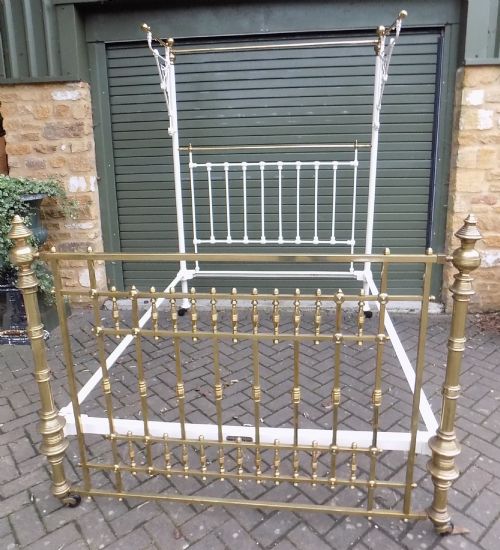
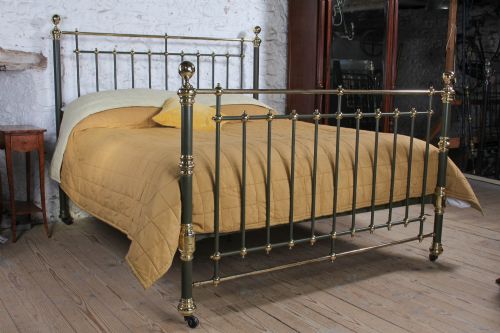
When you examine Victorian brass bedsteads, you encounter robust frames built to support standard mattress sizes ranging from single to super-king. The versions most commonly met on this page combine gleaming metal tubing with structural iron components or wooden elements.
The periods span from the mid nineteenth century through to the early twentieth century, incorporating styles such as Art Nouveau and the Aesthetic Movement. You will find standard forms alongside grander half tester constructions and low end configurations.
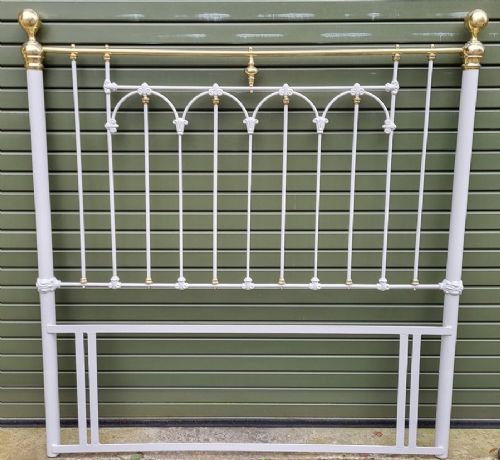
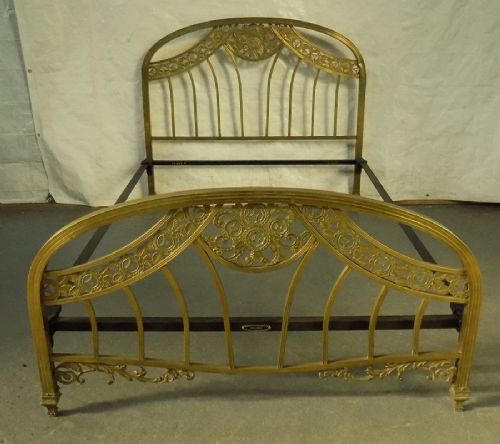
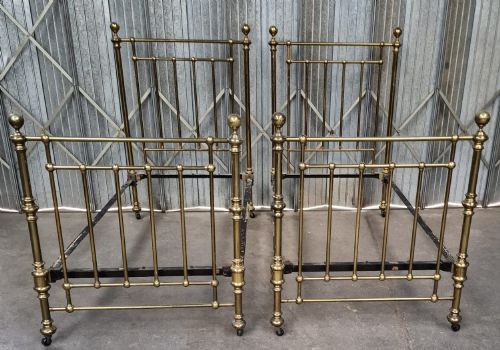
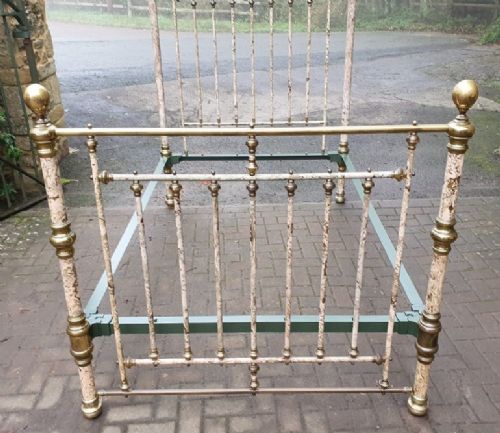
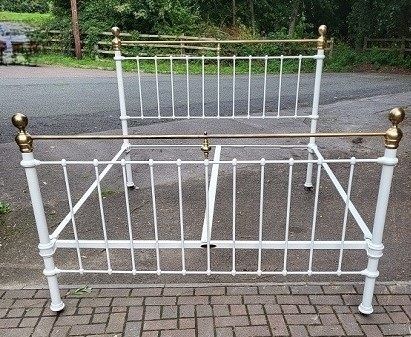
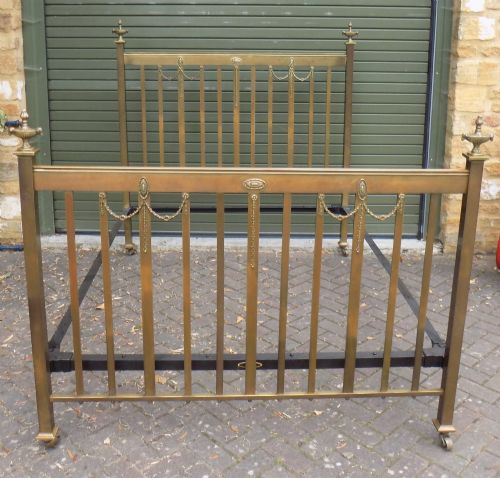
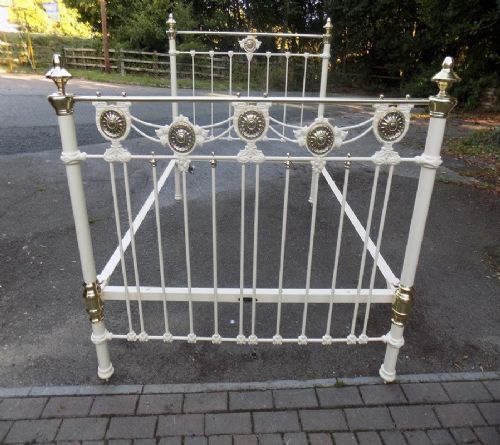
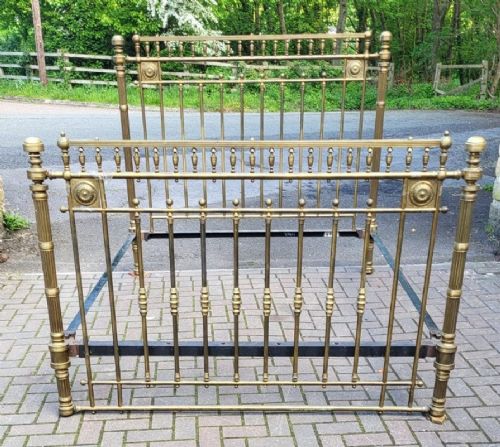
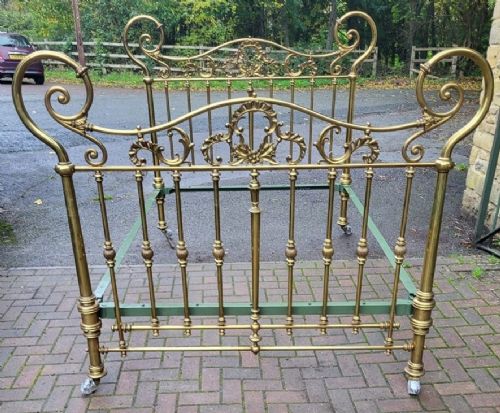
Originating from British workshops, these pieces utilise combinations of cast iron, wrought iron, and ceramic details alongside the primary metal. The resulting structures range from simple configurations to heavily ornamented framework with decorative ball finials.
Construction and Materials
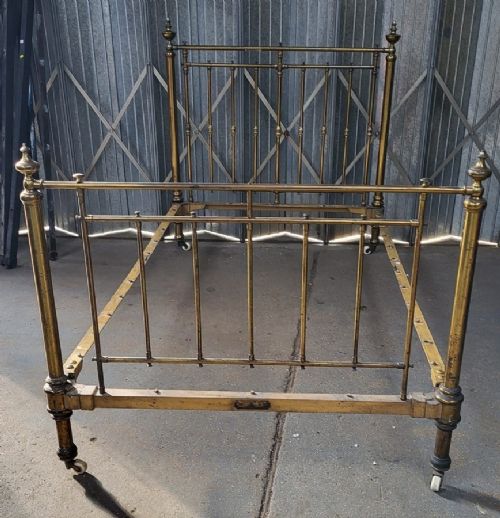
Makers built these frames using a combination of brass tubing fitted over core iron struts or combined directly with cast iron elements. This method provided the necessary structural strength while maintaining the decorative appearance of polished metal.
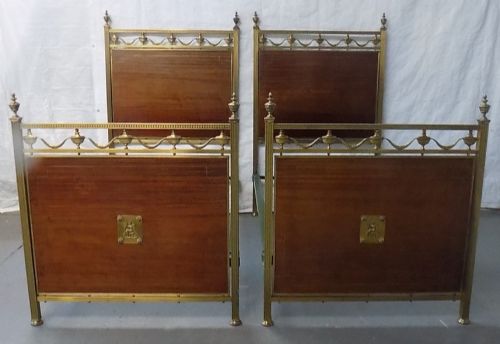
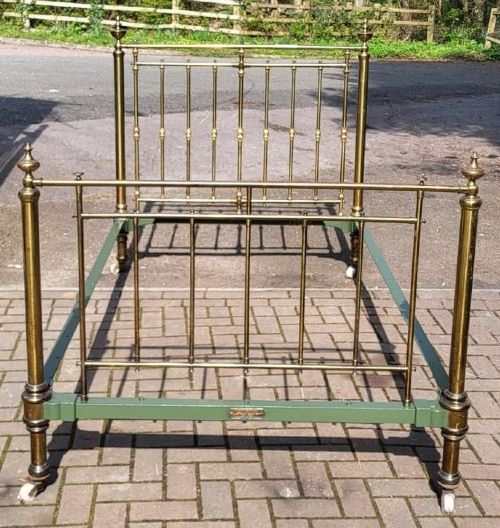
Joints and decorative mounts involved specialised casting techniques, often incorporating ceramic accents or mahogany and painted wood components. Castors were frequently added to the feet to assist with manoeuvring the heavy metal structures.
Victorian Brass Bedsteads Retail Price Guide 2026
Typical asking prices for victorian brass bedsteads among the pieces listed under this phrase on Sellingantiques today, from the lower quarter to the upper quarter. They describe what is for sale here now, not the wider market.
Several beds arrive mounted on original castors, ensuring that rearranging your sleeping quarters remains an upper body workout.
Evaluating the Pieces
The distinction between standard examples and exceptional pieces rests upon the complexity of the cast ornamentation and the integrity of the metalwork. Heavier gauge tubing and sophisticated stylistic touches, such as those from the Arts and Crafts or Art Nouveau movements, elevate certain frames.
The presence of original manufacturer stamps or specific structural forms like half testers alters the character of the piece. Complete preservation of original components, from the central framing down to the ceramic castors, defines the upper tier of survivors.
Hoskins & Sewell·James Shoolbred·RW Winfield·Heals
The Victorian Brass Bedsteads Glossary
- Half Tester
- A bedstead featuring a partial canopy extending only partway over the head of the bed rather than covering the full length. This style was popular in larger Victorian bedrooms.
- Dip Rail
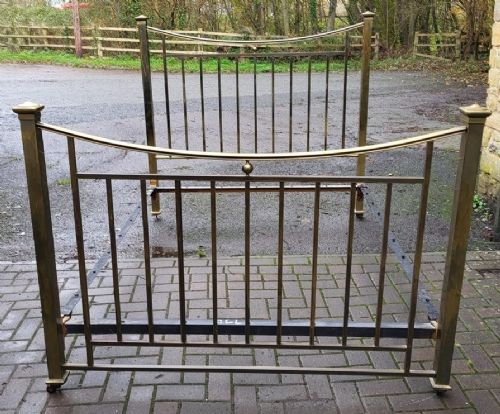
- A headboard or footboard rail that dips downwards towards the centre in a gentle curve. This specific contour marks several Edwardian and late period designs.
- Ball Finials
- Spherical metal ornaments attached to the vertical posts of a bedstead. They screw into place and serve as the primary terminal points of the uprights.
- Verdigris
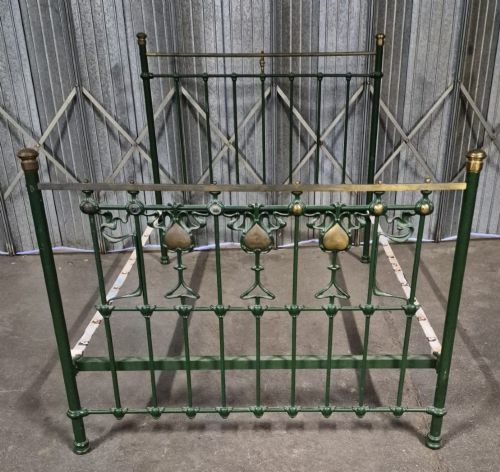
- A green patina formed naturally or artificially on brass and copper surfaces over time. It appears on several painted and treated metal variations in this collection.
Victorian Brass Bedsteads: Frequently Asked Questions
How do I choose the right size?
Victorian brass bedsteads come in various dimensions, from single formats up to super-king and half tester variants. Check the internal dimensions carefully to ensure modern mattress sizes will fit the frame properly.
Consider the clearance needed in your bedroom, particularly for larger items or those with extended footboards and castors.
Are these beds structurally stable?
These frames rely on heavy iron and brass components designed to support substantial weight. Many surviving examples have been restored to ensure the joints and side rails remain secure.
Modern mattress placement is straightforward once the side rails are bolted firmly into the headboard and footboard posts.
How do I clean brass tubing?
Maintain the finish by dusting regularly with a soft dry cloth to prevent the accumulation of grime. Avoid harsh abrasive cleaners that can strip historical patina from the metal.
Specialist metal polishes should be used sparingly and only if a bright, reflective surface is preferred over a naturally aged appearance.
What styles are available?
The selection encompasses simple nineteenth century designs alongside ornate Arts and Crafts and Art Nouveau interpretations. Variations include painted iron finishes, wooden accents, and ceramic details.
Stylistic flourishes range from plain dip rails to intricate castings with decorative ball finials and half tester canopies.