

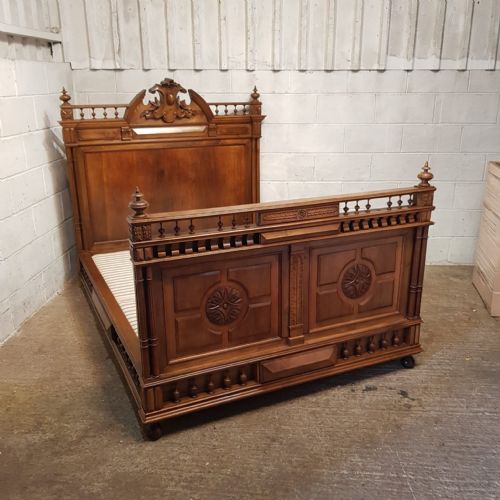


Late Victorian Bedsteads
Late Victorian bedsteads are substantial frames from the close of the nineteenth century that anchor a bedroom with robust iron, polished brass, and warm timber.
Late Victorian Bedsteads
When you search for late victorian bedsteads, you encounter large sleeping furniture designed during the final decade of the nineteenth century and the Victorian period. These pieces bridge the shift from heavy upholstered framing to exposed metal work and lighter decorative woods.
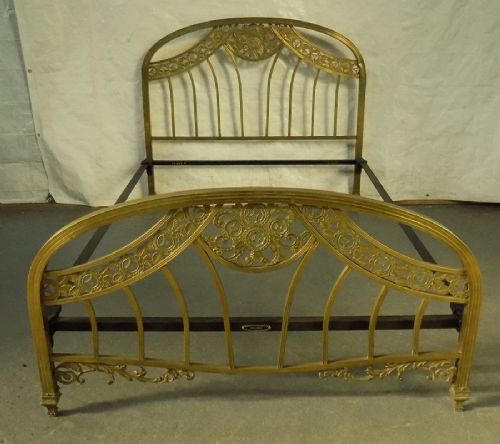
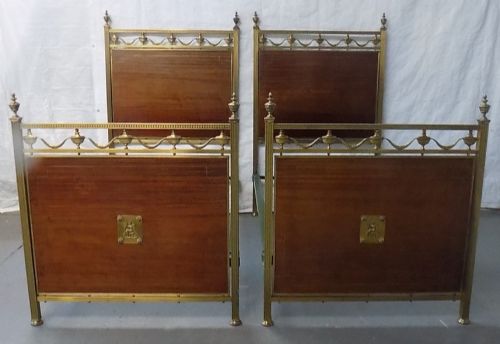
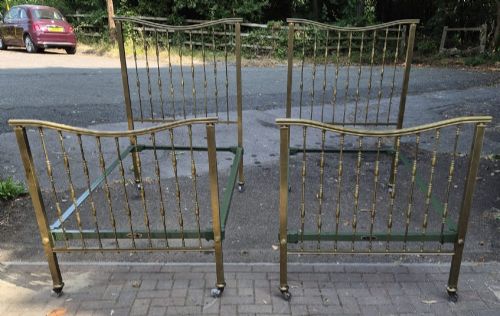
The versions you are most likely to meet on this page span single and double sizes, fashioned from brass, cast iron, and various hardwoods including walnut, satinwood, and pine. Styles range from straightforward utilitarian frames to pieces showing French Renaissance Revival or Arts and Crafts influence.
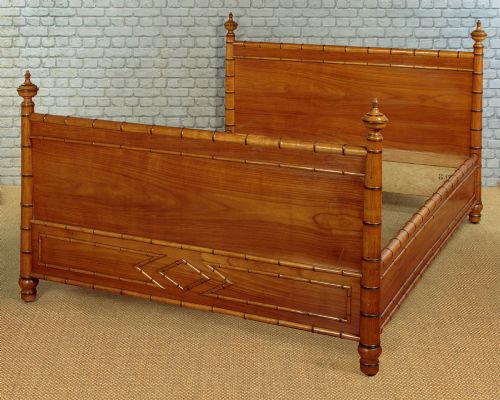
Many examples incorporate decorative details such as faux bamboo turnings or painted finishes. They reflect the diverse domestic requirements of the late nineteenth century, offering both sturdy metal construction and refined cabinetmaker timber work.
How they were made
Makers constructed these frames using combinations of cast iron and polished brass, often joining metal tubing with ornate cast junctions. This structural metalwork provided the rigidity needed for domestic use while allowing for decorative finials and scrolling headboards.
Wooden examples relied on traditional joinery applied to walnut, mahogany, and satinwood, occasionally utilising turned hardwood to simulate bamboo. Painted decoration and detailed framing enhanced the surfaces of cabinet-made beds produced by prominent firms.
Late Victorian Bedsteads Retail Price Guide 2026
Typical asking prices for late victorian bedsteads among the pieces listed under this phrase on Sellingantiques today, from the lower quarter to the upper quarter. They describe what is for sale here now, not the wider market.
Victorian households embraced exotic trends so thoroughly that even solid timber was laboriously turned and painted to impersonate bamboo.
What varies in quality
Quality in these frames rests upon the weight of the metal and the substance of the timber rather than superficial decoration alone. Heavier gauge brass and dense cast iron indicate sturdiness, while finer cabinet pieces display careful selection of satinwood or walnut veneers.
The distinction between standard commercial production and superior workshop output appears in the crispness of turned components, the intricacy of brass castings, and the precision of painted or polished surfaces.
Hoskins & Sewell·Shapland and Petter·Maple and Co
The Late Victorian Bedsteads Glossary
- Bedstead
- The framework of a bed, comprising headboard, footboard, and side rails, designed to support a mattress base. It forms the visible structure of the sleeping place.
- Faux bamboo
- Wood that has been carved, turned, or painted to imitate the segmented joints and texture of natural bamboo. This decorative technique was popular in late nineteenth-century aesthetic furniture.
- Satinwood
- A lustrous, yellow-brown timber prized for fine cabinet work and decorative painted finishes. It provides a pale, reflective surface characteristic of late Victorian bedroom suites.
- Brass framed
- Construction where polished brass forms the primary visual structure of the head and foot boards, often combined with iron internal supports. It delivers a bright metallic appearance.
Late Victorian Bedsteads: Frequently Asked Questions
What sizes are late victorian bedsteads?
These pieces appear primarily in single and double dimensions to suit nineteenth-century room proportions. Their actual footprints often differ slightly from modern standard mattress sizes.
Buyers should measure carefully before fitting modern bases or custom mattresses into these historical frames.
How do I identify a late victorian bedstead?
Look for construction dates centred around eighteen-ninety alongside stylistic cues like Aesthetic Movement decoration or French Revival shaping. Materials typically combine cast iron, polished brass, walnut, or satinwood.
Maker stamps on metal foot panels or timber rails frequently confirm the exact workshop of origin.
Are these beds structurally sturdy?
The combination of iron framing and heavy brass components provides substantial inherent strength. Metal joints and side rails were engineered to support heavy Victorian mattress assemblies.
Modern users should check that original iron side rails remain straight and that dismantling mechanisms function smoothly.
How do I care for brass and iron frames?
Polished brass requires gentle dusting and occasional cleaning with appropriate metal care products to maintain its lustre. Avoid harsh abrasives that can strip protective lacquers.
Iron components benefit from dry wiping to prevent moisture accumulation on painted or dark metal surfaces.