



Victorian Twin Bed Frames
Victorian twin bed frames bring nineteenth-century craftsmanship into a modern bedroom, offering matching pairs built from sturdy metals and timber.
Victorian Twin Bed Frames
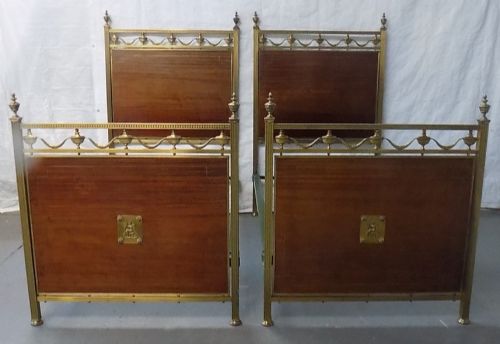
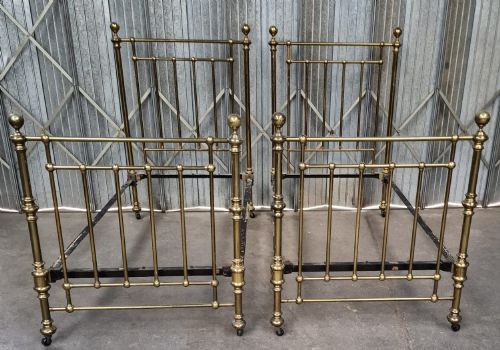
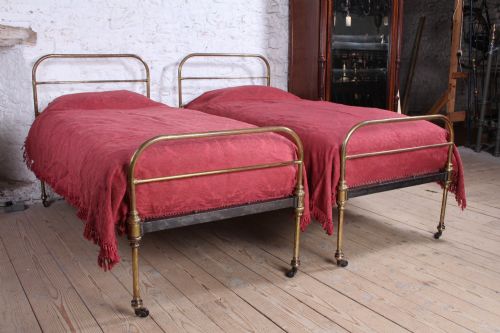
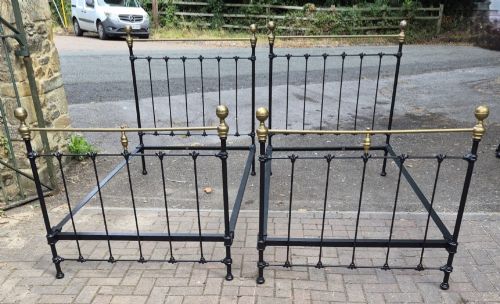
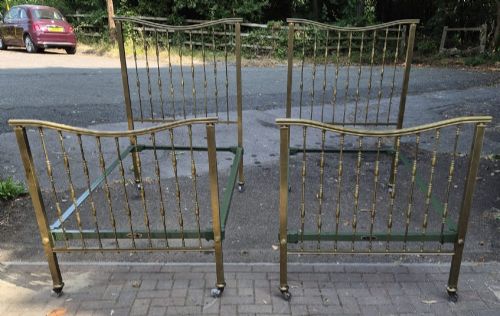
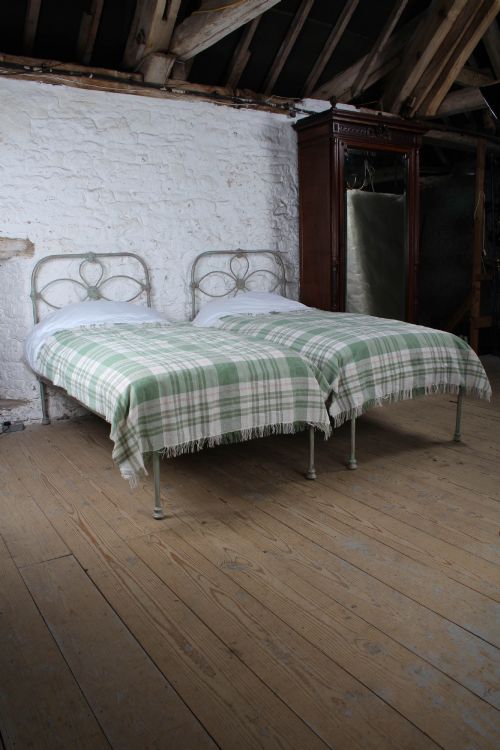
Victorian twin bed frames encompass single beds and bedsteads dating from the nineteenth century, often found as matched pairs that can be joined together or used separately. The selection relies heavily on iron and brass construction, alongside occasional timber pieces in oak or satinwood.
Buyers encounter distinct forms originating from English, French, and continental workshops, reflecting both utilitarian function and decorative ambition. These beds bridge historical design and practical sleeping arrangements through robust nineteenth-century engineering.
Construction and Materials
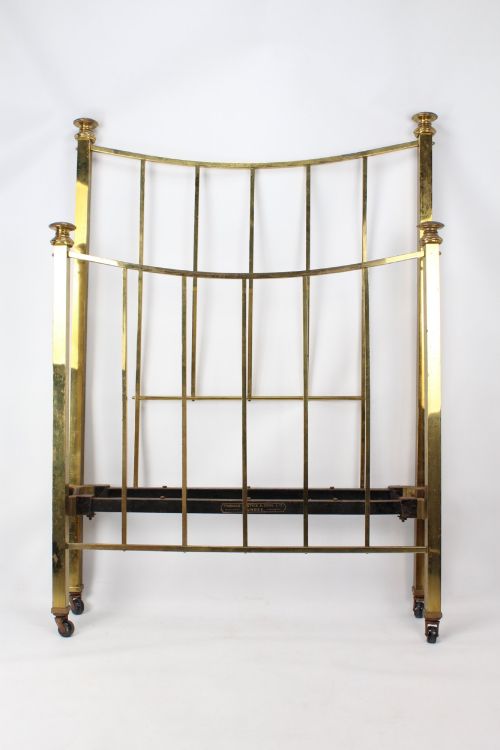
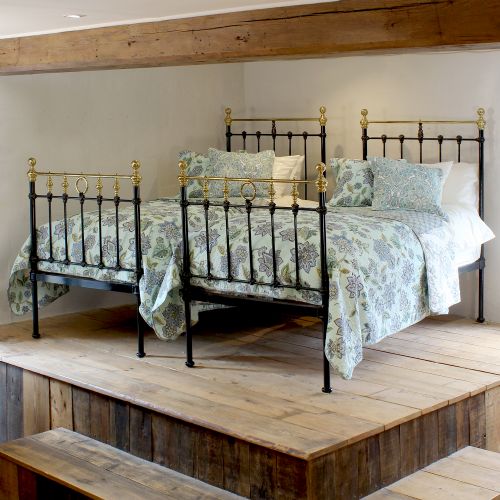
Foundry work dominates the construction, utilising cast iron, wrought iron, and heavy brass components assembled to create rigid and enduring frames. Metal parts frequently receive painted finishes in black, cream, white, or charcoal, sometimes accented with nickel or polished brass details.
Timber frames utilise seasoned woods such as oak and satinwood, shaped and joined using traditional cabinet-making methods appropriate for heavy domestic use. Metal tubing and cast elements are integrated securely to allow for repeated assembly and the option of joining twin frames.
Victorian Twin Bed Frames Retail Price Guide 2026
Typical asking prices for victorian twin bed frames among the pieces listed under this phrase on Sellingantiques today, from the lower quarter to the upper quarter. They describe what is for sale here now, not the wider market.
Several iron frames arrive with integrated rings, reminding us that nineteenth-century valets had plenty to grab onto.
Quality Variations
The distinction between standard utility pieces and finer examples rests upon the intricacy of the metal casting, the presence of decorative brass work, and the quality of applied finishes like paint and polish. Elaborate corner mounts, detailed rings, and distinctive stylistic motifs elevate the visual weight of the frame.
Structural integrity depends on the original soundness of the iron joints, the permanence of the fixings, and the preservation of timber surfaces where wood is employed. Higher-tier examples maintain clean lines and robust hardware that permit seamless joining without compromising stability.
Hoskins & Sewell·R W Winfield·Shapland and Petter
The Victorian Twin Bed Frames Glossary
- Bedstead
- The complete framework of a bed, including the headboard, footboard, and side rails. This term frequently appears in nineteenth-century trade descriptions.
- Cast Iron
- Molten iron poured into a mould to create rigid structural and decorative components. It provides the heavy foundation for many nineteenth-century sleeping frames.
- Wrought Iron
- Iron beaten or rolled into shape while hot, prized for its strength and malleability. It is often used for structural stability in metal bed frames.
- Satinwood
- A durable, light-coloured tropical timber with a lustrous grain. Cabinet-makers utilised it for high-status bedroom furniture during the late Victorian period.
- Gothic Revival
- An architectural and decorative style drawing on medieval forms. This aesthetic influences the pointed arches and robust framing seen on certain nineteenth-century pieces.
Victorian Twin Bed Frames: Frequently Asked Questions
Can these single beds actually be joined together?
Many nineteenth-century pairs are specifically constructed to stand side by side as a larger sleeping unit. Dealers and historical makers often designed these twin frames with compatible dimensions for flexible arrangement.
Buyers should examine the specific side rails and fixings described in the listing to confirm the joining method. Not all single frames possess this capability, so verification is necessary for those wanting a combined setup.
What does a no-end bed frame mean?
A no-end bed frame lacks a high footboard, presenting a low profile at the base of the mattress. This design was favoured for space-saving and a cleaner visual line in smaller Victorian chambers.
Such pieces maintain standard headboards for structural support while keeping the foot completely open. This configuration suits modern rooms where a prominent footboard might obstruct movement or sightlines.
How do iron and brass beds differ in style?
Iron frames generally offer a more restrained, architectural appearance, often painted in dark or neutral tones like black, white, or cream. They frequently incorporate structural rings or simple linear geometry.
Brass frames and combinations of brass and iron introduce polished metallic warmth and decorative highlights. These mixed-material pieces often feature more elaborate casting work and brighter visual accents.
Are these beds suitable for standard modern mattresses?
Nineteenth-century bed dimensions can vary slightly from contemporary standard sizes, particularly in length and width proportions. Adapting a historical frame often requires checking exact internal measurements against current mattress sizes.
Many buyers utilise custom bed bases or mattress supports designed to fit within antique iron and wooden frames. Careful measurement of the side rails ensures proper placement and structural support.