


Victorian Boy Portrait Art
Victorian boy portrait art captures youthful charm through oils, watercolours, and pastels that bring historic character straight to your walls.
Victorian Boy Portrait Art
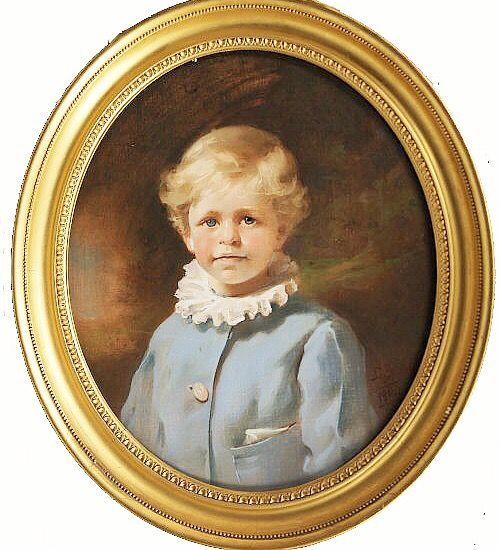
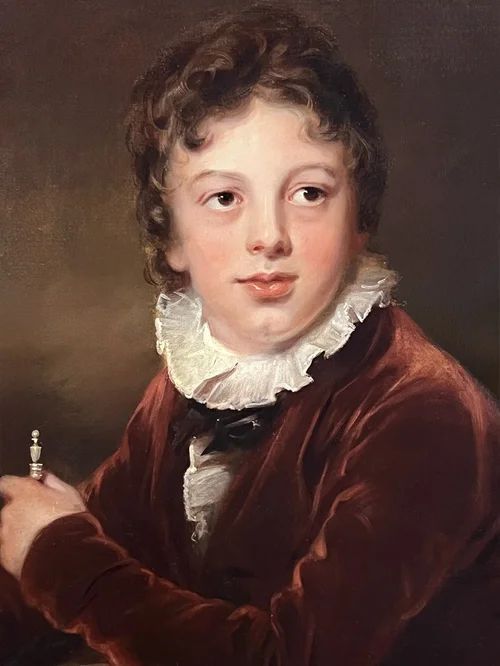
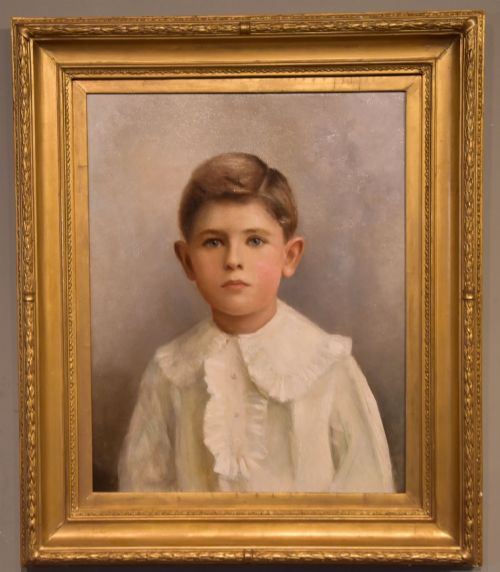
Victorian boy portrait art encompasses painted and drawn likenesses of children from the nineteenth century, ranging from intimate watercolours to large oils on canvas. When you search for this phrase, you will encounter works spanning the nineteenth century, including pieces from the Regency period through to Edwardian times.
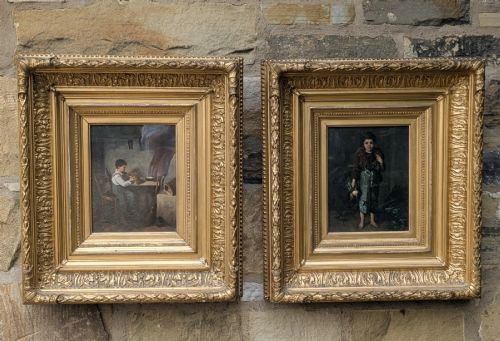
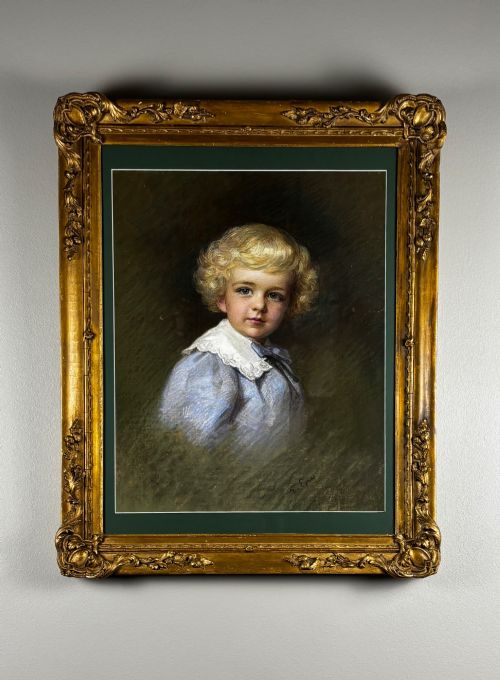
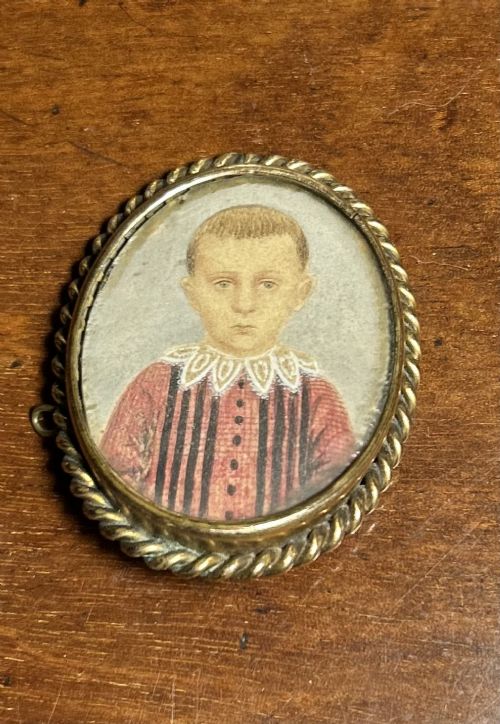
The subjects appear in various settings, from formal studio commissions to provincial portrayals featuring pets, birds' nests, or books. Oil paintings and framed watercolours dominate the selection, alongside occasional pastels and portrait miniatures set into brooches.
Provincial English schools and named artists alike contributed to this genre, capturing children with dogs, setters, or simply engaged in quiet daily pursuits. These pieces offer a direct window into nineteenth-century domestic life and child representation.
Materials and techniques
Artists of the period primarily worked in oil on canvas, applying pigments to woven supports that often survive within original giltwood or wood frames. Watercolours on paper provide a lighter medium, frequently protected beneath glass.
Framing forms an integral part of the physical object, utilising moulded gilt wood or simple timber surrounds that complement the palette of the nineteenth-century artwork.
Several young boys share the canvas with unexpected companions, including two setters, a pair of dogs, a butterfly, and a startled bird.
Distinctions in quality
Quality rests upon the confidence of the brushwork and the anatomical accuracy with which the child is rendered. Masterful handling of light and shadow breathes life into the subject, whereas lesser works remain stiff and formulaic.
The depth of character captured in the sitter's expression separates standard provincial output from accomplished academic painting. Nuanced skin tones, textiles, and accompanying animals demonstrate the artist's true capability.
Conservation state and original framing significantly influence the integrity of a piece. Intact surfaces free from excessive overpainting preserve the original maker's touch.
Leon Sprinck·Margaret Sarah Carpenter·Henry Windsor Fry·Emily Eyres·Paul Jones·William Henry Hunt·Henry Scott
The Victorian Boy Portrait Art Glossary
- Oil on canvas
- Pigments bound in a drying oil applied to a stretched woven fabric support. This method allowed nineteenth-century artists to build rich layers of colour and texture.
- Watercolour
- A painting method where fine pigment is suspended in a water-soluble binder on paper. It yields transparent washes prized for delicate portraiture.
- Pastel
- A dry drawing medium composed of powdered pigment and a binder formed into sticks. It creates velvety textures found in nineteenth-century portraiture.
- Portrait miniature
- A small, highly detailed painting, frequently housed within a brooch or locket. These intimate objects were often worn close to the heart.
- Giltwood
- Wood carved and coated with gold leaf or a gold-coloured finish. It provides the decorative borders typical of period picture frames.
- Provincial school
- Art produced outside metropolitan artistic centres by regional practitioners. These works often display a charmingly direct, unpretentious approach.
Victorian Boy Portrait Art: Frequently Asked Questions
How do I date a portrait?
Dating relies on costume clues, hairstyles, framing materials, and any documented signatures or dates on the reverse of the canvas.
Comparison with dated examples from the same stylistic school helps narrow the production decade.
Are these works original?
The selection comprises period originals from the nineteenth and early twentieth centuries, executed by hand in oil, watercolour, or pastel.
Oleographs and later prints also appear, representing mass-reproduction techniques of the late Victorian era.
How should I hang oil paintings?
Hang paintings away from direct sunlight and fluctuating heat sources to protect the canvas and delicate pigments.
Ensure wall fixings match the weight of the heavy wood and giltwood frames typical of this period.
What is provincial art?
Provincial art refers to works created by regional artists working outside major capital cities and academic institutions.
These pieces often possess a direct, honest quality distinct from formal court or salon portraiture.