
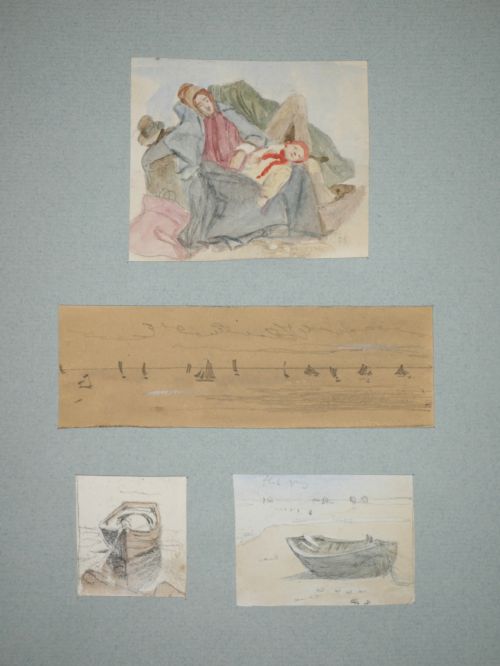

![Pen and Ink Sketch - Female Nudes by William Edward Frost [1810-1877]](https://www.sellingantiques.co.uk/photosnew/dealer_kendallhouse/dealer_kendallhouse_full_1758970795762-8493507346.jpg)


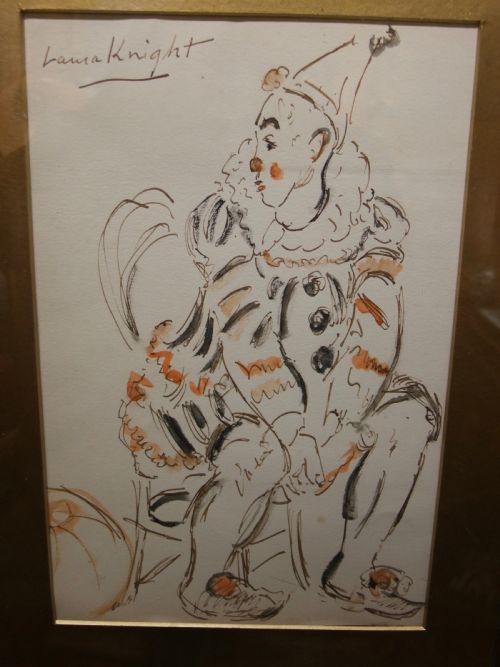


Antique Figure Watercolour Study
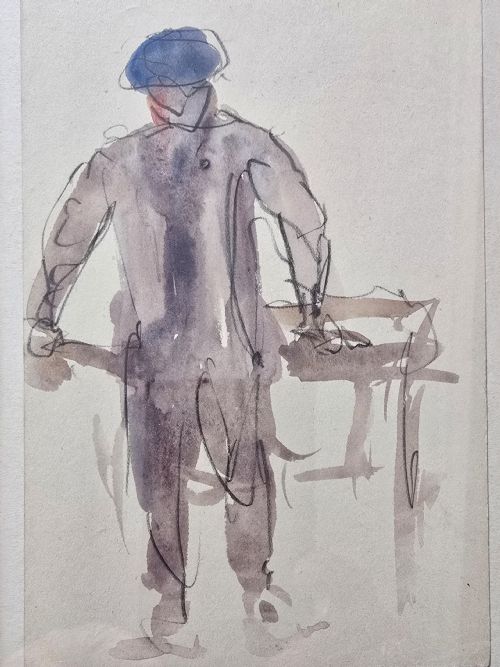
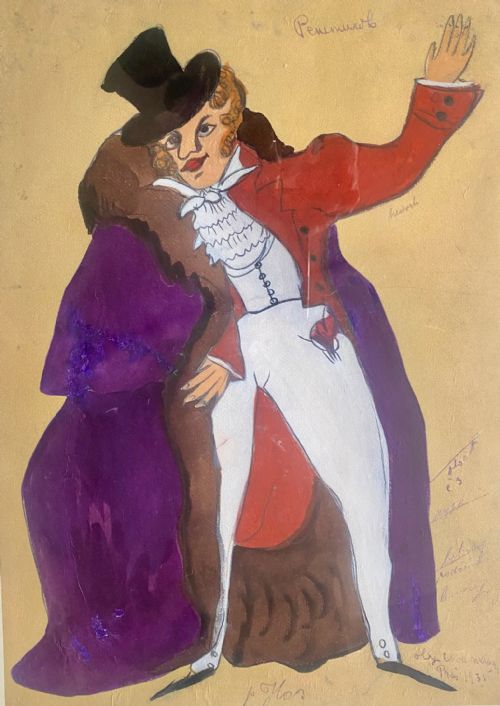
These antique figure watercolour study works offer intimate glimpses of past lives through pigment and paper, prized by collectors for their expressive immediacy and historical character.
Antique Figure Watercolour Study
An antique figure watercolour study captures human subjects through pigment on paper, ranging from rapid preparatory sketches to finished portraiture. These works span the eighteenth, nineteenth, and early twentieth centuries, encompassing diverse regional schools.
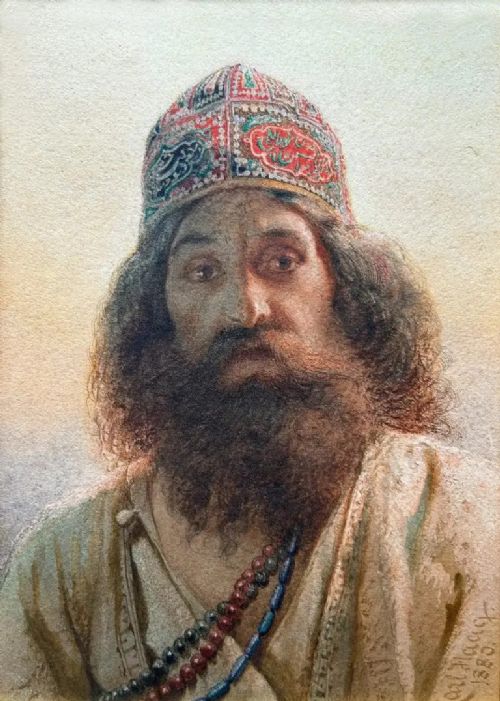
Buyers frequently encounter nineteenth-century examples and Victorian academic pieces within this grouping. The subjects vary widely, from Spanish landscapes and domestic scenes to classical nudes and orientalist compositions.
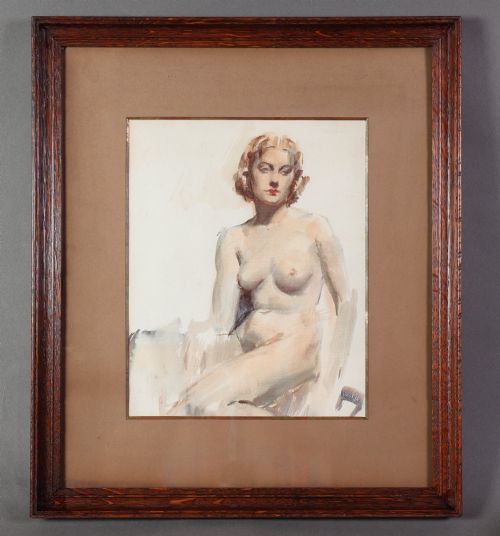
Works appear in various media configurations, often combining watercolour pigment with ink, graphite, or pencil. Many arrive framed under glass, housed within wooden or oak surrounds appropriate to their period.
Materials and methods
Artists relied primarily on watercolour pigment applied to paper surfaces, occasionally utilising pith paper for specialised orientalist subjects. These pigments were frequently worked over preliminary graphite or pen and ink underdrawings.
Framing materials typically include traditional wood and oak mouldings to protect the delicate works on paper behind glass. Conservation approaches have generally preserved the original mountings and framing elements where possible.
The listings demonstrate a strong presence of nineteenth-century British and Irish school watercolours alongside eighteenth-century German examples.
Assessing quality
Quality rests upon the sureness of the draughtsmanship and the vitality of the brushwork within the study. Superior examples demonstrate confident handling of anatomy and expression, whereas lesser pieces exhibit stiff proportions and tentative marks.
The preservation of the pigment also dictates distinction, as fugitive colours can fade significantly over time. Strong tonal contrast and minimal chemical degradation elevate the visual impact of surviving sheets.
James Smetham·Carl Haag·Michael Healy·William Edward Frost·Robert Richard Scanlan·William Henry Hunt·Francis William Topham·Dame Laura Knight·Thomas Dudley
The Antique Figure Watercolour Study Glossary
- Watercolour
- A paint consisting of a pigment suspended in a water-based solution. It remains the defining medium across all items in this category.
- Pith paper
- A delicate material formed from the pith of the Tetrapanax papyrifer plant, historically used for specific nineteenth-century figure studies.
- Graphite
- A form of crystalline carbon used for underdrawing or independent sketching. It frequently underlies the pigment in these works.
- Orientalism
- An artistic style depicting scenes from the Middle East and North Africa. It is represented among nineteenth-century works in this selection.
- Academic
- Art produced under the influence of a European academy of fine arts. These pieces often focus on rigorous figure study and anatomical precision.
Antique Figure Watercolour Study: Frequently Asked Questions
What is a figure study?
A figure study is an artwork created specifically to examine the human form, pose, or expression. Artists produced these works either as preparatory exercises for larger paintings or as finished observations.
In this category, studies range from rapid portrait sketches to detailed narrative compositions involving multiple human subjects.
How should I display watercolour studies?
Watercolours require careful placement away from direct sunlight to prevent the pigments from fading permanently. Framing under glass protects the delicate paper surface from atmospheric dust and humidity fluctuations.
Maintaining stable indoor environmental conditions ensures these works on paper survive for decades without sustaining physical damage.
How do I identify Victorian watercolours?
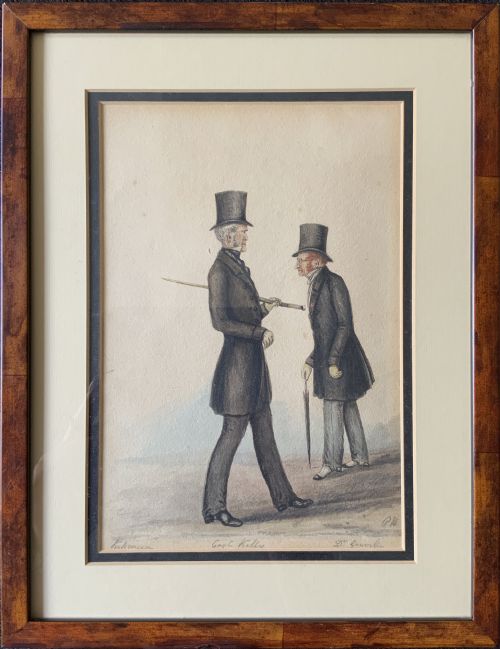
Victorian watercolours often display meticulous detail, academic precision, and narrative themes typical of nineteenth-century British taste. Signature styles frequently reflect academic training through careful attention to human anatomy and costume.
Examining the backing paper, framing materials, and artist signatures can also help confirm a nineteenth-century origin.
What is pith paper?
Pith paper is a fragile, velvety material made from plant pith that absorbs watercolour pigment with unusual brilliance. It was commonly utilised by artists working in nineteenth-century Asian trade contexts.
Works executed on this substrate require particularly careful handling behind glass due to the inherent delicacy of the material.