


Victorian Black Metal Bed
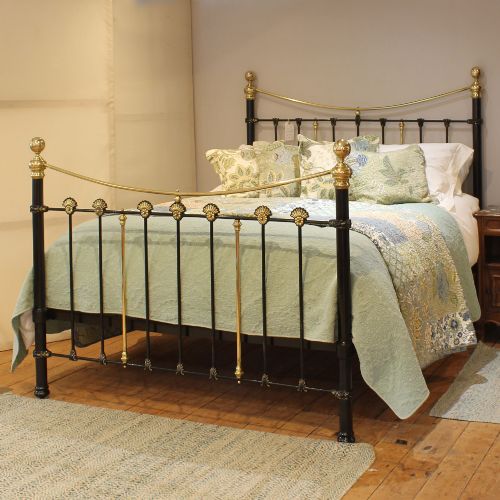
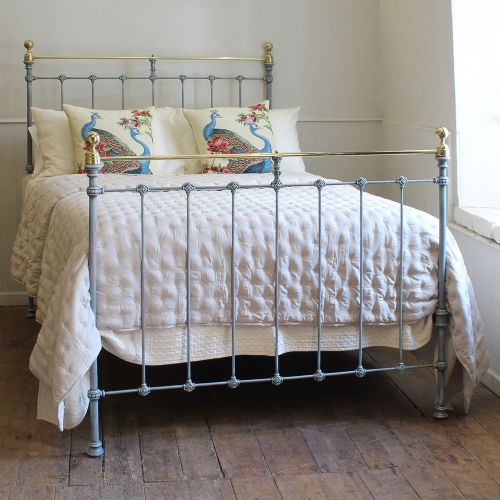
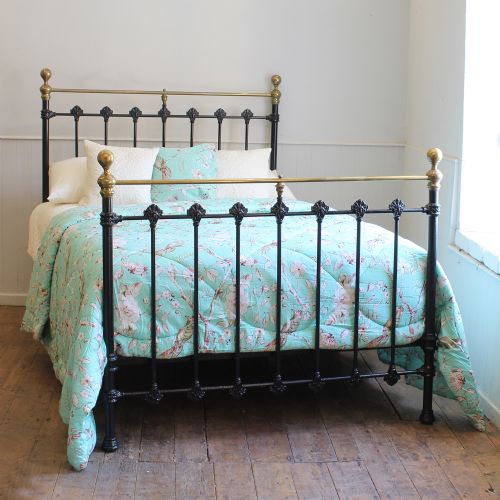
A victorian black metal bed brings robust construction and ornamental ironwork into the bedroom, offering lasting character for modern sleeping spaces.
Victorian Black Metal Bed
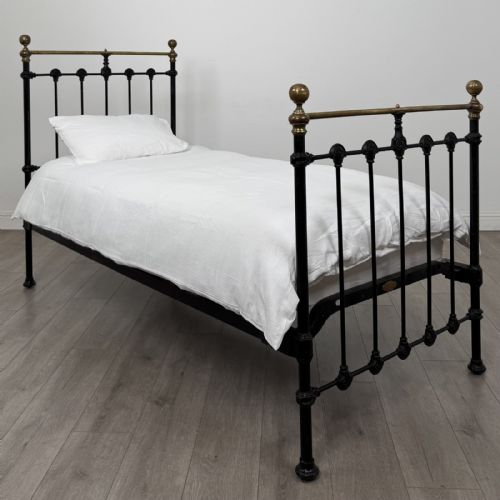
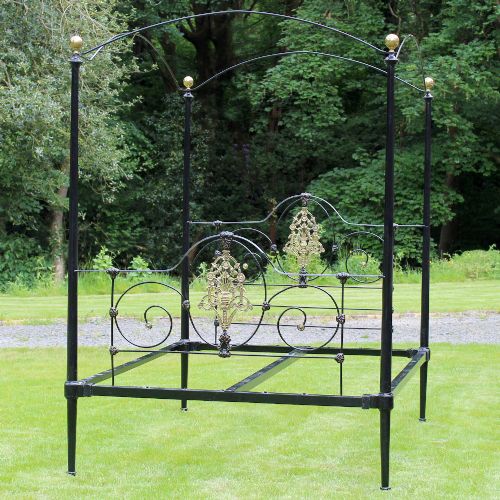
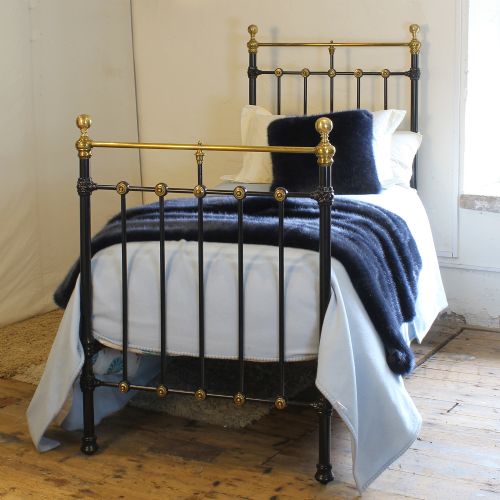
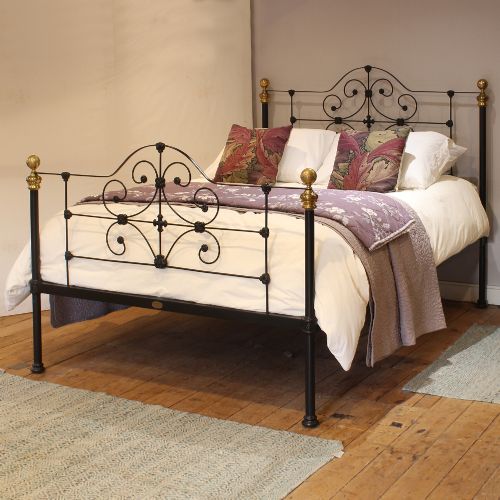
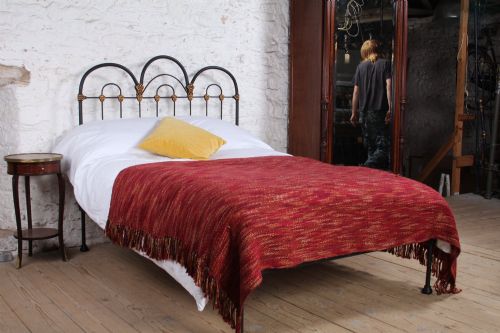
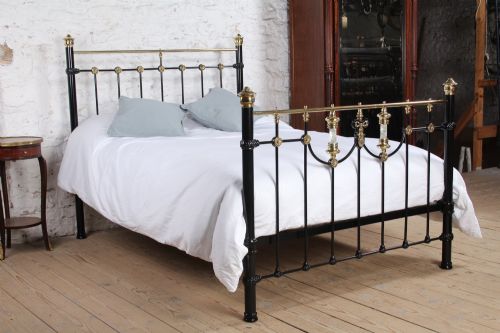
A victorian black metal bed combines heavy structural framing with decorative casting, creating a focal point that is both functional and sculptural. These frames span single, double, king, and super king sizes, often featuring low ends or no-end configurations for open room layouts.
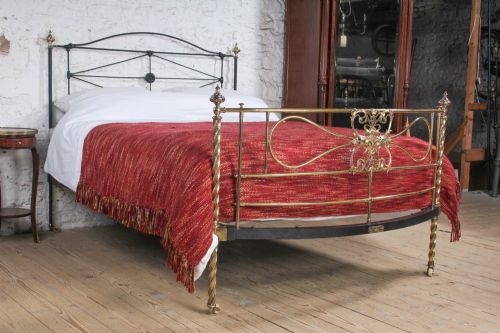
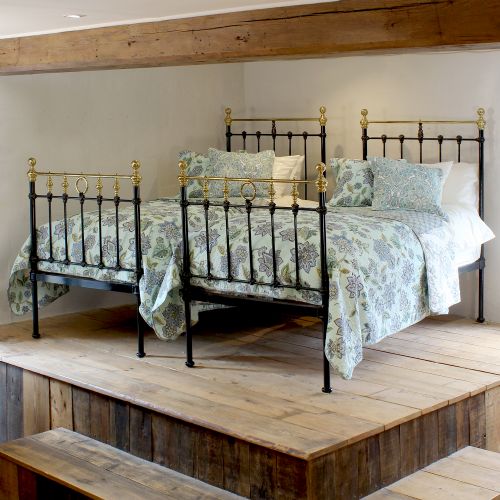
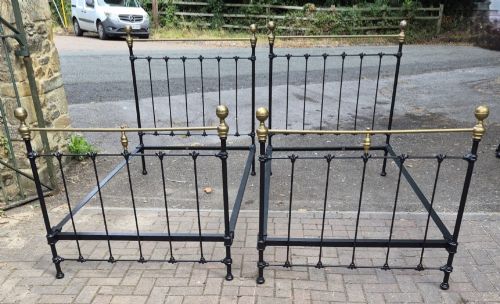
The selections on this page concentrate heavily on nineteenth-century and early twentieth-century examples, encompassing standard Victorian periods alongside Edwardian and French country interpretations. Buyers encounter straight rails, dip rails, and arched profiles alongside pairs of single beds designed to join together.
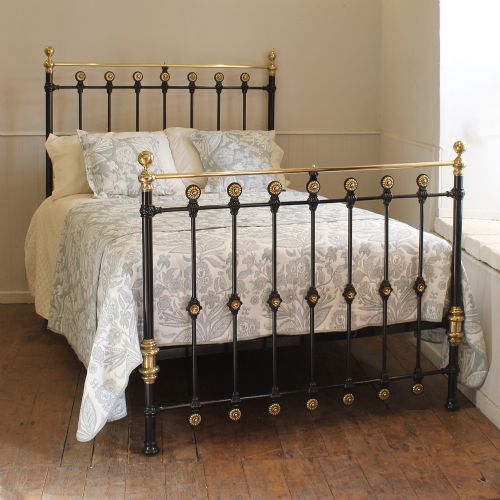
Makers utilised cast and wrought iron for durability, frequently pairing dark metal finishes with polished brass finials, spindles, or mother-of-pearl accents. This material mix delivers the utility of a sturdy bedstead paired with the decorative flourishes typical of the period.
Materials and construction methods
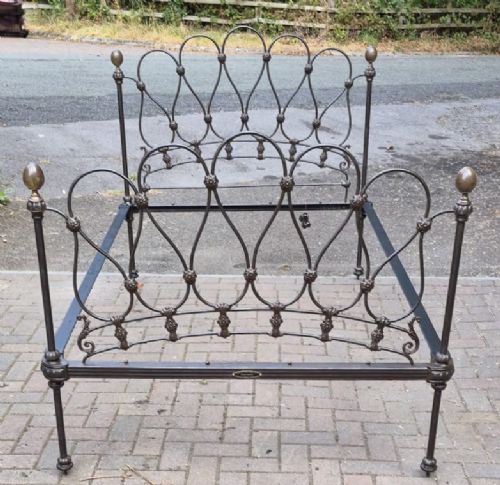
Construction relies primarily on cast iron and wrought iron components, shaped into structural rails and intricate decorative spindles. Metal elements were often japanned or enamelled in black to protect the iron and provide a uniform dark surface.
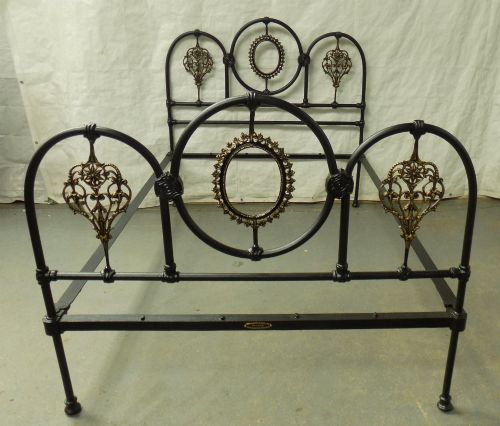
Many frames incorporate brass details such as top rails, knobs, and finials that contrast against the dark iron body. Selected pieces feature specialised elements like tapered posts, ceramic or mother-of-pearl inlays, and maker stamps pressed directly into the metal.
Victorian Black Metal Bed Retail Price Guide 2026
Typical asking prices for victorian black metal bed among the pieces listed under this phrase on Sellingantiques today, from the lower quarter to the upper quarter. They describe what is for sale here now, not the wider market.
Listings feature periods spanning from the mid-nineteenth century through the early twentieth century, incorporating Victorian, Edwardian, and Art Nouveau stylistic influences.
Evaluating craftsmanship and detail
Quality in these beds lies in the crispness of the iron castings and the complexity of the scrollwork and finials. Finer examples display meticulous detailing around joints and junctions, with well-proportioned brass mounts and balanced proportions.
The integrity of the original black finish and the condition of contrasting brass components distinguish standard utility frames from more ambitious artistic designs. Pieces bearing clear maker marks or specific regional foundry traits command stronger attention from collectors.
Winfield
The Victorian Black Metal Bed Glossary
- Japanned lacquer
- A European imitation of East Asian lacquerwork, applied as a durable dark finish on metal furniture. It provides a glossy black surface that protects the iron underneath.
- Dip rail
- A headboard or footboard rail that curves downward in the centre, creating a distinctive profile. This style is frequently observed on Edwardian and late nineteenth-century metal beds.
- Finial
- A decorative ornament fixed to the top corners of a bedstead. On these frames, they are commonly cast in polished brass to contrast with the black iron structure.
- Bedstead
- A framework supporting a bed, distinct from the mattress and bedding. In this context, it refers to the complete metal structure including head and foot sections.
- Spindle
- A turned or shaped vertical rod forming part of the headboard or footboard grill. They add visual lightness and decorative rhythm to heavy iron frames.
Victorian Black Metal Bed: Frequently Asked Questions
What sizes are available?
These beds span single, double, king, and super king dimensions to suit various room layouts. Single examples occasionally appear in matched pairs that can be joined together.
Widths range from compact three-foot single frames up to generous king and super king proportions, accommodating standard modern mattresses with appropriate support.
How do I fit a modern mattress?
Most antique metal frames accommodate standard mattress sizes, though historical dimensions can occasionally vary slightly from modern manufacturing standards. Custom slats or modern base inserts are typically added to provide a flat, stable platform.
Careful measurement of the internal length and width ensures proper alignment with modern bases. Side rails often accept wooden or metal support systems to bridge the original frame securely.
How do I care for the black finish?
Maintenance requires gentle dusting with a soft, dry cloth to protect the dark japanned or enamelled surface from moisture and abrasion. Avoid harsh chemical cleaners that can dull the black coating or damage adjacent brass elements.
Brass components can be polished lightly with a suitable metal cleaner if desired, taking care to shield the surrounding black iron finish from accidental splashes.
Are these beds easy to assemble?
Historical metal beds generally utilise wedge-lock or bolt-together joints that dismantle into separate headboards, footboards, and side rails for transport. Assembly requires basic hand tools or simply dropping locking pins into place depending on the specific foundry design.
Having two people simplifies the assembly process, ensuring the side rails seat evenly into the corner brackets without stressing the cast metal joints.