


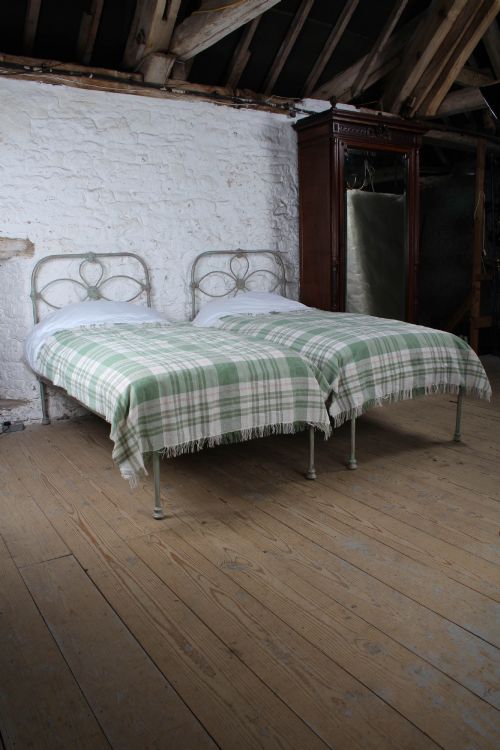


Victorian Single Iron Bedstead
A victorian single iron bedstead brings sturdy character and narrow proportions to a guest room, combining metal durability with period craftsmanship.
Victorian Single Iron Bedstead
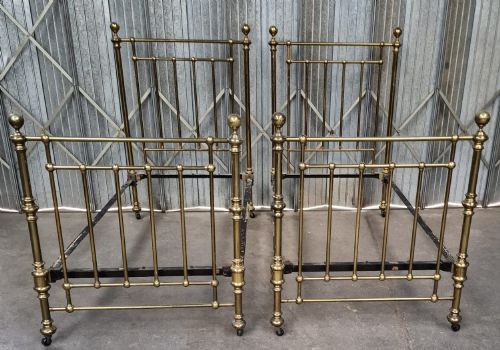
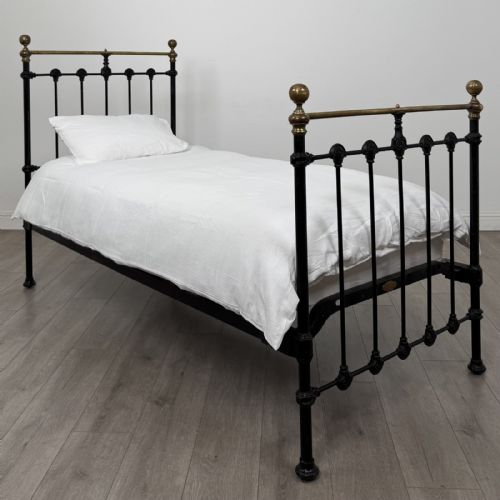
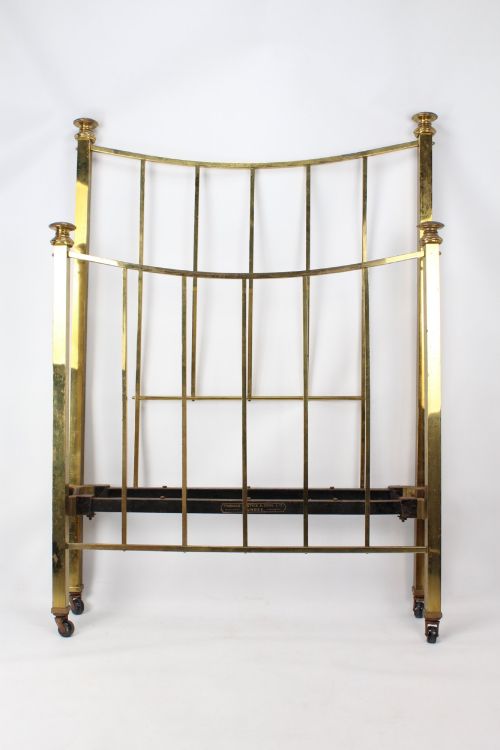
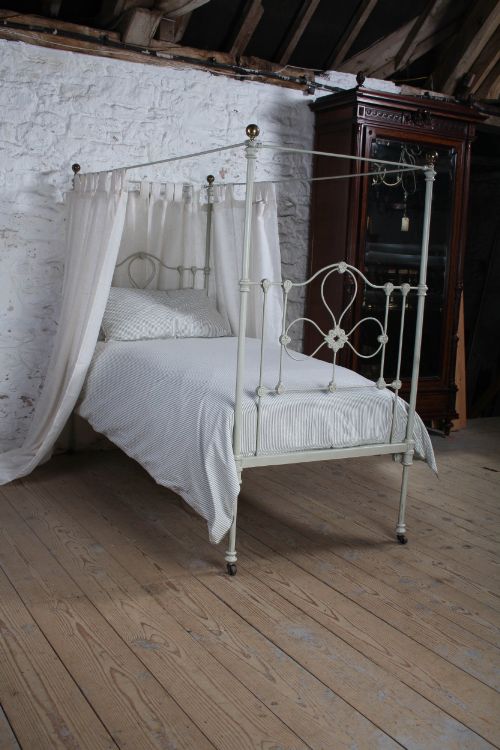
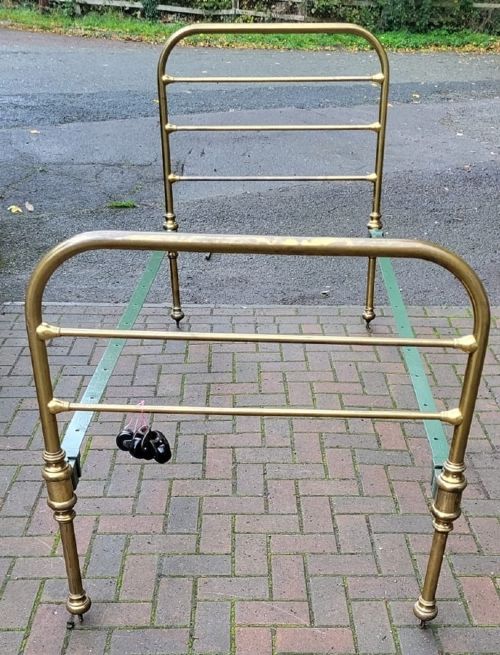
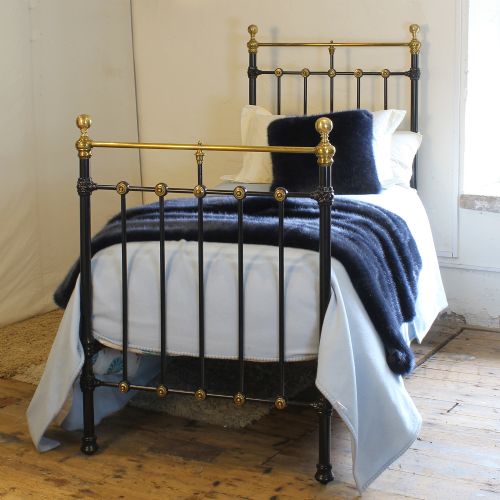
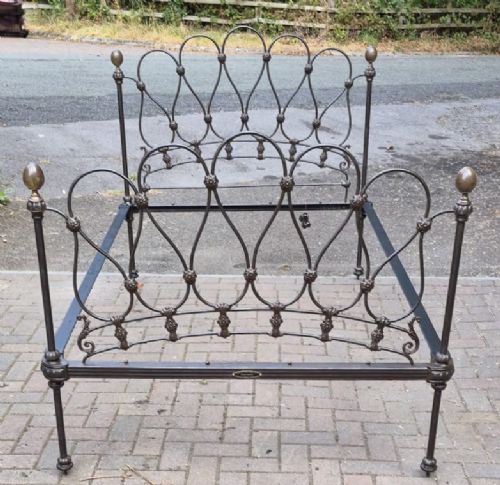
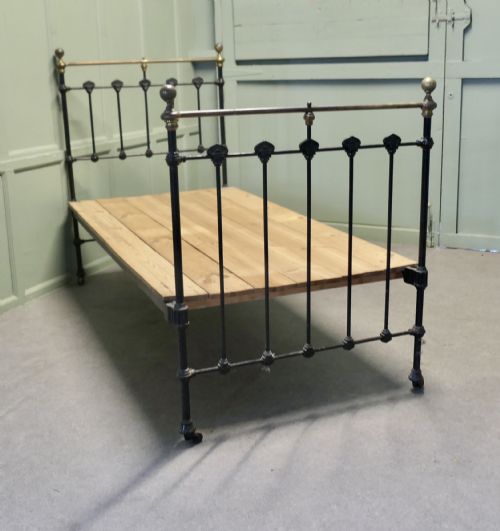
When you search for a victorian single iron bedstead, you encounter robust metal frames designed for single sleepers during the nineteenth century. These pieces range from simple utilitarian frames to ornate combinations of iron and brass.
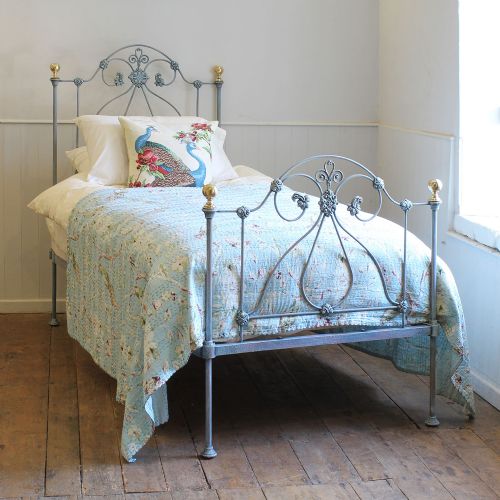
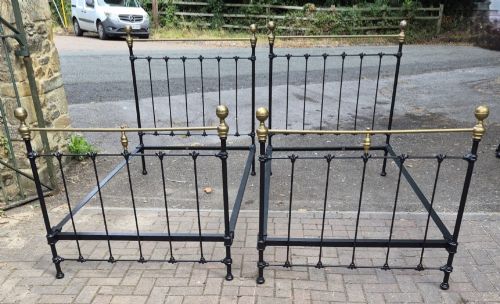
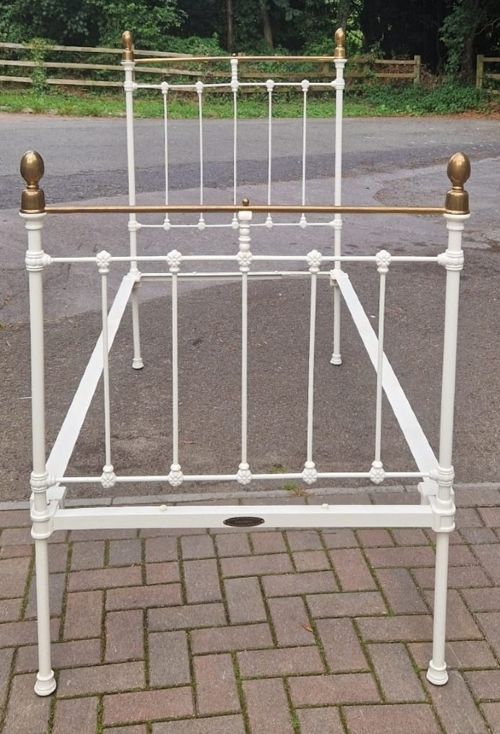
The selections on this page span several decades, featuring cast iron and wrought iron construction alongside brass components. Many examples appear in specific colour finishes such as black, white, cream, blue verdigris, and charcoal.
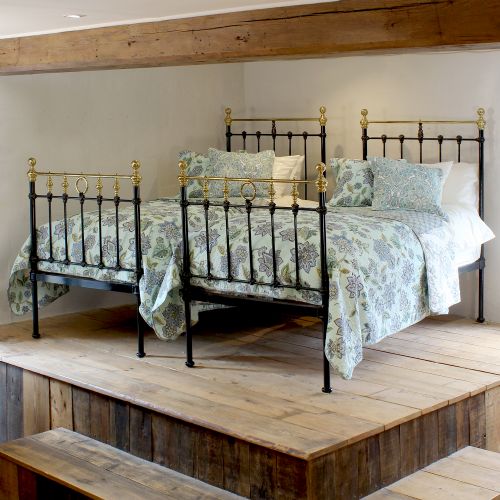
Buyers frequently find single beds and bedsteads built in standard widths, including three-foot formats and small single dimensions. Certain listings include pairs or variants that can be joined together to form larger sleeping arrangements.
Construction and Materials
The primary structure relies on cast iron and wrought iron, often shaped through hand forging to create structural rigidity and decorative details. Metal components are frequently joined with brass finials, rails, or decorative castings.
Surfaces receive protective finishes, including traditional paint layers in black, white, cream, or charcoal, alongside specialised treatments like blue verdigris. Some examples incorporate ceramic elements or wood components within the overall bedstead design.
Victorian Single Iron Bedstead Retail Price Guide 2026
Typical asking prices for victorian single iron bedstead among the pieces listed under this phrase on Sellingantiques today, from the lower quarter to the upper quarter. They describe what is for sale here now, not the wider market.
Several iron beds arrive with the unusual capability to be joined together, proving that nineteenth-century makers anticipated the modular furniture ideas of later eras.
Judging Quality
Quality in these metal beds rests upon the crispness of the iron castings and the substantial weight of the frame. Heavier gauges of iron and solid brass mounts indicate superior manufacture compared to lighter, purely utilitarian frames.
The refinement of decorative elements, such as brass decoration, rings, and platform styling, separates standard pieces from finer examples. Intricate assembly systems and well-preserved original painted finishes also contribute to a higher grade of piece.
R W Winfield
The Victorian Single Iron Bedstead Glossary
- Cast iron
- A strong, hard iron-carbon alloy poured into moulds to create rigid structural frames and decorative components. It forms the main body of many period beds.
- Wrought iron
- Iron that is heated and worked with tools by a blacksmith rather than cast in a mould. This material offers high tensile strength for slender forged components.
- Brass
- A yellow alloy of copper and zinc utilised for decorative tubing, knobs, and finials on iron bedframes. It provides a bright contrast to dark metal finishes.
- Bedstead
- A framework of a bed supporting the springs and mattress. Period pieces often feature distinct headboards and footboards.
- Verdigris
- A green patina formed naturally on copper, brass, or bronze surfaces through atmospheric oxidation. Some pieces are finished in a blue verdigris tone.
Victorian Single Iron Bedstead: Frequently Asked Questions
How do I know if an iron bed is genuinely Victorian?
Examine the construction methods, noting hand-forged elements, heavy cast iron components, and period-appropriate assembly joints.
Check for maker marks and traditional finishing techniques that reflect nineteenth-century manufacturing standards rather than modern reproduction methods.
Can I use a modern mattress on a Victorian single bed?
Most antique single beds accommodate standard modern mattress sizes, particularly three-foot wide variants.
Some older frames require custom support slats or platform bases to ensure proper fit and modern comfort.
Are iron beds difficult to assemble?
These beds typically utilise wedge-fit side rails and dovetail joints that lock together securely without complex tools.
Care is required when handling heavy cast iron components during the assembly process to protect floors and finishes.