

Victorian Black Bedstead
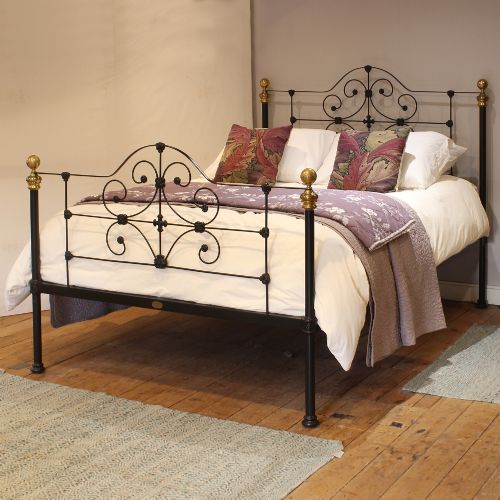
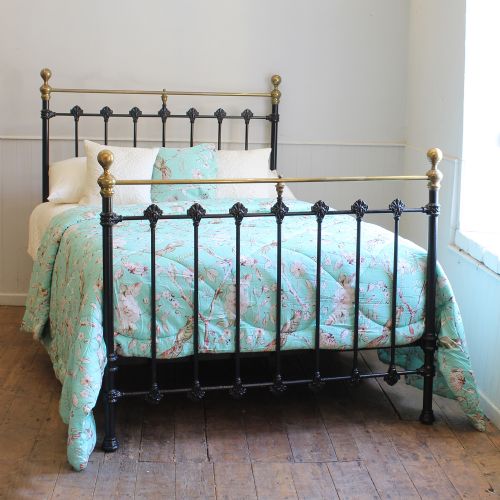
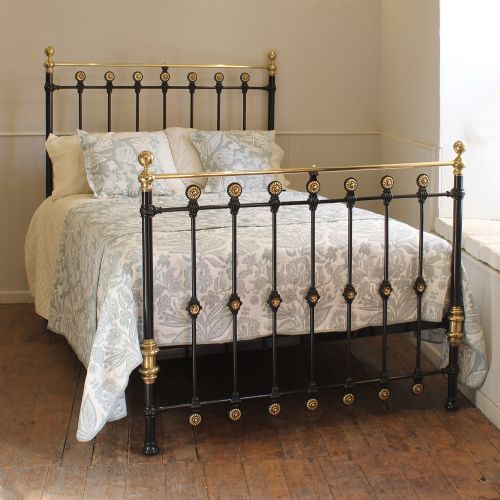
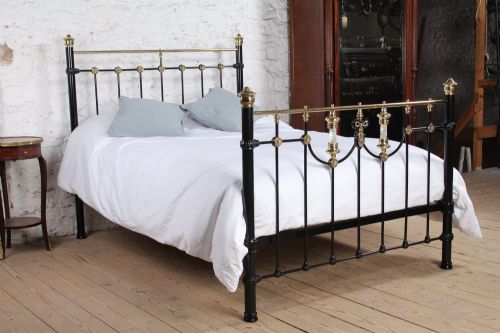
A victorian black bedstead provides a sturdy, heavy metal frame with dark painted or japanned surfaces that anchor a bedroom.
Victorian Black Bedstead
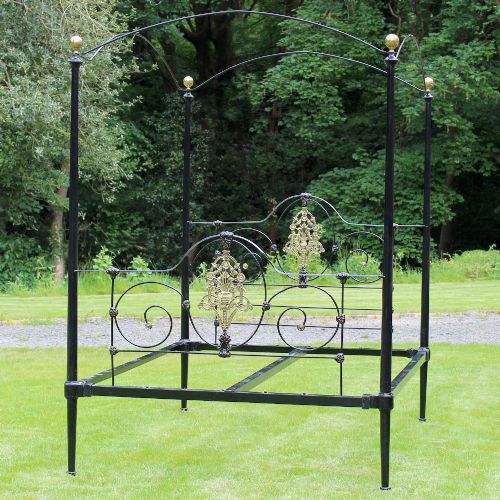
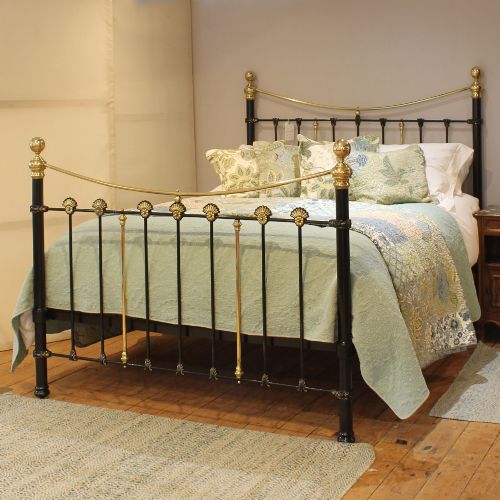
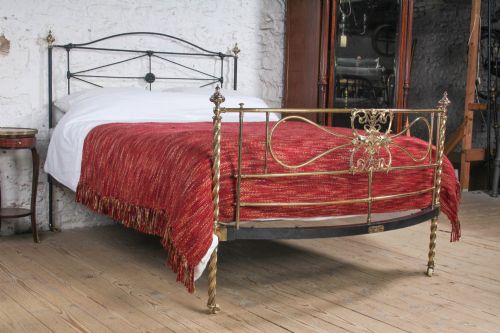
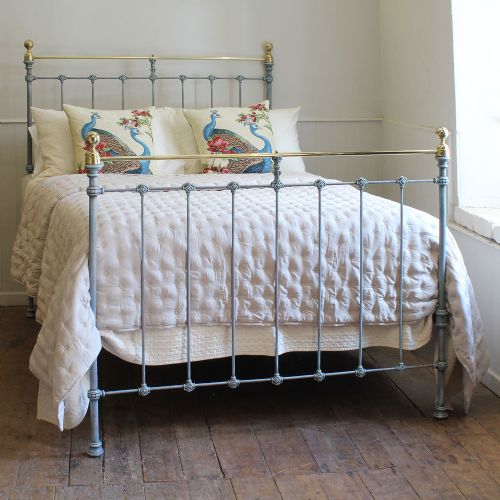
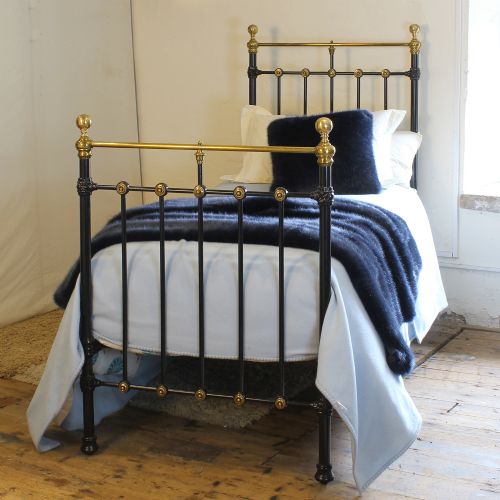
A victorian black bedstead is a substantial sleeping frame built from cast iron, wrought iron, or combinations of metal and wood, often enhanced with brass finials or mother of pearl details. These pieces span single, double, king, and super king sizes, with many examples featuring low ends or no-end designs that suit modern mattress lengths.
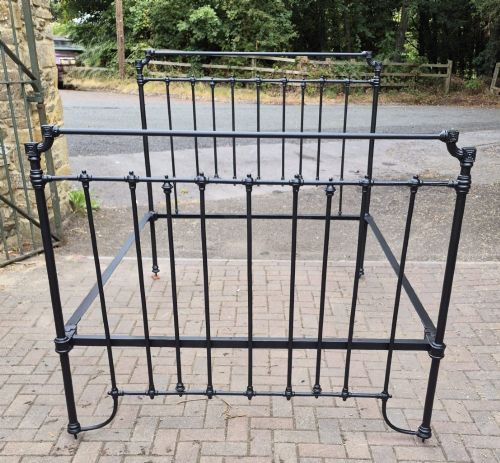
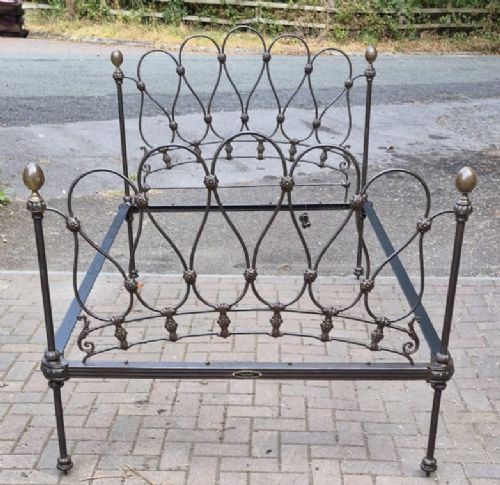
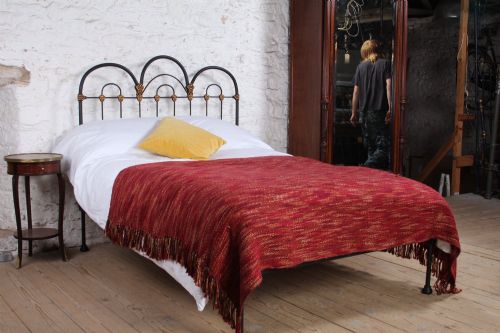
The selections on this page highlight forms ranging from plain straight rail frames to ornate curly ironwork, French country styles, and Victorian Art Nouveau patterns. Buyers frequently encounter standard double and single sizes alongside wider king formats originating from the mid nineteenth century through to the early twentieth century.
Makers such as Winfield appear among the iron frames, providing marked identity to pieces alongside unbranded workshop productions. The construction ranges from simple utilitarian hospital styles to highly decorative arched and spindle-detailed centerpieces designed for principal bedrooms.
How they were made
Foundries forged these frames primarily using cast iron for structural stability and ornate decorative components, paired with wrought iron bars and brass tubing for contrast. Metal surfaces were commonly finished with japanned lacquer or durable black enamel to achieve the characteristic dark sheen.
Detailing relied on applied brass finials, cast spindles, and occasional mother of pearl inlay set into the iron framework. Joints were engineered to dismantle using standard wedge and socket systems, allowing heavy metal components to lock securely together.
Listings feature iron beds spanning from the eighteen-fifties through the Edwardian era, incorporating brass, mother of pearl, and japanned finishes.
What varies in quality
Quality in a victorian black bedstead rests on the crispness of the iron castings and the structural integrity of the original joints and side rails. Finer examples display intricate curly scrollwork, well-turned brass spindles, and maker marks that denote superior foundry work.
The condition of the black japanned or enamelled finish significantly influences the character of the piece, as original patinated surfaces differ from later repaintings. Heavier gauge iron and substantial brass components distinguish high-grade production from simpler single-bed utility frames.
Winfield
The Victorian Black Bedstead Glossary
- Japanned lacquer
- A type of hard, dark varnish finish applied to metal to imitate Japanese lacquerware. It creates a smooth, glossy black surface characteristic of the period.
- Dip rail
- A bed frame top rail that curves downwards toward the centre. This profile lightened the visual weight of heavy iron frames.
- No end bed
- A bedstead lacking a high footboard, featuring only a headboard or matching low ends. This configuration accommodates longer mattresses and improves bedroom circulation.
- Finial
- A decorative terminal ornament screwed or fitted to the top of bed posts. They are frequently cast in brass to contrast against black iron frames.
- Cast iron
- Molten iron poured into moulds to create solid decorative components and structural parts. It allowed nineteenth-century foundries to produce complex repeating patterns.
Victorian Black Bedstead: Frequently Asked Questions
Will a standard modern mattress fit these beds?
Many nineteenth-century bed frames were built to dimensions slightly different from today's standard metric sizes. King and double iron frames often require careful measurement of the interior side rails to ensure a modern mattress drops in correctly.
Some frames accommodate modern sizing well, particularly those with open no-end designs or adjustable side rails. Checking the exact internal width and length given in the listing prevents sizing issues.
How do the side rails assemble?
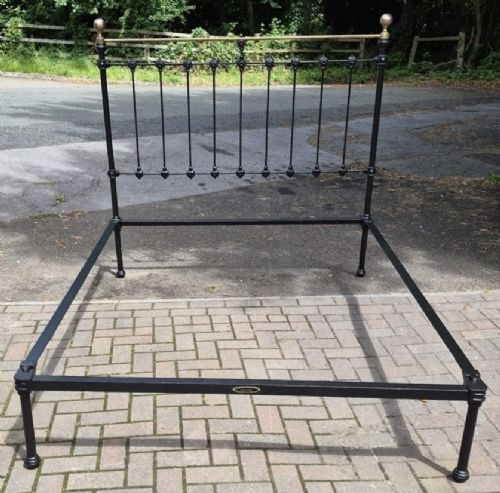
Most antique metal bed frames use a mechanical wedge and socket system where the iron side rails slot directly into brackets cast onto the headboard and footboard posts. Tightening these joints pulls the entire structure square without requiring traditional screws.
This knockdown construction made transporting heavy iron furniture straightforward during the Victorian period. Modern assembly simply involves tapping the wedge joints firmly into place with a rubber mallet.
How do I care for the black finish?
Original japanned or enamelled surfaces require gentle cleaning with a dry or lightly damp cloth to remove dust without stripping the historic finish. Harsh chemical solvents or abrasive metal polishes should be avoided on the dark painted areas.
Brass components on the same frame can be polished separately using mild metal cream if a bright appearance is desired, though many collectors prefer preserving the natural aged patina.
Are single beds suitable for joining together?
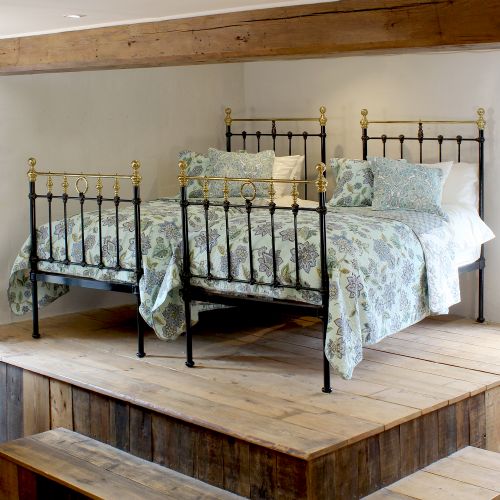
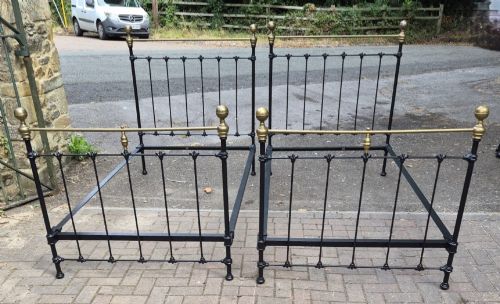
Certain single antique beds were produced in matching pairs specifically designed to be placed side by side or linked together. These twin frames share identical heights, casting patterns, and rail dimensions to create a cohesive double or king arrangement.
Listings often indicate whether single frames form a matching pair suitable for dual placement. This offers flexibility for guest rooms where twin configurations or combined setups are useful.