


Black Brass Double Bed
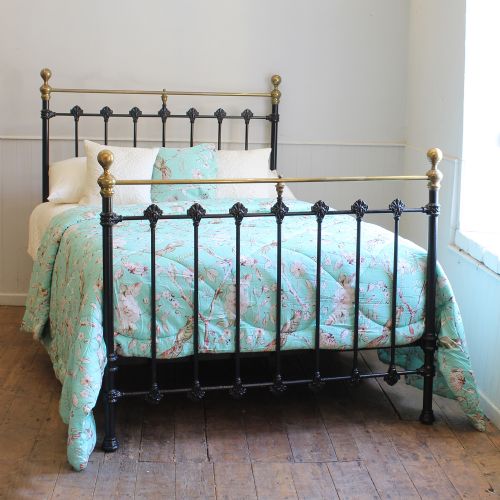
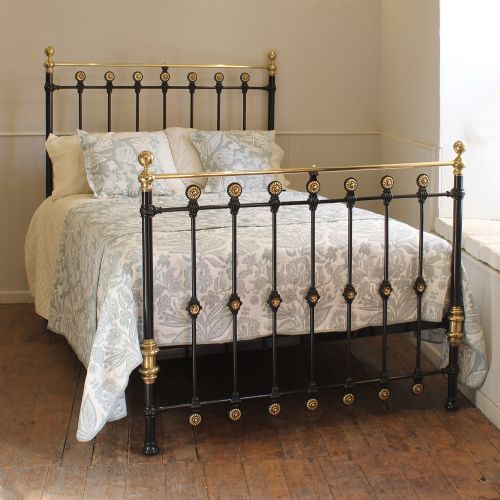
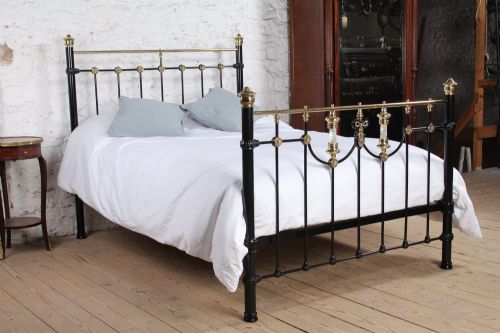
A black brass double bed brings immediate Victorian character and sturdy dual-sleeper proportions to a bedroom.
Black Brass Double Bed
A black brass double bed combines dark painted metal framework with polished metallic highlights for a distinct period silhouette. These pieces arrive in various formats from the nineteenth and early twentieth centuries, including Victorian, Edwardian, and French Country aesthetics.
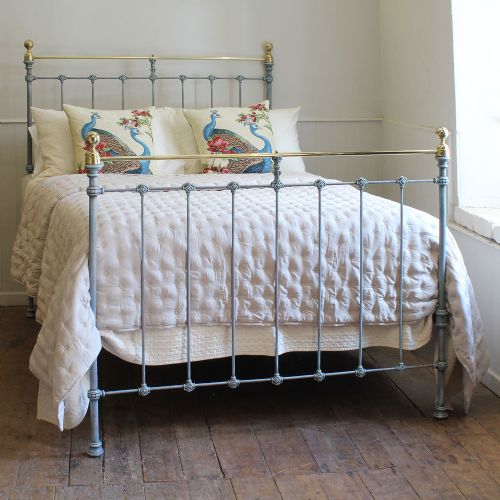
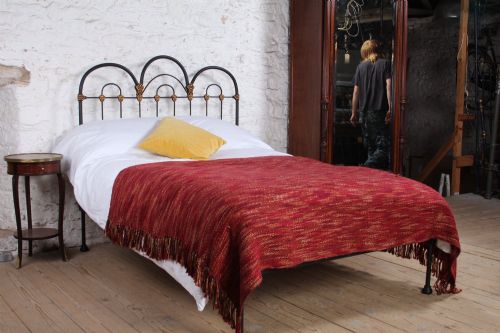
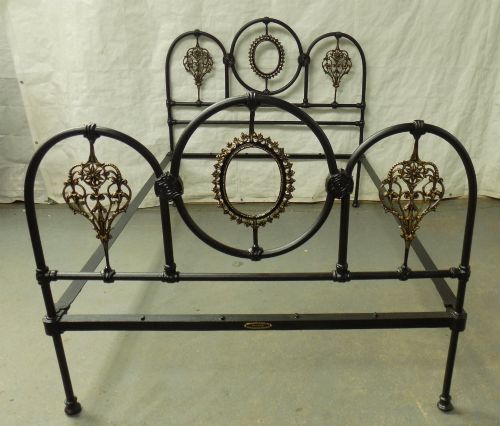
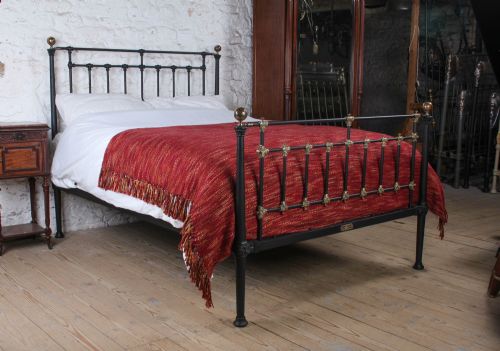
Most examples on this page utilise a double configuration paired with cast iron and brass components. Buyers encounter ornate curly iron frames alongside simpler straight rail designs, offering flexibility for different interior schemes.
Origins span several decades bridging the nineteenth and twentieth centuries, ensuring buyers find both restrained Victorian models and more decorative Edwardian pieces. The combination of dark finishes and bright metal creates a balanced focal point for a bedroom.
Construction and materials
Makers constructed these frames primarily using cast iron, wrought iron, and brass, often combining dark painted surfaces with polished metallic elements. Some distinctive examples incorporate mother of pearl detailing into the metalwork for added visual texture.
Foundries utilised traditional casting and joining techniques to build robust double bedsteads designed to withstand decades of daily use. Tapered posts and decorative junctions demonstrate the careful metalworking methods common to nineteenth-century workshops.
Some Victorian iron beds feature surprisingly cheerful curly scrolls designed to soften an otherwise formidable sleeping fortress.
Assessing quality and detail
Quality rests on the crispness of the casting work and the intricacy of the decorative mounts. Finer pieces display elaborate scrollwork and well-preserved original finishes rather than simple, plain tubular construction.
The integrity of the brass components and the subtlety of details like tapered posts or mother of pearl inlay separate standard utilitarian frames from superior decorative examples. Originality of the black finish also influences the character of the piece.
Maple & Co.
The Black Brass Double Bed Glossary
- Bedstead
- The complete framework of a bed, including headboard, footboard, and rails. This term frequently appears in historical listings for nineteenth-century sleeping furniture.
- Cast iron
- Molten iron poured into a mould to create solid or patterned components. It forms the heavy structural base of many period metal beds.
- Wrought iron
- Iron beaten and worked into shape by hand or machine rather than poured. This material offers high tensile strength for slender structural members.
- Mother of pearl
- The iridescent inner layer of certain mollusc shells used as decorative inlay. It occasionally appears on late period frames to accent the metalwork.
Black Brass Double Bed: Frequently Asked Questions
How do I fit modern mattresses to a vintage bed?
Period double frames often accommodate standard modern double mattresses with minor adjustments to the internal support slats. Wooden slats or a modern base platform can be placed securely within the side rails.
Buyers should measure the internal width and length carefully before purchasing bedding. Older frames can vary slightly from modern metric and imperial manufacturing standards.
Are these beds easy to dismantle and move?
Most antique metal bedframes utilise simple wedge-and-socket joints at the four corners. This modular construction allows the headboard, footboard, and side rails to separate easily for transport.
Care must be taken with brass components and painted surfaces during transit. Having two people manage the heavy cast iron sections prevents accidental damage.
How should I clean the black painted iron?
Dust the painted iron surfaces regularly with a soft, dry cloth to prevent grime accumulation. Avoid harsh chemical solvents that might strip the original dark finish.
For brass elements, use a mild metal cleaner applied sparingly with a cotton swab. Keep polishes away from the painted iron to protect the surrounding finish.
How do I distinguish Victorian from Edwardian frames?
Victorian examples tend to feature heavier proportions, elaborate cast iron scrollwork, and robust structural mass. They reflect the ornate tastes of the mid to late nineteenth century.
Edwardian pieces often introduce lighter lines and more restrained decorative elements. They frequently showcase simpler profiles while retaining the classic combination of black iron and gleaming brass.