





Victorian Birdseye Maple
Victorian birdseye maple furniture brings the distinctive, dotted figuring of timber into the nineteenth-century interior with remarkable warmth.
Victorian Birdseye Maple
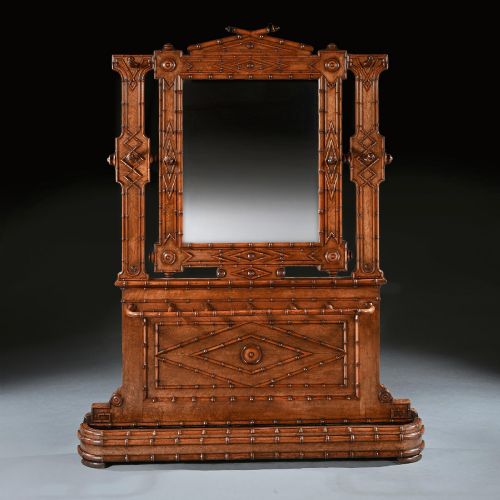
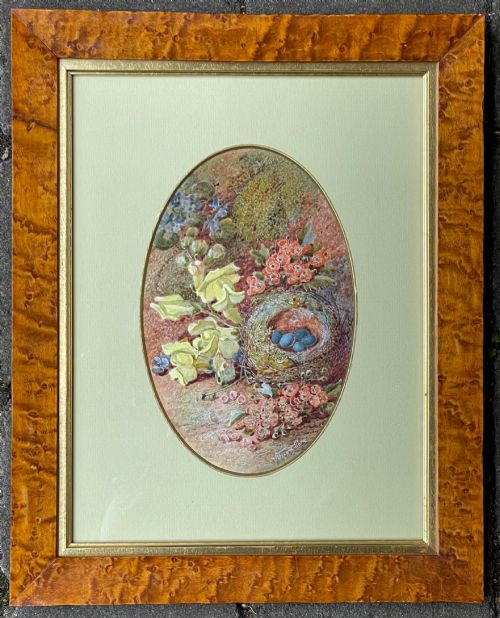
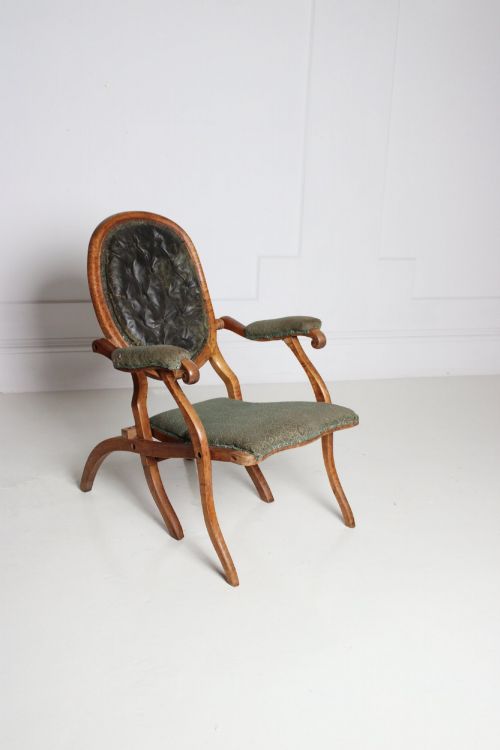
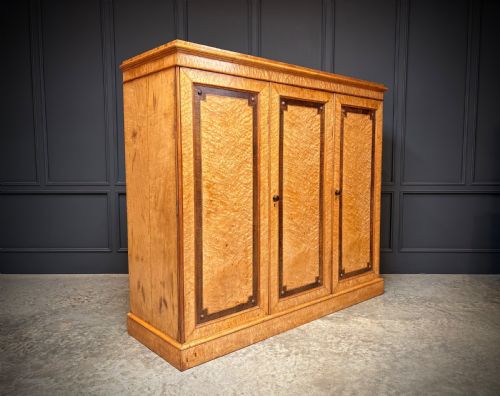
The assortment on this page brings together larger bedroom pieces like compactum wardrobes alongside smaller writing tables and fold-down campaign chairs. These items demonstrate how makers applied the figured timber across diverse domestic and maritime contexts.
Materials and Construction
The makers utilised birdseye maple timber, often pairing it with secondary woods and brass hardware. Workshops sometimes incorporated faux bamboo turning or combined the maple with rosewood veneers to create textural contrast.
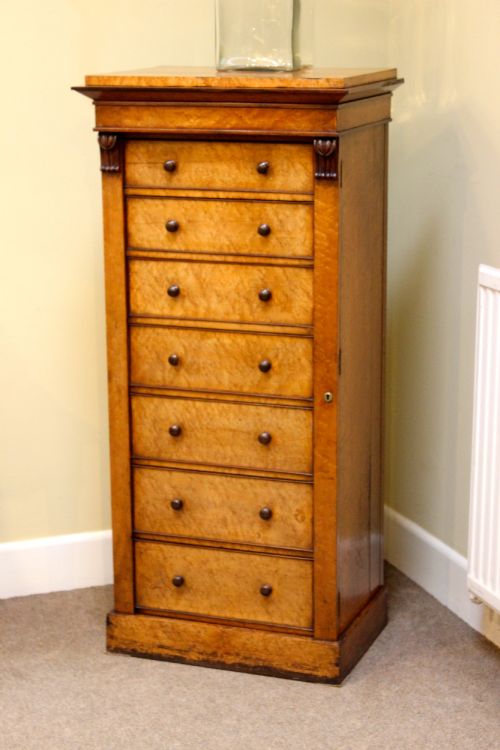
Joinery methods reflect nineteenth-century cabinetmaking standards, visible in pieces such as Wellington chests and bookcases. Structural timber supports thin veneers chosen specifically for their distinctive optical patterns.
Victorian Birdseye Maple Retail Price Guide 2026
Typical asking prices for victorian birdseye maple among the pieces listed under this phrase on Sellingantiques today, from the lower quarter to the upper quarter. They describe what is for sale here now, not the wider market.
The listings on this page span the 19th century into the early 20th century, featuring wood, brass, glass, and paper materials across various forms.
Distinctions in Quality
Quality rests primarily in the density and even distribution of the figuring across the timber surface. Finer examples display a uniform pattern without excessive interruption from dark knots or repairs.
Proportion and architectural detailing also separate standard production from superior pieces. Architectural commissions, such as those associated with known designers, exhibit more thoughtful handling of the grain.
Sir Charles Barry·Robert Faulkner·Vincent Clare
The Victorian Birdseye Maple Glossary
- Birdseye maple
- A figure in maple wood where the grain swirls around small knots, creating a pattern resembling tiny eyes. This effect occurs most frequently in sugar maple trees.
- Wellington chest
- A tall, slender chest of drawers featuring a hinged locking stile on one side that secures all the drawers simultaneously. This form gained popularity during the nineteenth century.
- Compactum wardrobe
- A fitted multi-section wardrobe designed to combine hanging space with linen shelves and small drawers. Victorian examples maximise interior storage within a compact footprint.
- Campaign chair
- A portable folding chair designed for easy transport by travellers and military officers. Nineteenth-century versions utilise folding frames constructed from timber.
Victorian Birdseye Maple: Frequently Asked Questions
What is birdseye maple?
Birdseye maple is a distinctive timber grain marked by small, swirling knots that resemble the eyes of birds. The pattern is a natural variation found mainly in hard maple trees.
Cabinetmakers prized this veneer for its decorative impact, using it on the visible exterior surfaces of nineteenth-century furniture.
How do I care for antique maple?
Antique maple furniture requires protection from direct sunlight and sudden humidity changes to prevent the wood veneer from drying out or splitting. Gentle dusting with a dry cloth keeps the surface clean without damaging the finish.
Avoid using silicone-based polishes or harsh chemical sprays, which can build up on nineteenth-century French polish surfaces over time.
Are these pieces solid wood?
Most nineteenth-century birdseye maple furniture is constructed using timber veneers applied over secondary structural woods. This technique allowed cabinetmakers to display the decorative grain across wide drawer fronts and panels.
Using veneer also provided stability, preventing large panels from warping as temperature and humidity fluctuated within the home.
How can I tell a Victorian piece?
Victorian pieces show construction methods, hardware styles, and timber treatments typical of the nineteenth century. Details such as dovetail joints and secondary woods help confirm the period of manufacture.
Stylistic influences, ranging from Aesthetic Movement bamboo turning to classical revival forms, further anchor these items within the nineteenth century.