




Victorian Bird Sculpture
Victorian bird sculpture captures avian forms across bronze, carved wood, and porcelain, offering collectors nineteenth-century craftsmanship and character.
Victorian Bird Sculpture
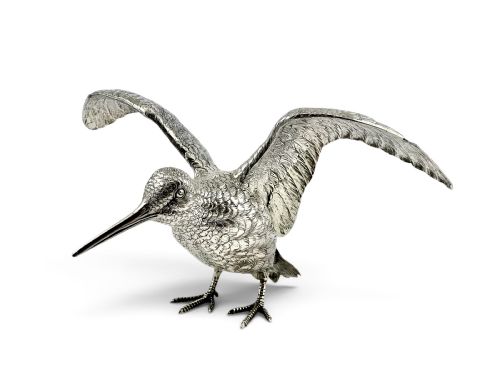
A victorian bird sculpture encompasses decorative objects, figurines, and statues shaped during the nineteenth century, ranging from naturalistic studies to folk art creations. When you search for a victorian bird sculpture, you encounter diverse representations of parrots, eagles, grouse, and waterbirds produced in Britain and across continental Europe.
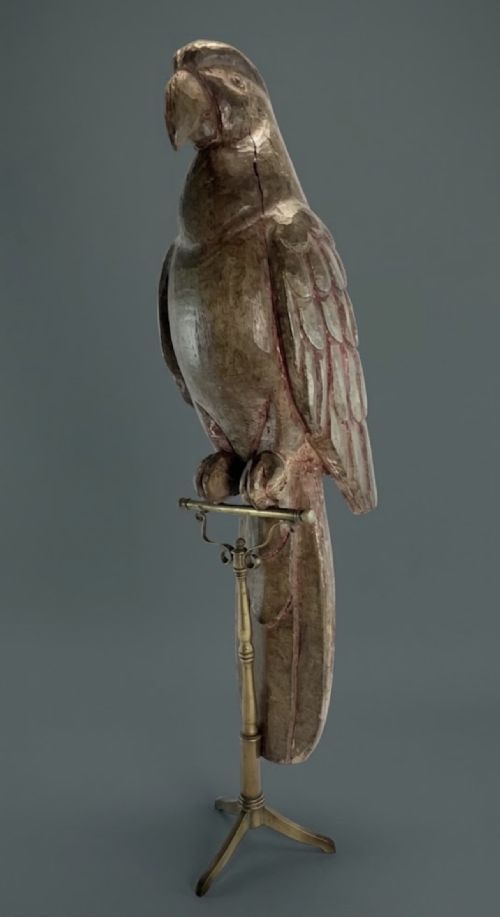
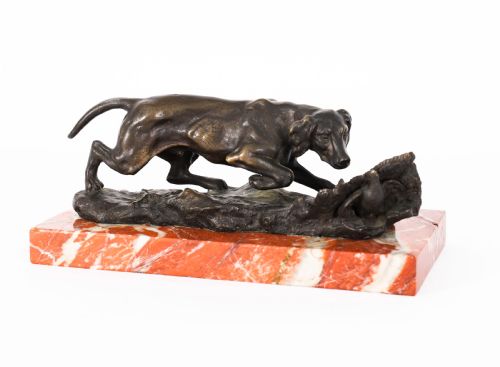
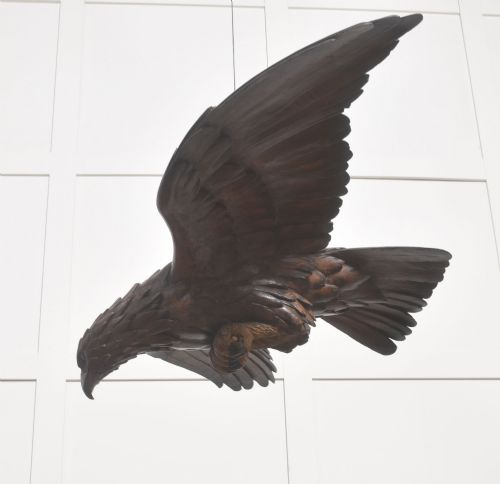
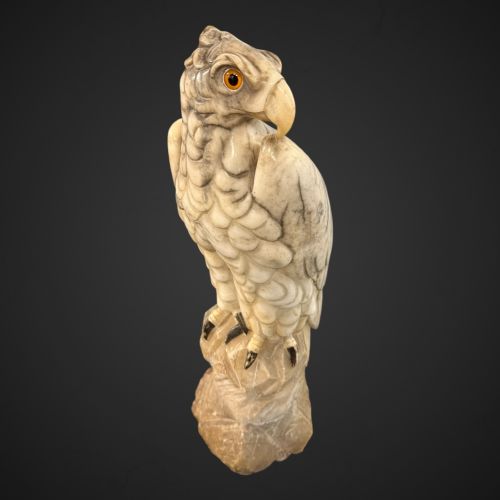
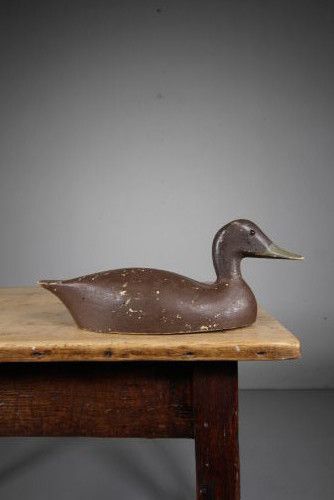
The pieces appearing on this page skew heavily toward carved wood from the Black Forest tradition alongside cast bronze figures and painted porcelain. These range from functional items like inkwells and decoy ducks to purely decorative mantel pieces and wall panels.
Materials and methods
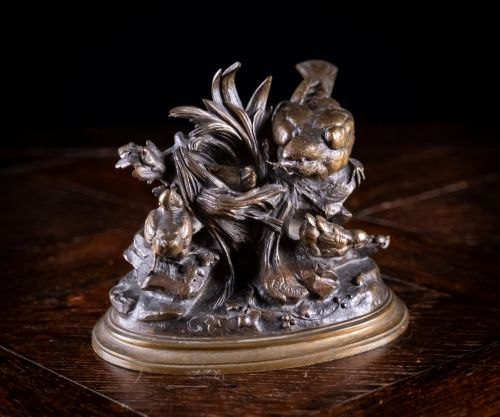
Makers utilised traditional casting methods for metals, producing solid bronze and brass statues, occasionally finished with cold painting or ormolu details. Iron and silver also appear among the metalwork, alongside cast elements integrated into wooden mounts.
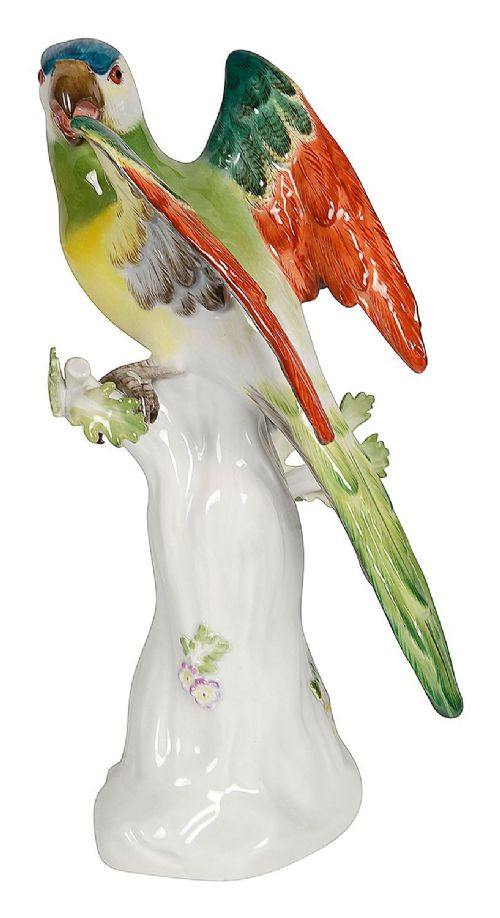
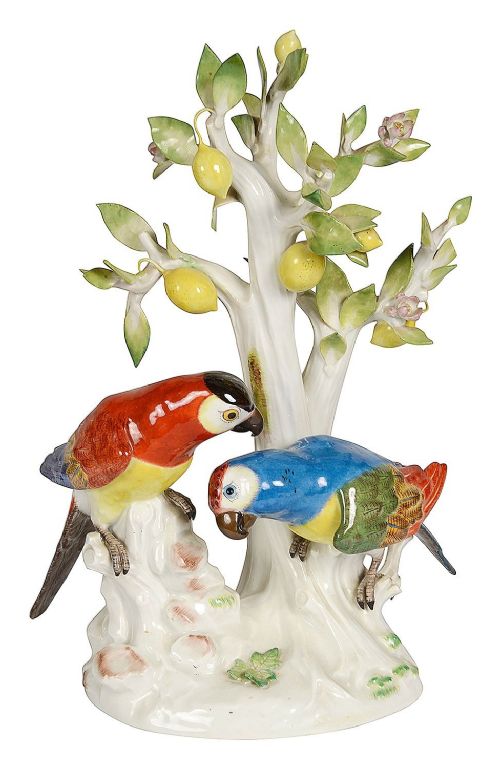
Carved wooden pieces rely on pine, walnut, and tiger oak, shaped with hand gouges to render feather textures and anatomical contours. Porcelain figures from factories like Meissen combine moulded ceramic bodies with detailed hand painting and enamel finishes.
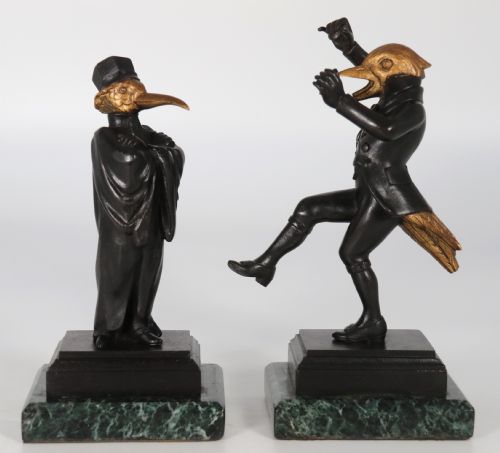
An owl bird scarer stands ready to frighten feathered intruders, while theatrical birds wear humorous expressions in cast bronze.
Factors of quality
Naturalism and anatomical proportion separate superior sculptures from simpler decorative items, particularly in the rendering of plumage, talons, and beak structures. Hand carving in wood or chasing in metal reveals the artisan's skill through crisp, deep lines rather than soft or smoothed-over surface details.
The preservation of original painted surfaces, cold-painted patination, and enamel work dictates the integrity of the piece. Integrated bases, such as veined Carrara marble plinths or bespoke brass stands, contribute to the overall substance of the work.
Carl Kauba·Meissen·Louis Emile Cana·Bergman·Ferdinand Pautrot
The Victorian Bird Sculpture Glossary
- Animalier
- A nineteenth-century artistic movement focused on the realistic portrayal of animals, particularly in bronze sculpture.
- Black Forest carving
- Wood sculpture originating from the mountainous regions of central Europe, characterised by deep relief and animal subjects.
- Cold painted bronze
- Metal sculpture painted with non-heat-set paints, popular in Austrian workshops during the late nineteenth century.
- Decoy duck
- A carved or moulded wooden or metal floating bird utilised by hunters to attract waterfowl.
- Ormolu
- Gilded bronze ornamentation applied to mounts, stands, or decorative accents on nineteenth-century objects.
Victorian Bird Sculpture: Frequently Asked Questions
What materials were used for Victorian bird sculpture?
Makers utilised bronze, carved wood, porcelain, cast iron, silver, and marble to create these nineteenth-century avian figures. Each medium required distinct workshop techniques, from metal casting to hand-gouging pine and walnut.
Surface finishes range from cold-painted patination and enamel to veined stone plinths, reflecting the diverse manufacturing centres across Britain, France, Germany, and Austria.
How do I identify Black Forest bird carvings?
Black Forest carvings are typically rendered in walnut, pine, or oak, depicting woodland birds like eagles, hawks, and owls with deep, textured plumage. These pieces often feature naturalistic tree stump bases or integrated wall panels.
Originating from central European workshops, they emphasise rustic subject matter and vigorous hand-carved detailing without smooth neoclassical finishes.
What is cold painted bronze?
Cold painted bronze refers to bronze or brass sculptures finished with layered paint applied without kiln firing. This technique allowed Austrian and European foundries to achieve vibrant, lifelike plumage on parrots, kingfishers, and grouse.
Because the paint sits on the metal surface rather than fusing to it, surviving examples often display characteristic wear that documents their age.
Were these sculptures decorative or functional?
Victorian bird sculptures served both purposes, with many functioning as inkwells, weathervanes, decoy targets, or architectural wall panels. Other pieces, such as porcelain parrots and marble eagles, were created purely as interior decorative ornaments.
Functional items often incorporate brass stands, iron brackets, or hinged compartments while maintaining high sculptural standards.
How do I date a nineteenth-century bird sculpture?
Dating relies on stylistic markers, material trends, foundry marks, and occasional artist signatures stamped into bronze or incised into wood. The Animalier movement and specific continental foundry practices help narrow production periods to the mid or late nineteenth century.
Comparison with documented works by makers like Meissen or Ferdinand Pautrot provides further chronological context.