




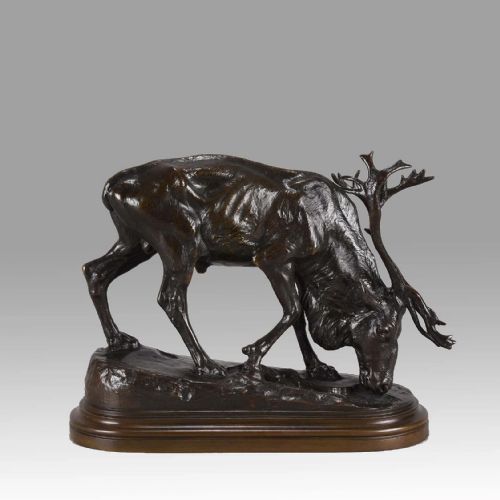
Cast Bronze Wildlife
Cast bronze wildlife brings the raw energy of nature into a room through enduring metal figures shaped by master hands.
Cast Bronze Wildlife
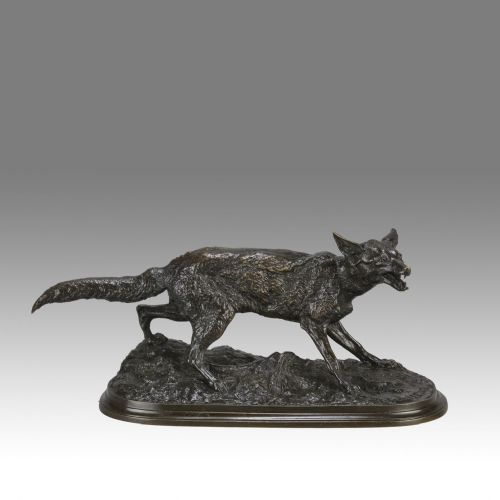
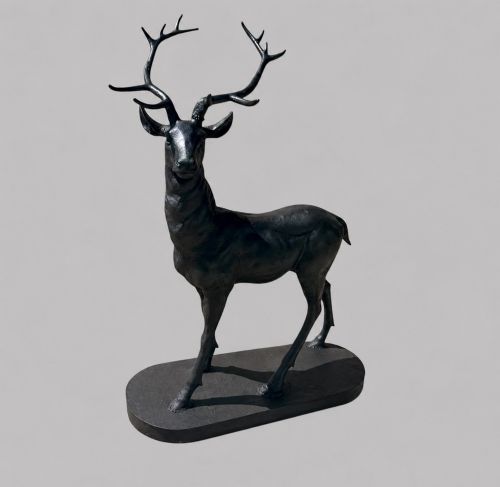
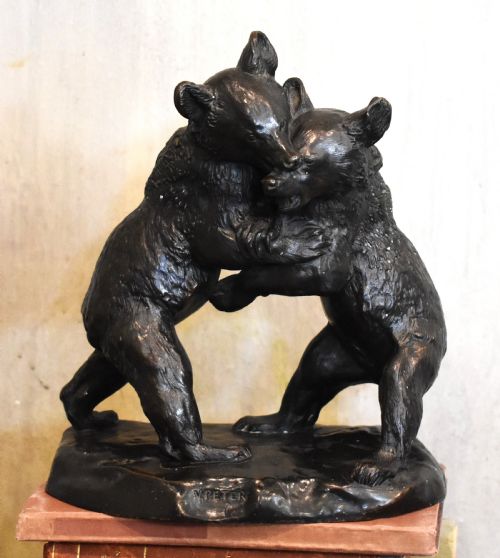
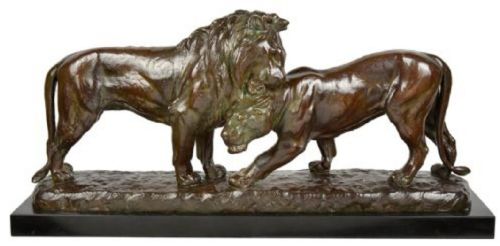
When you search for cast bronze wildlife, you encounter sculptural studies of animals captured in movement or repose, shaped predominantly during the nineteenth and early twentieth centuries. These pieces range from compact figures of birds and hares to substantial groups of lions, bears, and stags.
The objects most frequently met on this page belong to the French Animalier school alongside Austrian cold-painted works and Japanese Meiji period okimono. Figures often stand upon integral bronze bases or are mounted on contrasting plinths of green marble.
Subjects span domestic wildlife and exotic beasts, portraying predators and prey with anatomical precision. Sculptors observed creatures in the field, translating feathers, fur, and muscle into permanent metal.
Materials and technique
Makers utilised the lost-wax casting method or sand casting to achieve intricate detail in molten bronze, capturing fine textures of hair and plumage. Molten metal poured into moulds produced solid or hollow figures that recorded the sculptor's original clay or wax model with exact fidelity.
Surfaces received careful chemical treatments to create dark patinas, polychrome paint layers, or cold-painted finishes applied over the cooled metal. Certain figures incorporated secondary materials such as marble for bases and bone details, enhancing the visual weight of the sculpture.
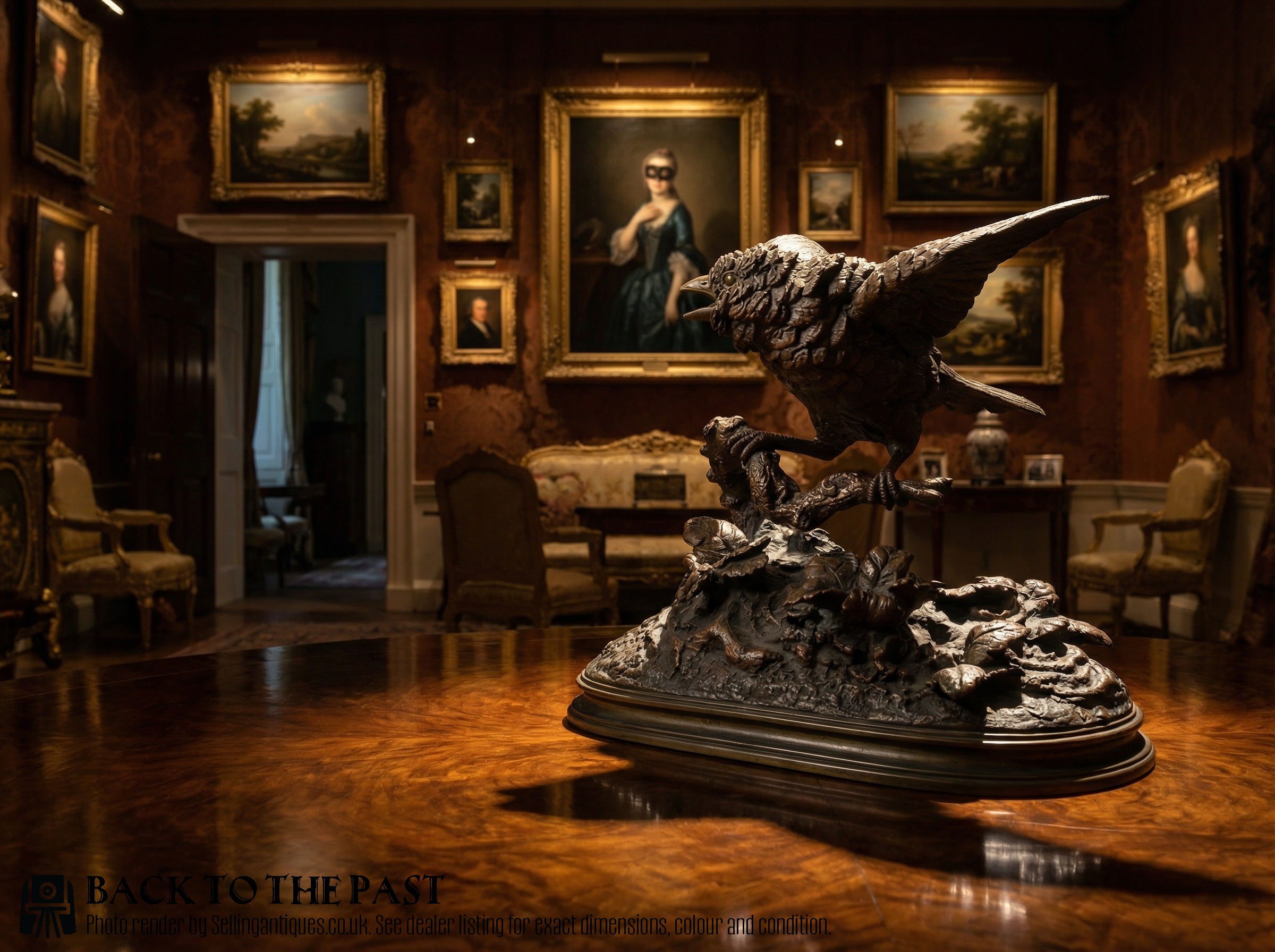
Even a tiny sparrow perched on a branch demands the attention of a master foundry.
Assessing quality
Quality rests in the crispness of the chase work, where artisans refined the raw metal casting with chisels and files to define fur, claws, and facial expressions. Superior pieces retain sharp anatomical transitions and subtle surface textures rather than smooth, indistinct planes.
The reputation of the foundry and the distinct signature of the sculptor elevate a piece, alongside the nuance and durability of the applied patina. Casts produced during the artist's lifetime or supervised by recognised founders display superior weight distribution and proportional harmony.
P J Mêne·Franz Bergman·Paul-Édouard Delabrière·Antoine Louis Barye·Barbedienne·G Gardet·Alfred Dubucand·Louis Riche·Isidore Bonheur·Jules Moigniez·Ferdinand Pautrot·Kaniya Kuniharu
The Cast Bronze Wildlife Glossary
- Animalier
- A nineteenth-century artistic movement dedicated to the realistic portrayal of animals, particularly predators and game. Practitioners studied live specimens in menageries to achieve lifelike postures.
- Cold-Painted Bronze
- A technique where bronze figures are painted with oil or enamel colours after casting, without undergoing high-temperature firing. Vienna workshops specialised in this vibrant method.
- Okimono
- A Japanese ornamental figurine designed for display, commonly carved from ivory or cast in bronze during the Meiji period. These works often depict natural subjects with meticulous realism.
- Patina
- A thin layer formed on the surface of bronze through chemical oxidation or artificial treatment. Founders applied patinas to shade the metal from deep brown to black.
- Lost-wax casting
- A historic metalworking process where a wax model is melted out of a mould to create a cavity for molten bronze. This method allows for undercuts and intricate detail impossible in rigid two-part moulds.
Cast Bronze Wildlife: Frequently Asked Questions
What is an animalier bronze?
An animalier bronze is a nineteenth-century sculpture depicting animals in realistic poses, often showing the struggle for survival in nature.
These pieces were created by specialised sculptors who studied animal anatomy in depth.
How do I care for bronze wildlife?
Maintain the surface by dusting gently with a soft, dry cloth and avoiding harsh chemical cleaning agents that strip the patina.
Keep the sculptures away from damp environments to protect the metal and any attached marble bases.
What is cold-painted bronze?
Cold-painted bronze refers to figures decorated with oil paints applied directly onto the metal surface without subsequent firing.
This technique produces bright, detailed coloration but requires careful handling to prevent paint loss.
Are these sculptures solid bronze?
Many nineteenth-century bronzes are cast hollow to reduce weight and material costs, while smaller figures and details may be solid.
Foundries managed the interior structure during the casting process to ensure balance and stability.