


Victorian Bevelled Wall Mirror
A victorian bevelled wall mirror brings genuine nineteenth-century reflection and decorative weight into a room.
Victorian Bevelled Wall Mirror
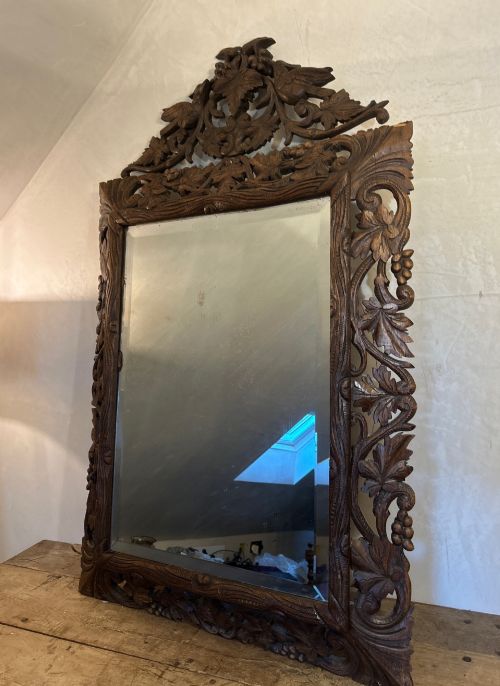
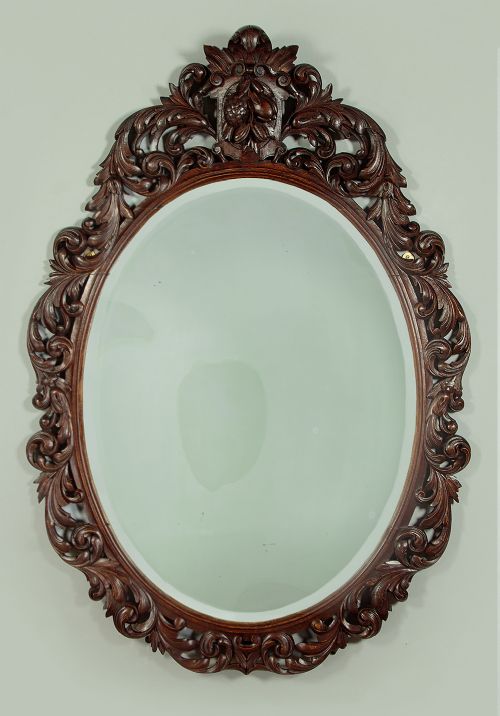
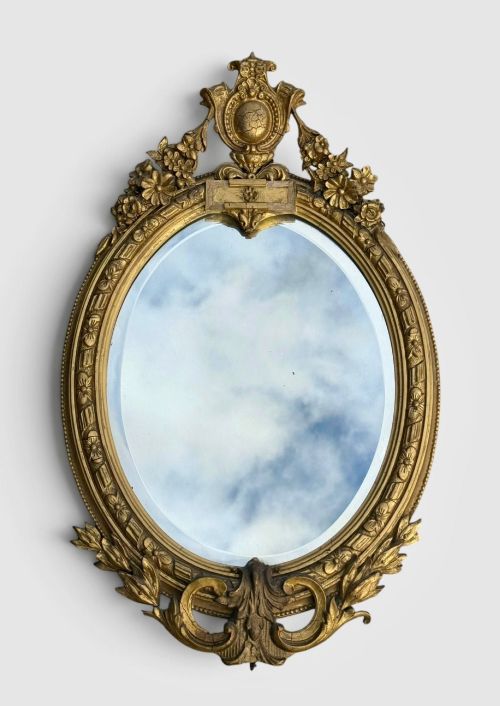
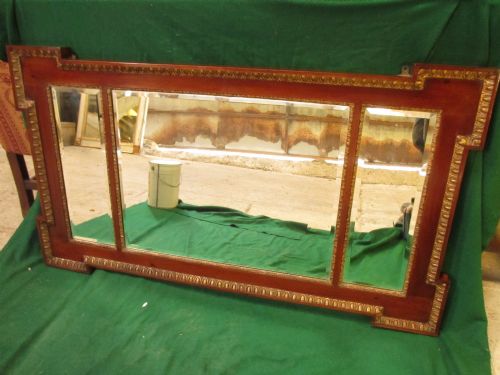
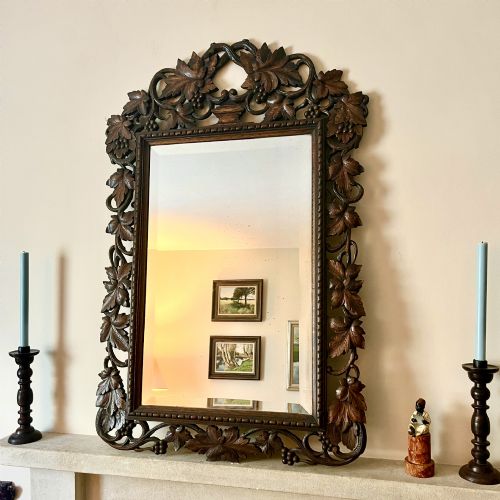
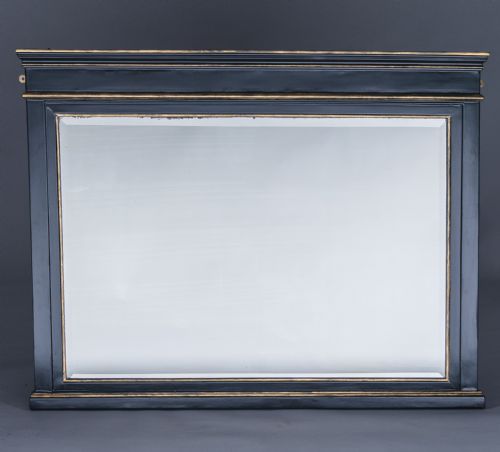
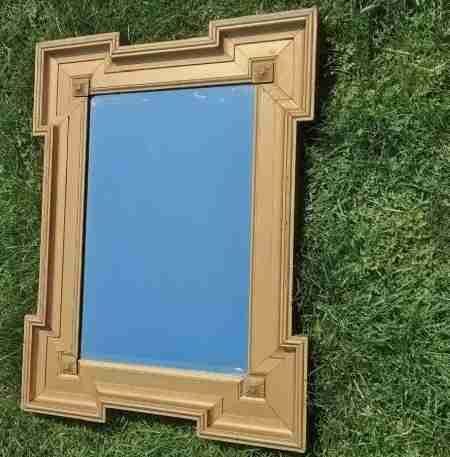
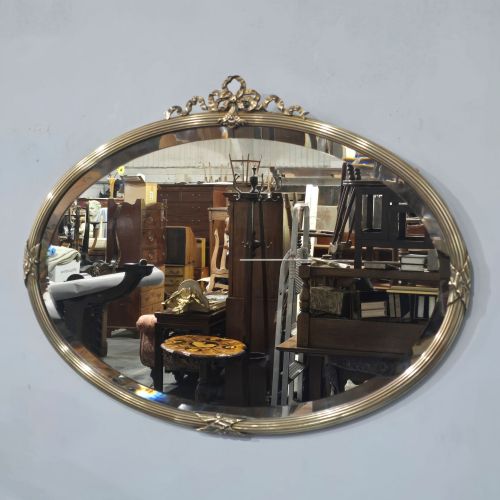
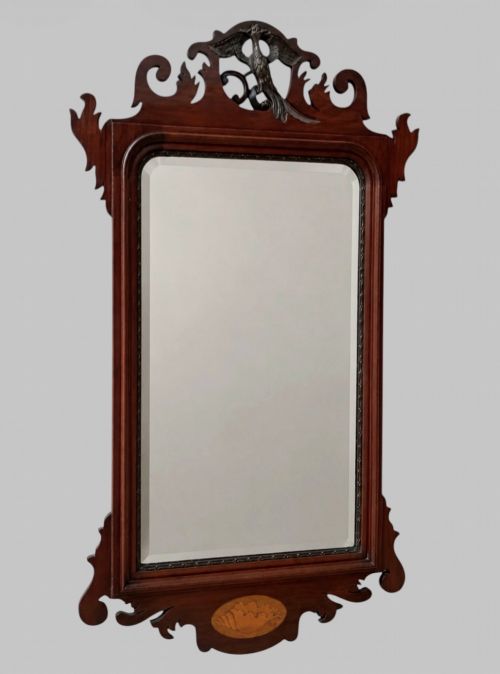
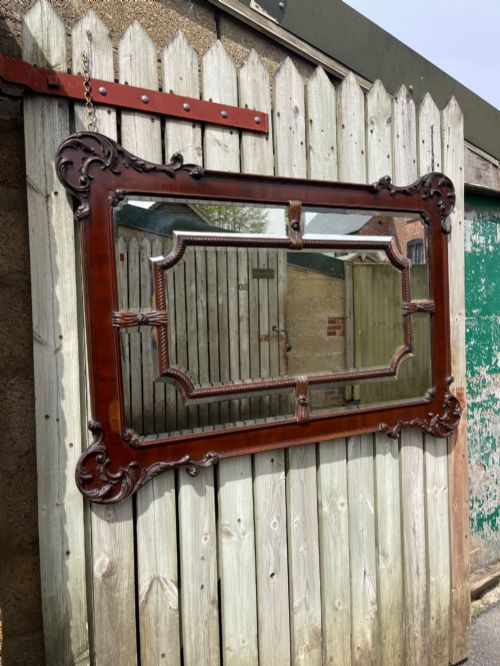
A victorian bevelled wall mirror is primarily found in nineteenth-century forms ranging from ornate overmantels to compact hall mirrors and oval wall pieces. These items appear in styles that span French Rococo Revival, Aesthetic Movement, and Chippendale Revival.
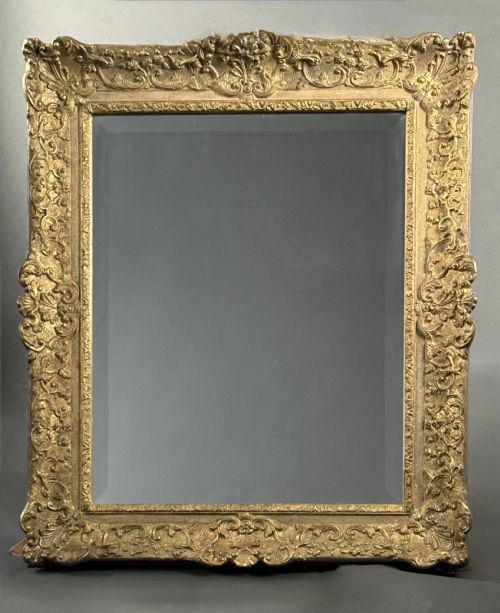
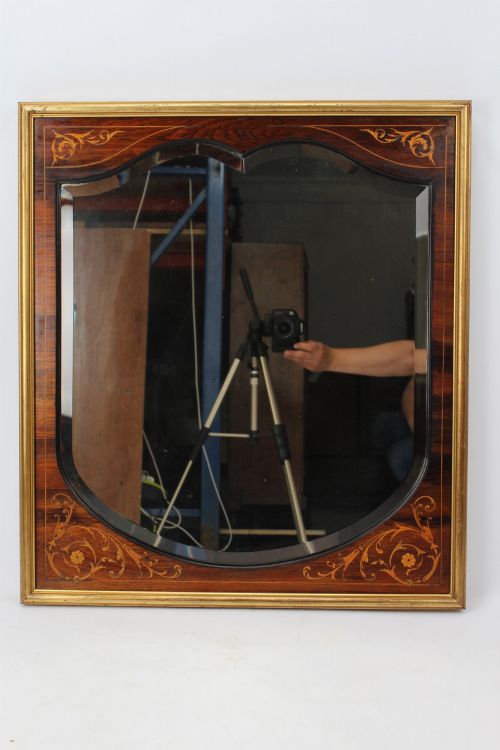
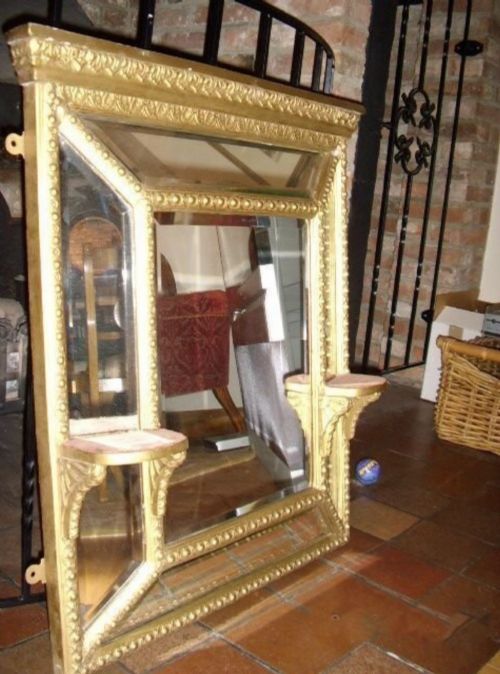
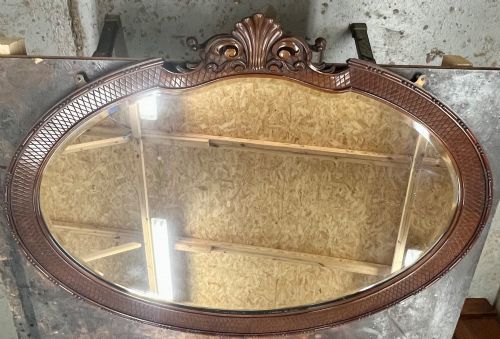
Buyers will most frequently encounter rectangular and oval shapes framed in carved oak, gilt gesso, and polished mahogany. Many examples incorporate deep cushion frames or detailed crestings suited for principal reception rooms.
The selection encompasses both English workmanship and continental origins, particularly French decorative pieces from the eighteen-eighties and eighteen-nineties. Overmantel mirrors and tall hall mirrors are well represented among the surviving forms.
Materials and Construction
Frames are constructed from solid timbers such as mahogany, oak, walnut, and ebonised wood, alongside cast or embossed brass and bronze. Giltwood and gesso finishes provide the ornate surface decoration characteristic of the period.
Glass plates feature characteristic hand-bevelled edges that catch the light distinctly. Original wood backboards and early mounting fittings frequently survive intact behind the frame.
Materials recorded across the inventory include giltwood, gesso, mahogany, oak, walnut, brass, and bronze.
Distinctions in Quality
The standard of a victorian bevelled wall mirror depends on the depth and crispness of the carving within the wood or gesso frame. Hand-carved ornament and substantial timber construction distinguish finer examples from simpler production.
The preservation of the original gilt surface and the clarity of the heavy bevelled glass plate determine the visual impact. Pieces retaining their original fittings and backboards demonstrate greater historical integrity.
The Victorian Bevelled Wall Mirror Glossary
- Bevelled glass
- Glass with an angled edge ground and polished around the perimeter. This treatment creates a prismatic border that refracts light.
- Gesso
- A plaster-like mixture applied to a wooden base and carved or moulded before gilding. It forms the raised decorative details on gilt frames.
- Overmantel mirror
- A large mirror designed to hang specifically above a fireplace mantelpiece. These pieces often anchor the decorative scheme of a Victorian parlour.
- Cushion frame
- A frame profile with a rounded, sloping box construction that pushes the mirror plate forward. It creates a pronounced three-dimensional effect on the wall.
Victorian Bevelled Wall Mirror: Frequently Asked Questions
How do I hang a heavy mirror safely?
Heavy nineteenth-century mirrors require secure fixings anchored directly into structural wall studs or masonry. Using appropriate weight-rated brackets prevents strain on the original frame and backing.
Professional installation is recommended for large overmantel mirrors due to their substantial timber and glass weight.
Where should I place an overmantel mirror?
An overmantel mirror traditionally hangs directly above a fireplace mantel to reflect light and fill the vertical wall space. It serves as a focal point in a reception room or dining space.
Positioning the mirror opposite a window maximises natural light distribution throughout the interior.
How do I clean the mirror plate?
Clean the glass using a soft cloth and a gentle glass cleaner applied to the cloth rather than directly onto the plate. This prevents moisture from seeping behind the bevelled edge and damaging the silvering.
Keep cleaning fluids away from antique gilt gesso and wood frames to protect the historic surface finishes.