
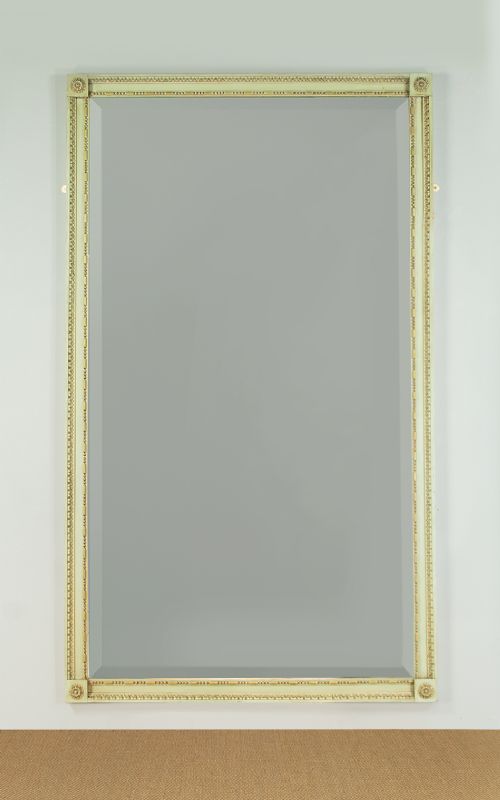


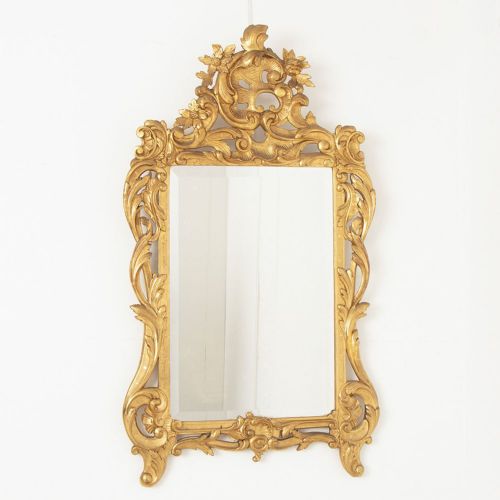


Bevelled Pier Mirror
A bevelled pier mirror brings a tall, narrow expanse of glass and carved frame between windows or above console tables to brighten a room.
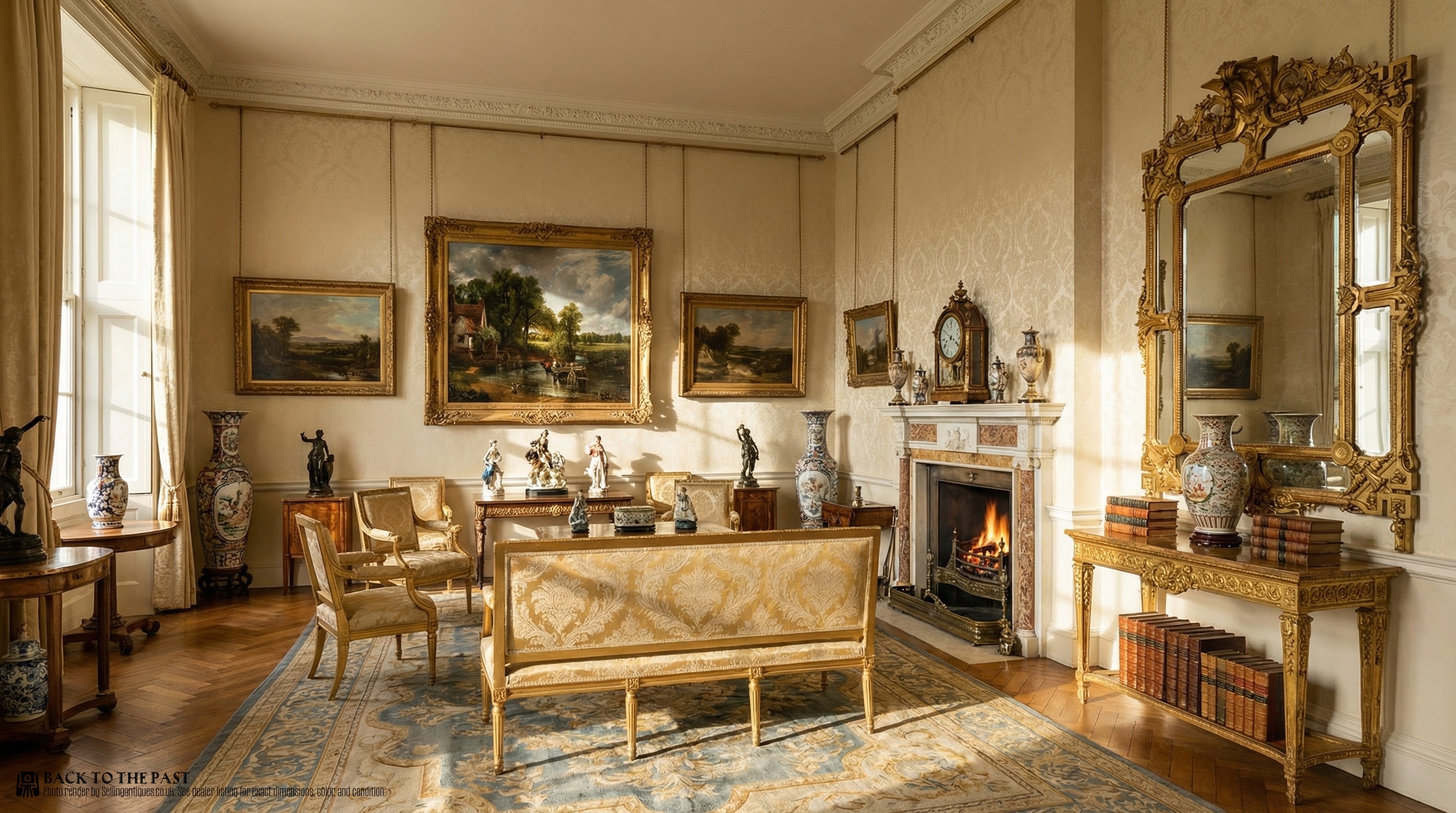
Bevelled Pier Mirror
When you search for a bevelled pier mirror, you find tall wall-hanging glasses designed originally to stand on the narrow wall space between windows. The pieces available span several eras, moving from early walnut forms up to later gilt-wood and gesso revivals.
You are most likely to meet 19th-century interpretations on this page, particularly French gilt-wood examples and English Georgian or Queen Anne revival pieces. These objects serve both as functional looking-glasses and as architectural decorations that reflect natural light.
Forms range from restrained walnut frames to ornate, large carved creations with crestings. They appear under various names including pier glasses, hall mirrors, and wall mirrors.
How they were made
Makers constructed these frames using timber such as walnut, rosewood, and softwood, often applying layers of gesso to build up intricate surface ornamentation. Gilding with gold leaf gave the wooden and plaster structures their bright, reflective metallic finishes.
Glass plates were silvered by hand in earlier examples and shaped with distinctive angled edges known as bevels. Wood carving techniques varied from simple moulded profiles to deep relief work in styles echoing earlier centuries.
Some pier mirrors spent centuries catching the reflection of passing horse-drawn carriages before witnessing the arrival of motor cars.
What varies in quality
The standard of a bevelled pier mirror rests on the crispness of the hand-carved detail within the wood and gesso frame. Superior pieces retain their original gilding and historic glass plates rather than later replacements.
Proportion and balance dictate the visual success of the frame, where fine detailing on crestings and mouldings elevates the piece from standard decorative stock to a masterwork of its period.
John Belchier
The Bevelled Pier Mirror Glossary
- Pier mirror
- A tall mirror designed specifically for the wall space between windows. It hangs low, often above a pier table.
- Gesso
- A plaster-like mixture applied to wood frames to create a smooth surface for carving and gilding. Artisans build it up in layers before tooling fine patterns.
- Bevel
- The angled edge ground along the perimeter of a glass plate. This technique creates a prismatic light effect around the border.
- Giltwood
- Timber coated with gold leaf or metallic powder over a prepared ground. It provides a durable, reflective surface characteristic of formal mirrors.
Bevelled Pier Mirror: Frequently Asked Questions
Where should I hang a pier mirror?
These mirrors suit narrow wall spaces, particularly between two windows where they bounce natural light deep into a room. They also work effectively above low console tables or in entrance halls.
Because of their vertical proportions, ensure the wall can support the weight of a framed wooden and glass structure before hanging.
Are these plates original?
Many pieces retain their historic glass plates, which often show soft foxing and age spots from centuries of oxidation. Some examples incorporate older glass plates into later frames.
Examining the edge where the glass meets the rabbet helps determine whether the plate has remained undisturbed since manufacture.
How do I identify a revival style?
Revival pieces draw on design elements from earlier reigns, such as Queen Anne walnut graining or Georgian architectural symmetry. Makers in later decades consciously replicated these historic proportions and carving motifs.
Looking closely at the construction timber and backing boards usually reveals the true period of assembly.
How do I care for giltwood frames?
Giltwood and gesso surfaces require gentle dusting with a dry, soft brush rather than liquid cleaners or polishes. Moisture can damage the delicate preparation layers beneath the gold leaf.
Keep the mirrors away from direct sunlight and damp environments to preserve the integrity of both the wood and the silvered glass.