


Victorian Bentwood Hall Tree
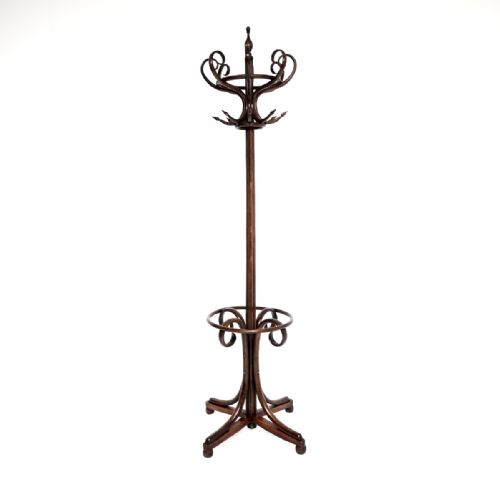
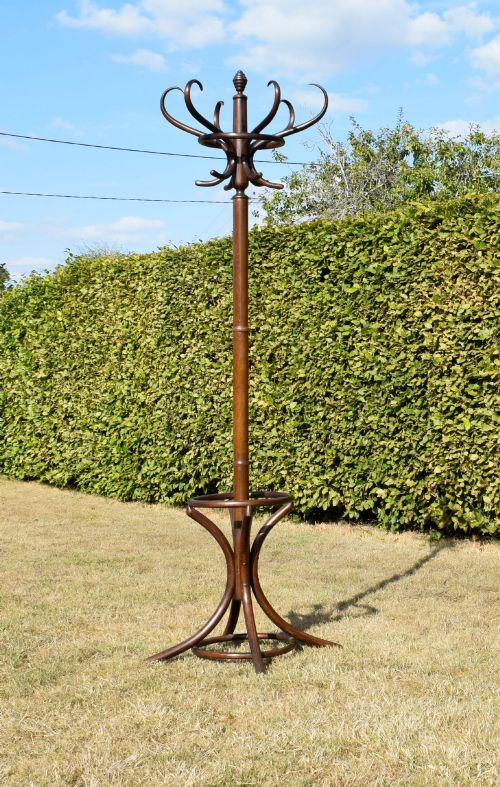
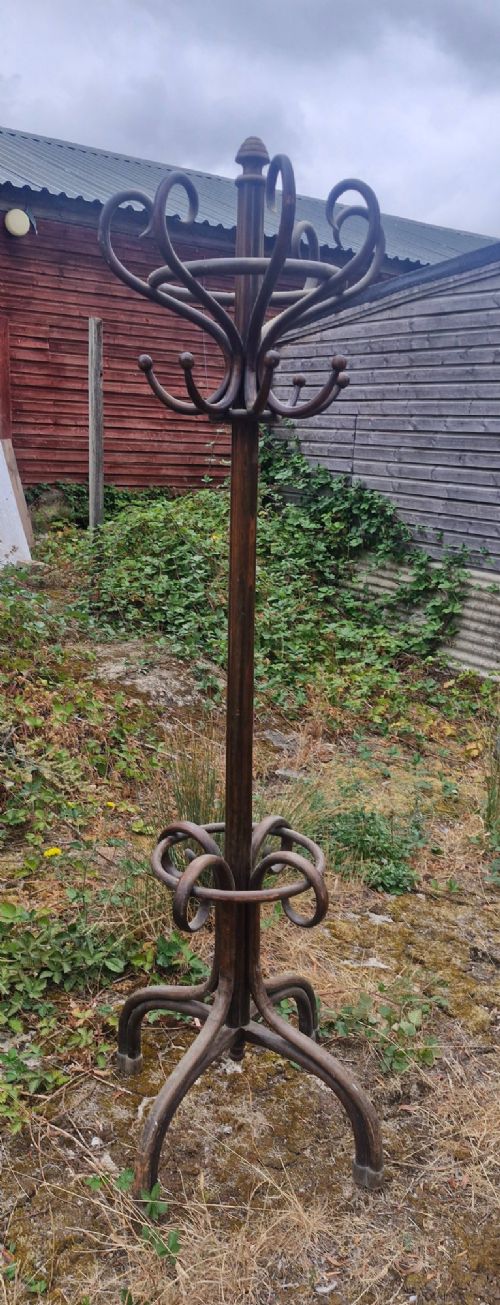
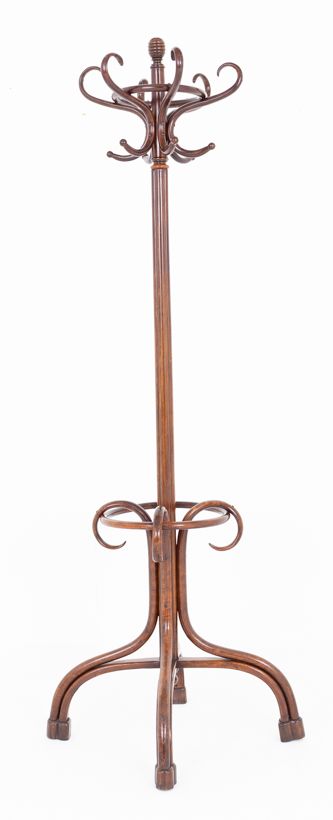
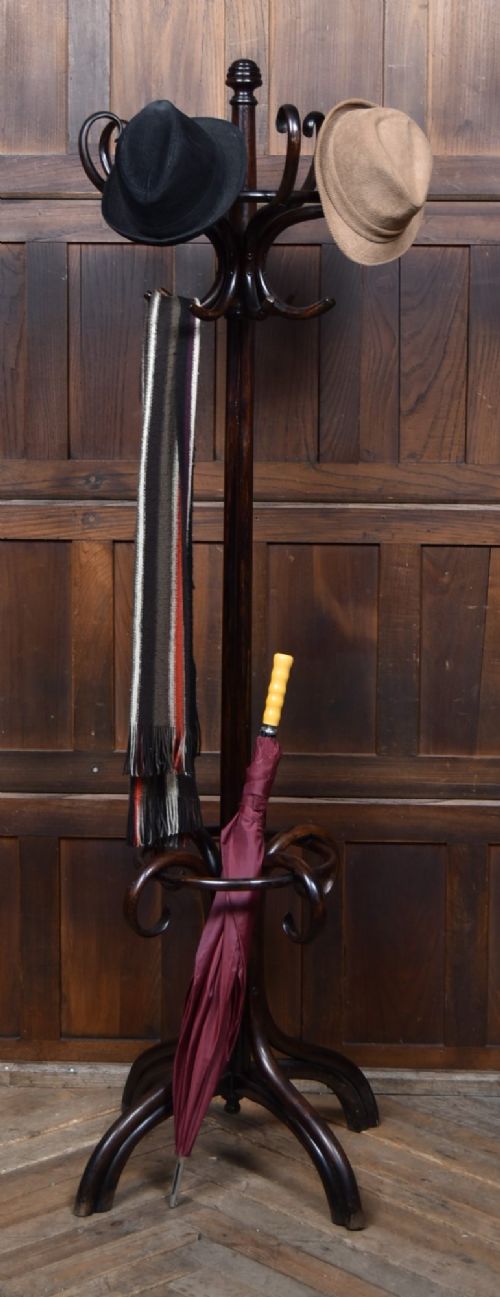
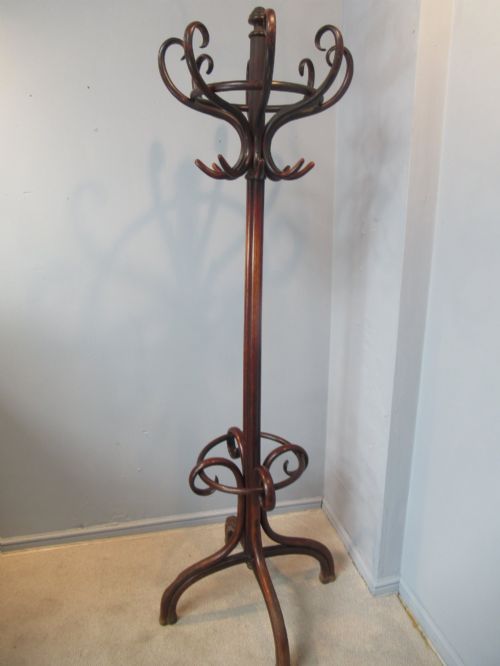
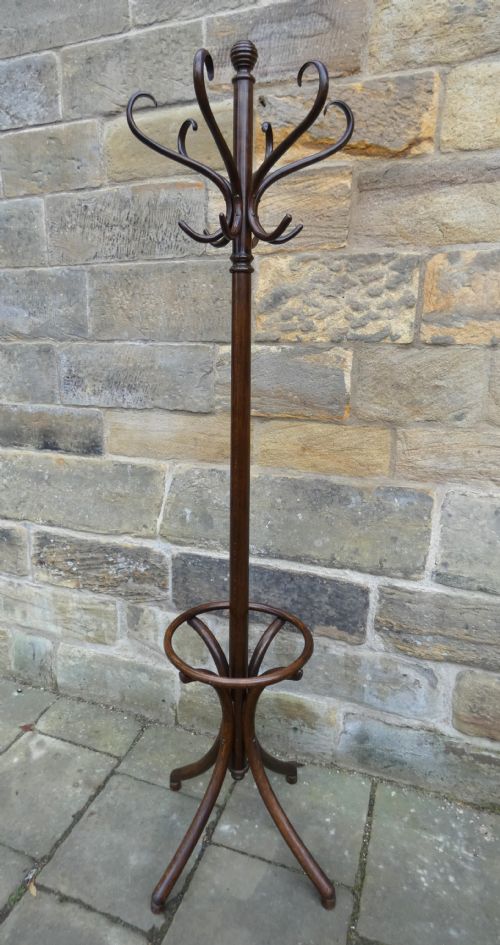
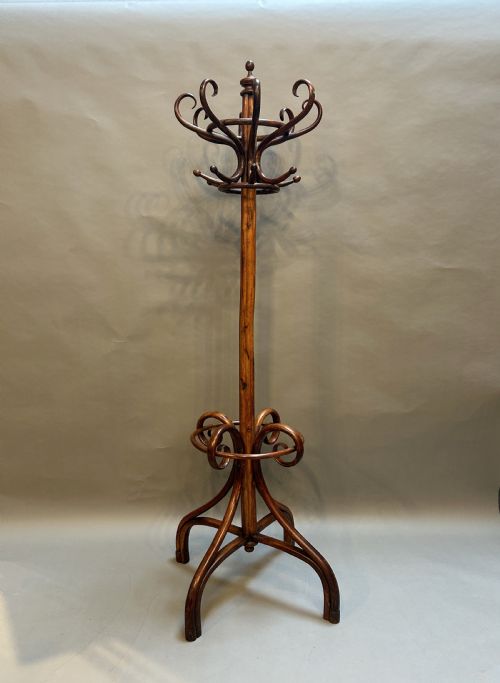
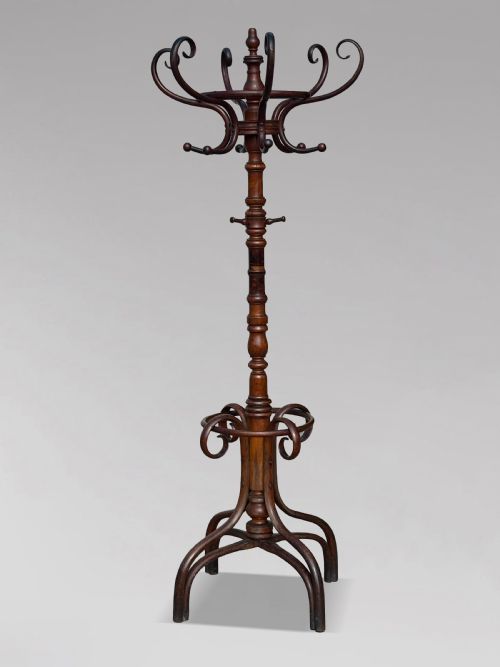
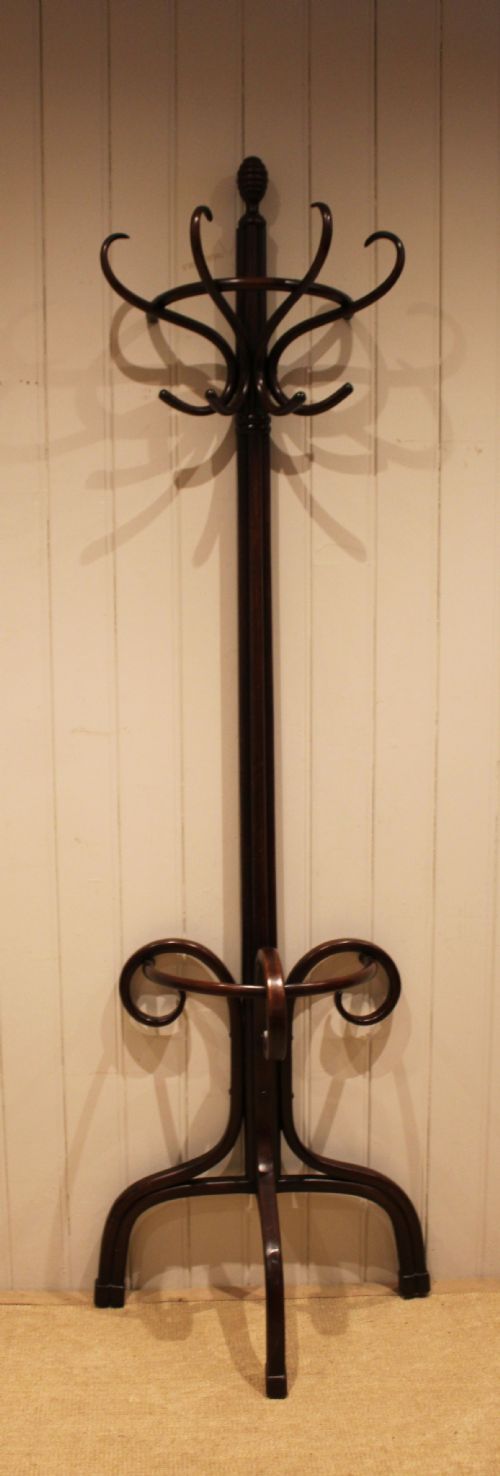
A victorian bentwood hall tree is a clever piece of steam-bent furniture designed to hold hats, coats and sticks in a narrow entrance hall.
Victorian Bentwood Hall Tree
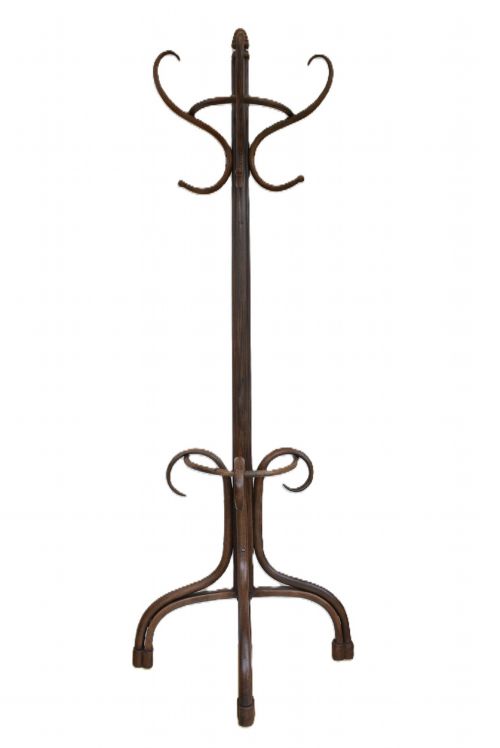
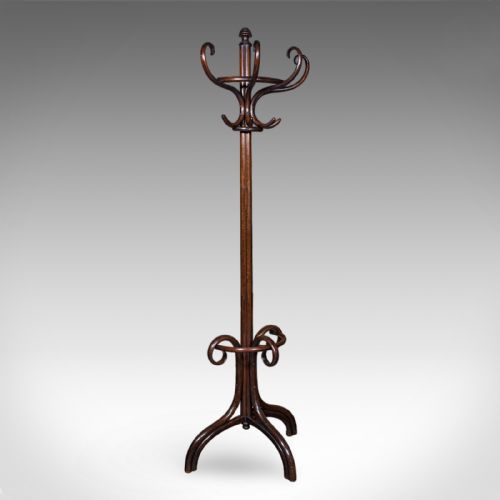
A victorian bentwood hall tree is an upright stand designed for hallways, serving to organise outerwear with minimal floor space. These pieces appear in forms such as coat stands, hat stands, and hall stands with coat racks.
The versions you meet on this page date from the Victorian period through to the Edwardian era, spanning the nineteenth and early twentieth centuries. Makers from Austrian and Viennese traditions shaped these tall frames for practical domestic use.
How they were made
Makers utilised beech, beechwood, and steamed beechwood, placing solid timber into steam chambers to soften the grain for bending. This technique allowed craftsmen to curve straight wood into the sweeping loops and scrolls characteristic of bentwood furniture.
Once bent and dried into shape, the timber received a wood stain to finish the surface before assembly with metal hardware. The integration of metal components provided structural rigidity to the tall vertical shafts and branching hooks.
The documented forms include half round hall stands, revolving stands, and variants with double tops.
What varies in quality
The distinction between standard examples and the finest pieces lies in the complexity of the bentwood curves and the presence of makers' labels. Elaborate configurations, such as revolving sections or double tops, indicate higher ambition in design and construction.
Subtleties in the depth of the wood stain and the crispness of the steam-bent scrolls separate ordinary production from superior workshop output. Well-preserved labels from prominent makers further distinguish exceptional specimens from anonymous workshop pieces.
Thonet·Fischel
The Victorian Bentwood Hall Tree Glossary
- Bentwood
- Wood that has been shaped by steam and pressure into curved forms. This method creates lightweight yet strong frames without traditional joinery.
- Thonet
- A pioneering furniture maker associated with steam-bent beechwood production. Their workshops defined the aesthetic of Viennese bentwood design.
- Steamed beechwood
- Beech timber treated with moisture and heat to achieve flexibility. It serves as the primary material for constructing curved furniture parts.
- Revolving hall stand
- A variant featuring a rotating upper section for easy access to hanging items. This mechanism allows users to reach garments from various angles in confined spaces.
Victorian Bentwood Hall Tree: Frequently Asked Questions
What is a bentwood hall tree?
A bentwood hall tree is a tall, vertical furniture piece designed to hold coats, hats, and sticks in an entrance hall. It relies on steam-bent wooden frames to provide sturdy hanging capacity while maintaining a slender footprint.
These pieces typically feature multiple tiers of curved hooks branching out near the top. Their open design keeps hallways tidy without blocking light or space.
How do I date a hall tree?
Dating a hall tree involves examining the construction methods, materials, and any paper labels or stamps remaining on the wood. Pieces from the nineteenth century often show distinct steam-bent profiles and darker wood stains characteristic of Victorian production.
Later examples extending into the Edwardian period and the early twentieth century may feature simpler lines or different hardware fixings. Comparing the overall design style to documented workshop catalogues helps narrow the decade of manufacture.
Where should I place it?
A bentwood hall tree suits narrow entrance halls, corridors, and vestibules where floor space is limited. Its vertical orientation allows you to store outerwear efficiently right by the front door.
Ensure the stand has adequate clearance around its base so coats do not crowd the walkway. Placing it on a flat, even floor ensures the tall upright frame remains stable.
How do I clean the wood?
Cleaning bentwood furniture requires a soft, dry cloth to remove dust from the curved surfaces and intricate joints. Avoiding harsh chemical sprays protects the historic wood stain and prevents moisture damage to the timber.
Occasionally, a slightly damp cloth followed immediately by a dry one helps lift stubborn grime. Maintaining consistent indoor humidity keeps the bent beechwood stable over time.