

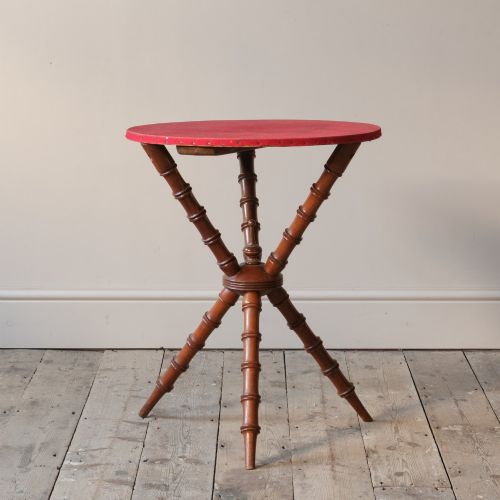
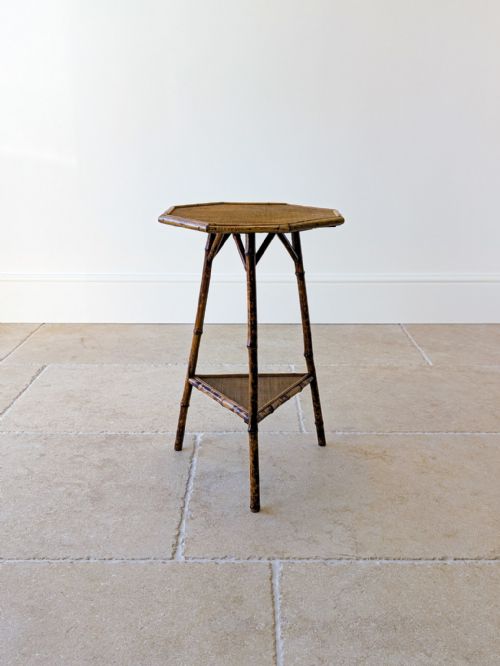
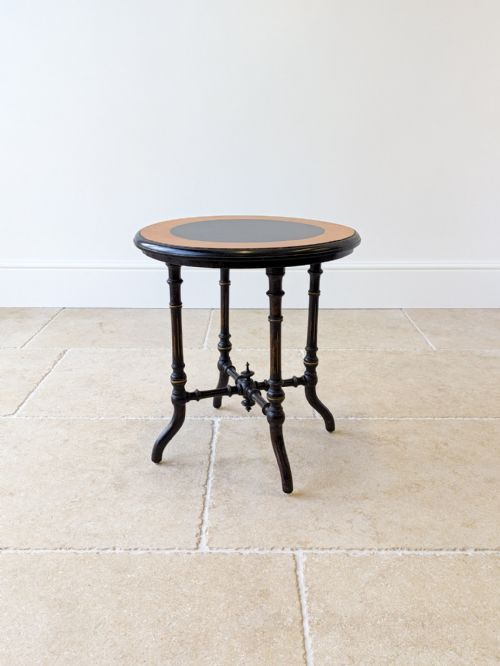
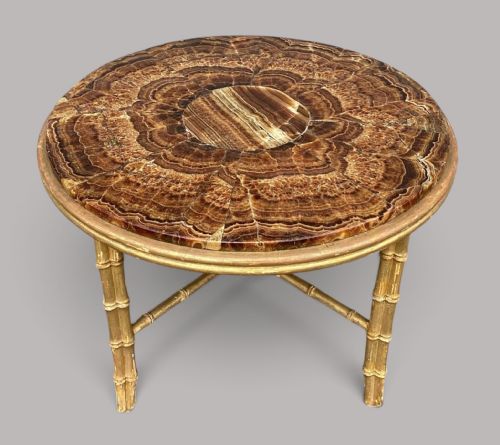




Victorian Bamboo Occasional Table
A victorian bamboo occasional table brings lightweight utility and exotic texture to a room, offering a versatile surface rooted in nineteenth-century taste.
Victorian Bamboo Occasional Table
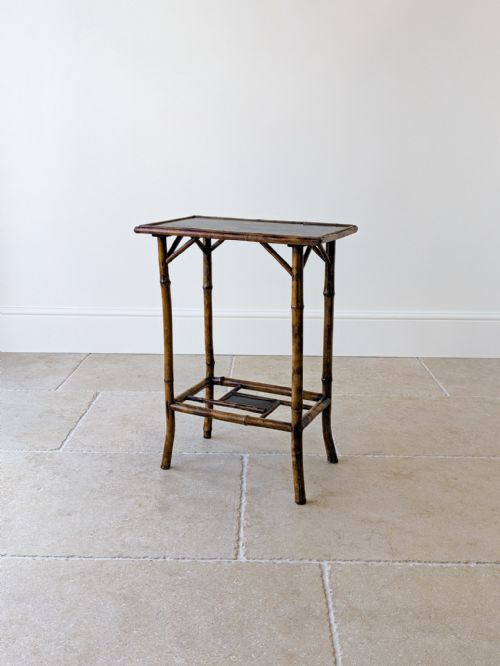
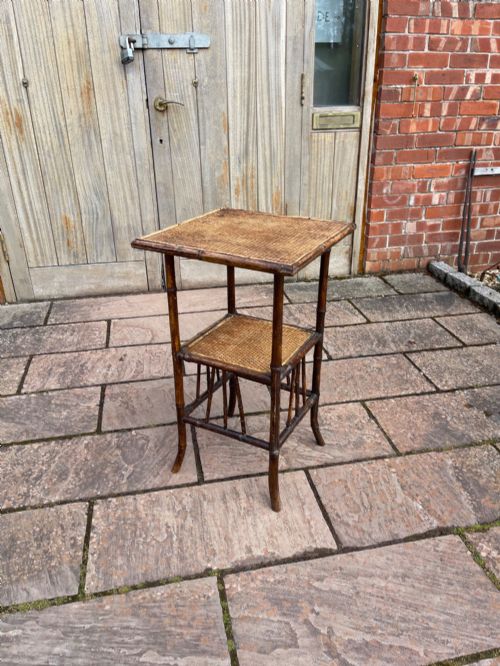
When searching for a victorian bamboo occasional table, buyers encounter portable, decorative furniture designed for multiple domestic uses during the late nineteenth century. These items appear most frequently as simple two-tier stands, side tables, and multi-shelf units intended for lamps, plants, and books.
Makers of the period produced these pieces to satisfy a widespread fascination with orientalism and the Aesthetic Movement. The core inventory leans heavily toward bamboo structures fitted with lacquered panels, rattan shelves, and painted surfaces.
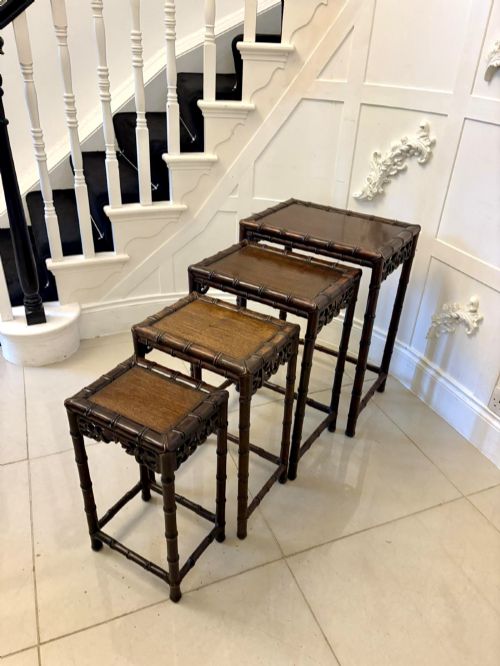
Beyond standard square and circular models, variants include sewing tables, card tables, and multi-tier stands that demonstrate the adaptability of the material. They function today as practical accents that introduce natural textures into traditional or contemporary interiors.
How they were made
The construction relies on natural bamboo canes joined with internal wooden dowels and metal fixings to provide a rigid skeletal frame. Artisans integrated secondary materials such as rattan for woven shelves, leather inserts for tabletops, and velvet for textile-trimmed surfaces.
Many examples incorporate hand-painted or lacquered panels reflecting Japanese and Chinese motifs, often finished with glossy varnishes. Some items utilise simulated or faux bamboo, turning solid woods like mahogany or satinwood into whimsical alternatives to actual cane.
Victorian Bamboo Occasional Table Retail Price Guide 2026
Typical asking prices for victorian bamboo occasional table among the pieces listed under this phrase on Sellingantiques today, from the lower quarter to the upper quarter. They describe what is for sale here now, not the wider market.
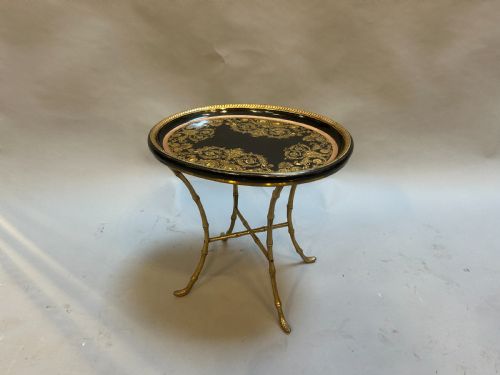
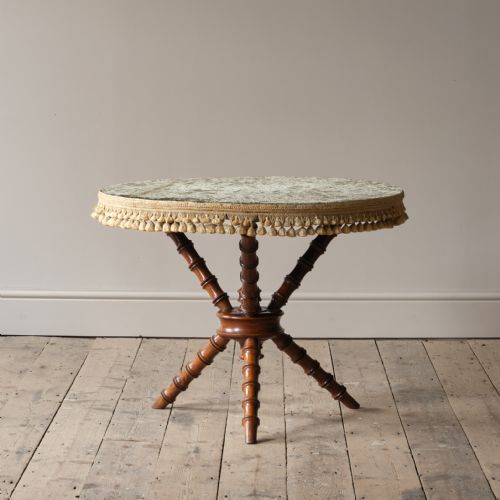
Listings demonstrate that Victorian makers combined natural bamboo with lacquered panels, rattan shelves, tiled tops, and velvet inserts.
What varies in quality
The distinction between ordinary and superior pieces rests largely on the complexity of the internal tiering and the execution of the surface decoration. Examples featuring hand-painted lacquer panels, multi-tier construction, or unusual configurations such as magazine racks command greater visual interest than plain single-surface tables.
The integrity of the structural joints and the retention of the original lacquer or painted finish dictate the overall standard of preservation. Pieces that combine tiger bamboo with intact woven rattan and specialised maker branding represent the higher tier of surviving output.
Liberty & Co.·John Taylor Edinburgh
The Victorian Bamboo Occasional Table Glossary
- Aesthetic Movement
- A late nineteenth-century design current that prioritised visual beauty over narrative or moral content, heavily influencing bamboo furniture production.
- Tiger bamboo
- A distinctive variety of cane featuring natural mottled markings that resemble animal stripes, highly prized by Victorian makers for decorative effect.
- Faux bamboo
- A technique where standard furniture woods are carved and painted to imitate the segmented appearance of natural cane.
- Lacquer
- A durable glossy finish applied to wood and bamboo surfaces, frequently decorated with oriental motifs during the Victorian era.
- Occasional table
- A light, portable small table intended for specific, intermittent household tasks rather than permanent placement.
Victorian Bamboo Occasional Table: Frequently Asked Questions
What is a victorian bamboo occasional table used for?
These tables served as portable surfaces for lamps, sewing supplies, books, and decorative objects in nineteenth-century drawing rooms.
Today, they function well as bedside stands, plant pedestals, or small coffee table alternatives in compact spaces.
How do I identify a Victorian bamboo table?
Look for construction traits typical of the nineteenth century, including pinned cane joints, split rattan shelves, and hand-painted lacquered panels.
Many pieces also exhibit Aesthetic Movement motifs or incorporate tiger bamboo varieties popular during the eighteen-eighties and nineties.
Are these tables sturdy enough for daily use?
Bamboo furniture is surprisingly resilient when kept in stable indoor environments away from excessive moisture and direct heat sources.
While lighter than solid mahogany or oak pieces, standard occasional tables easily support lamps, books, and everyday decorative items.
What is tiger bamboo?
Tiger bamboo refers to cane exhibiting natural dark brown mottling and patches against a lighter golden background, creating a striped pattern.
Victorian cabinetmakers selected these specific canes for high-end occasional tables and sewing stands to add dramatic visual texture.