
Victorian Aesthetic Mirror
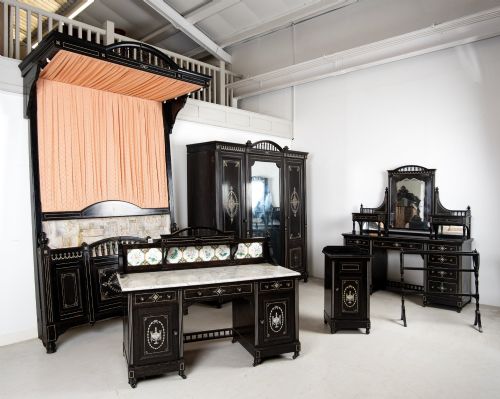
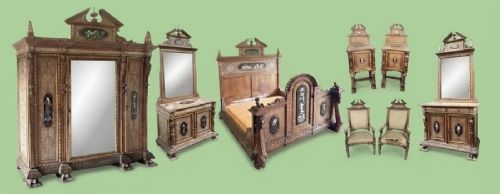
These pieces combine the dark ebonised woods and gilded highlights of the Victorian aesthetic mirror with the decorative ambitions of the late nineteenth century.
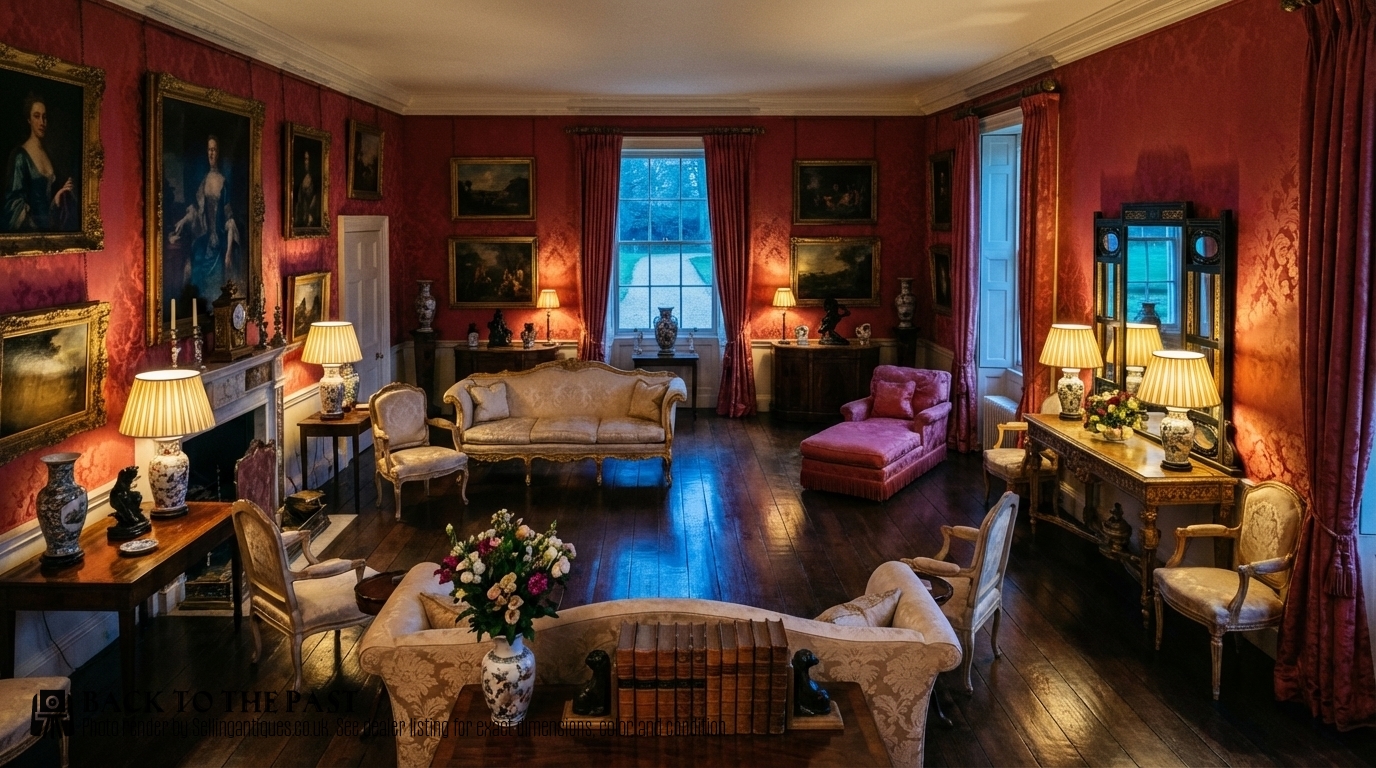
Victorian Aesthetic Mirror
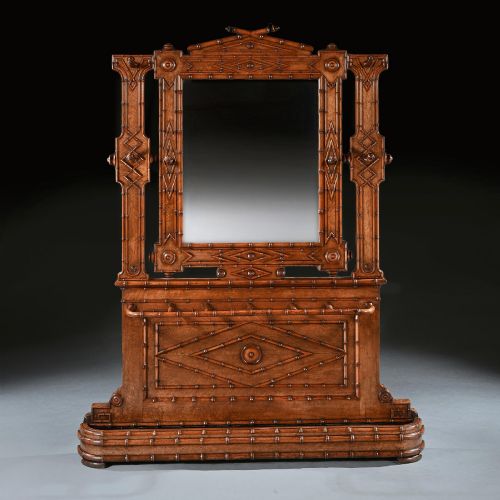
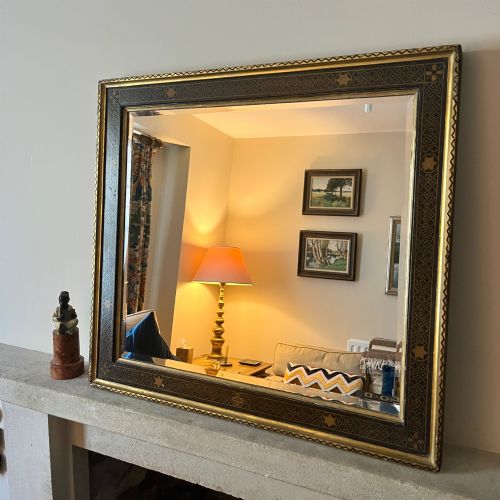
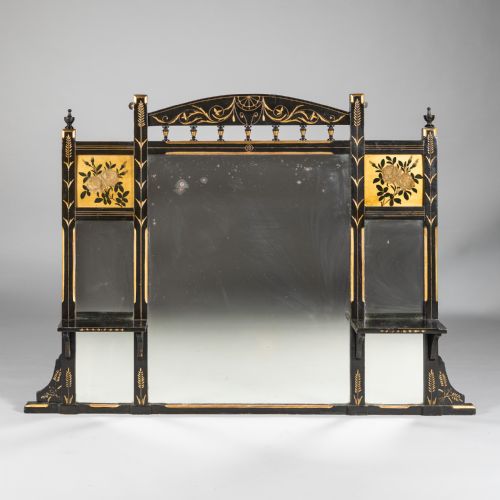
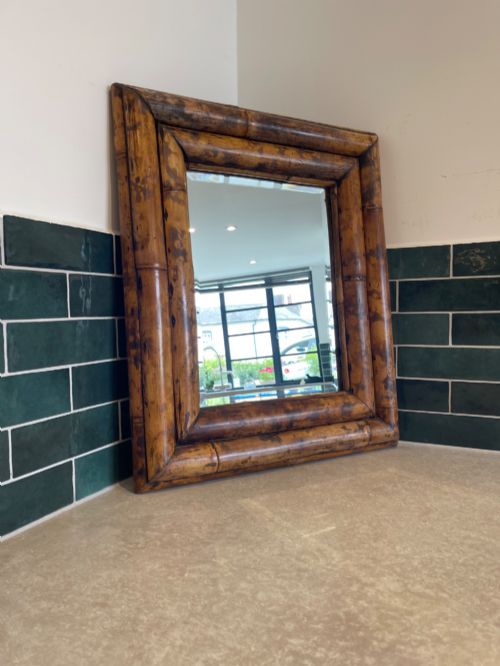
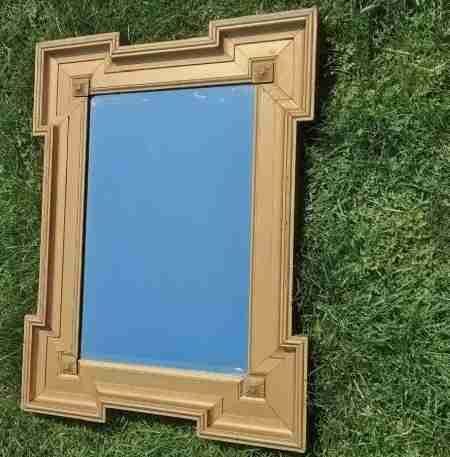
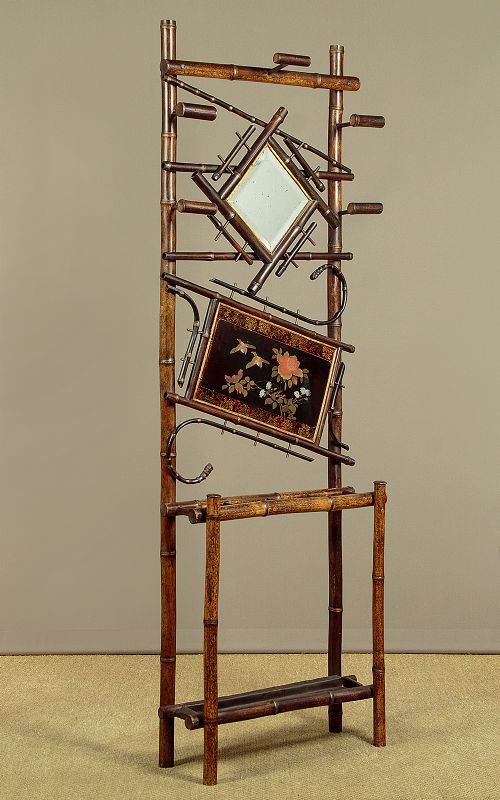
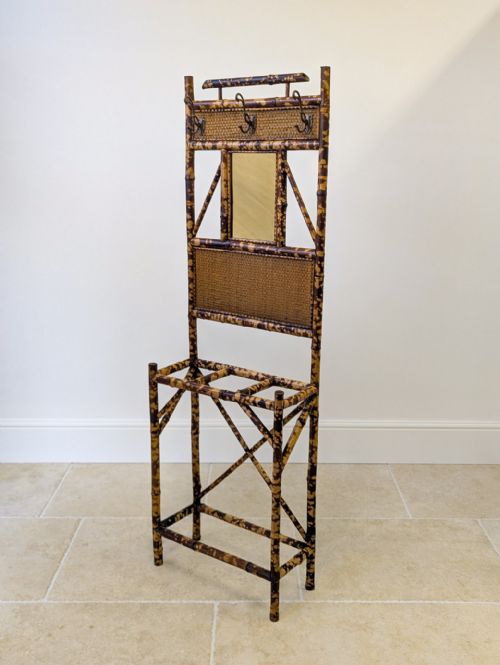
A victorian aesthetic mirror is typically encountered as a large overmantel glass or a smaller wall hanging, often framed in ebonised wood with parcel-gilt details or constructed from bamboo. These furnishings belong to the later nineteenth century, spanning periods from the eighteen seventies through to nineteen hundred, and reflect the design reforms of the Aesthetic Movement.
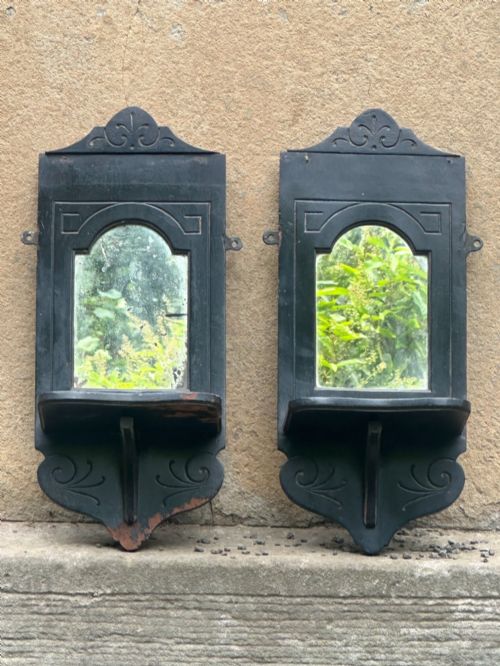
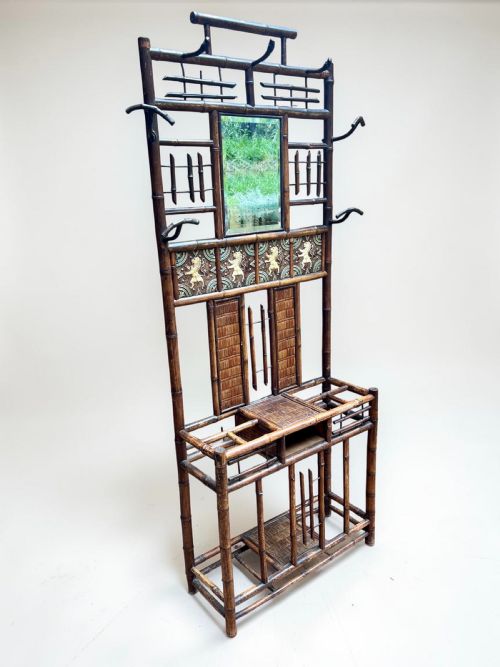
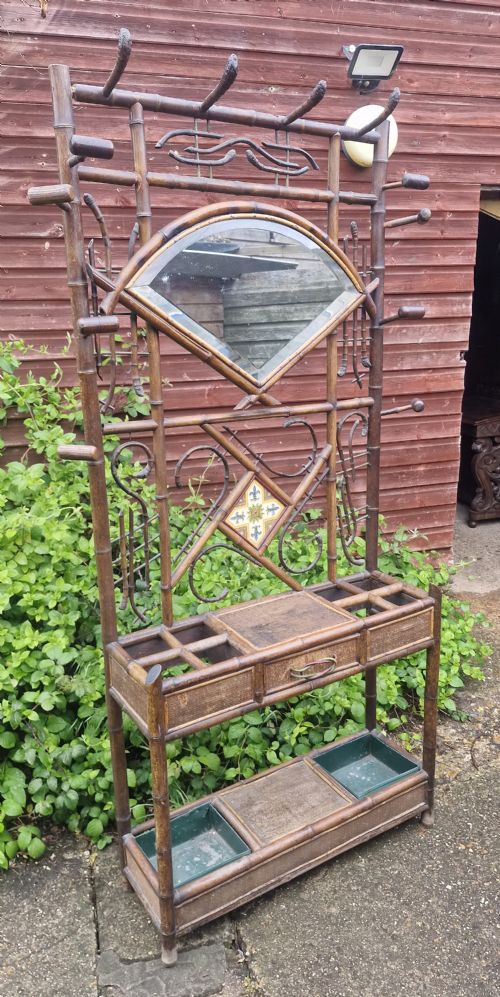
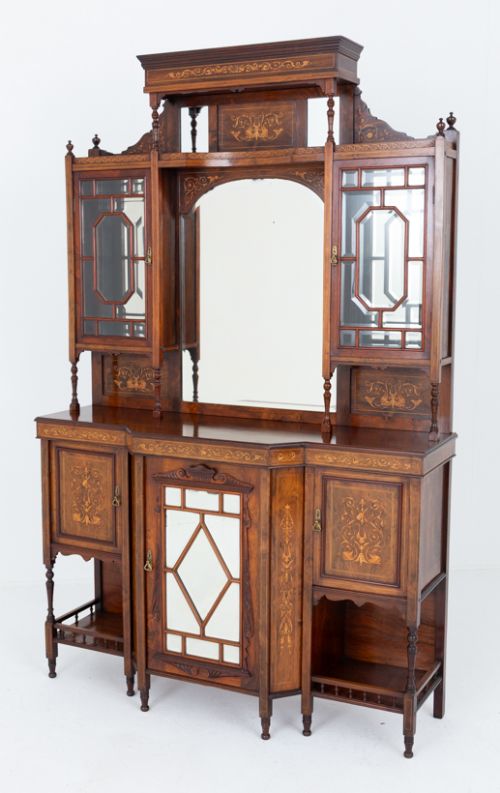
Beyond standalone looking glasses, the inventory includes related forms such as bamboo hall stands, rosewood side cabinets, and girandoles fitted with candle sconces. The visual language draws on Japanese art, Chinoiserie, and Victorian Gothic influences, resulting in frames that range from severe ebonised surfaces to richly painted and inlaid timber.
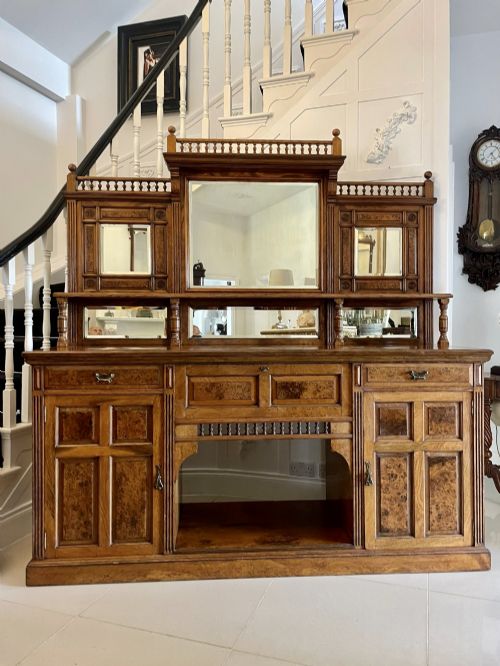
Overmantel mirrors dominate the selection, designed to sit above a fireplace with wide proportions, bevelled glass, and architectural cornices. Wall mirrors and smaller vanity pieces complete the category, offering distinct interpretations of period taste through materials like brass, copper, and burr yew.
How they were made
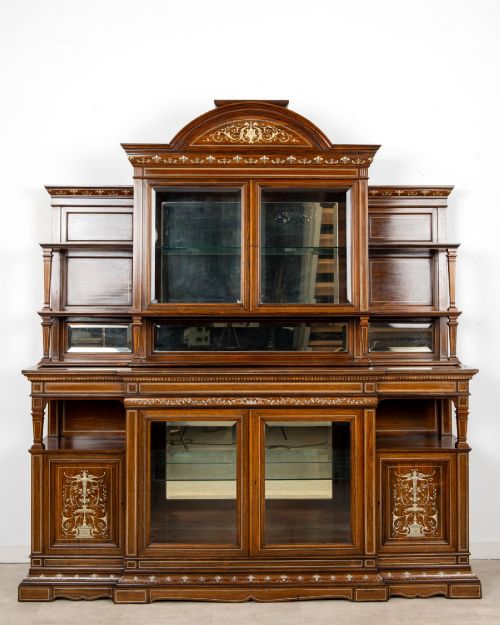
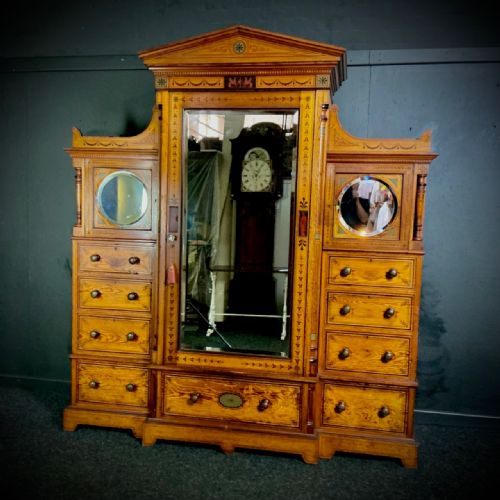
Makers utilised contrasting timbers, most notably ebonised wood paired with parcel-gilt accents, alongside exotic materials such as rosewood, walnut, satin birch, and bamboo. Surfaces were frequently decorated with marquetry inlays, hand-painting, or copper and brass fittings.
Glass production in this era involved bevelling the edges of heavy mirror plates to catch the light, set securely within tenoned or pinned wooden frames. Structural elements on larger cabinets and overmantels relied on traditional joinery combined with applied mouldings and gilded highlights.
Current listings feature frames in rosewood, walnut, ebonised wood, and bamboo, spanning the Victorian and Edwardian eras.
What varies in quality
The standard of execution is evident in the crispness of the gilt work, the depth of the ebonised finish, and the complexity of any inlaid marquetry or painted decoration. Superior examples demonstrate careful timber selection, such as pollard oak, burr yew, or bird's-eye maple, rather than simpler painted deal.
Proportion and architectural presence separate ordinary wall glasses from exceptional overmantel mirrors. The integration of secondary elements like candle sconces, copper panels, or intact bevelled mirror glass elevates the overall balance of the piece.
Collinson & Lock·Waring & Gillows·Garnett & Sons·Maple & Co.
The Victorian Aesthetic Mirror Glossary
- Ebonised Wood
- Timber treated with a dark stain or finish to imitate ebony. This dark surface provided a stark background for gilt highlights and Japanese-inspired motifs.
- Overmantel Mirror
- A large looking glass designed to be hung or placed directly on the mantelpiece above a fireplace. These often feature wide horizontal proportions and architectural frames.
- Girandole
- A decorative wall-mounted mirror fitted with candle branches or sconces. The reflective glass amplified the candlelight in nineteenth-century interiors.
- Aesthetic Movement
- A late nineteenth-century design reform that prioritized visual beauty over moral or narrative purpose. It drew heavily on Japanese art and asymmetrical composition.
- Parcel-Gilt
- Partially gilded woodwork where gold leaf is applied only to raised carved details, mouldings, or specific decorative accents against a contrasting dark ground.
Victorian Aesthetic Mirror: Frequently Asked Questions
What is a victorian aesthetic mirror?
A victorian aesthetic mirror is a looking glass produced during the late nineteenth century under the influence of the Aesthetic Movement. These pieces often feature ebonised frames with gilt highlights, bamboo construction, or intricate marquetry.
They were designed to bring artistic refinement into domestic interiors, moving away from heavy classical revival styles toward simpler, globally inspired forms.
How do I hang a heavy overmantel mirror?
Due to their substantial weight and wide wooden frames, large overmantel mirrors require secure wall fixings into masonry or structural studs. Many period examples were originally designed to rest on a mantelpiece while being anchored to the wall for stability.
Professional mirror hangers typically use heavy-duty brackets or battens distributed evenly across the frame to support the load safely.
Where were these mirrors placed in homes?
These mirrors were most commonly positioned above living room fireplaces as overmantels to reflect light and anchor the room's decorative scheme. Smaller versions and bamboo variants were also used in reception hallways, bedrooms, and dressing rooms.
Pairs of girandoles were frequently mounted on flanking walls to hold candles and illuminate dark Victorian corridors.
How do I care for ebonised wood?
Ebonised wood surfaces should be dusted gently with a dry, soft microfibre cloth to prevent the accumulation of abrasive particles. Avoid using standard liquid furniture polishes or abrasive cleaners, which can dull the dark finish or damage any underlying gilt highlights.
Keeping the piece away from direct sunlight and fluctuating humidity will protect both the wooden frame and the original mirror glass.