

Victorian Accent Furniture
Victorian accent furniture gathers side tables, occasional chairs, and display shelves made across the nineteenth century to bring character into a room.
Victorian Accent Furniture
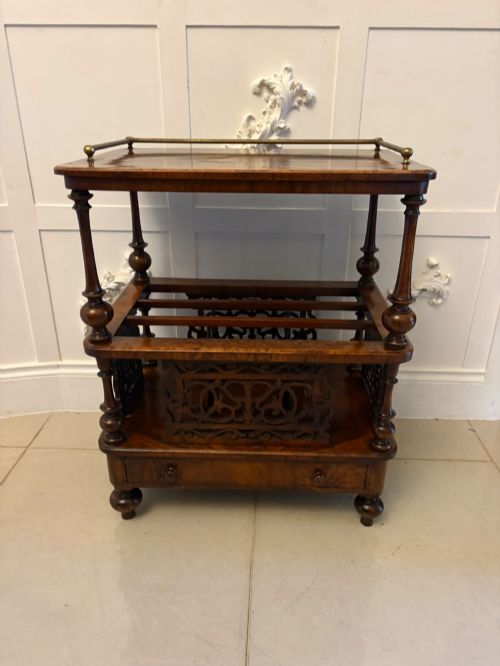
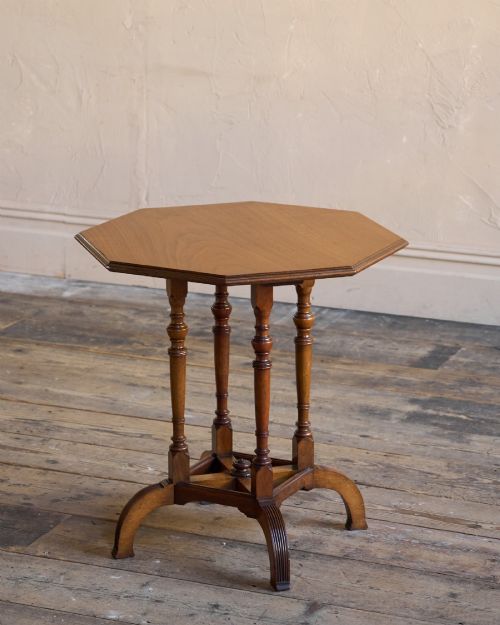
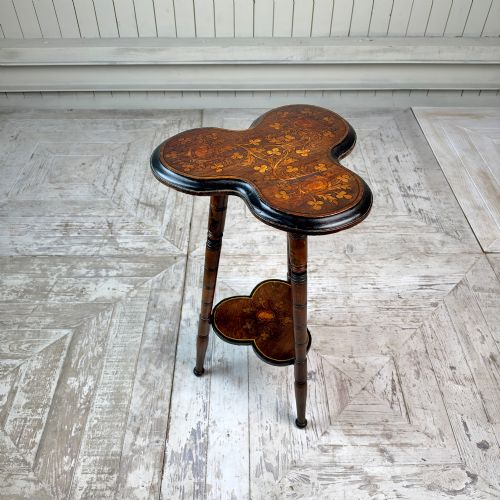
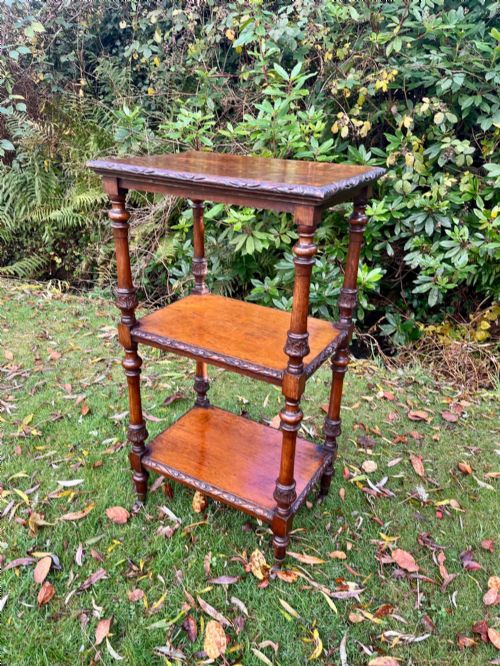
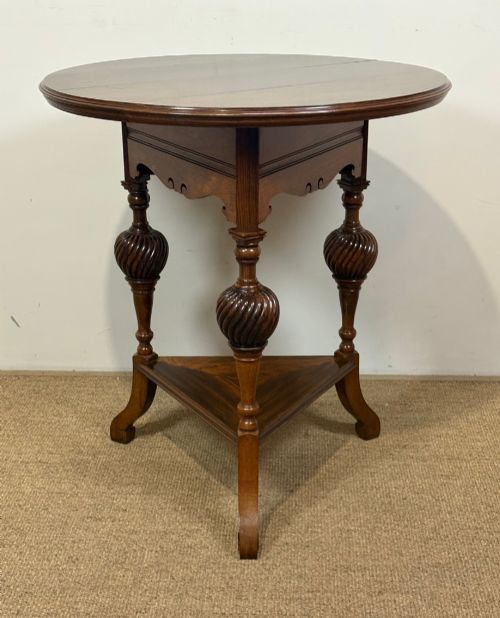
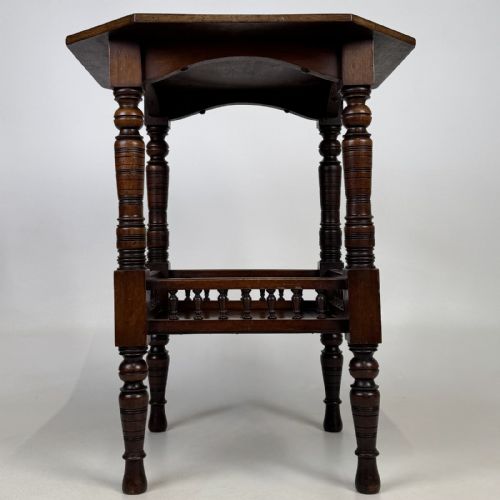
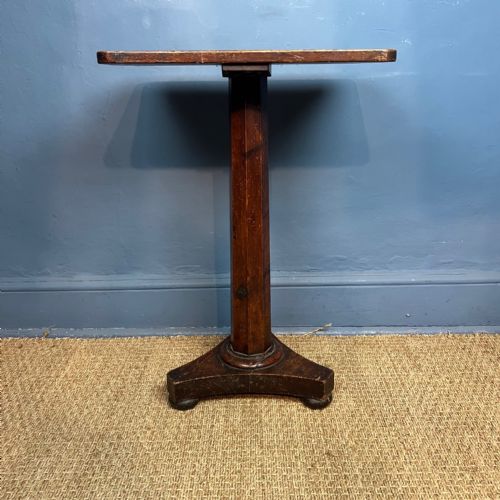
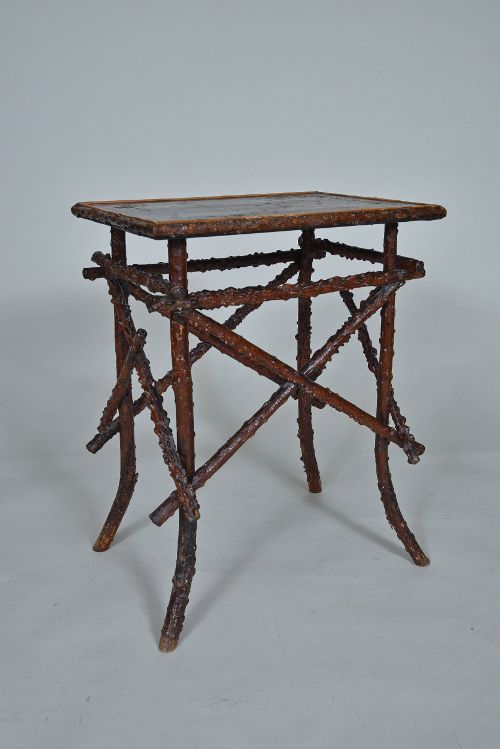
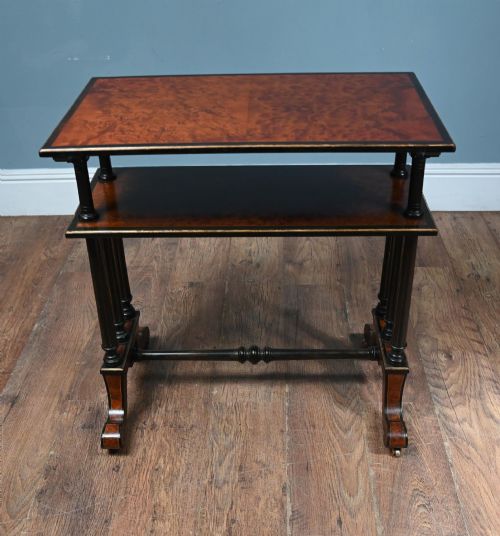
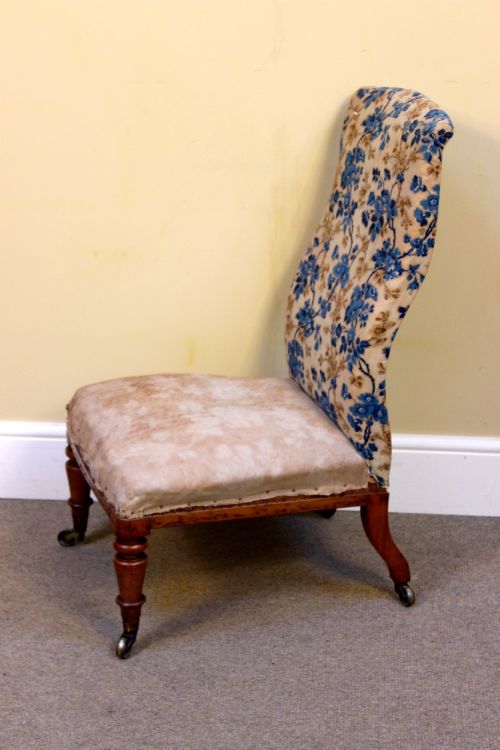
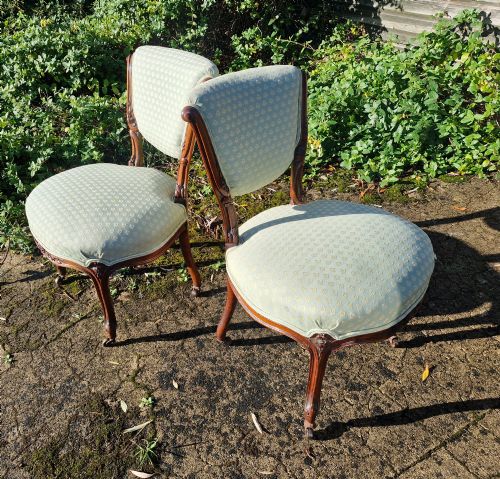
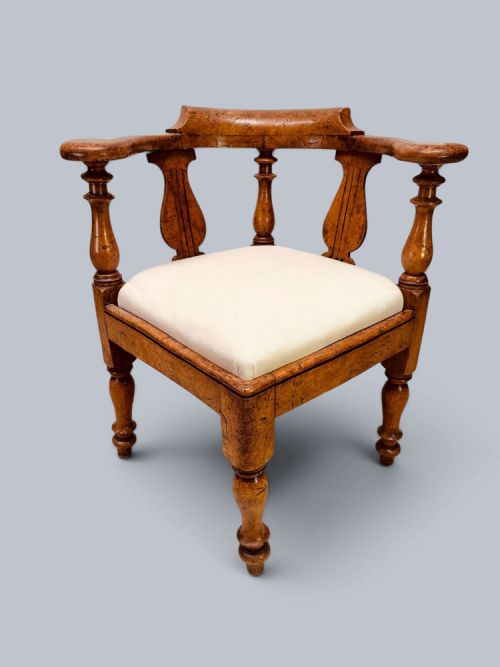
Victorian accent furniture encompasses smaller movable pieces such as side tables, occasional tables, side chairs, and étagères designed to complement larger furnishings. When exploring Victorian accent furniture, buyers encounter items produced between the mid-nineteenth century and 1900, spanning standard domestic forms alongside regional British interpretations.
The selection ranges from walnut lamp tables and mahogany side tables to ebonised salon chairs and bamboo occasional tables. Exotic influences appear frequently through Anglo-Indian, Burmese, Syrian, and Chinoiserie designs incorporating intricate carving or bone inlay.
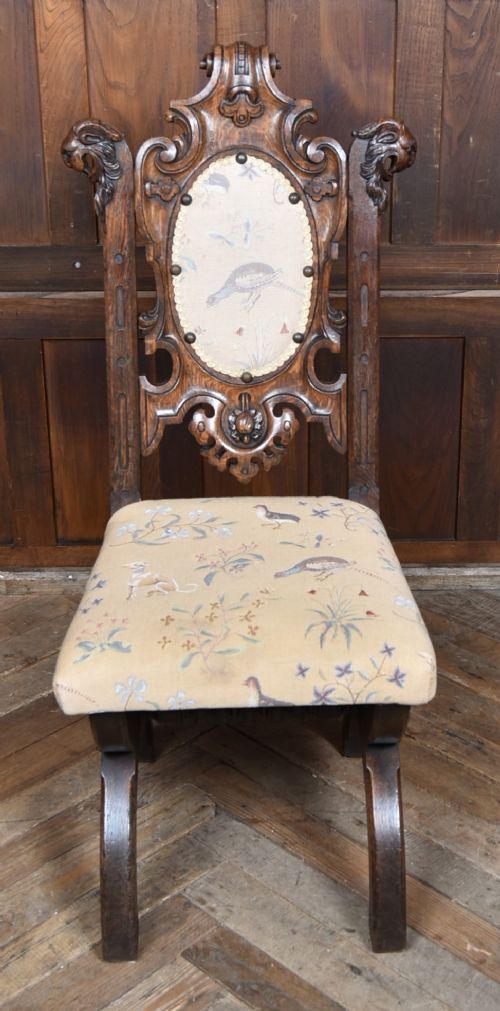
Seating forms include low back Windsor armchairs, cane-seated campaign chairs, and Greek Revival mahogany frames. Smaller display pieces and side tables dominate the selection, offering functional surfaces and decorative focal points for contemporary interiors.
How They Were Made
Carpenters and cabinetmakers utilised native timbers like oak, mahogany, walnut, and pine alongside exotic woods including padauk, rosewood, teak, and satinwood. Many pieces integrated contrasting materials such as brass fittings, marble tops, mother of pearl inlay, and painted or ebonised surfaces.
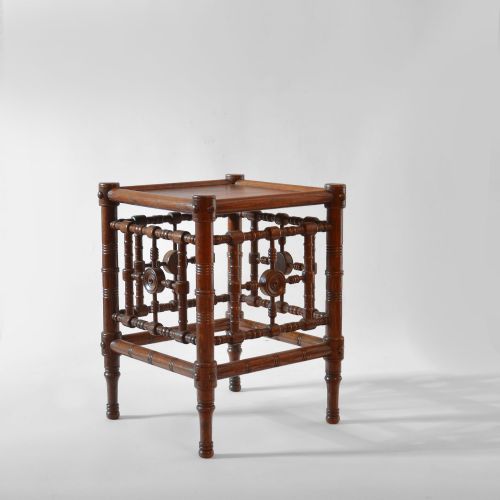
Construction techniques combined traditional joinery with decorative surface work such as marquetry inlay, chip-carving, and bamboo framing. Specialised workshops employed turning, lacquer work, and bone decoration to achieve distinct regional and aesthetic styles.
Makers utilised structural turning, bobbin moulding, and jointed framing to build durable accent pieces. Surface decoration relied on meticulous hand-carving, especially seen in Burmese and Anglo-Indian tables and chairs.
Victorian Accent Furniture Retail Price Guide 2026
Typical asking prices for victorian accent furniture among the pieces listed under this phrase on Sellingantiques today, from the lower quarter to the upper quarter. They describe what is for sale here now, not the wider market.
Miniature bamboo cupboards from the late nineteenth century offer storage on a delightfully diminutive scale.
What Varies in Quality
Quality rests in the precision of the joinery and the integrity of the materials employed, distinguishing standard production items from master cabinet work. Burr walnut veneers, finely matched marquetry, and crisp hand-carving elevate specific tables and chairs above utilitarian examples.
The sophistication of decorative details dictates distinction within the range, from simple turned legs to intricate bone inlay and mother of pearl work. Pieces bearing documented workshop attributions or specific design influences demonstrate superior conceptual execution.
Structural stability depends on the original timber selection and assembly methods, where tightly fitted joints and uncompromised frames separate high-grade reception seating and side tables from basic utility items.
James Shoolbred·Hindley and Sons
The Victorian Accent Furniture Glossary
- Etagere
- A piece of furniture consisting of a set of open shelves for displaying small objects. These tiers provide vertical display space in smaller rooms.
- Marquetry
- Decorative inlay work where pieces of wood veneer are fitted into a ground to form geometric or pictorial designs. This technique frequently embellishes walnut tabletops.
- Ebonised
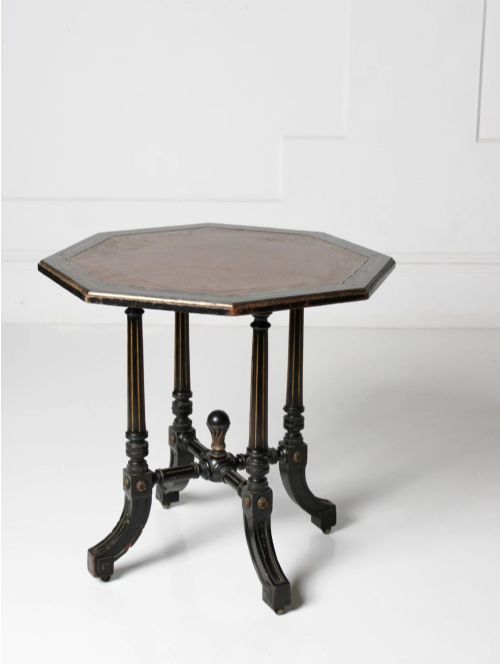
- Wood treated with a dark finish to imitate expensive ebony. This treatment defined many Aesthetic Movement chairs and tables.
- Sutherland table
- A narrow drop-leaf table with hinged flaps that drop down nearly vertically. The design allows the table to fold flat when not in use.
- Gipsy table
- A small, lightweight occasional table typically featuring three spindly wooden or bamboo legs. They gained popularity during the late nineteenth century.
Victorian Accent Furniture: Frequently Asked Questions
What defines Victorian accent furniture?
Victorian accent furniture comprises smaller movable pieces produced during the nineteenth century, including side tables, occasional chairs, and display shelves.
These items were designed to supplement primary room furnishings while adding decorative flair through varied materials and global design influences.
How were occasional tables used?
Occasional tables served multiple domestic functions, acting as lamp stands, tea tables, or display surfaces in parlours and reception rooms.
Their mobility allowed owners to reposition them easily according to daily social requirements.
How do I identify Aesthetic Movement pieces?
Aesthetic Movement pieces often feature ebonised wood, bamboo frames, and clean structural lines influenced by Japanese design principles.
They reject heavy Victorian ornamentation in favour of simplicity and artistic arrangement.
Where were inlaid tables made?
Inlaid tables originated from diverse workshops across Britain, Europe, and international regions including Burma, India, and Syria.
Local artisans utilised indigenous woods and traditional crafting techniques to supply export markets with distinctive decorative furnishings.