



Vernacular Wooden Table
A vernacular wooden table is a piece shaped by utility and local tradition, offering honest construction and centuries of character for daily use.
Vernacular Wooden Table
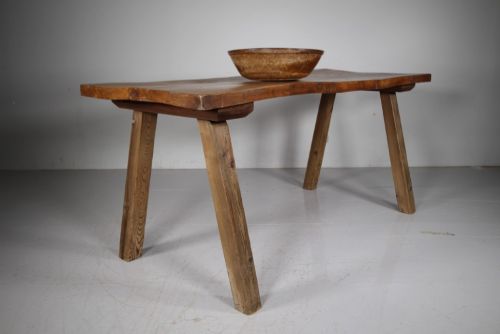
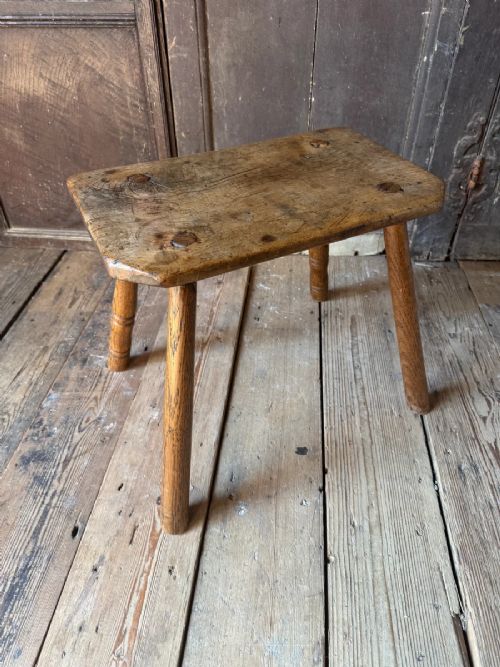
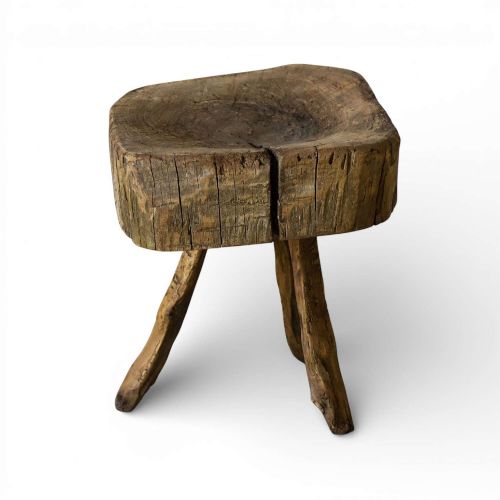
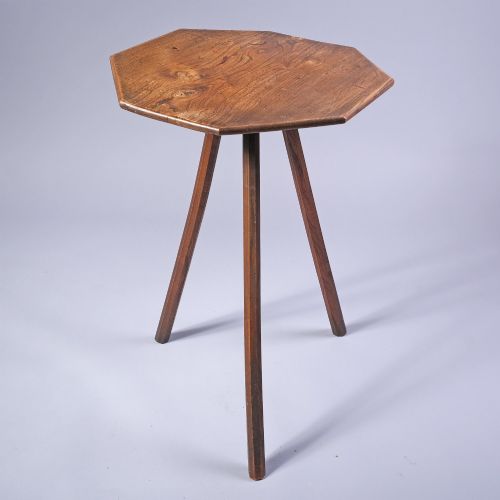
A vernacular wooden table embodies the straightforward craftsmanship of regional makers who built for domestic work rather than polite salon display. When searching for a vernacular wooden table, you encounter robust forms originating from the eighteenth and nineteenth centuries, spanning Georgian periods and rural traditions.
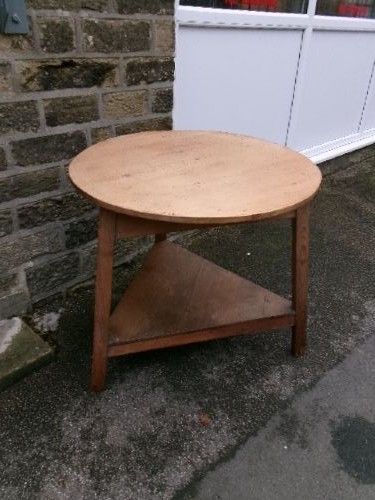
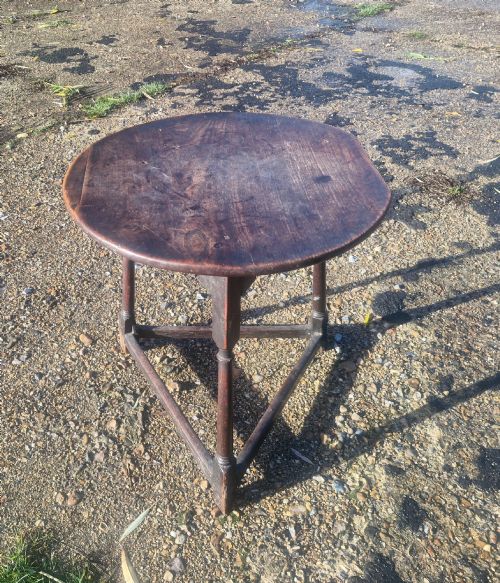
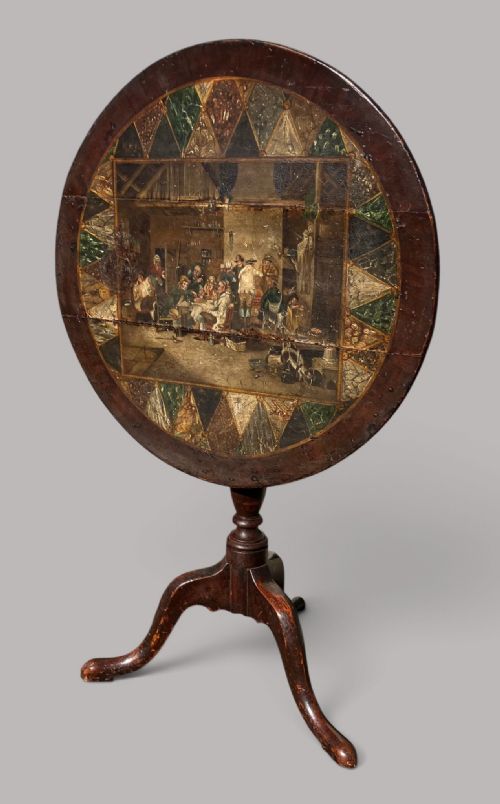
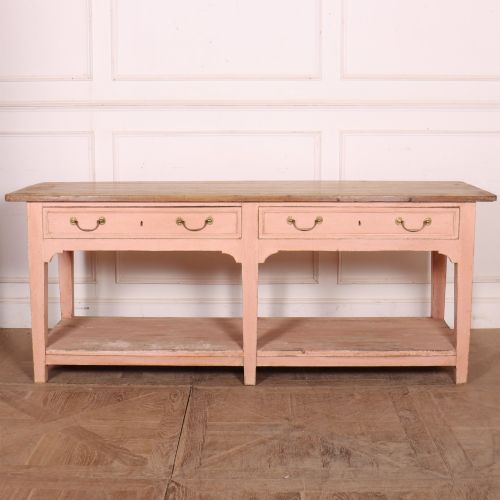
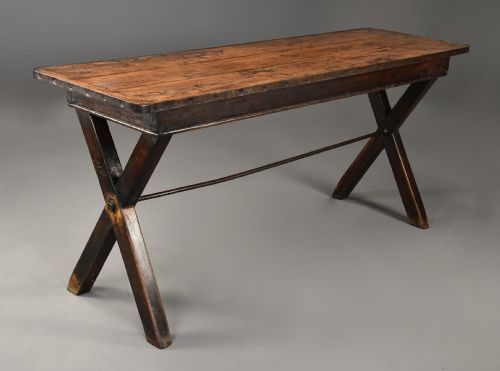
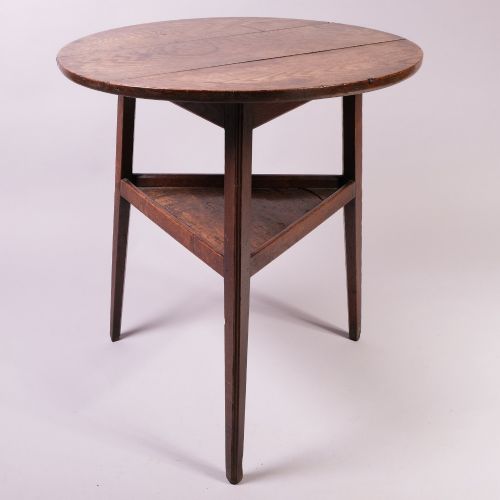
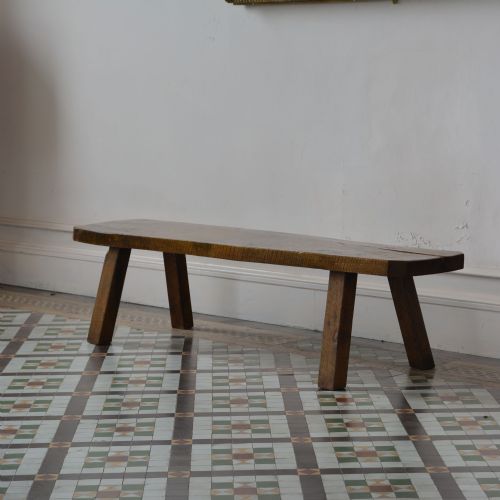
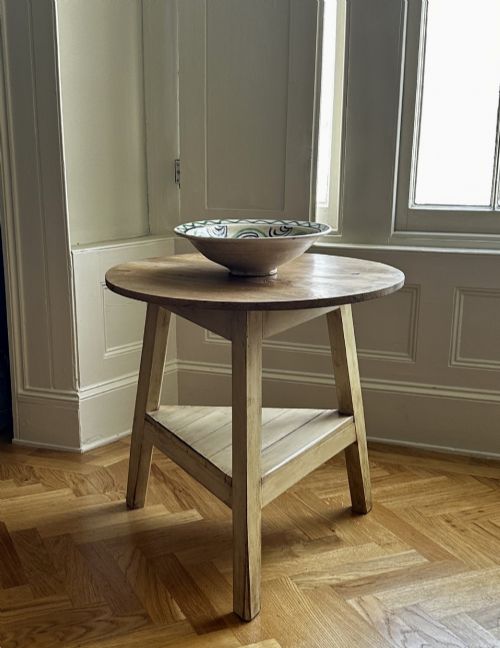
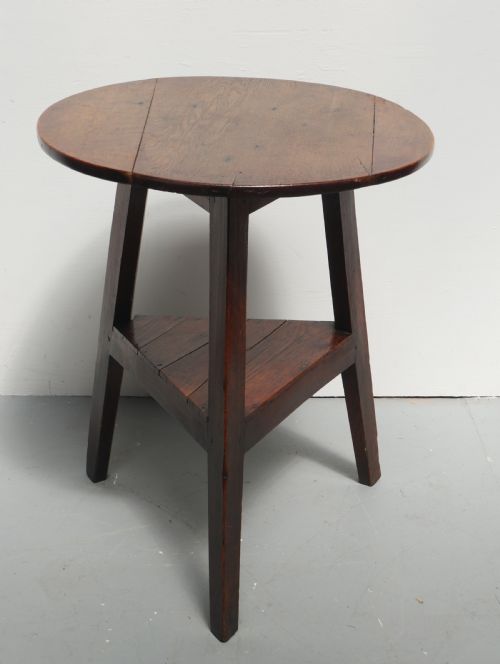
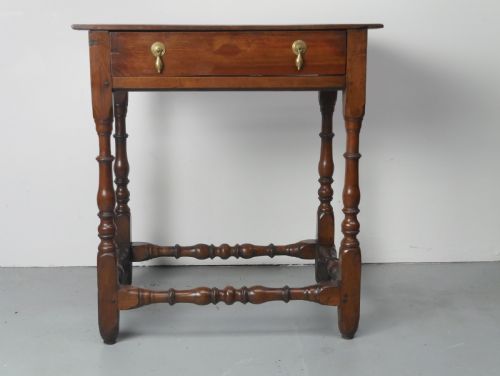
The most common examples on this page are cricket tables, farmhouse dining tables, and tavern tables. These pieces often feature three or four legs, plain tops, and timber chosen for immediate local availability rather than exotic luxury.
Origins stretch across English, Welsh, Scottish, French, and Swedish workshops, alongside items described through rustic styles like Jacobean Revival. Each piece reflects the specific demands of farmhouses, kitchens, and country dwellings where durability mattered above all else.
Assessing Quality and Character
Quality in these pieces rests in the integrity of the timber and the honesty of the wear. Superior examples show deep, untouched patinas accumulated through generations of daily use, where the grain has softened without losing structural strength.
Proportion and footings dictate the balance of the piece, distinguishing work built with a strong regional eye from more hurried utilitarian items. Original legs, uncompromised joints, and surface textures that tell a clear history separate the finest specimens from lesser examples.
Vernacular Wooden Table Retail Price Guide 2026
Typical asking prices for vernacular wooden table among the pieces listed under this phrase on Sellingantiques today, from the lower quarter to the upper quarter. They describe what is for sale here now, not the wider market.
The Vernacular Wooden Table Glossary
- Cricket table
- A small, usually three-legged table with a round top, traditionally used beside a hearth or for domestic tasks. The tripod design ensured stability on uneven flagstone floors.
- Refectory table
- A long dining table designed for communal meals in monastic or large domestic halls. These versions utilise sturdy timber planks and trestle supports.
- Tavern table
- A heavy-duty table built for public houses and inns, designed to withstand rigorous daily service. They often feature robust underframing or X-leg supports.
- Patina
- The lustrous surface sheen developed over decades or centuries through handling, waxing, and ageing. A good patina indicates genuine historic use rather than artificial distress.
- Joint stool
- A low wooden stool constructed with mortise and tenon joints pegged together. They served as flexible seating or surfaces before chairs became common.
Vernacular Wooden Table: Frequently Asked Questions
What is a vernacular table?
A vernacular table is an everyday piece built by local carpenters using regional materials to meet specific domestic needs.
These items bypass formal academic styles in favour of practical forms designed for kitchens, farmhouses, and workshops.
How do I date an old wooden table?
Dating relies on examining tool marks, timber selection, fastener types, and the natural wear of the wood over time.
Construction methods like hand-pegged joints and original saw marks help place pieces within specific centuries.
Are these tables suitable for daily use?
Most of these tables were originally built for heavy daily labour, making them remarkably robust for modern living.
Their solid timber construction handles regular use well, provided they are treated with sensible care regarding moisture and heat.
What woods were commonly used?
Makers utilised whatever timber grew locally in abundance, predominantly oak, pine, elm, ash, and fruitwoods.
Different regions favoured specific woods depending on local forests, yielding distinct weights and surface textures.