
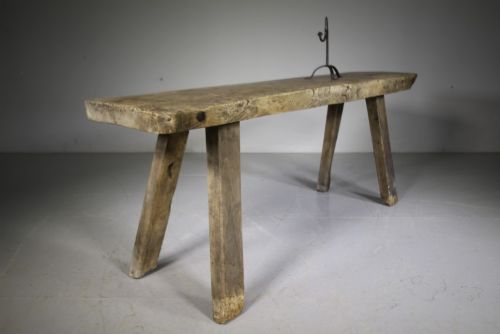
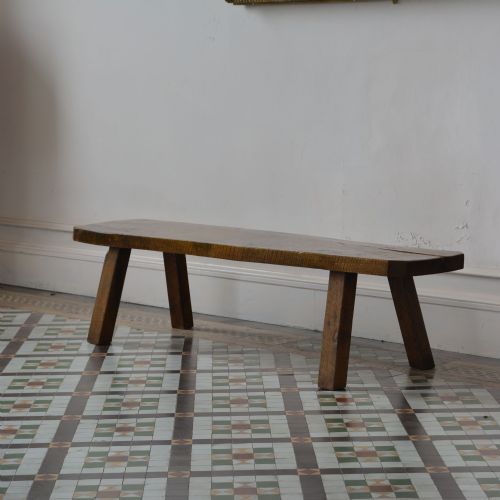
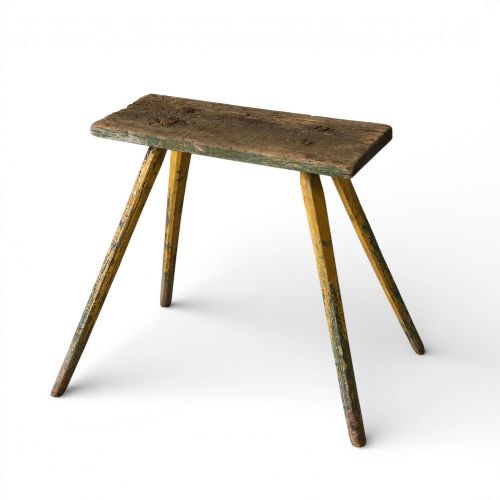

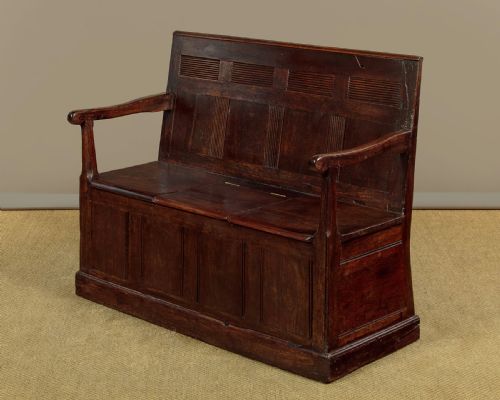


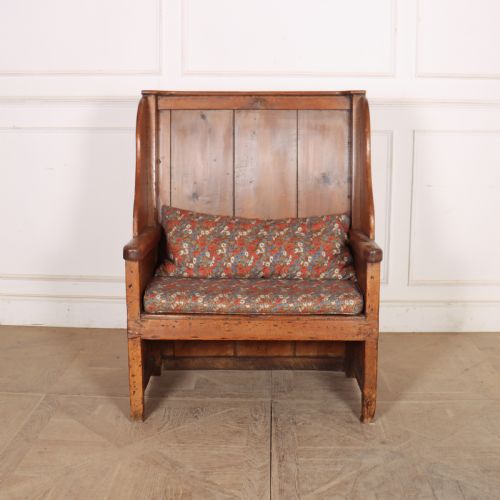

Vernacular Wooden Bench
A vernacular wooden bench brings honest, unpretentious history into a room through simple utility and characterful timber.
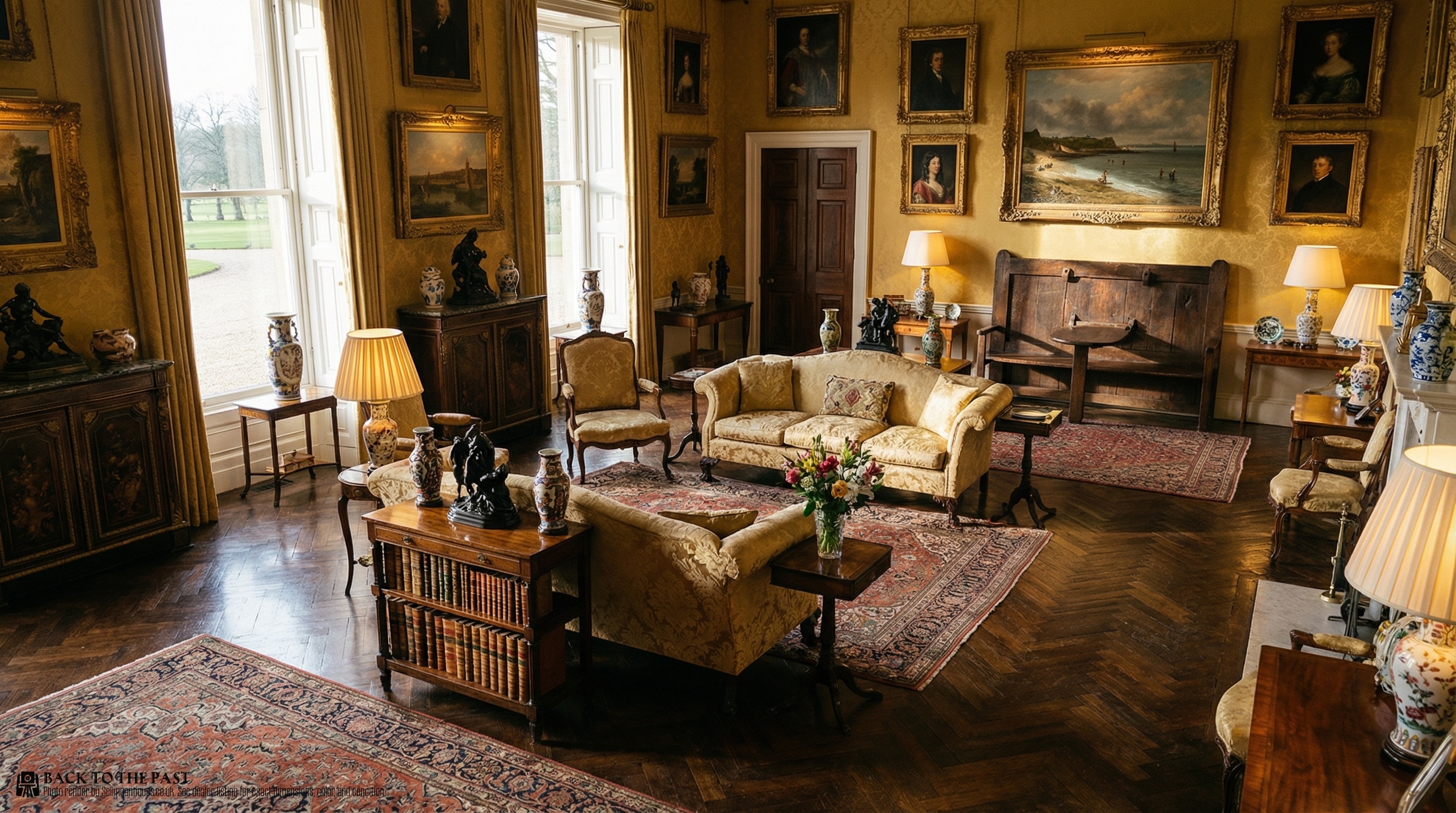
Vernacular Wooden Bench
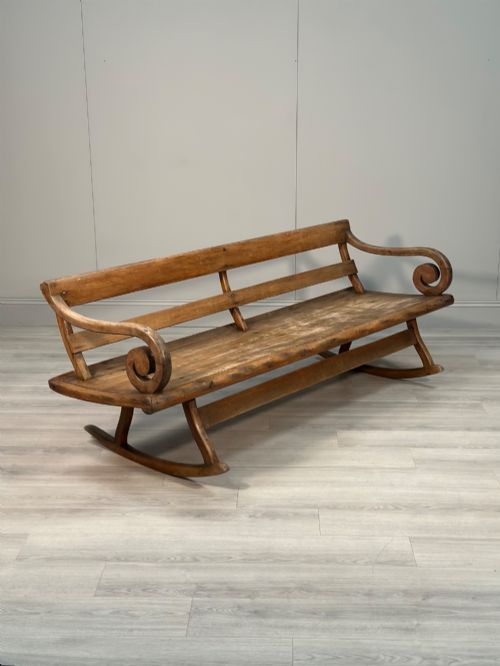
A vernacular wooden bench represents practical household and working seating shaped by local hands rather than academic design. These pieces include box settles, high-back settles, tavern benches, and low stools originating from British, French, Swedish, and Catalan traditions.
The versions most commonly met on this page span the seventeenth, eighteenth, and nineteenth centuries. They reflect regional domestic life, featuring robust forms intended for everyday use in farmhouses, cottages, and workshops.
What varies in quality
Quality in a vernacular wooden bench lies in the integrity of its construction and the honesty of its wear. Pieces shaped by necessity with pleasing proportions and untouched surfaces stand apart from heavily restored or altered examples.
The character of the grain, the depth of patination accumulated through decades of use, and the survival of original components dictate the standing of an individual piece.
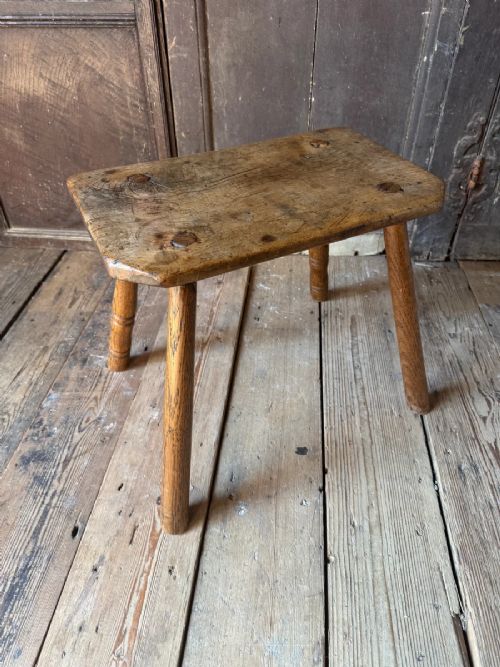
Several items retain traces of their working past, including carpenter's work stools and cobbler's seats marked by decades of trade.
The Vernacular Wooden Bench Glossary
- Settle
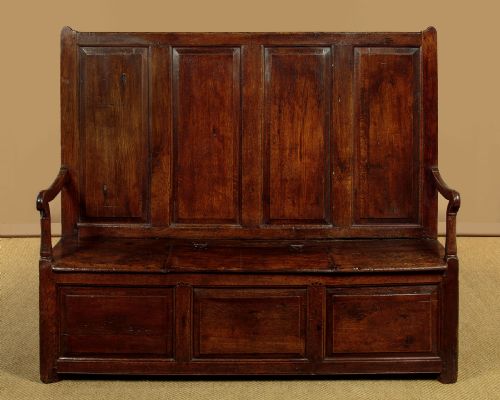
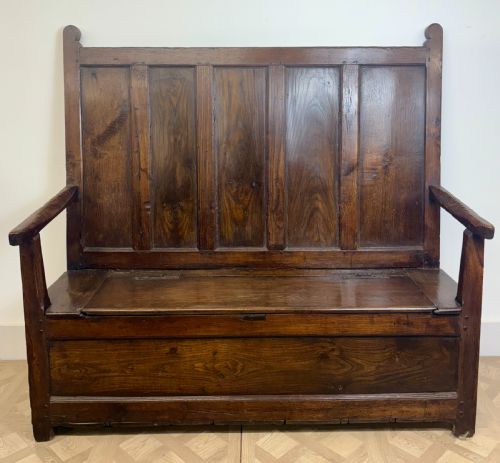
- A wooden bench with a high back, solid arms, and frequently a box compartment beneath the seat. It was designed to keep draughts away from fireside occupants in older homes.
- Pig bench
- A low, sturdy wooden form traditionally utilised for agricultural tasks or butchery preparation. Today, these low benches frequently serve as coffee tables.
- Vernacular
- An architectural and furniture-making term describing objects built by local craftspeople using regional materials for local needs. It prioritises function over formal stylistic rules.
- Patina
- The surface sheen and colour developed by timber over long periods through handling, polishing, and natural ageing. It serves as an indicator of genuine age.
- Stickback
- A construction method where turned spindles or sticks are inserted directly into a thick wooden seat. This technique is common in country chairs and settles.
Vernacular Wooden Bench: Frequently Asked Questions
What is a box settle?
A box settle is a high-backed wooden bench featuring a enclosed storage compartment beneath the seat. The high back shielded occupants from cold draughts in traditional domestic interiors.
These pieces were central to the farmhouse kitchen, combining seating with practical storage for blankets or household goods.
How do I care for old pine?
Old pine requires minimal intervention to maintain its stability and appearance. Regular dusting with a dry cloth keeps the surface clean without stripping the aged finish.
Avoid placing these timbers near direct heat sources or in extreme humidity to prevent splitting or warping of the old wood.
Are these benches comfortable?
Vernacular benches are designed for utility and upright posture rather than deep cushioning. They offer firm, supportive seating true to their historical domestic purpose.
Many owners add loose wool or linen cushions to soften the seat for everyday modern lounging.
How do I date a bench?
Dating relies on observing tool marks, timber species, construction methods, and overall wear patterns. Eighteenth-century pieces often display hand-sawn boards and pegged joinery.
Comparing the form and regional style against established historical examples helps narrow down the period of manufacture.