



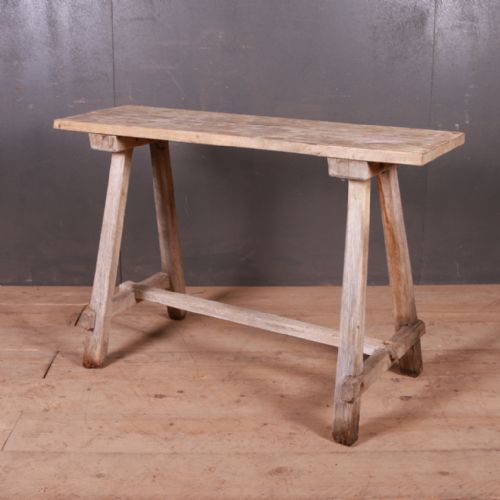


Rustic Hall Bench Table
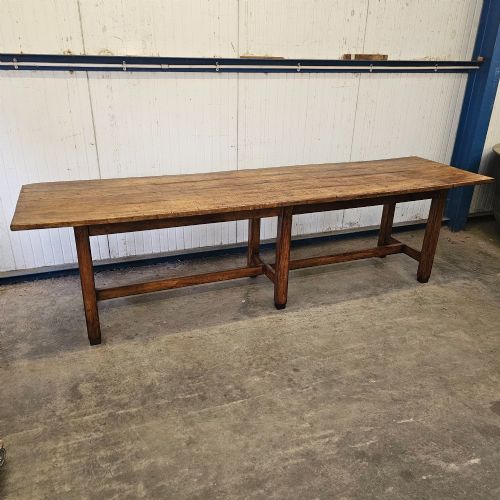
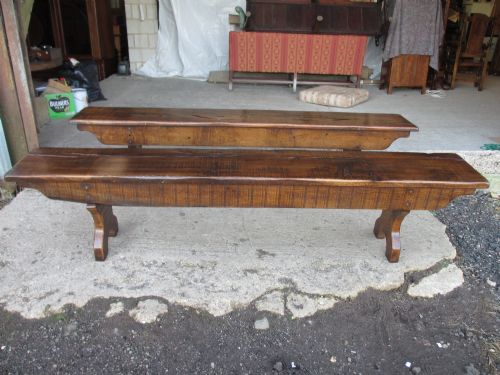
These heavy rustic hall bench table examples and related country seating bring practical utility and sturdy historic character directly into an entranceway.
Rustic Hall Bench Table
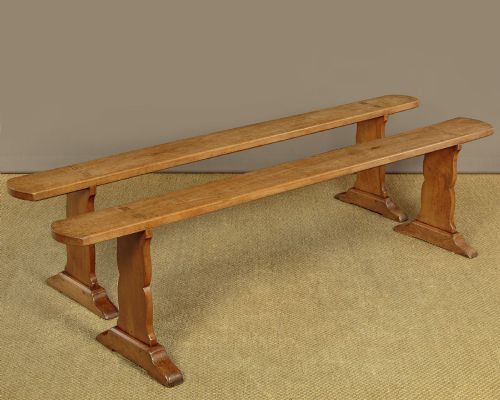
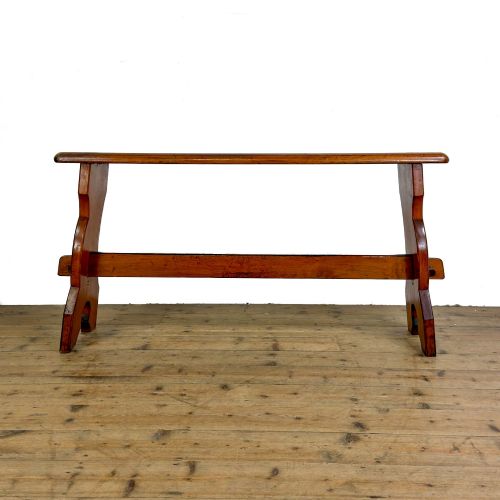
When you search for a rustic hall bench table, you encounter robust timber furniture designed primarily for practical utility in domestic and rural settings. The selection includes long elm benches, heavy oak benches with shaped trestle ends, and substantial cherrywood benches dating from the eighteenth century onwards.
The forms span English, French, and Spanish vernacular traditions, encompassing scrubbed sycamore and elm trestle tables, pine organ bench side tables, and expansive country house workbenches. You are most likely to meet French provincial and rustic country formats that combine seating utility with long, narrow proportions suited for narrow corridors.
Originating from working environments like country houses, churches, and shepherd's huts, these pieces display straightforward construction intended for heavy daily use. Their utilitarian roots ensure that each piece carries authentic signs of past labour and domestic life.
Materials and construction methods
Construction relies heavily on durable domestic hardwoods and softwoods such as oak, elm, pine, sycamore, and cherrywood, chosen for their structural strength and availability. Cabinet makers and rural joiners utilised thick timber slabs for tops and seats, joined with solid trestle ends or sturdy underframes.
Surface treatments range from natural waxed finishes to scrubbed surfaces that expose the grain of sycamore and elm, or bleached oak treatments. Iron elements occasionally appear in structural fastenings, reinforcing the load-bearing capacity of these substantial tables and benches.
Rustic Hall Bench Table Retail Price Guide 2026
Typical asking prices for rustic hall bench table among the pieces listed under this phrase on Sellingantiques today, from the lower quarter to the upper quarter. They describe what is for sale here now, not the wider market.
Catalan shepherds apparently required seating sturdy enough to survive both mountain weather and the occasional wandering livestock.
Distinctions in quality and execution
Quality in these pieces rests upon the integrity of the timber selection and the balance of proportions between the top and the support structure. Finer examples display harmonious grain patterns in woods like cherrywood or bleached oak, coupled with cleanly integrated shaped trestle ends rather than purely utilitarian bracing.
The degree of original surface preservation also dictates standing, with scrubbed finishes or patinated waxed surfaces showing genuine historical weathering rather than modern intervention. Substantial thickness in timber slabs and tight joinery separate exceptional vernacular pieces from simpler utilitarian items.
The Rustic Hall Bench Table Glossary
- Trestle table
- A table consisting of two or more supports connected by a longitudinal beam upon which a board rests. This design allows maximum legroom along the length of the table.
- Vernacular furniture
- Domestic and agricultural furniture made by local craftsmen using regional traditions and native materials rather than adhering to formal high-style metropolitan designs.
- Scrubbed finish
- A wooden surface thoroughly washed and scrubbed over decades or through restoration to remove accumulated grime, revealing the clean, pale grain beneath.
- Organ bench
- A long, narrow wooden seat originally designed for use at a church or parlor organ, often repurposed today as a narrow hallway table or bench.
Rustic Hall Bench Table: Frequently Asked Questions
How do I use a hall bench table?
These pieces fit naturally into narrow entryways and corridors where their slim proportions provide a surface for post and keys while offering nearby seating. Their sturdy construction also allows them to function effectively as serving tables or console surfaces in dining rooms and living spaces.
Positioning them against a wall ensures stability and leaves walkways clear. The combination of bench seating and table formats provides versatile utility for putting on shoes or displaying decorative items.
Are these pieces from the eighteenth century?
Some examples date back to the eighteenth century, such as regional Catalan pieces, while many others originate from the nineteenth and early twentieth centuries. Stylistic indicators like hand-worked joinery and regional timber usage help distinguish these older periods.
Evaluating the wear patterns and construction techniques provides further context for dating. Most items reflect Victorian country or Edwardian production periods.
How do I clean scrubbed timber?
Maintaining scrubbed sycamore or elm requires dry dusting or gentle wiping with a barely damp cloth to preserve the pale, raw wood appearance. Avoid harsh chemical cleaners or excessive water that can raise the grain or stain the porous surface.
Applying a specialist wax can protect the wood if a sheen is desired, though many prefer the natural matte texture. Regular care preserves the historic patina of the timber.