



Spanish Bench
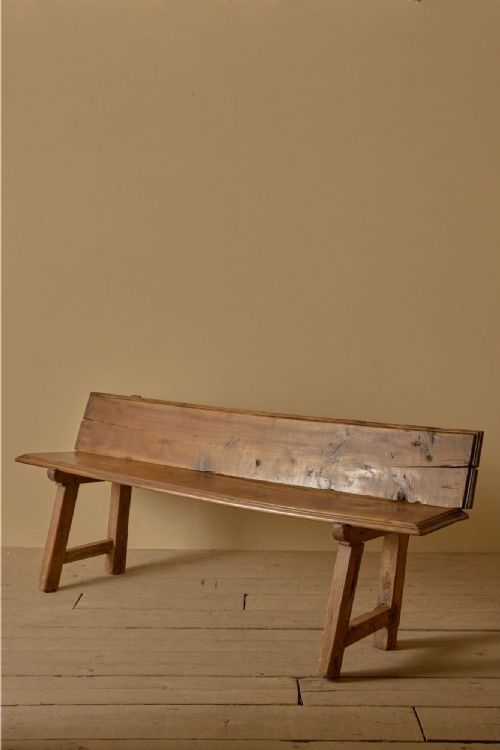
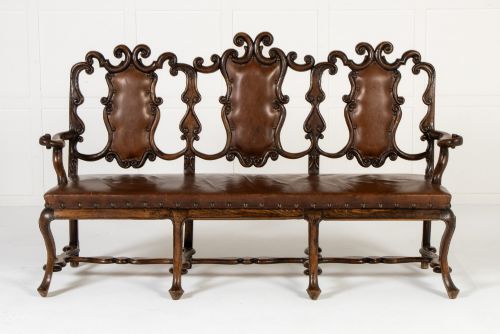
A spanish antique bench brings architectural weight and rustic character to an interior, built for endurance from robust timbers and iron.
Spanish Bench
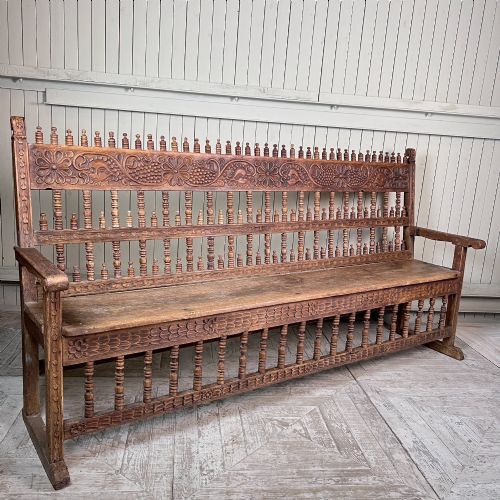
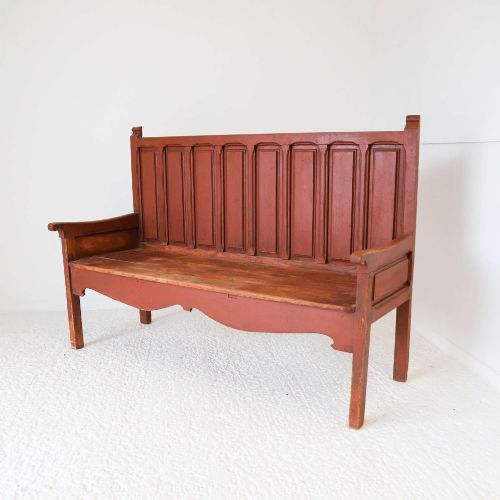
Buyers frequently encounter pine and walnut constructions, alongside painted finishes and rustic country designs. Forms vary from simple shepherd's benches to high-backed settles and larger colonial seating.
Origins trace through specific historical periods including the sixteenth, eighteenth, and nineteenth centuries. Alongside standard benches, related forms such as settees and settles appear within these regional traditions.
How they were made
Construction relies on sturdy native timbers including pine, oak, walnut, and assorted hardwoods. These materials provide the dense foundation necessary for traditional framework and joinery.
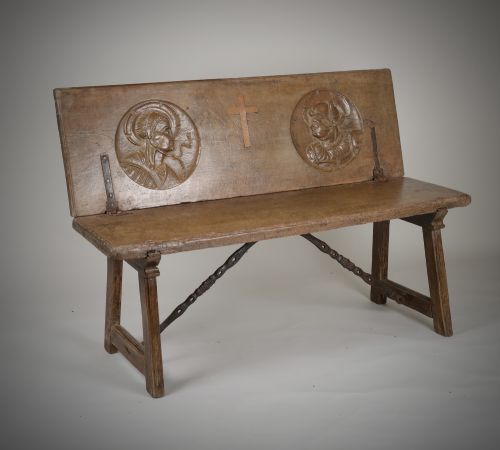
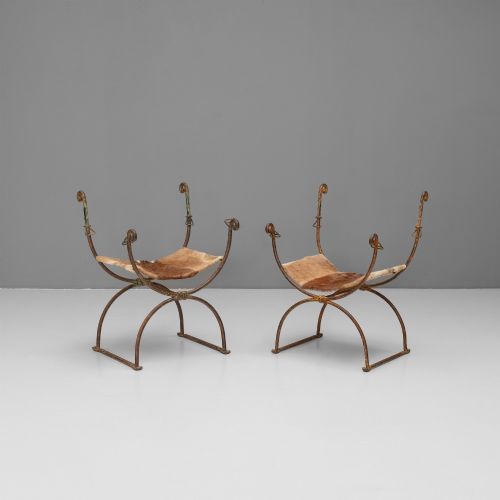
Metalwork plays a key structural role through the inclusion of wrought iron braces and hardware. Painted finishes and occasional leather elements further define the surface treatment of these historical seats.
Spanish Bench Retail Price Guide 2026
Typical asking prices for spanish bench among the pieces listed under this phrase on Sellingantiques today, from the lower quarter to the upper quarter. They describe what is for sale here now, not the wider market.
Listings feature periods spanning from the sixteenth to the twentieth century, incorporating pine, walnut, oak, and painted finishes.
What varies in quality
Quality rests upon the integrity of the timber and the depth of the original construction. Earlier pieces exhibit hand-carved details and substantial proportions that distinguish them from later Revival interpretations.
The survival of original painted surfaces and authentic hardware influences the overall character of the piece. Superior examples maintain their structural cohesion without extensive timber replacement.
The Spanish Bench Glossary
- Settle
- A wooden bench with high backs, solid arms, and often a storage box beneath the seat. This form protected occupants from draughts in historical interiors.
- Renaissance
- A cultural and artistic period spanning the fifteenth to seventeenth centuries. Furniture from this era displays architectural motifs and formal symmetry.
- Spanish Colonial
- A regional style reflecting Spanish design principles applied in overseas territories. These objects combine European forms with local timber traditions.
- Wrought iron
- Iron heated and hammered into shape by a blacksmith. This material provides structural reinforcement and decorative bracing on benches.
Spanish Bench: Frequently Asked Questions
Where should I place a spanish antique bench?
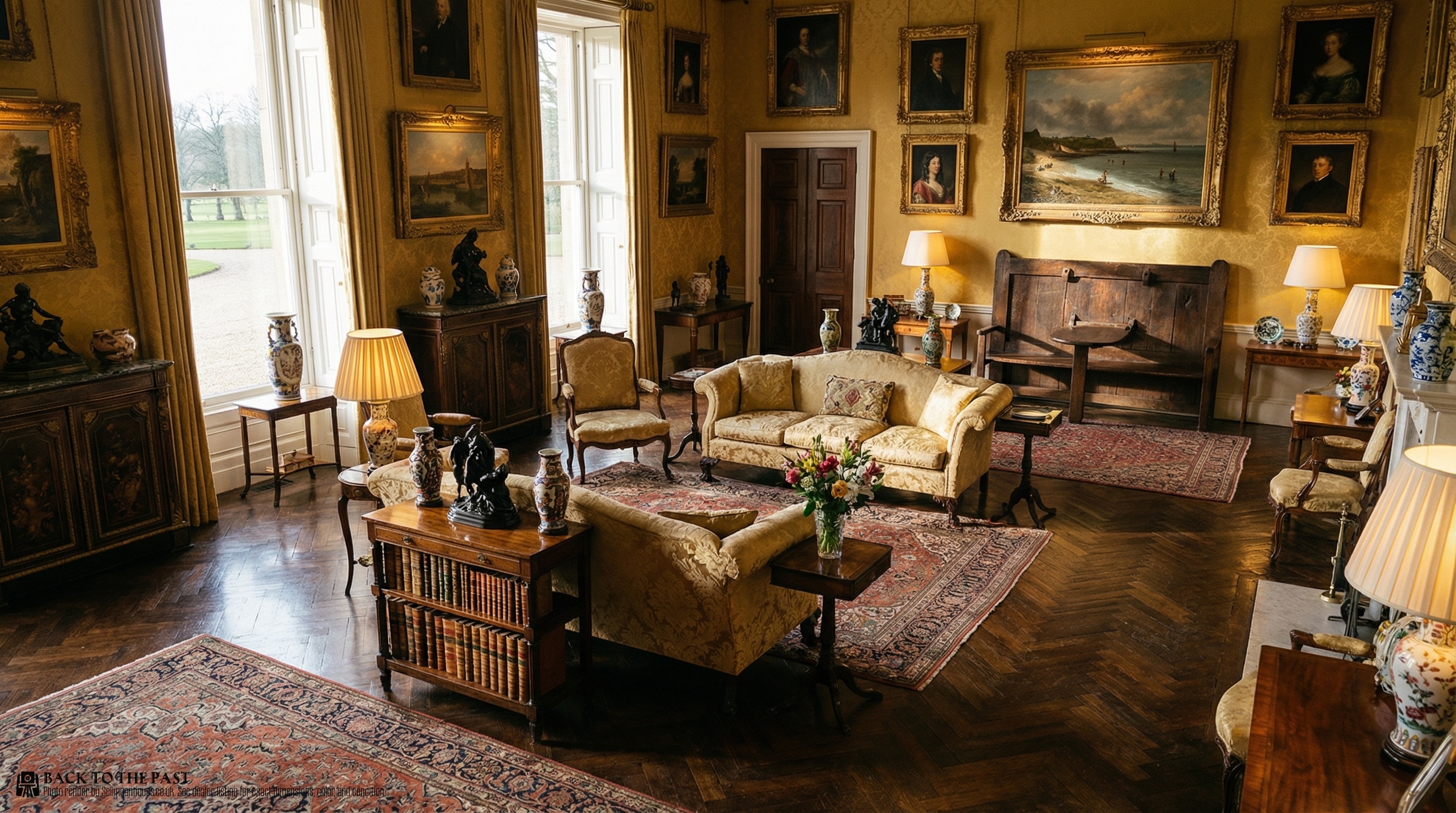
These benches suit large hallways, living rooms, or wide corridors where their linear form can be appreciated against a plain wall. They also function well at the foot of a bed or paired with a long dining table.
Because of their substantial depth and weight, ensure adequate floor space for comfortable movement around the piece.
How do I clean wooden surfaces?
Dust the timber regularly with a soft, dry cloth to prevent the accumulation of grit in carved recesses. Avoid commercial silicone polishes, which build up a residue and attract dirt over time.
Apply a microcrystalline wax sparingly once or twice a year if the wood appears dry, buffing gently to a soft sheen.
How can I tell the period?
Dating relies upon examining the joinery methods, tool marks, and wood shrinkage patterns visible on the underside and interior surfaces. Earlier examples display hand-cut pegs and irregular sawing techniques.
Stylistic cues such as Renaissance mouldings or eighteenth-century proportions also help determine the era of manufacture.
Are these benches comfortable to sit on?
Historical wooden benches are generally firm and upright, reflecting the utilitarian seating standards of past centuries. Many owners add loose squabs or sheepskins to soften the seat for daily use.
Settle designs offer the added benefit of an enclosed back that blocks air movement in cooler rooms.